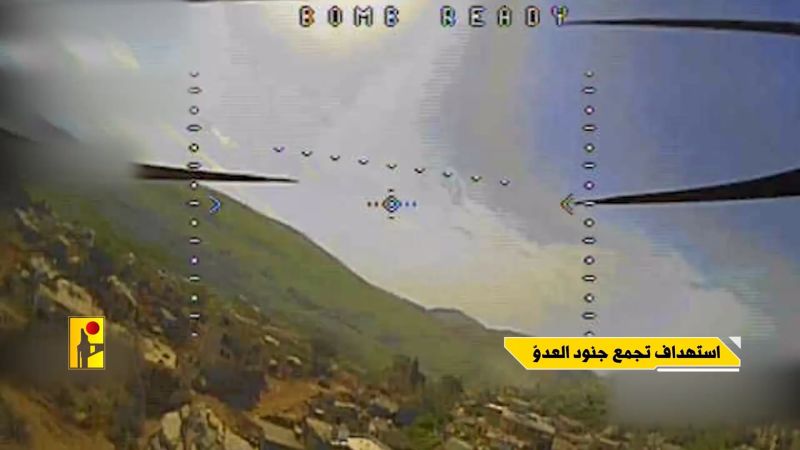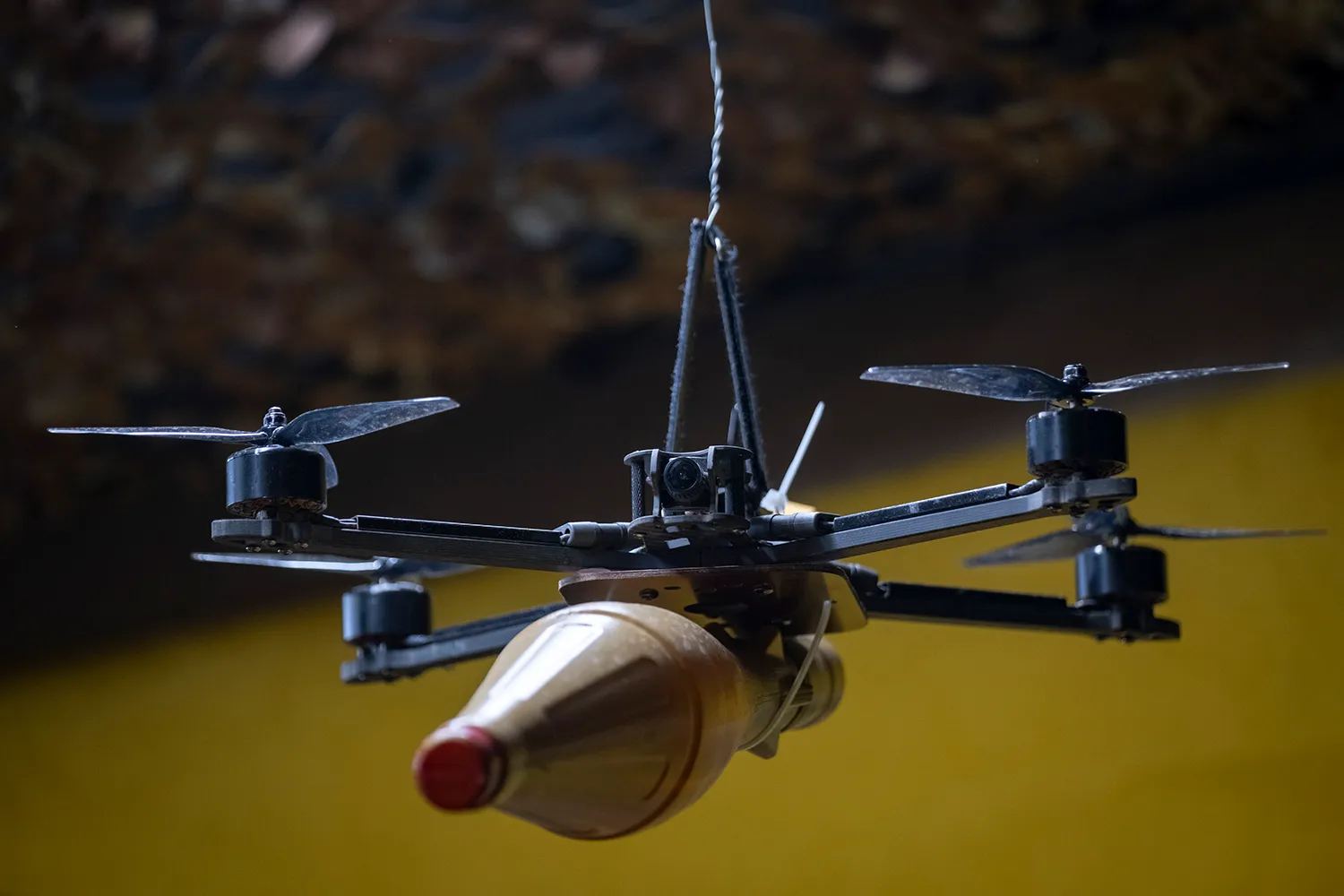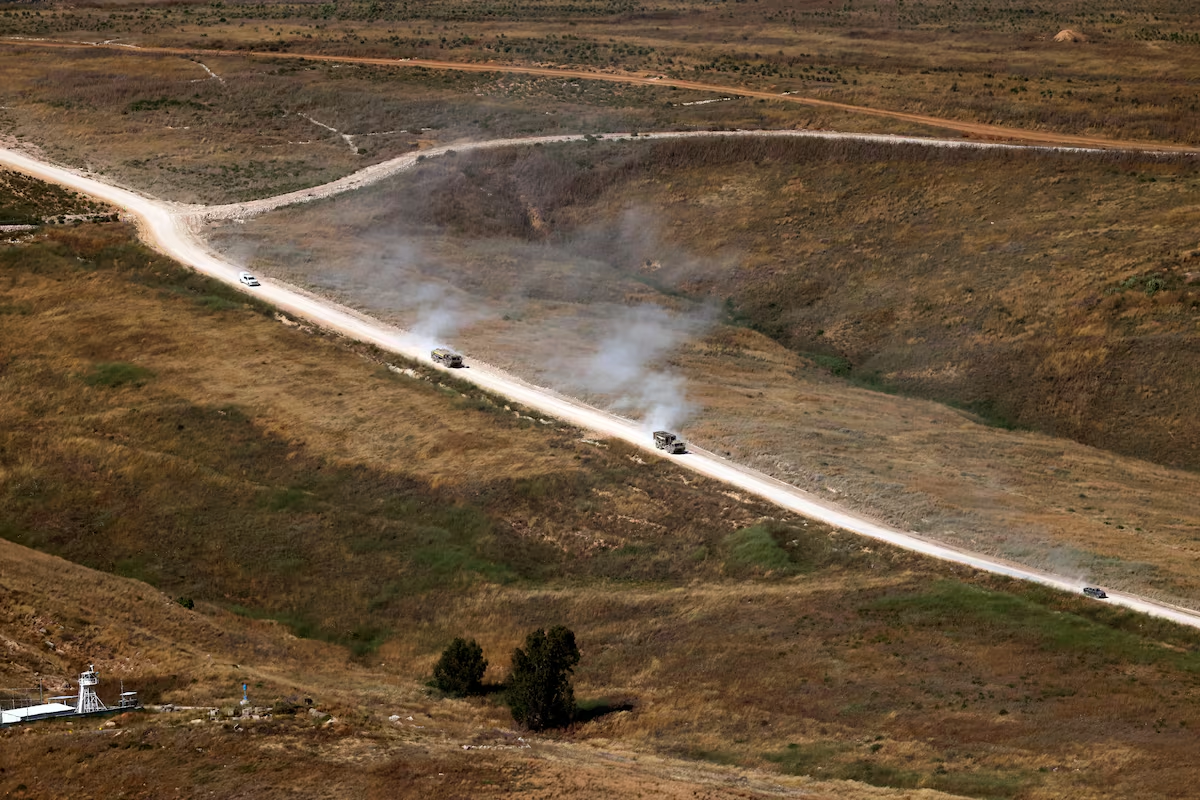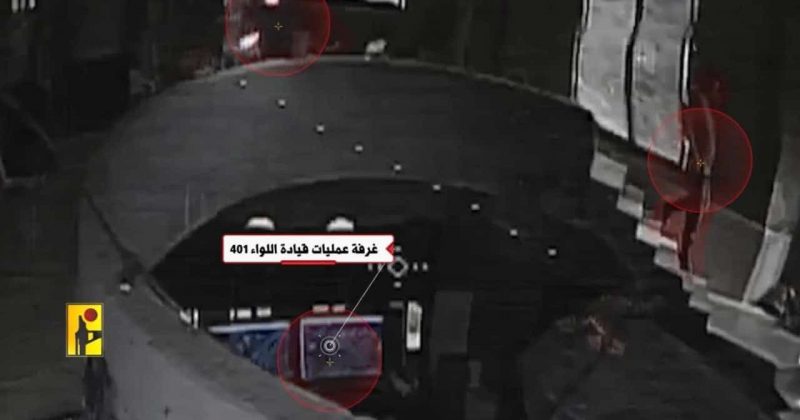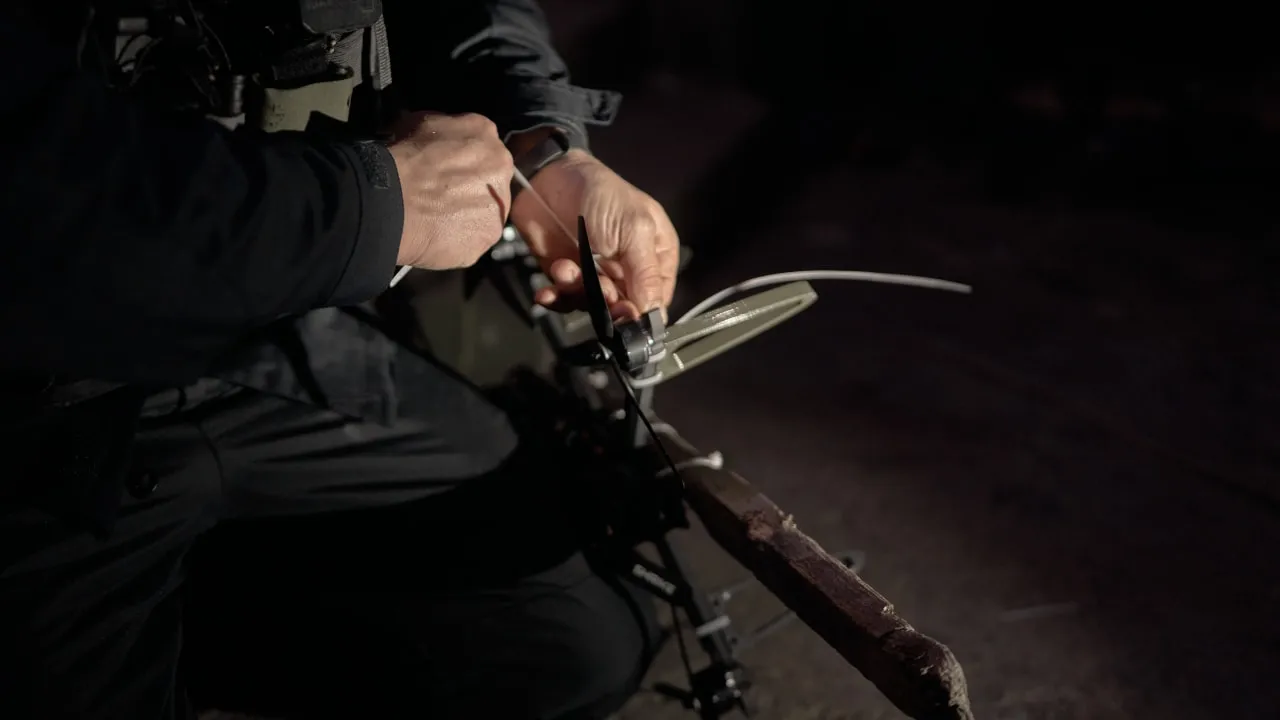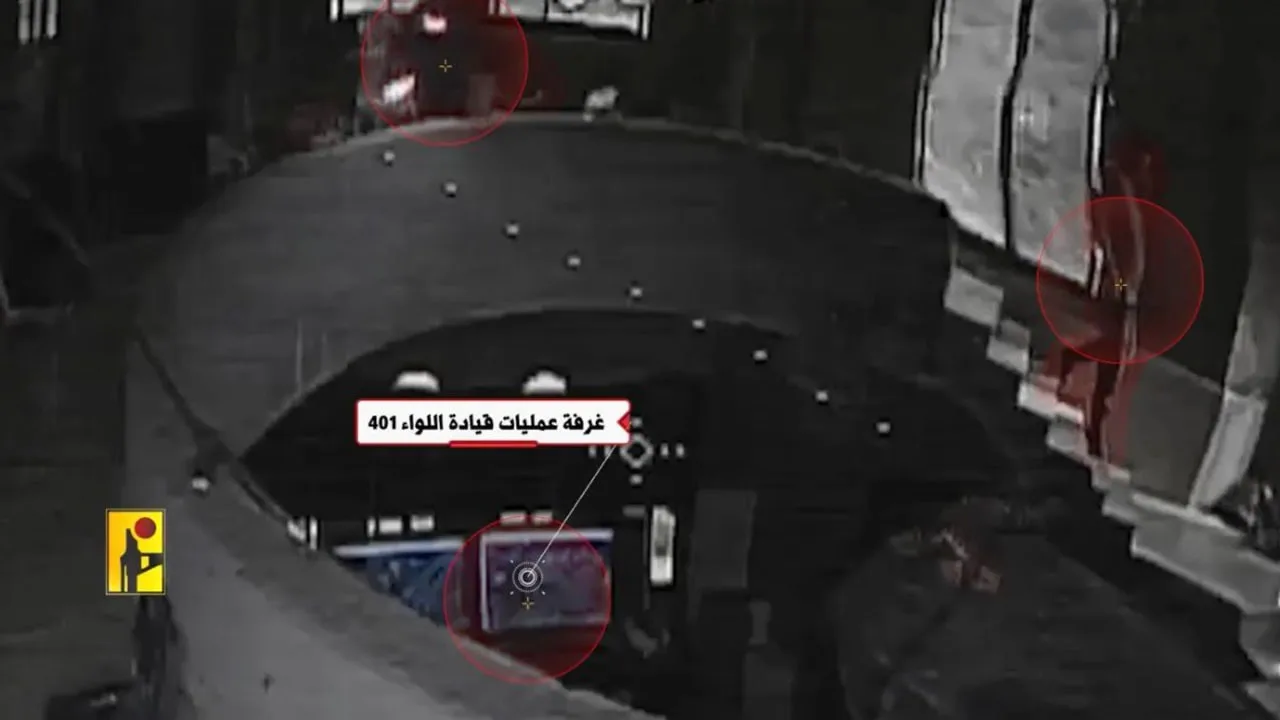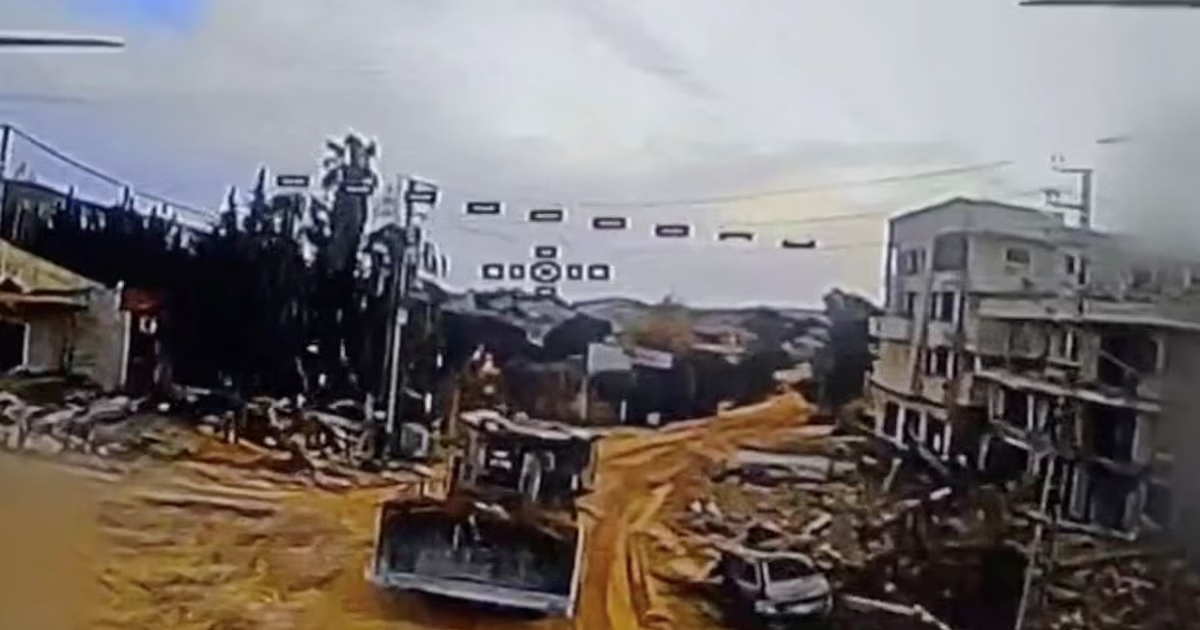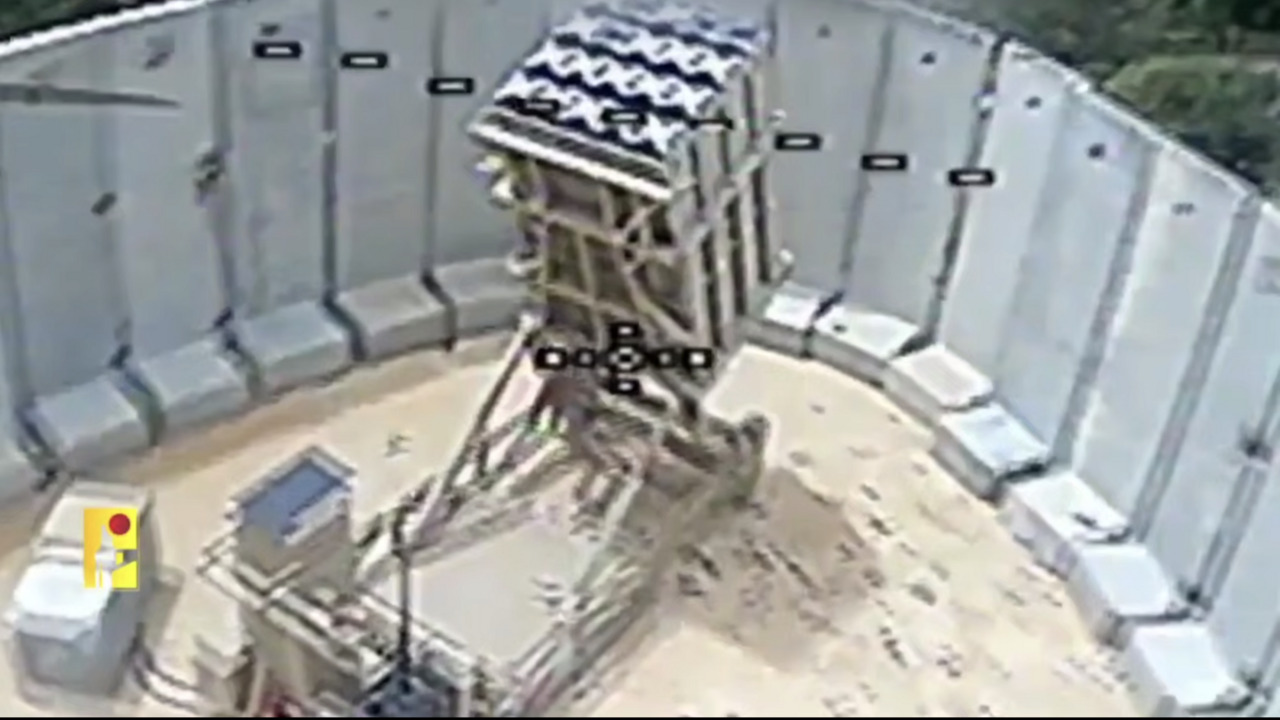
Since Israel and the US attacked Hezbollah’s ally Iran on February 28, Hezbollah has begun to employ a new type of weapon: first-person view drones, or FPVs. The Israeli army told FRANCE 24 it had registered 645 Hezbollah FPV drone attacks on military and civilian targets in northern Israel and southern Lebanon since a partial ceasefire went into effect on April 17. These deadly small drones have proven their effectiveness in the Ukraine-Russia war for years. They are hard to detect and too small to shoot down easily but deadly against military vehicles, positions and, especially, soldiers. Since Hezbollah began deploying these new weapons, its propaganda branch has posted videos of FPV attacks carried out by the group on Israeli targets, including military vehicles, tanks, garrisons and soldiers. The Israeli Defense Forces (IDF) said five soldiers were injured on June 17 when two Hezbollah FPVs struck them next to a tank in the village of Kfar Tebnit in southern Lebanon. Hezbollah also claims its FPV drones have hit Israel’s renowned Iron Dome air defence batteries. The Iron Dome anti-missile system is an essential last line of defence for Israel against short-range rockets and artillery shells – weapons Hezbollah has used for years. In use since 2011, the system includes a purpose-built radar system designed to detect rockets and artillery shells, and portable launchers, each capable of firing 20 Tamir interceptor missiles. The system was not, however, designed to detect small quadcopter drones. According to videos posted by Hezbollah’s propaganda branch, Iron Dome launchers are among the preferred targets of Hezbollah FPV operators. The group has posted at least 10 videos on Telegram, which they claim document FPV strikes on Iron Dome launchers. But there is a problem. Based on the videos published by Hezbollah, these FPV attacks appear to be mostly targeting decoys rather than real Iron Dome systems. According to an investigation by FRANCE 24’s Observers team in Paris, nine out of the 10 videos of Hezbollah’s attacks on Iron Dome launchers appear to show strikes on Iron Dome launchers that were inactive, or decoys. How can we assess that these are not real Iron Dome launchers? Iron Dome launchers have a specific profile with four hydraulic supports, two vertical ones and two diagonal, that help position the launcher towards the threat detected by its computers. There is also a box-shaped structure on the launcher bed, as well as cables emerging from the end of the launch tubes, and a telescoping antenna mast.
Hezbollah claims hits on Israel’s Iron Dome but videos show strikes on decoys
As the on-again, off-again fighting continues between Israel and Hezbollah, the Iranian-backed militia has revealed its deadly FPV drone fleet: small quadcopters equipped with light explosives. Analysis…
1,115 words~5 min read