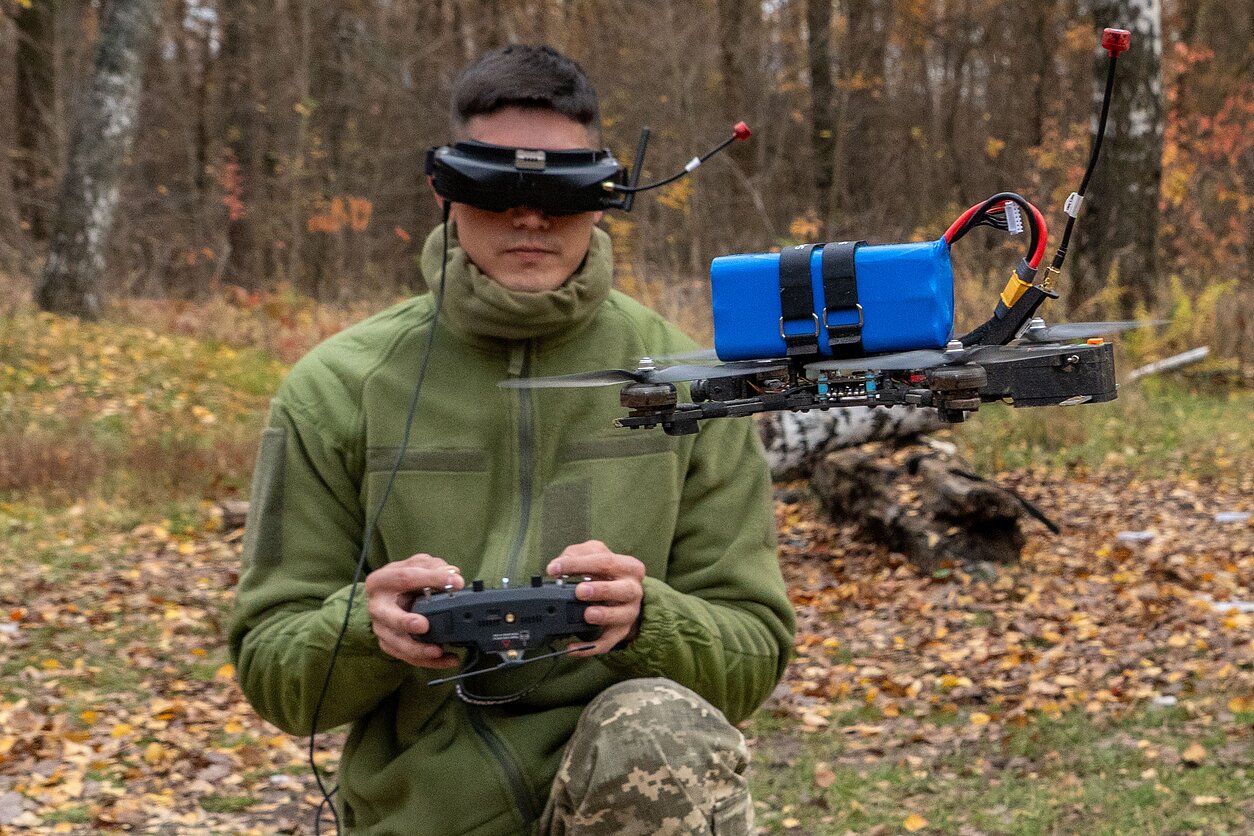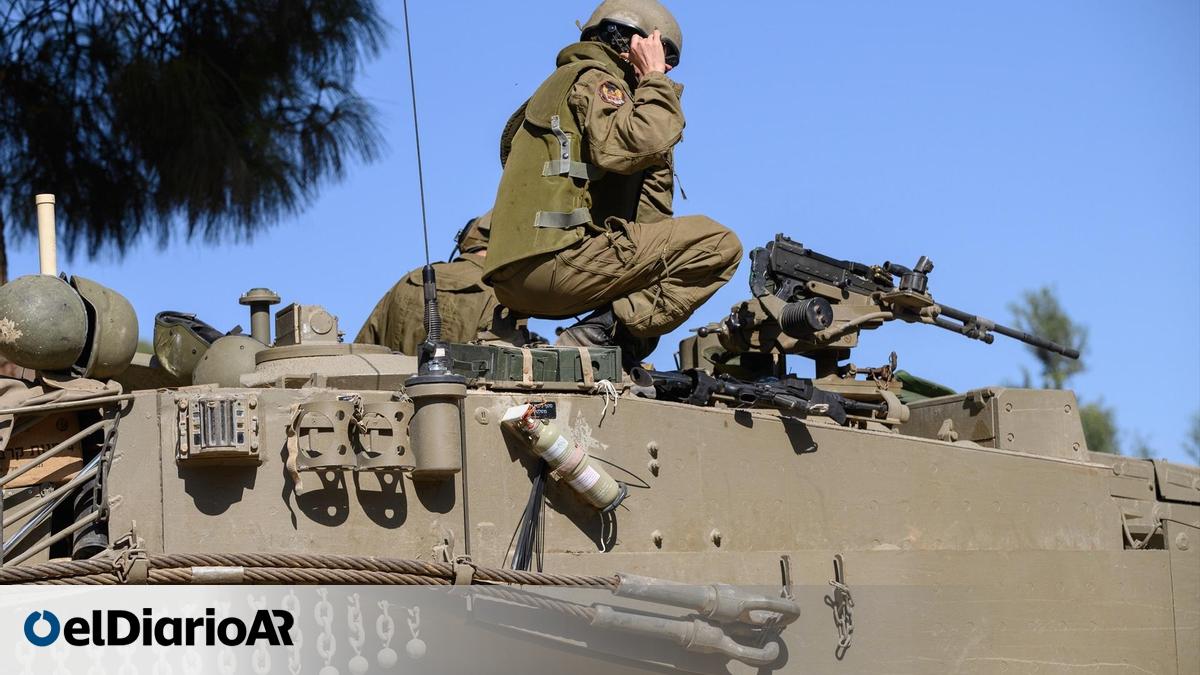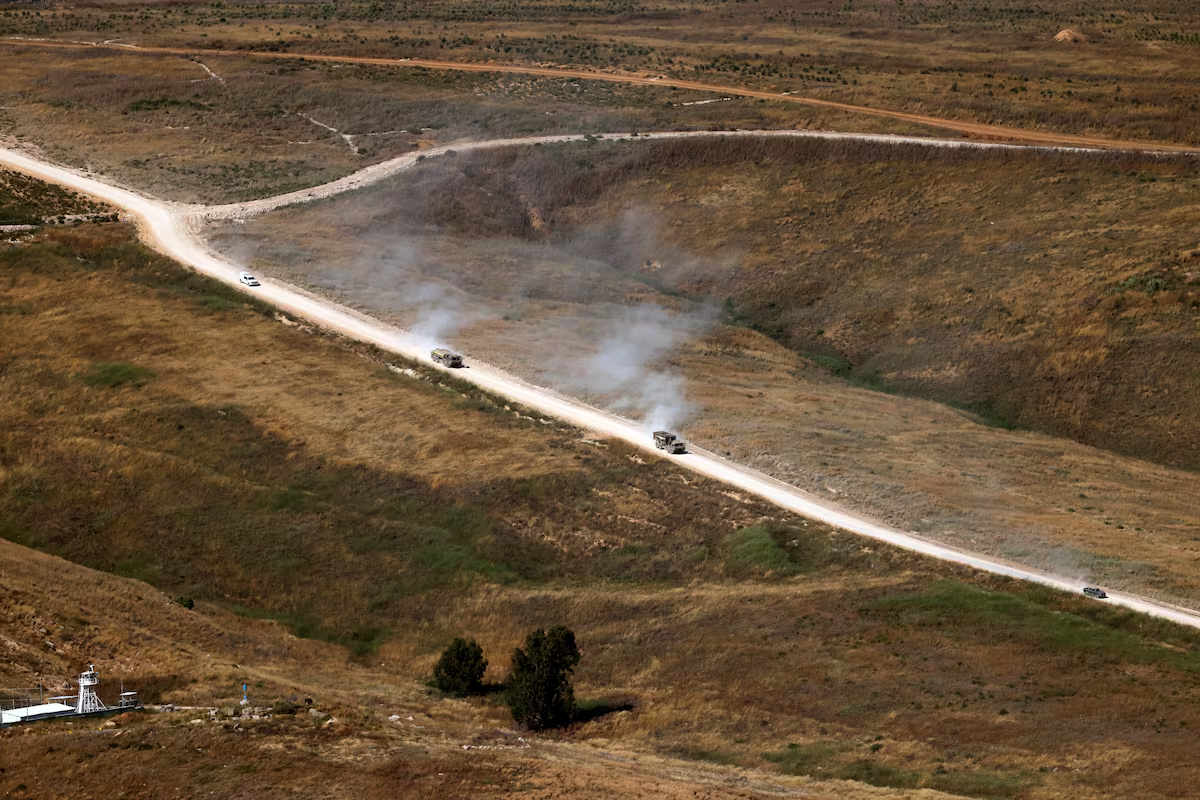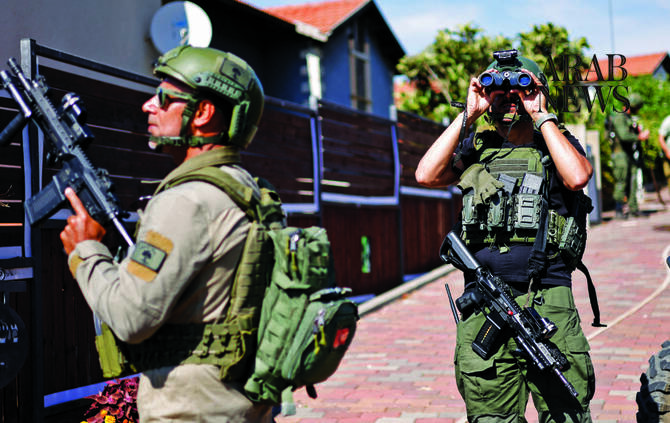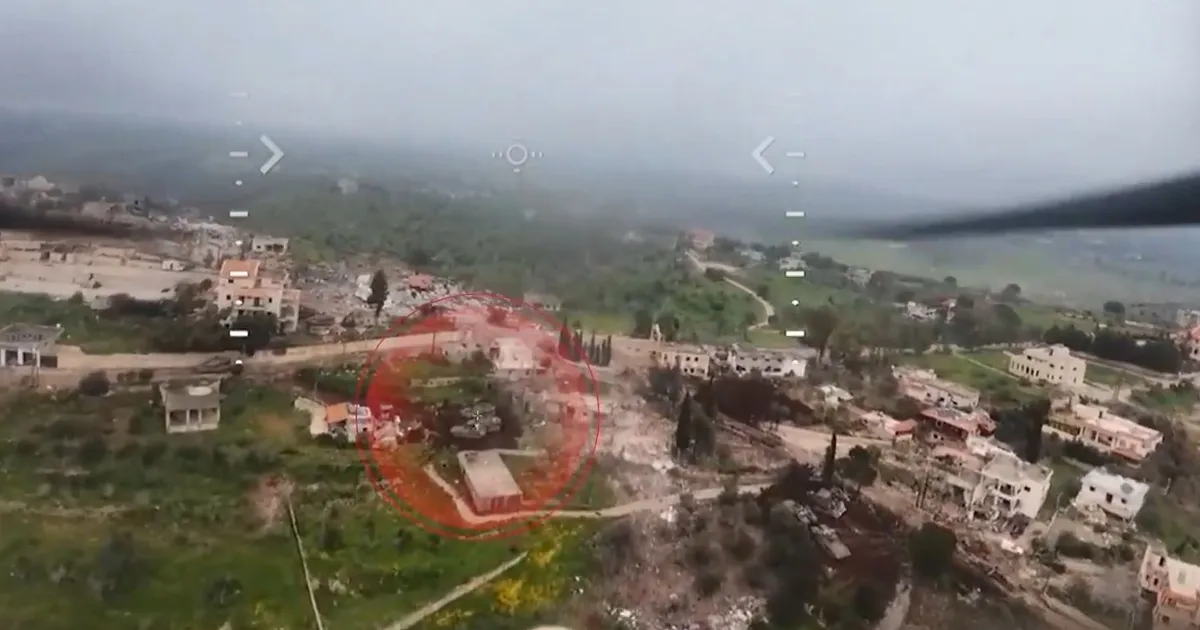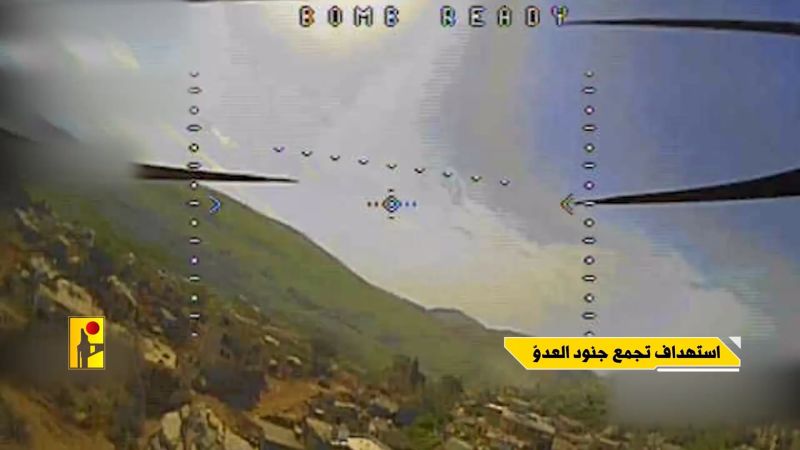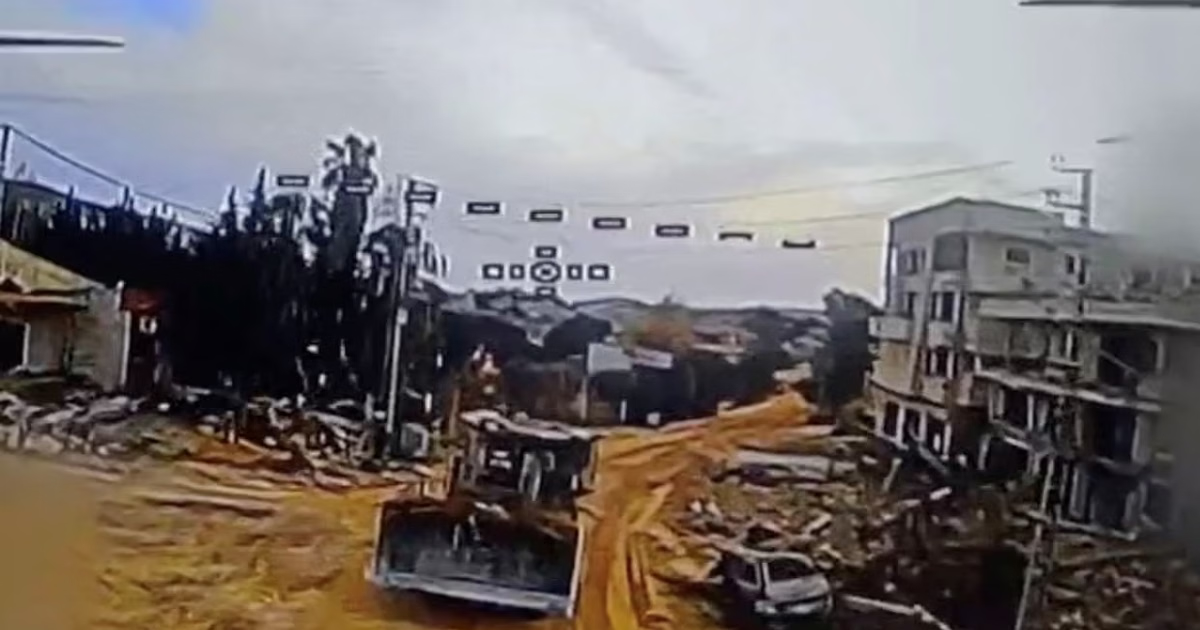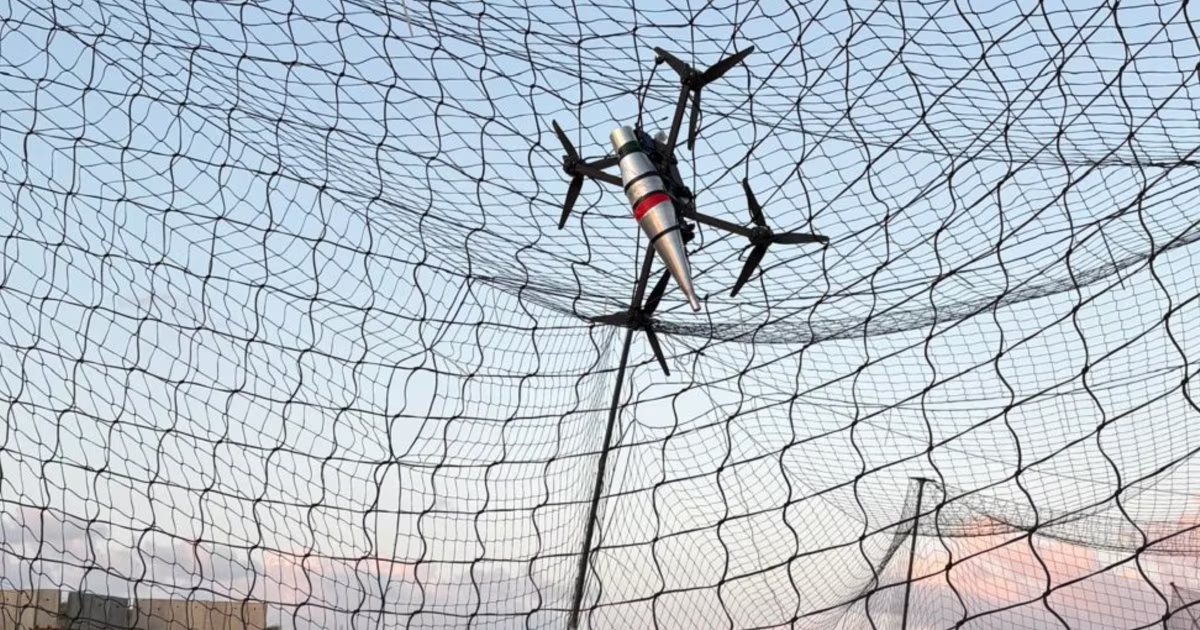
When an armed quadcopter buzzed over Lebanon’s southern border into Israel on May 19, one Israel Defense Forces (IDF) soldier raced up a nearby hill and attempted to snag the drone’s fiber-optic control cable with a piece of scrap metal.The remarkable scene captured by photojournalists at the militarized border provided the clearest example yet seen of the fiber-optic drones -- first pioneered by Russian soldiers and now ubiquitous in Ukraine -- being used by Iranian-backed Hezbollah militants.It also highlights the vulnerability of even the world’s most advanced militaries to the cheap drone innovation.
An Israeli soldier attempts to hook the fiber-optic cable of a first-person-view (FPV) drone with a strip of metal on May 19.
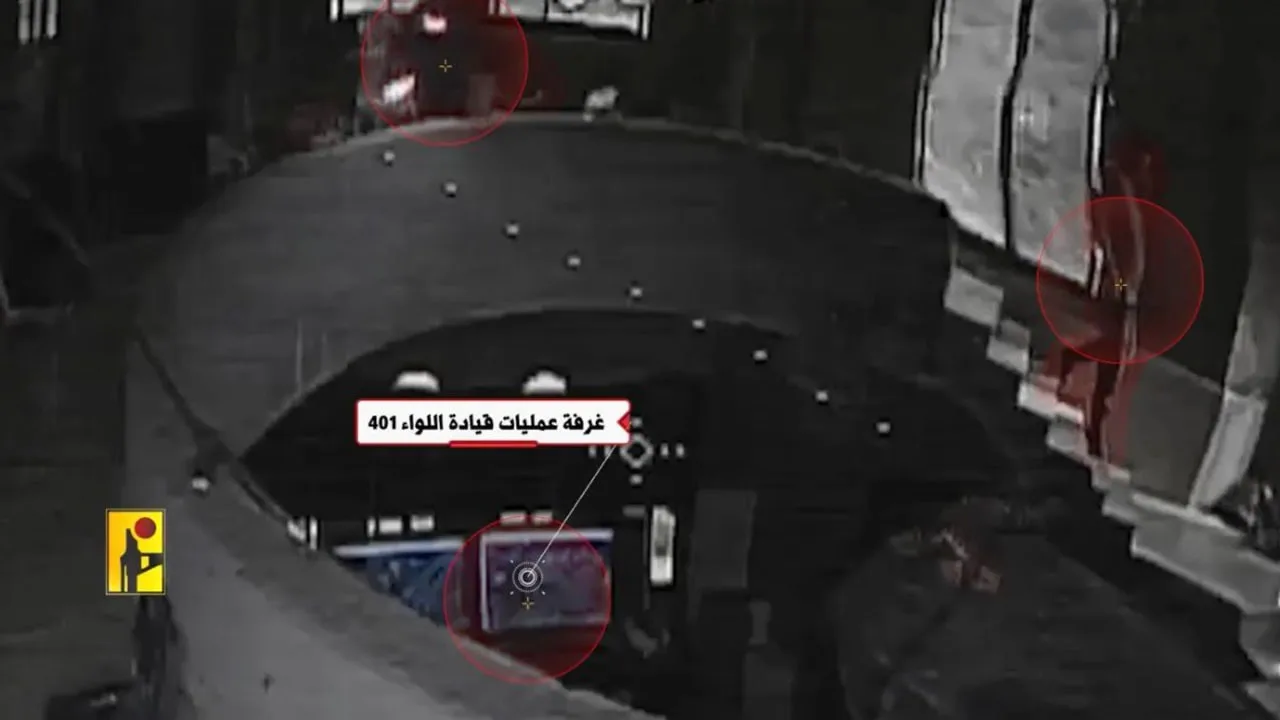
In the past month, Hezbollah militants have killed three IDF soldiers and one Israeli civilian using kamikaze drones controlled through kilometers-long fiber-optic cables.In response, Israel’s Prime Minister Benjamin Netanyahu announced the formation of a team to counter the tethered drone threat. Israel is furnishing the task force with an “unlimited budget,” amid growing controversy in the country over the lack of preparedness for a weapon that first emerged in 2024.The IDF reportedly declined earlier offers from Kyiv to train Israeli forces in anti-drone techniques, but on May 17, Netanyahu claimed he warned of the threat of weaponized quadcopters years before the current crisis over the devices.“After I saw the war in Ukraine, I thought this could also serve as a tool on our battlefield,” Netanyahu said at a government meeting.