Editorial
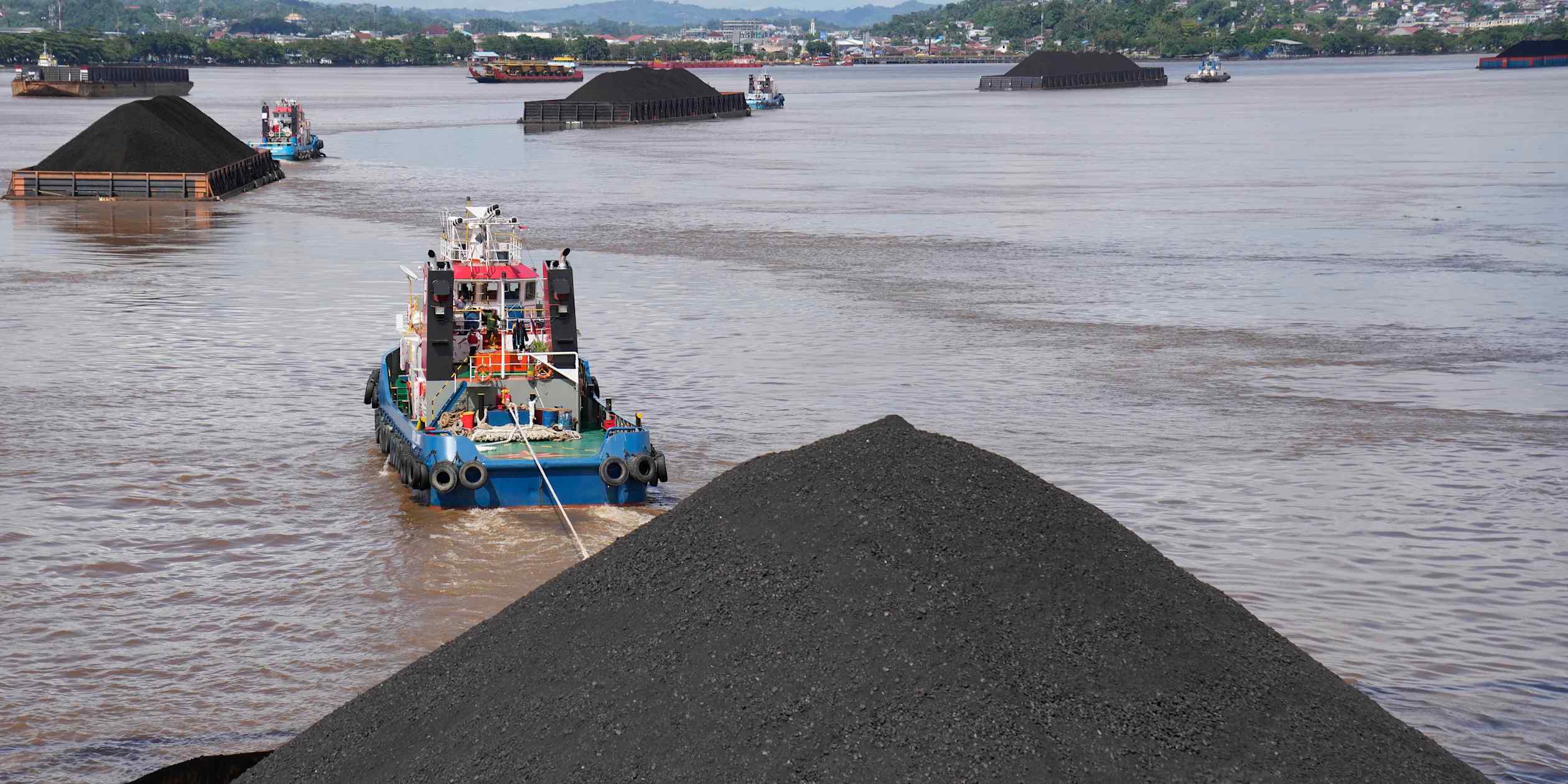
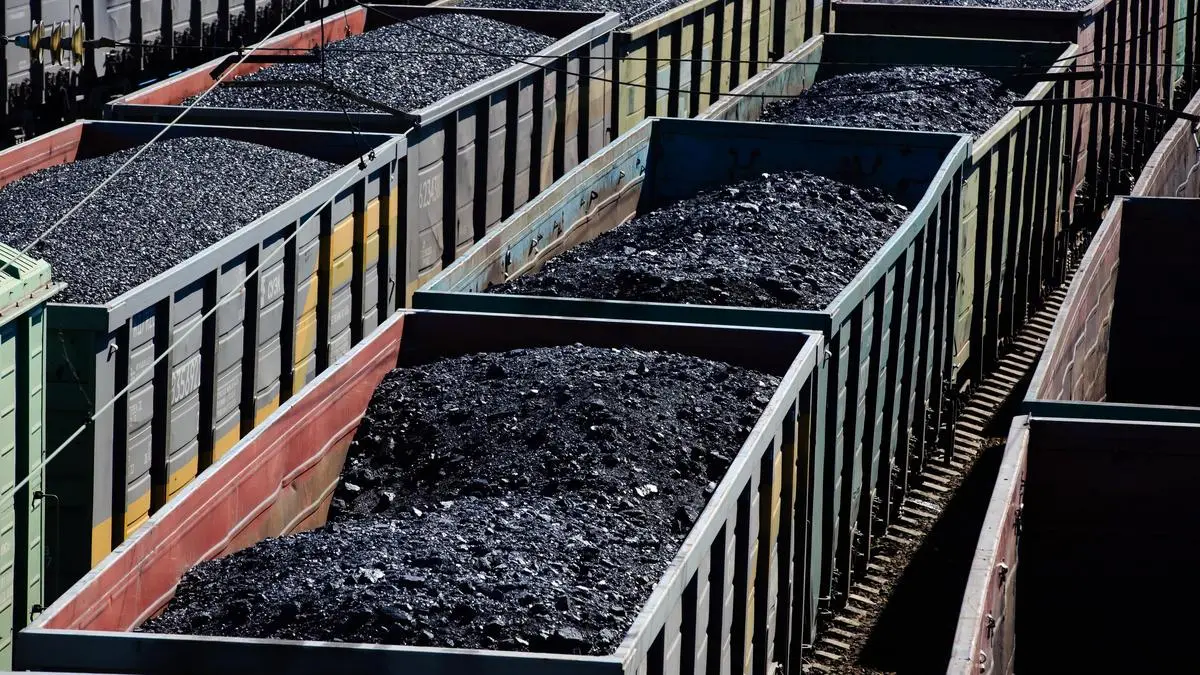
The idea of centralizing export control for certain natural resources in a single institution is not new, and the failed experiment of such an agency for cloves serves as a case study on why not to pursue that course again, especially for major commodities like coal, CPO and ferroalloys.
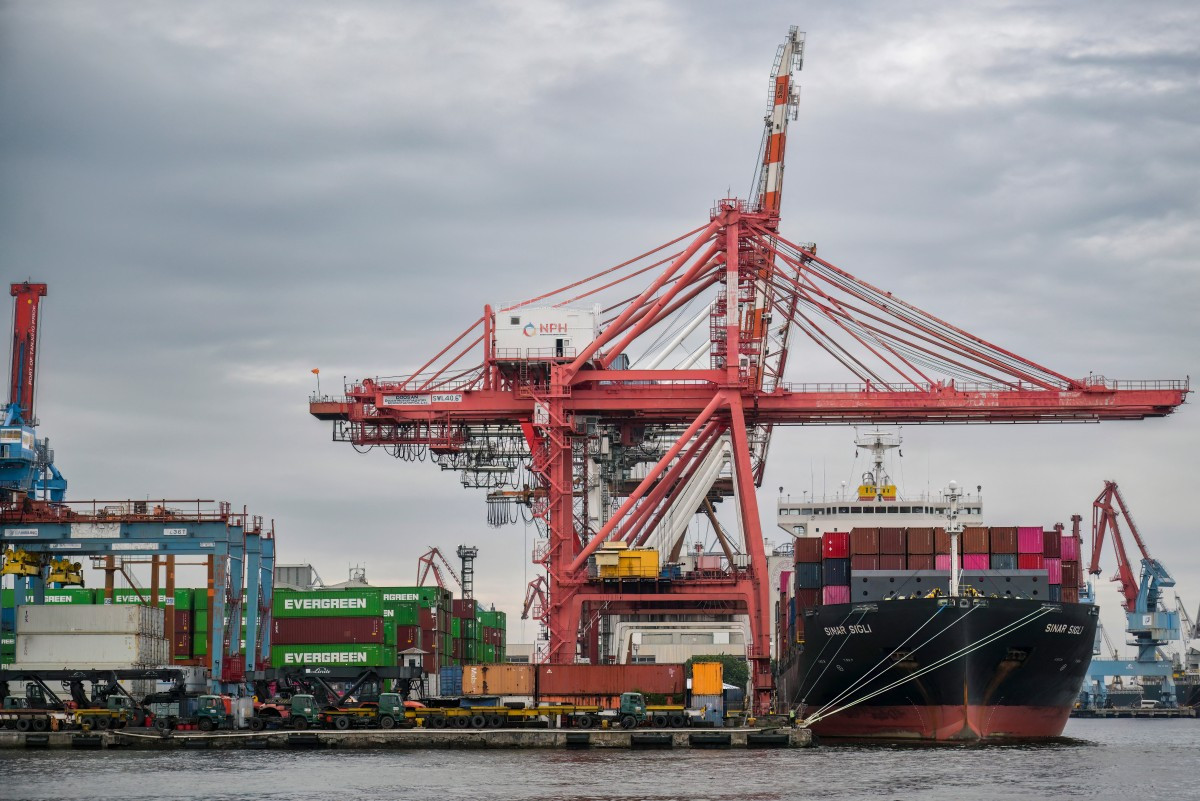
A container ship docks alongside a row of gantry cranes on Feb. 4, 2026, at Tanjung Priok Port in North Jakarta. (AFP/Bay Ismoyo)
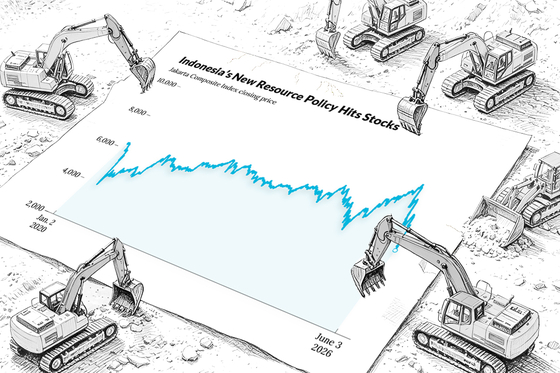
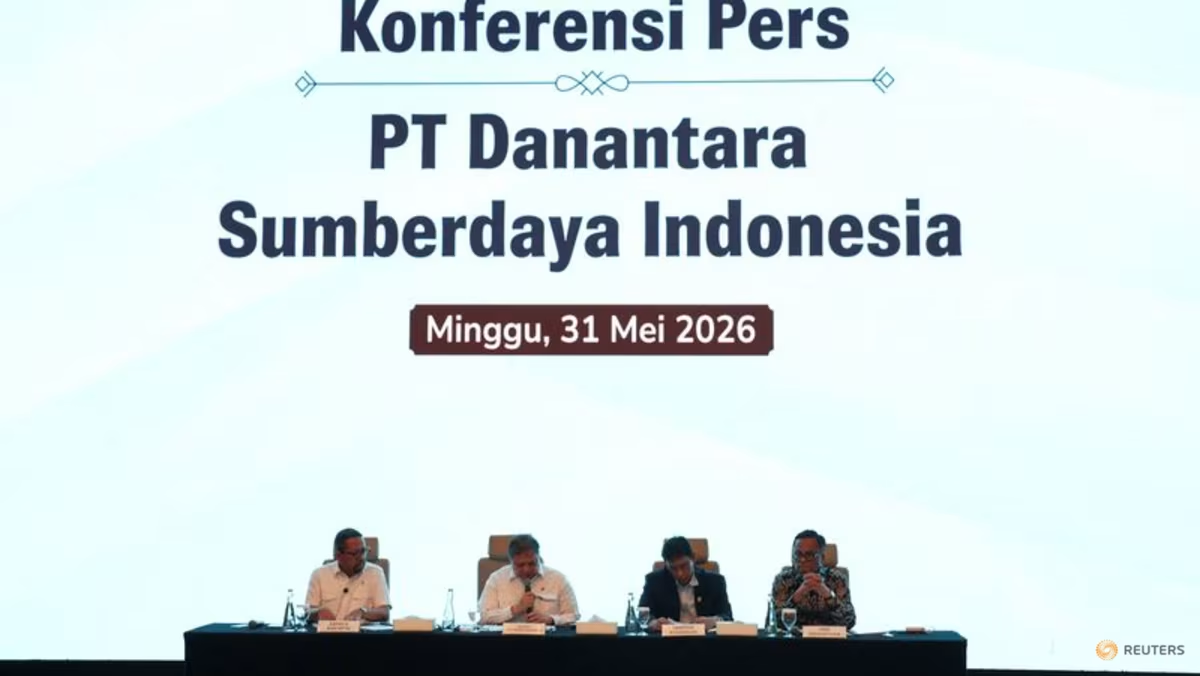
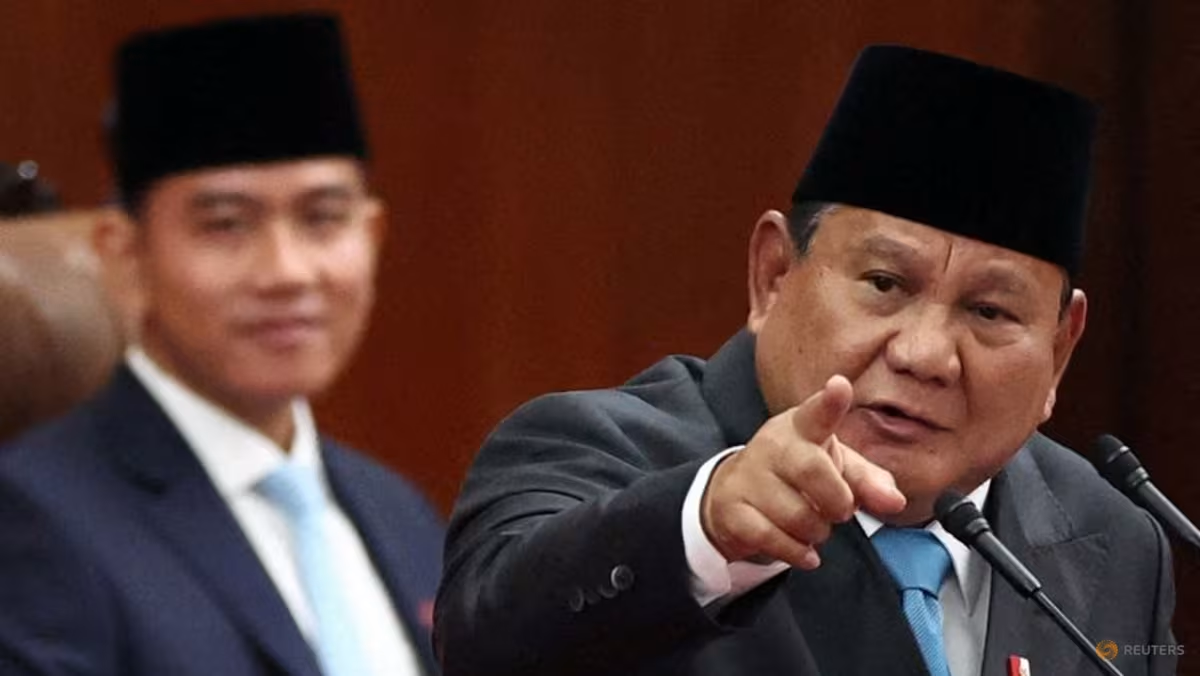
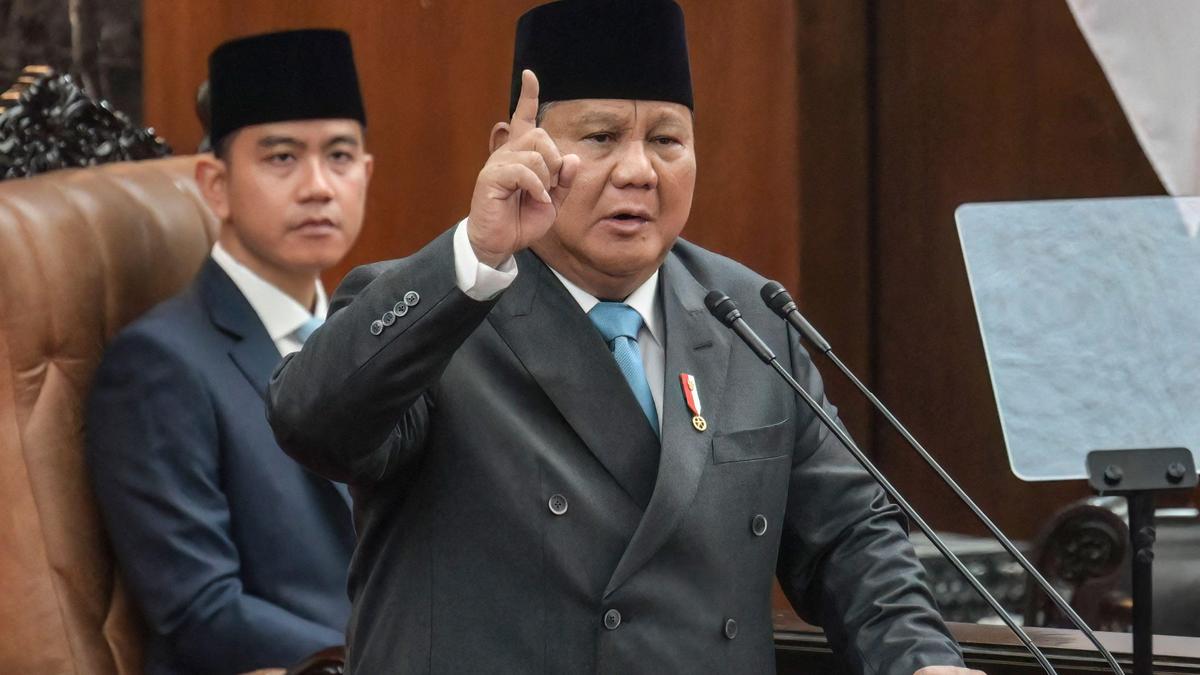
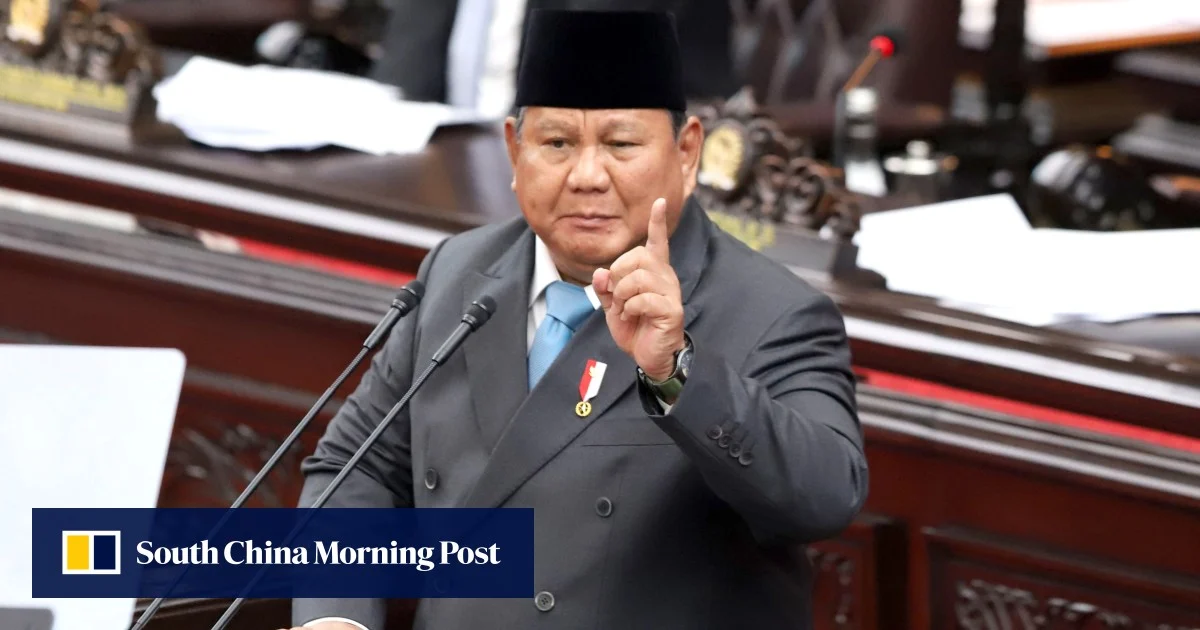
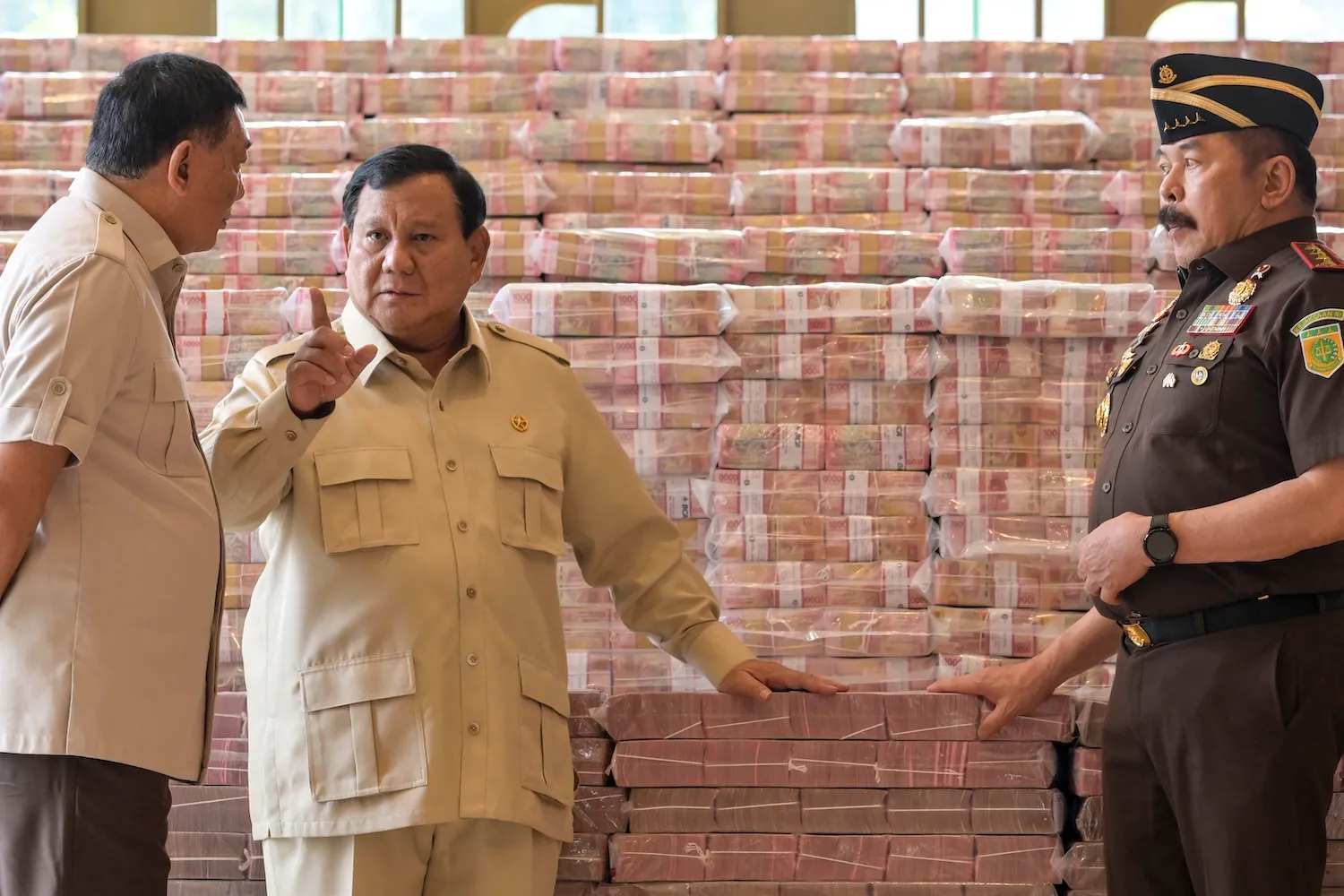
President Prabowo Subianto’s bold strategy to recover billions in lost revenue from under-invoicing by placing natural resources export activities under a single state-controlled gatekeeper, Danantara Sumberdaya Indonesia (DSI), may do more harm than good. While the policy could boost state revenue, it also reflects the government’s growing preference for centralized economic intervention. At a time when Indonesia needs private capital to drive growth, the move risks deepening concerns that the country is becoming less predictable and less friendly to investors.The policy met with a backlash from local exporters immediately after it was announced on May 20.
Industry players fear the centralized export scheme will squeeze profit margins, weaken long-standing relationships with overseas buyers and create fresh uncertainty over how companies restructure their businesses.