May 29, 2026 | 03:01 pm
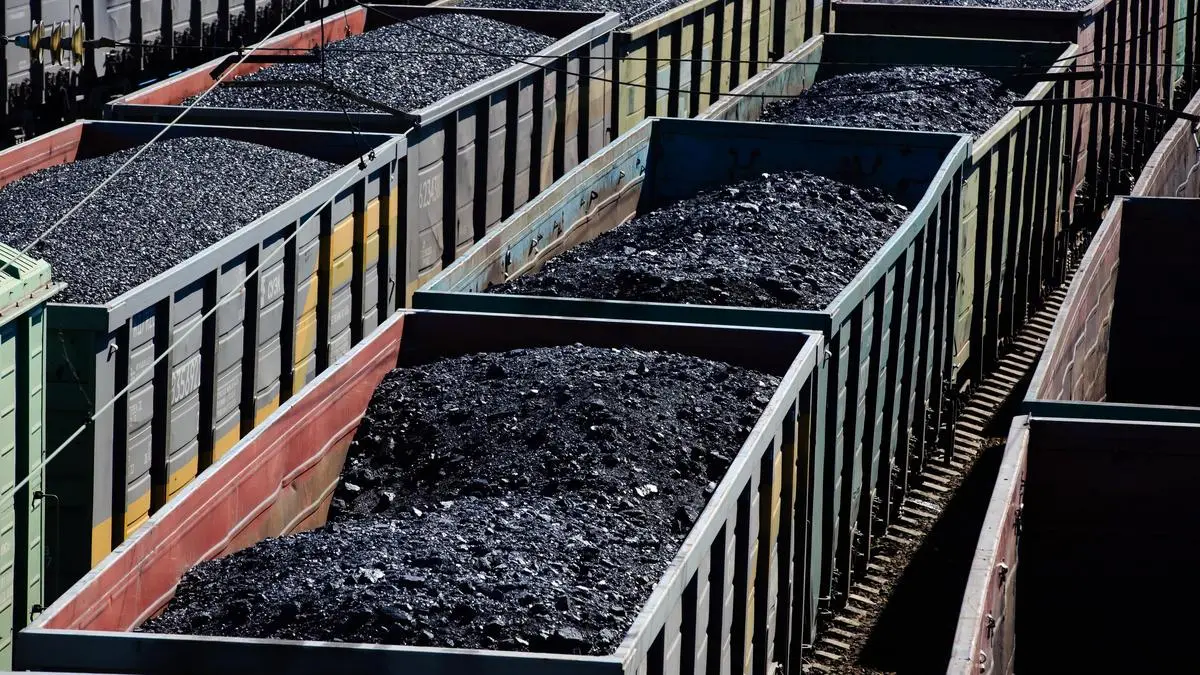
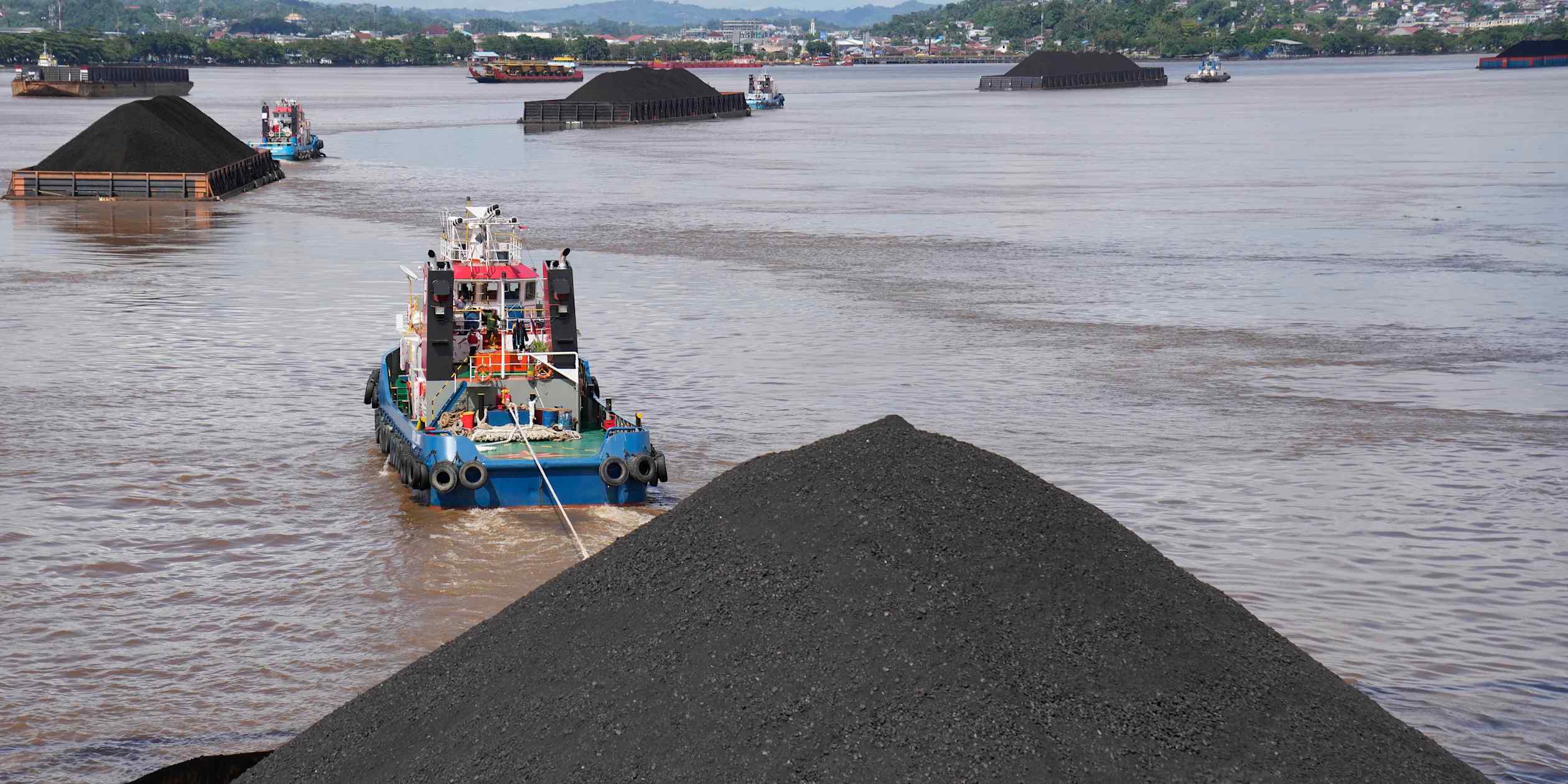
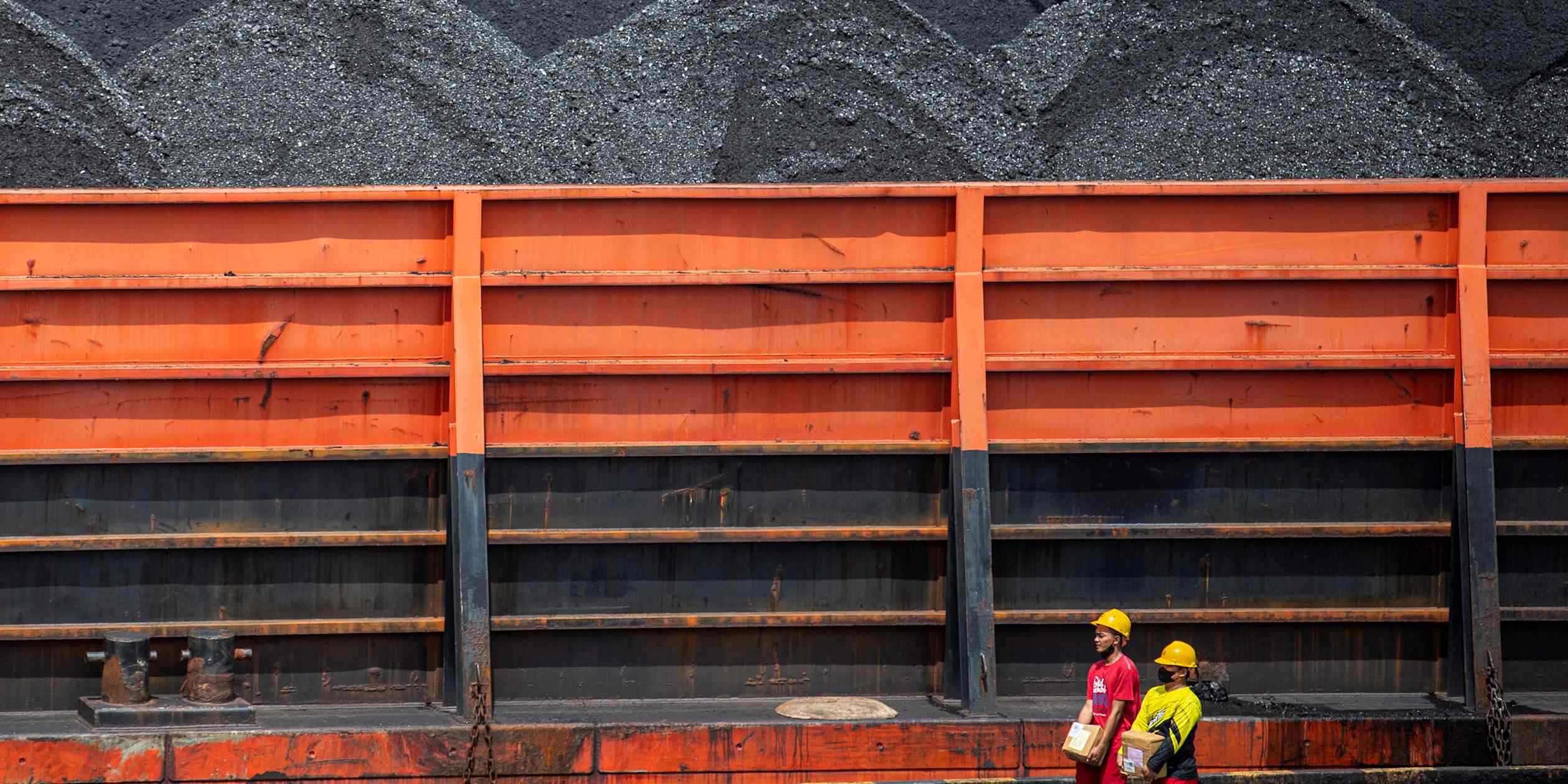
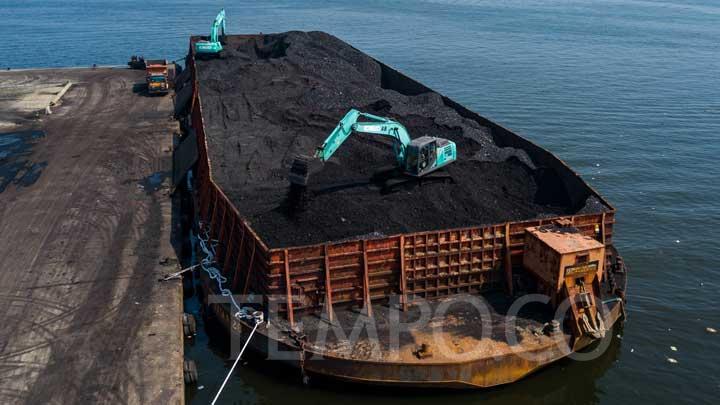
Coal loading and unloading activities at the KCN Marunda pier, Jakarta, Wednesday, January 5, 2022. The government requires private companies, state-owned enterprises and mining subsidiaries to prioritize domestic coal needs. TEMPO/Tony Hartawan
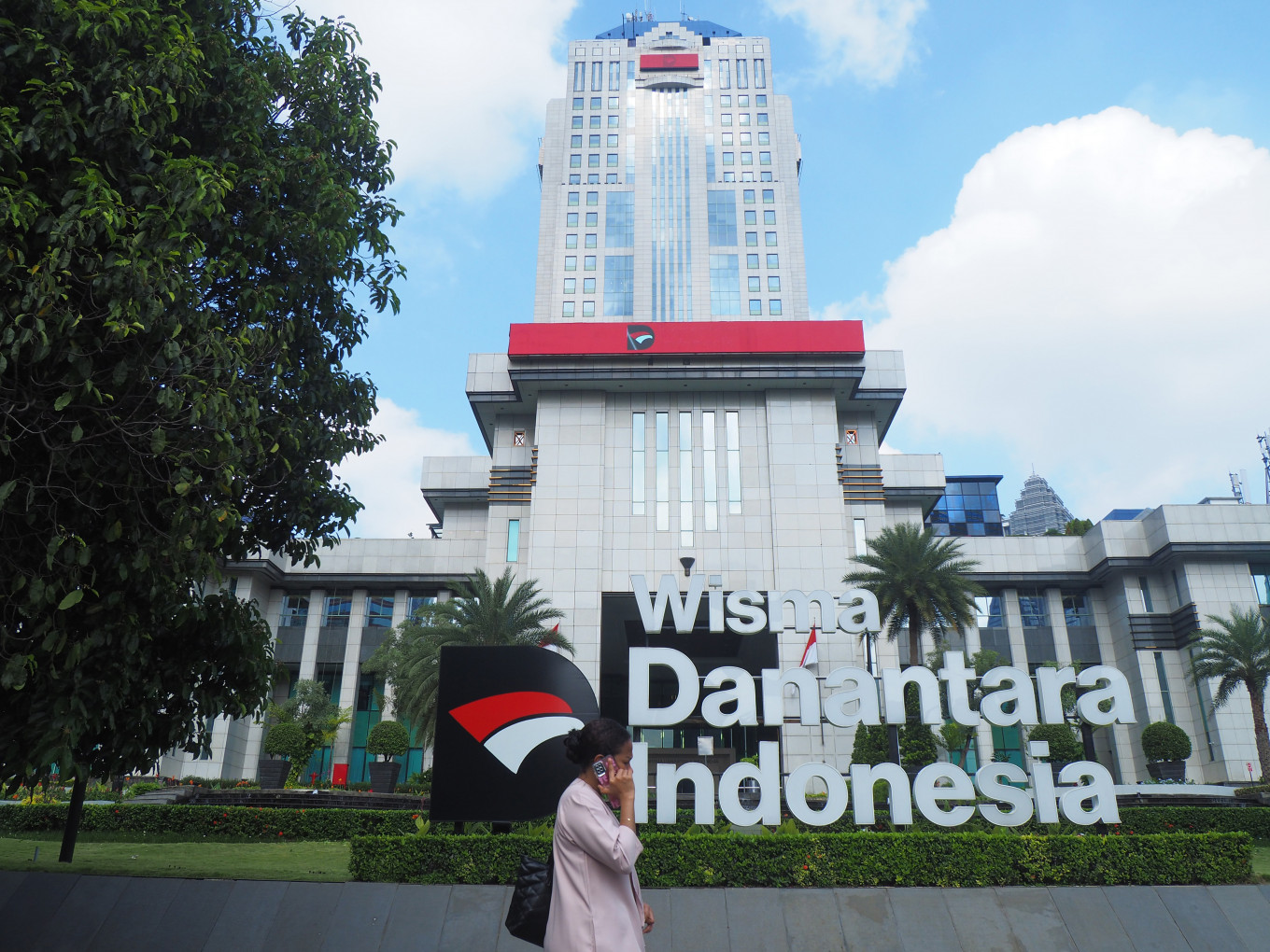
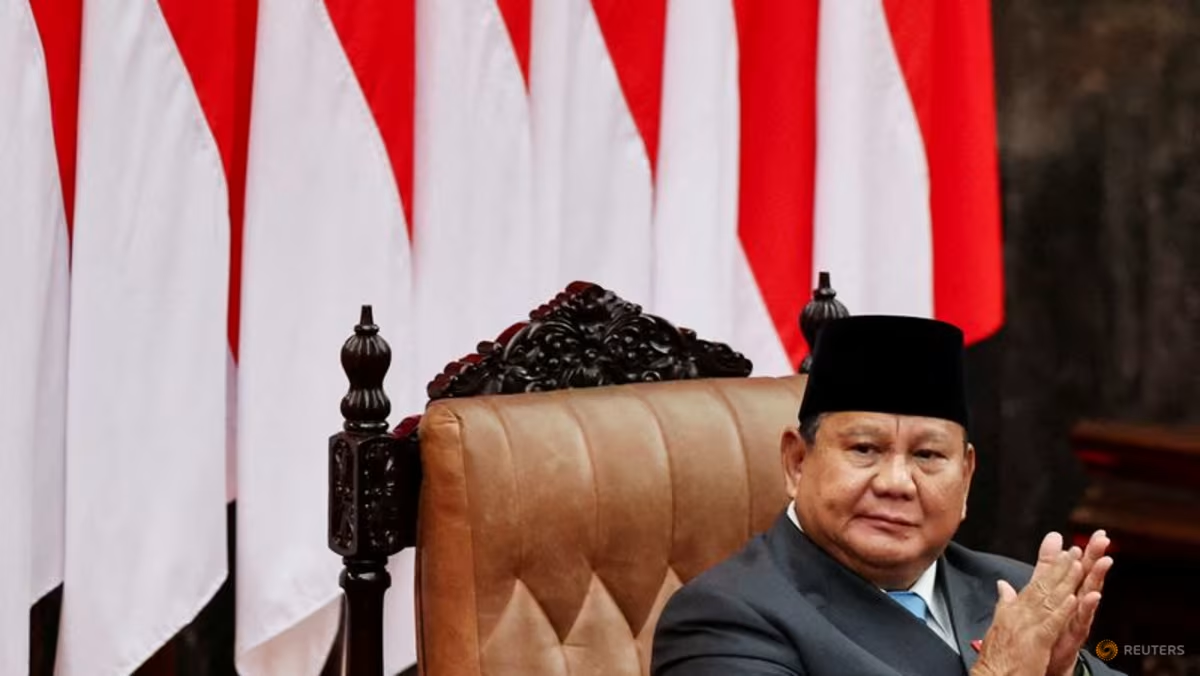
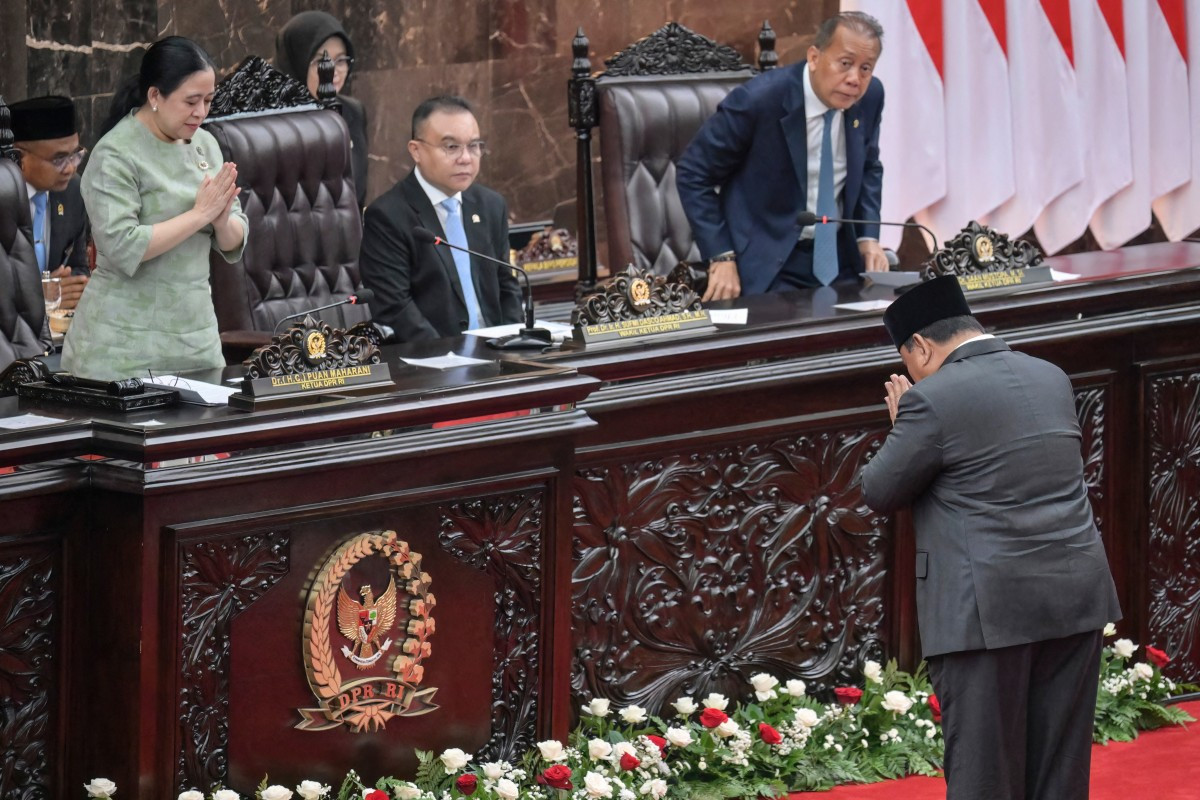
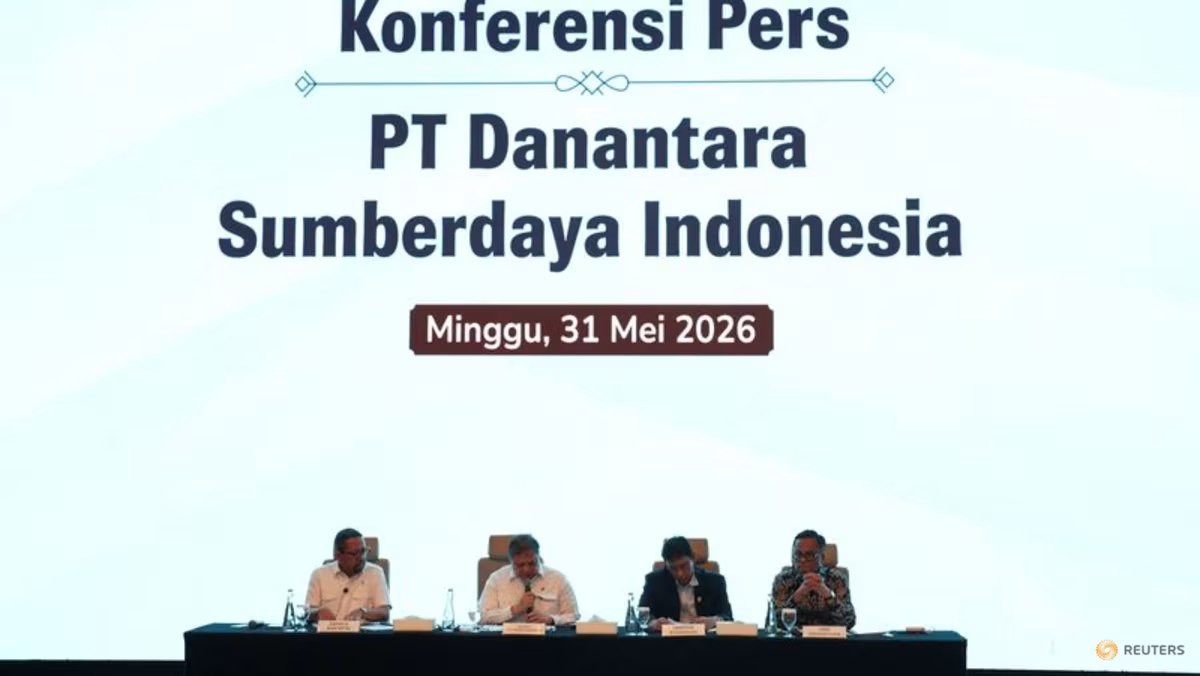
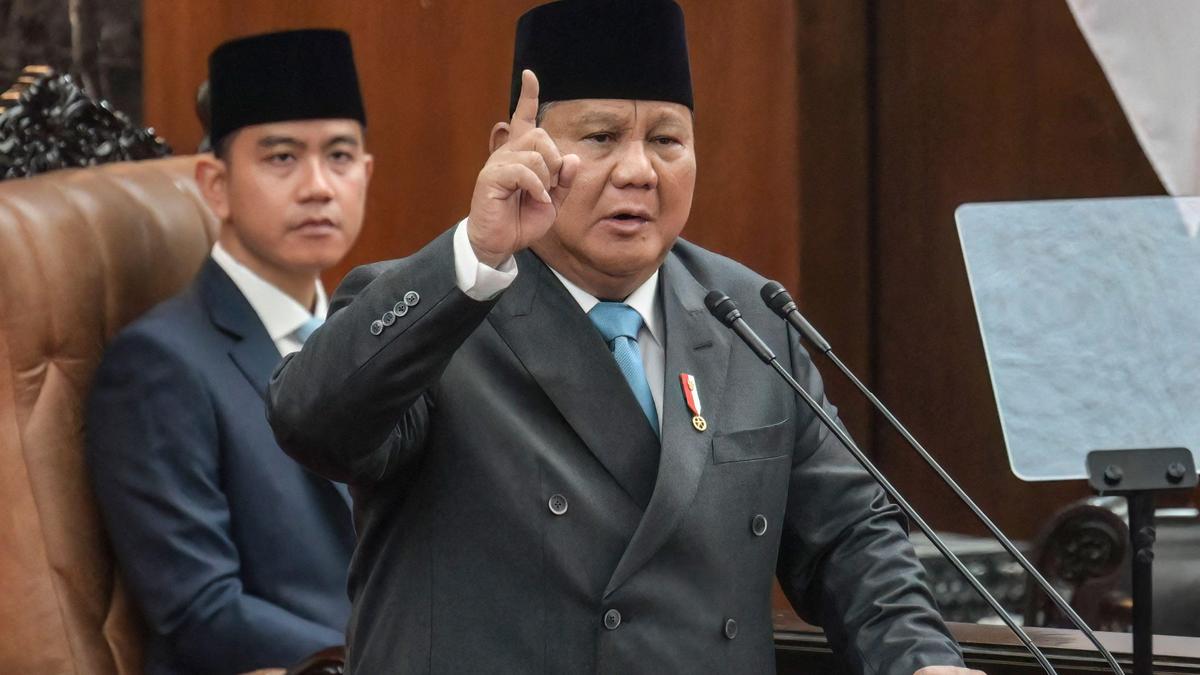
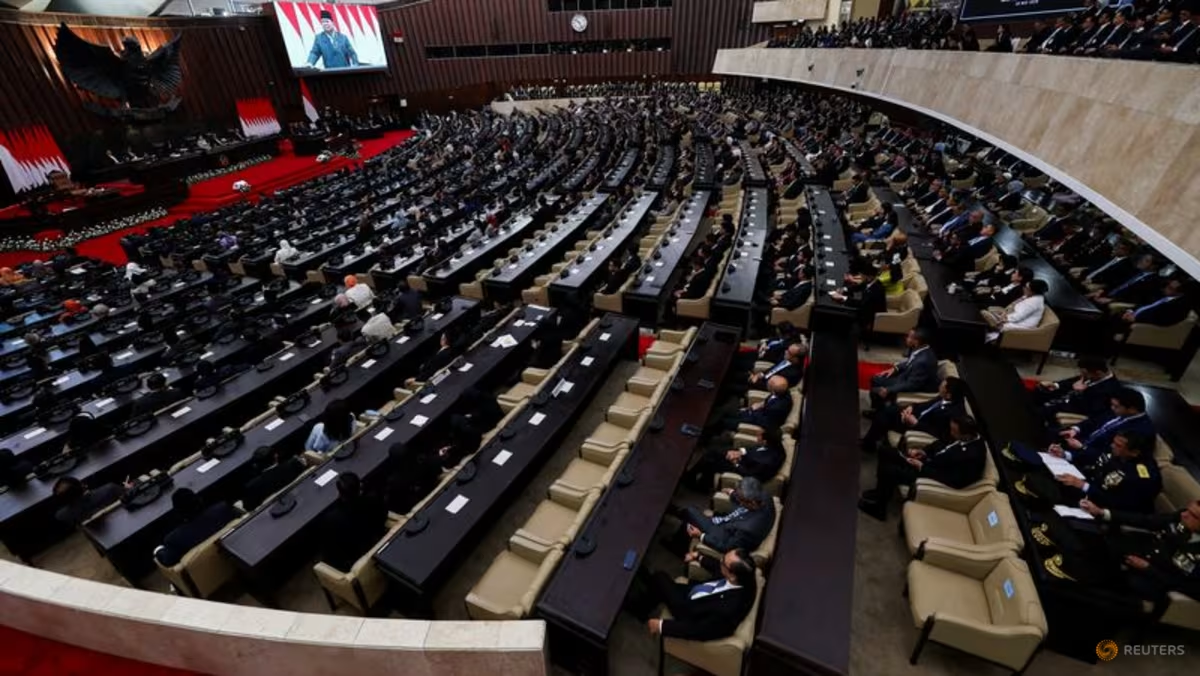
TEMPO.CO, Jakarta - Rows of red numbers flashed one after another across the electronic board in the main hall of the Indonesia Stock Exchange in Jakarta on Wednesday afternoon, May 20, 2026. Shares of commodity-sector companies tumbled in unison shortly after President Prabowo Subianto announced a new policy governing exports of strategic natural resources.The government decreed that exports of several commodities would be centralized through an entity under the Daya Anagata Nusantara Investment Management Agency (Danantara), namely Danantara Sumberdaya Indonesia (DSI). "We will require all sales to go through a state-owned enterprise appointed by the Indonesian government as the sole exporter," Prabowo said during a plenary session of the House of Representatives in Jakarta that morning.The market reacted swiftly. The Jakarta Composite Index (IHSG) plunged 2.43 percent to 6,215.56 by 11:22am local time, shortly after Prabowo concluded his speech. The basic materials index fell even deeper, dropping 6.23 percent, followed by the energy sector index, which slid 4.17 percent.The pressure was unavoidable because the first phase of the single-gate export policy would cover crude palm oil (CPO), coal, and ferroalloys. The government plans to implement the policy in two stages. The first phase will run from June 1 through August 31, 2026, serving as a transition period for exporting companies.Read the Complete Story in Tempo English Magazine