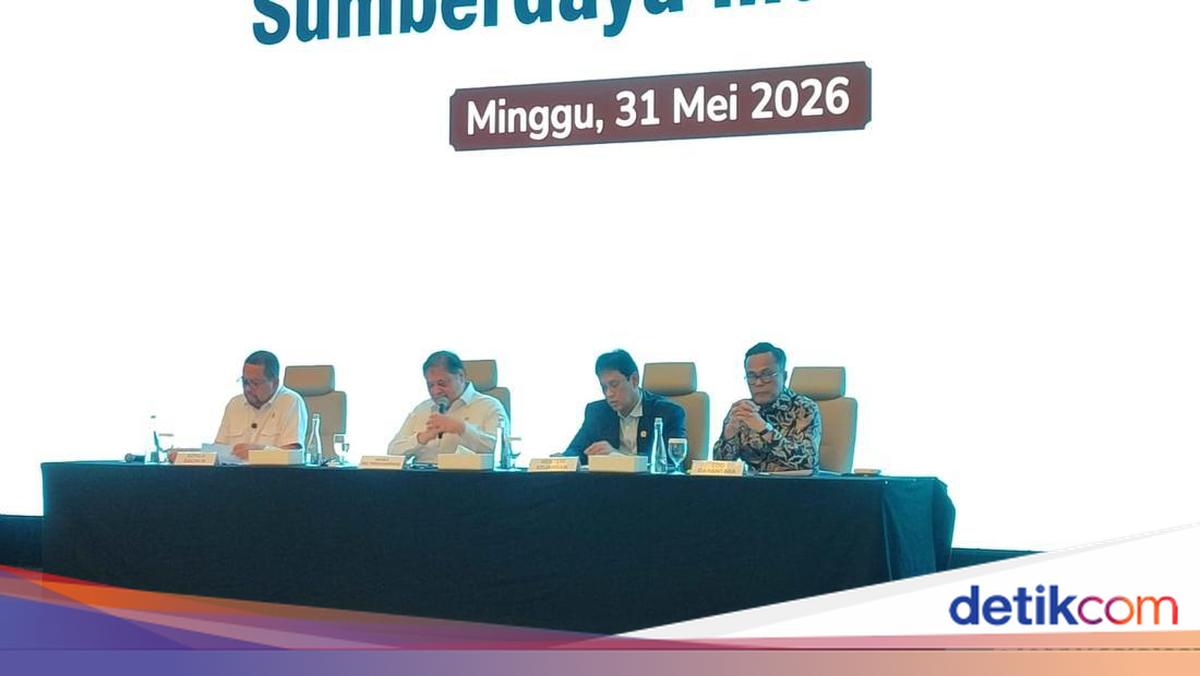
During the transition period, exporting companies are only required to complete an approval checklist in the CEISA 4.0 dialog box as a form of reporting to DSI.
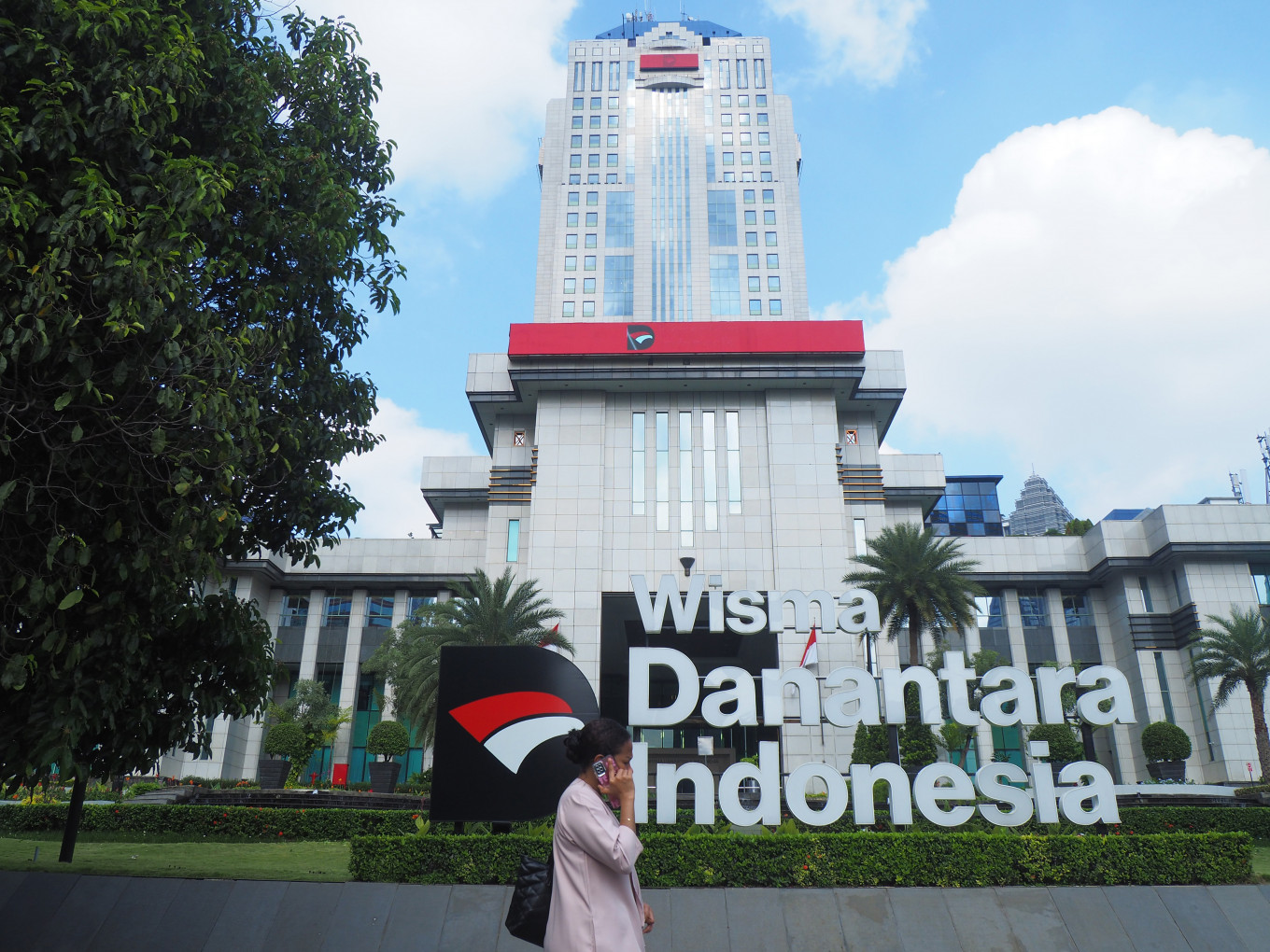
A woman walks past the Wisma Danantara Indonesia building on Jl. Jend. Gatot Subroto in South Jakarta on May 6, 2026. (JP/Iqro Rinaldi)
Despite the government’s assurances that a new digital reporting system for commodity exports will be a light-touch affair during the transition period, the mining industry is withholding final judgment, warning that technical realities often surface only after a system becomes operational.Analysts also warned that creating new agencies instead of strengthening existing institutions, while repeatedly introducing new schemes and changing implementation timelines, risks deepening policy uncertainty and could deter investors from committing capital to the country.
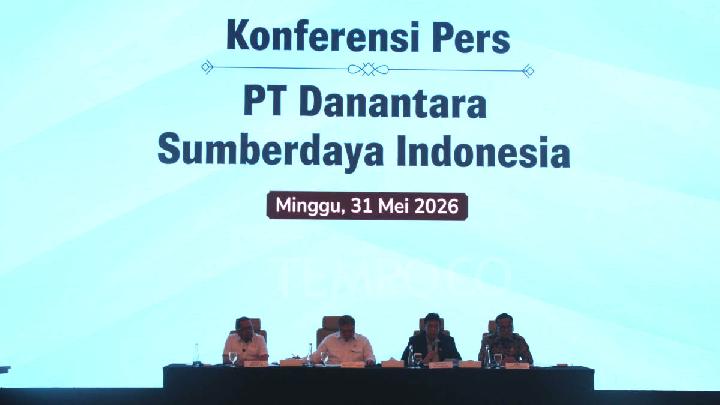
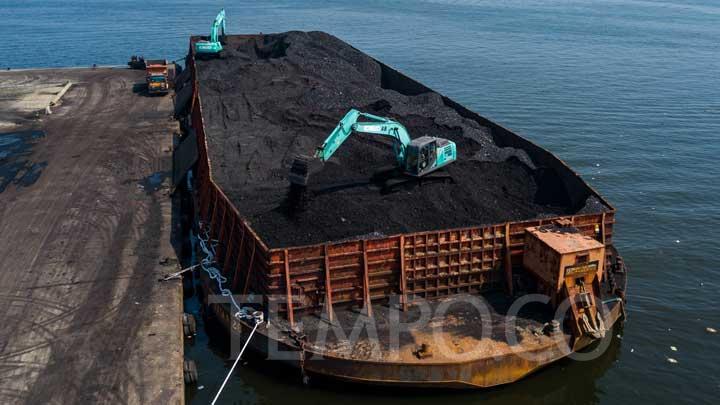
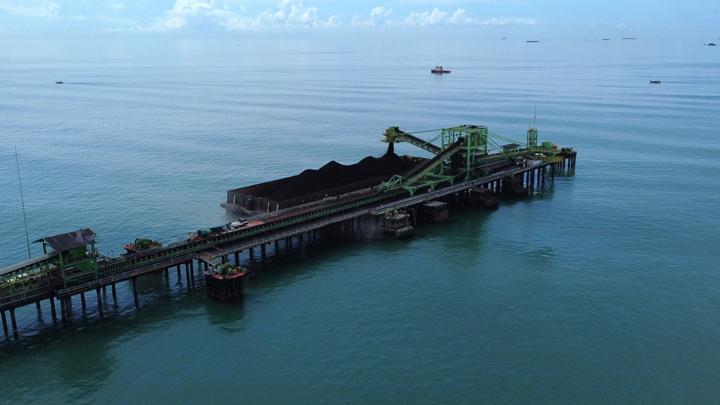
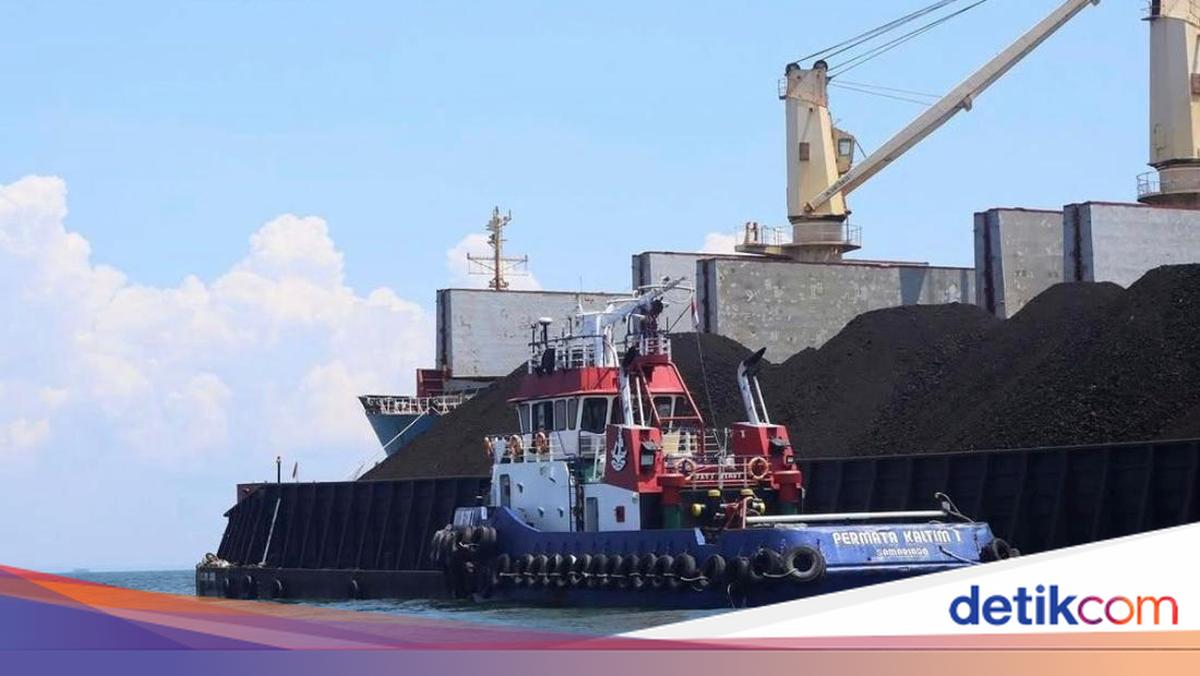
In a sweeping overhaul of the nation’s commodity trade regime, the government has officially begun transitioning to a centralized export system for key commodities, including coal, crude palm oil (CPO) and ferroalloys through newly formed state-owned firm Danantara Sumberdaya Indonesia (DSI), effective June 1.
The initial phase of the policy requires companies to complete an approval checklist within the CEISA 4.0 customs system as a notification to DSI.