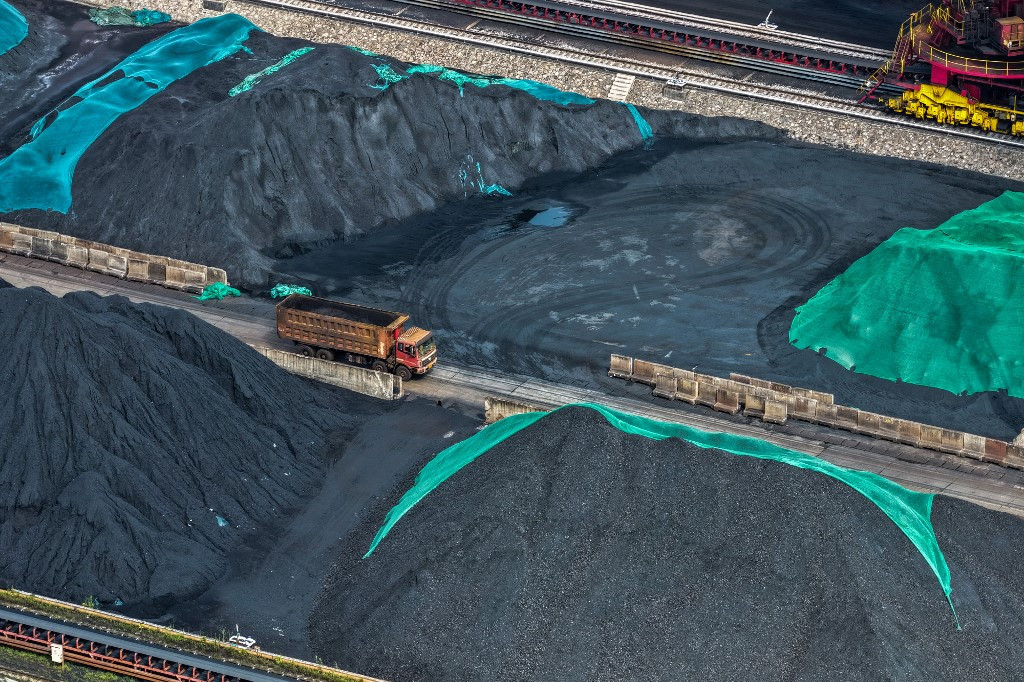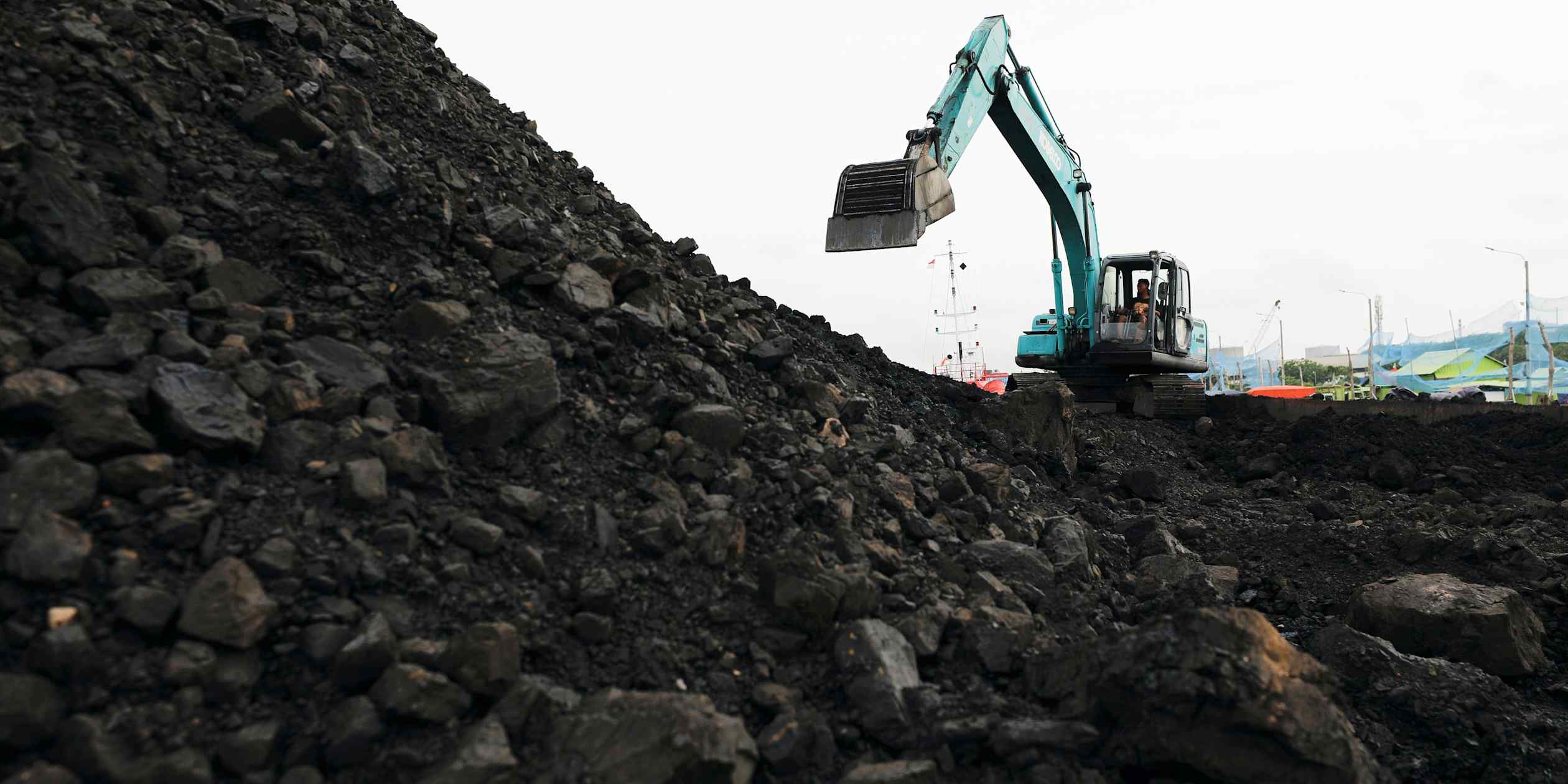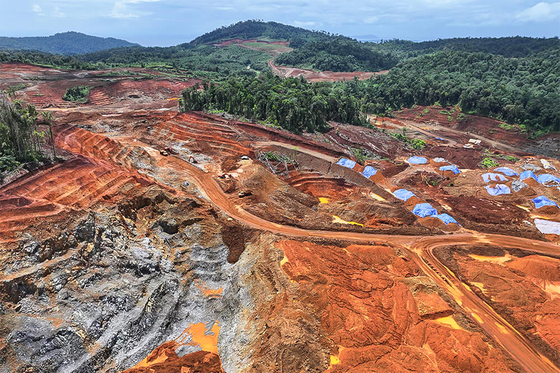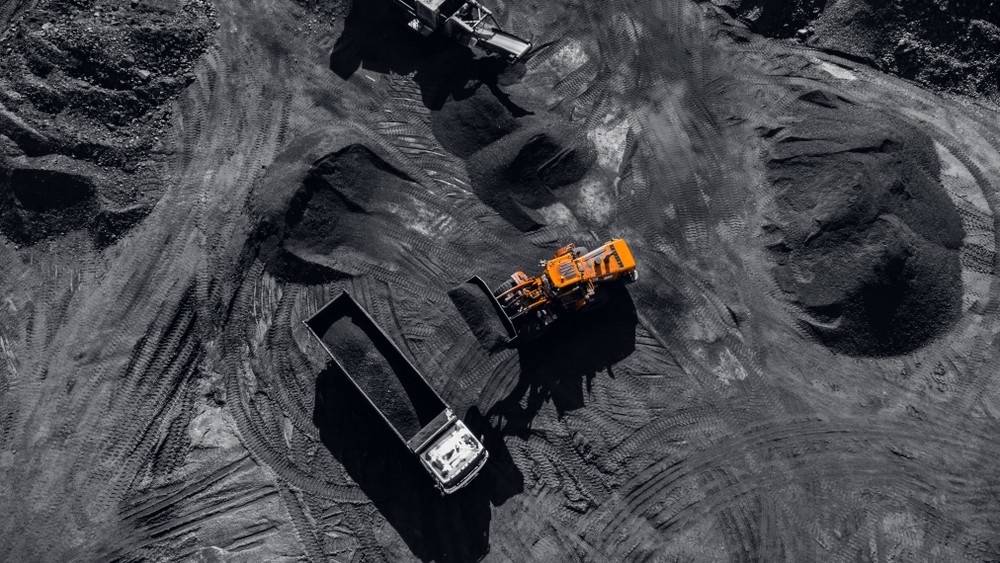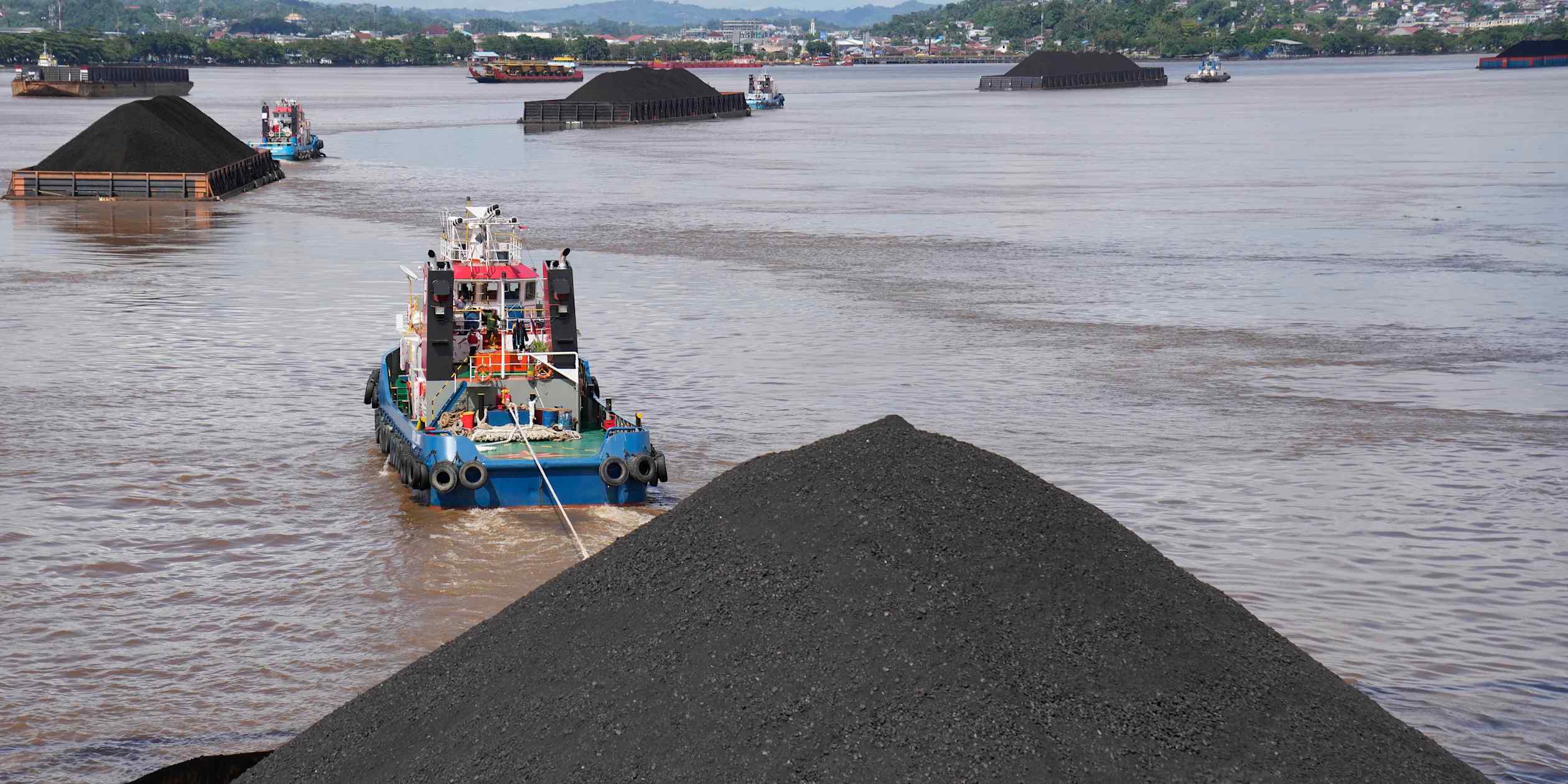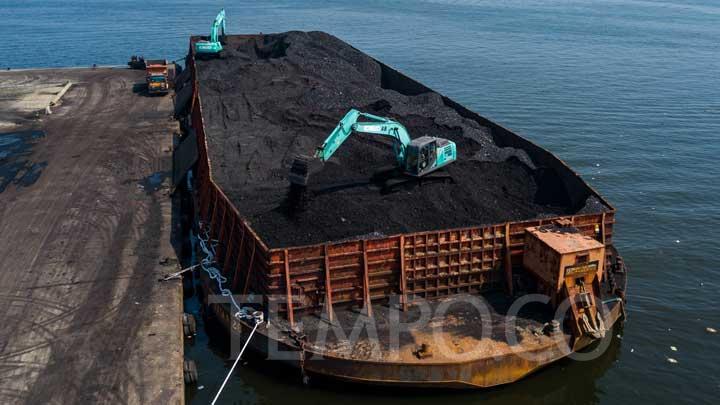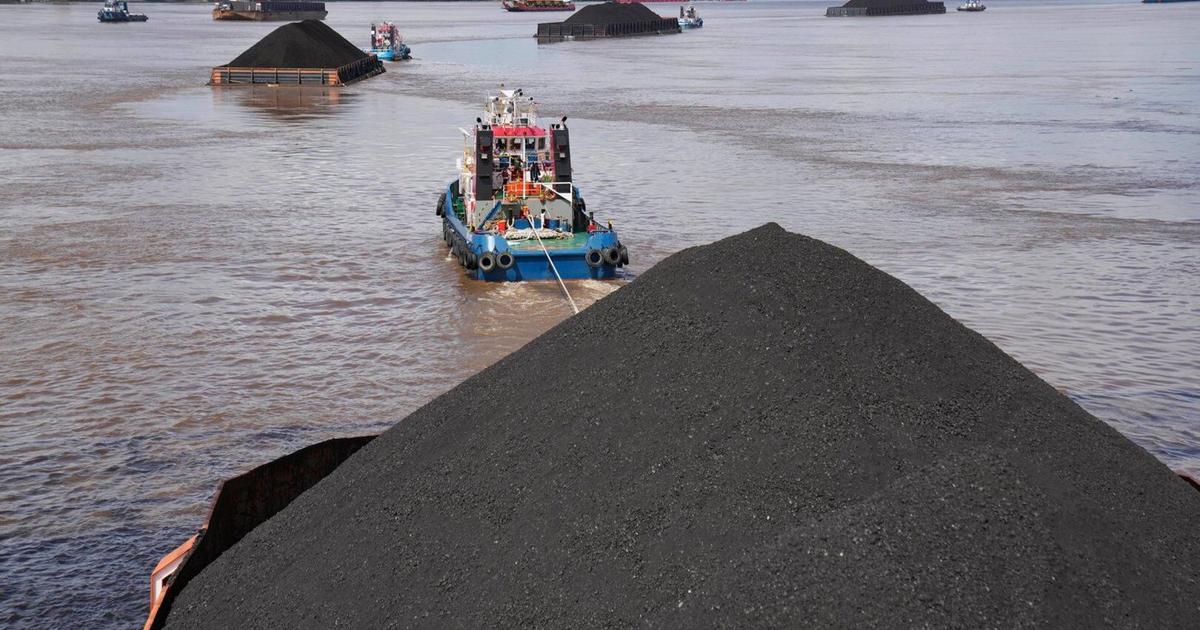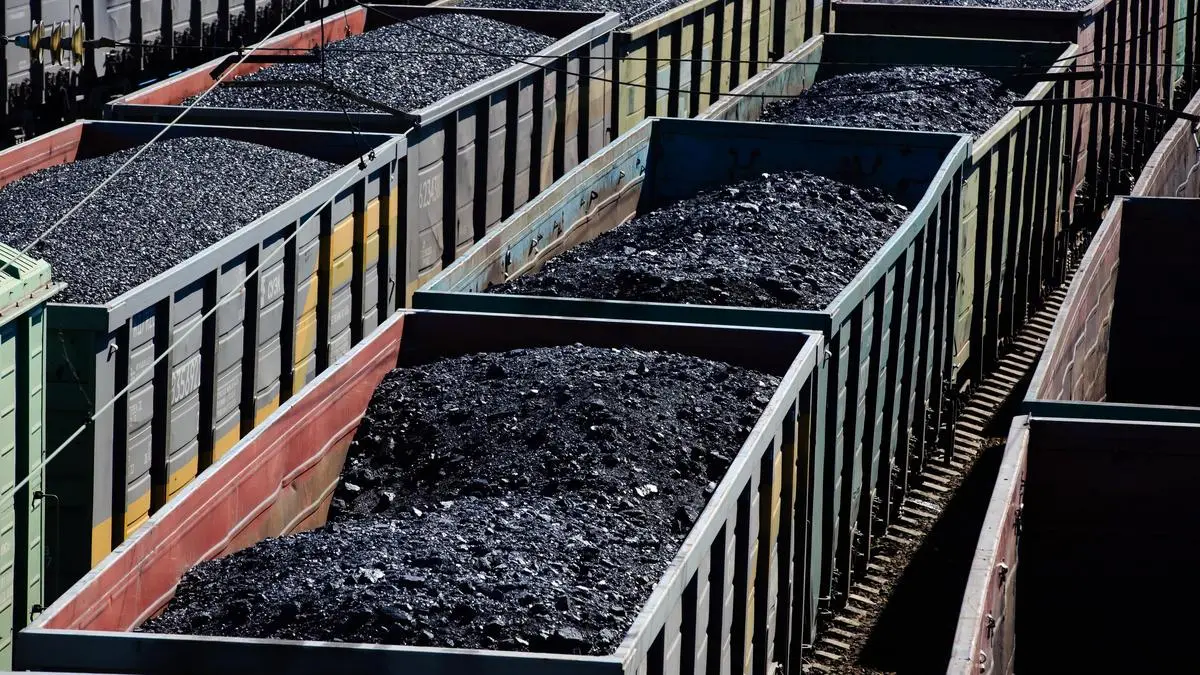
The current geopolitical uncertainty has triggered an energy market disruption that is benefiting coal.No surprises then that the major coal exporting nations are aggressively leveraging the current crisis to maximise revenue, capture market share, and more importantly dictate trade terms, as the Asian and European utilities swivel away from expensive, bottlenecked natural gas.Indonesia’s move to “nationalise coal export activity” has caught media attention. According to reports, Jakarta is moving to become the single selling point for Indonesia’s thermal coal exports. If and when implemented this would end the current mechanism of international buyers negotiating directly with the miners and traders in that country.It aims to centralise exports of natural resources, including coal, crude palm oil and nickel ferro alloys. According to reports, all Indonesian coal exports to foreign buyers will be handled by a single state-owned enterprise (SOE).Should Indian players worry about this move?Historically, Indian power plants and traders have negotiated directly with private Indonesian miners to secure low-cost, low-ash thermal coal. Reports last week said, Indonesian President Prabowo Subianto has said that his government will mandate that exports of palm oil, coal, and ferroalloys be conducted through a state agency, as the country seeks to tighten its control over its natural resources and boost state revenue.Though Indonesia is among the largest suppliers of thermal coal to India, Jakarta’s plans will not fructify overnight. To minimise an immediate trade freeze, the Indonesian government has structured a strict, highly compressed three-month transition window, according to reports.India relies on Indonesia to sustain its grid and vital industrial sectors, making the volume, quality, and logistics of this trade highly critical. Unlike Australia, which sells premium coking coal for Indian steelmaking, Indonesia exports low-to-medium calorific value non-coking coal. This is used exclusively for electricity generation in Thermal Power Plants (TPPs) and kiln-firing in cement factories. Several coastal Indian power plants are designed and configured specifically to run on imported coal mixtures.The Power Ministry routinely mandates utilities to import coal for blending up to 10 per cent of their total fuel mix to safeguard against domestic mine flooding during monsoon seasons.India’s movesIndia must maximise domestic alternatives and widen its supplier base to shield itself from potential Indonesian supply chain shocks, price floor enforcement, and newly proposed export tariffs. India has successfully pushed its domestic coal production over 1 billion tonnes. Coal India Ltd (CIL) is actively working to displace imported thermal volumes by flooding local auctions and expanding production pathways.According to Tracy Shuchart, Senior Economist, NinjaTrader Group, LLC, “India is less exposed to this than the topline numbers suggest.”According to Coal Ministry data, total coal imports fell 7.9 per cent in FY25 to 243.62 million tonnes, saving roughly $7.93 billion in foreign exchange. “The number that matters most for the Indonesian story is buried inside that release.Coal imports for blending by thermal power plants dropped 41.4 per cent year-on-year in FY25 even as coal-based power generation grew 3 per cent. That is the precise demand category Indonesian low CV coal serves, and India already cut it by more than 40 per cent in a single year,” she pointed out.Domestic production crossed 1 billion tonnes in FY25 and the government’s stated target is zero substitutable coal imports by FY26. “On supplier mix, Bancosta vessel data shows Indonesia’s share of India’s seaborne imports fell from roughly 60 per cent in 2024 to 40.3 per cent in the first nine months of 2025, with Russian and South African cargoes hitting record highs to replace Indonesian volumes,” Shuchart said. The government must be credited for working towards a policy to safeguard against such policy disruptions.“If Jakarta’s single SOE model creates supply disruption or enforces price floors above market, India accelerates a substitution already well underway. The buyers genuinely cornered by this policy are the Philippines and Bangladesh, where Indonesian dependency runs much deeper,” she said.India’s structural import exposure is coking coal for steel, where the country still imports roughly 90 per cent of needs, but those cargoes today mostly come from Australia and the US, not Indonesia, she said.‘Strategic’ resourcesThe proposed move by Indonesia reflects a growing trend of resource nationalism across commodity-exporting economies, where governments are seeking greater control over pricing, revenues, and strategic natural resources.Mexico and Chile are tightening state control over lithium, and oil-producing nations are using state entities to influence hydrocarbon production and pricing.Energy and mineral resources are increasingly being viewed not just as commercial commodities, but as strategic national assets linked to economic security and geopolitical influence.This may improve tax revenues and national bargaining power, but it also creates execution risk, say critics. The success of this policy will depend on whether it can be implemented without disrupting shipments, politicising allocations, scaring buyers, and making coal pricing less transparent.The Coal Ministry estimates that overall domestic coal demand will scale up to 1.5 billion tonnes by 2029-30. Major Indian buyers of Indonesian coal are divided into two groups: conglomerate power producers that burn the coal directly in their coastal mega-plants, and specialised commodity trading firms that import the coal in bulk to distribute to mid-sized domestic industries.Indian procurement strategies will have to pivot heavily toward alternative origins, such as Australia or South Africa, or sharply accelerate domestic coal production.Published on May 27, 2026
Countering resource nationalism
Indonesia’s move to channelise coal exports through a state entity must make India calibrate its energy strategy
868 words~4 min read