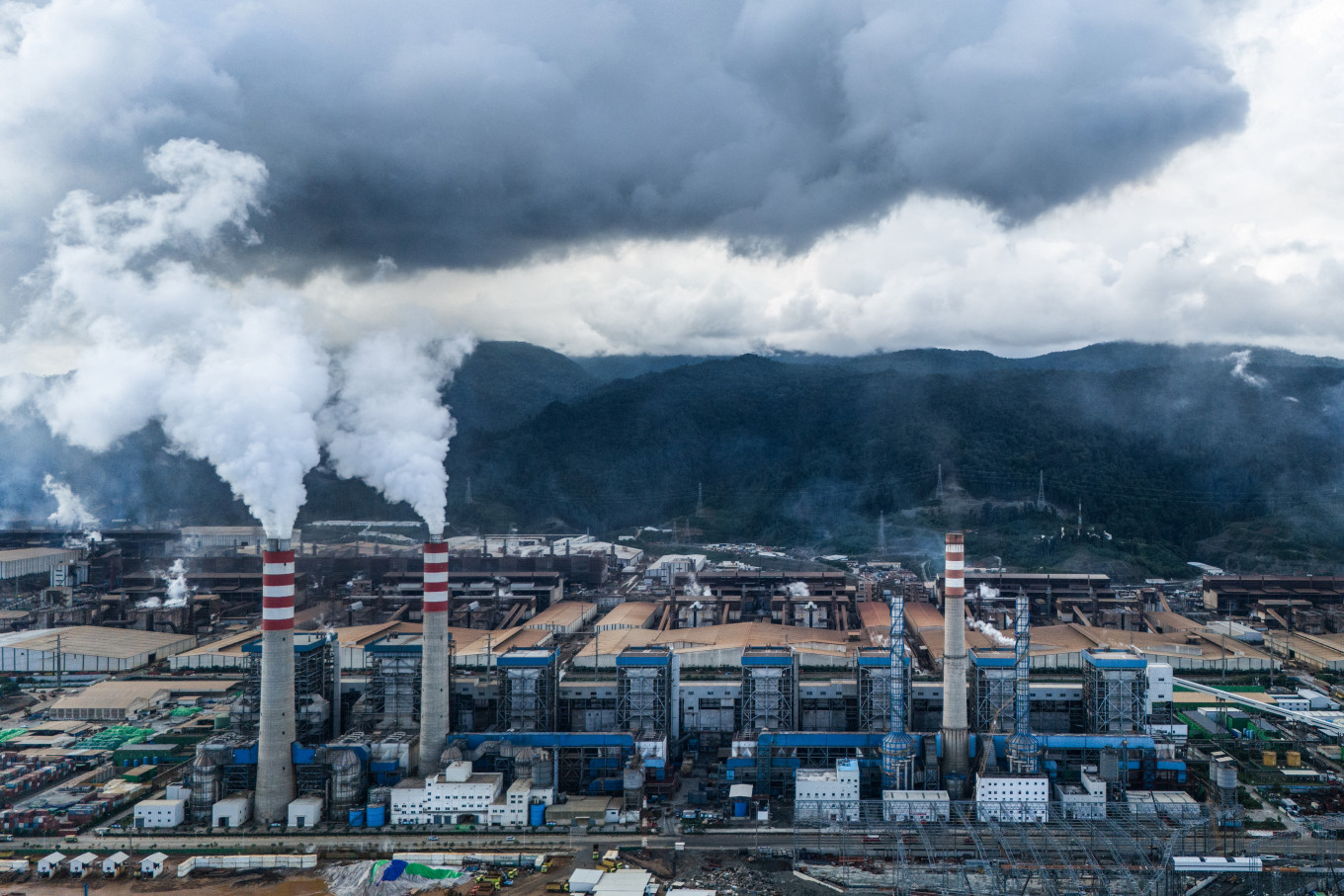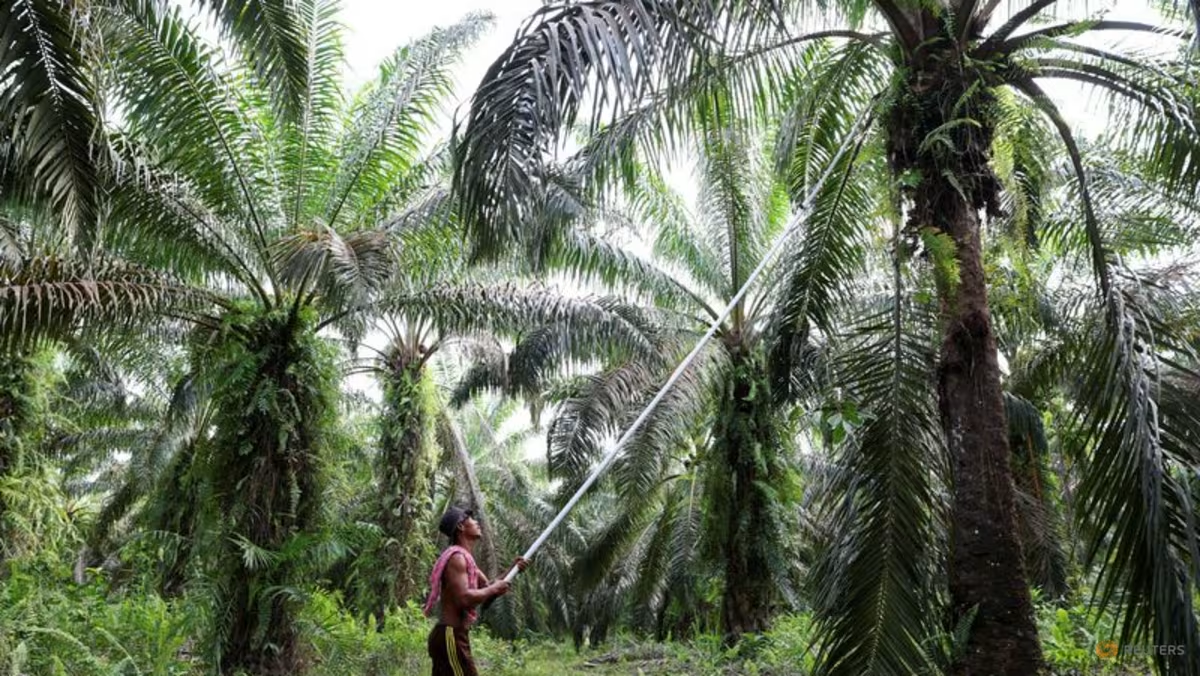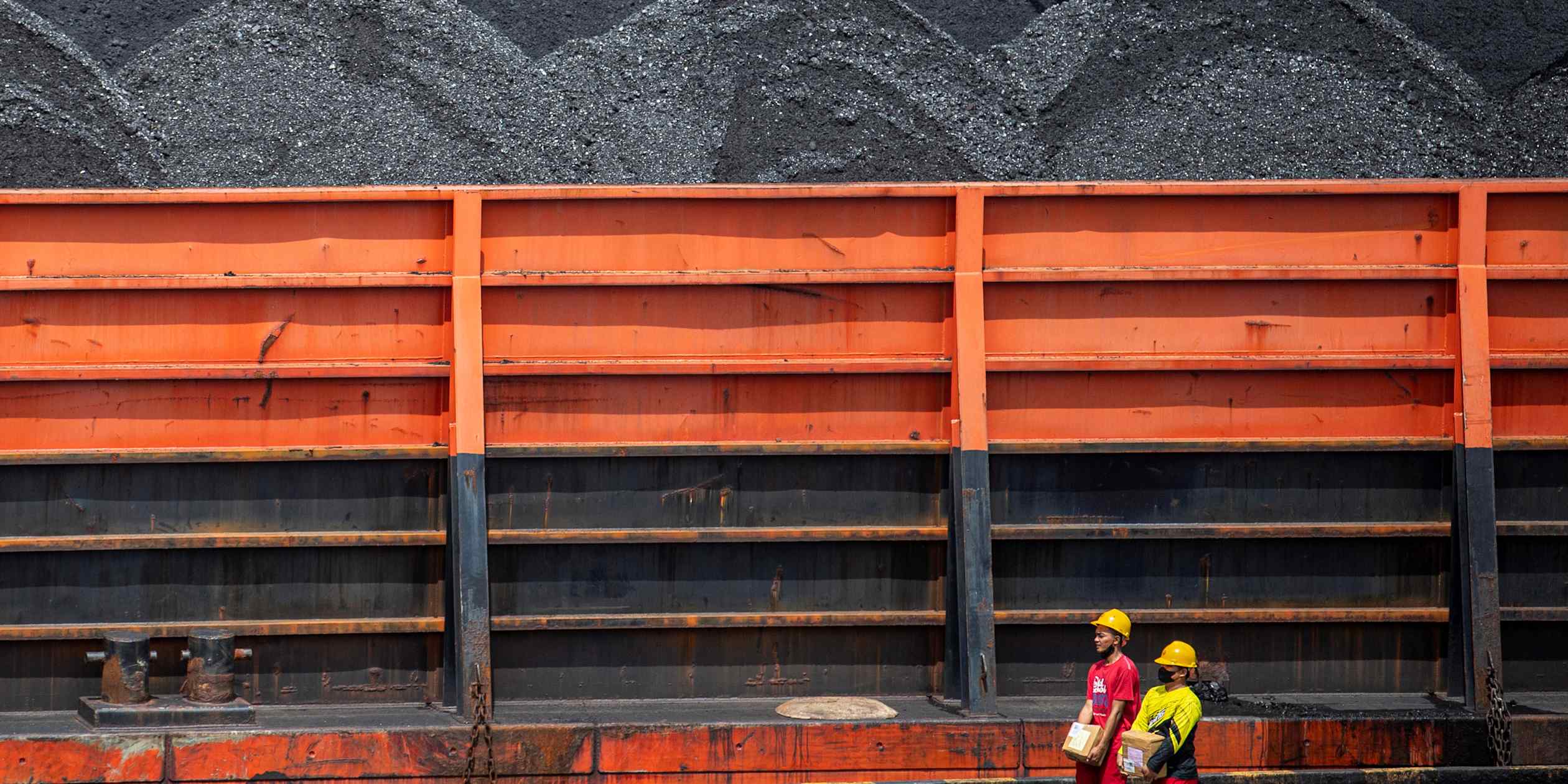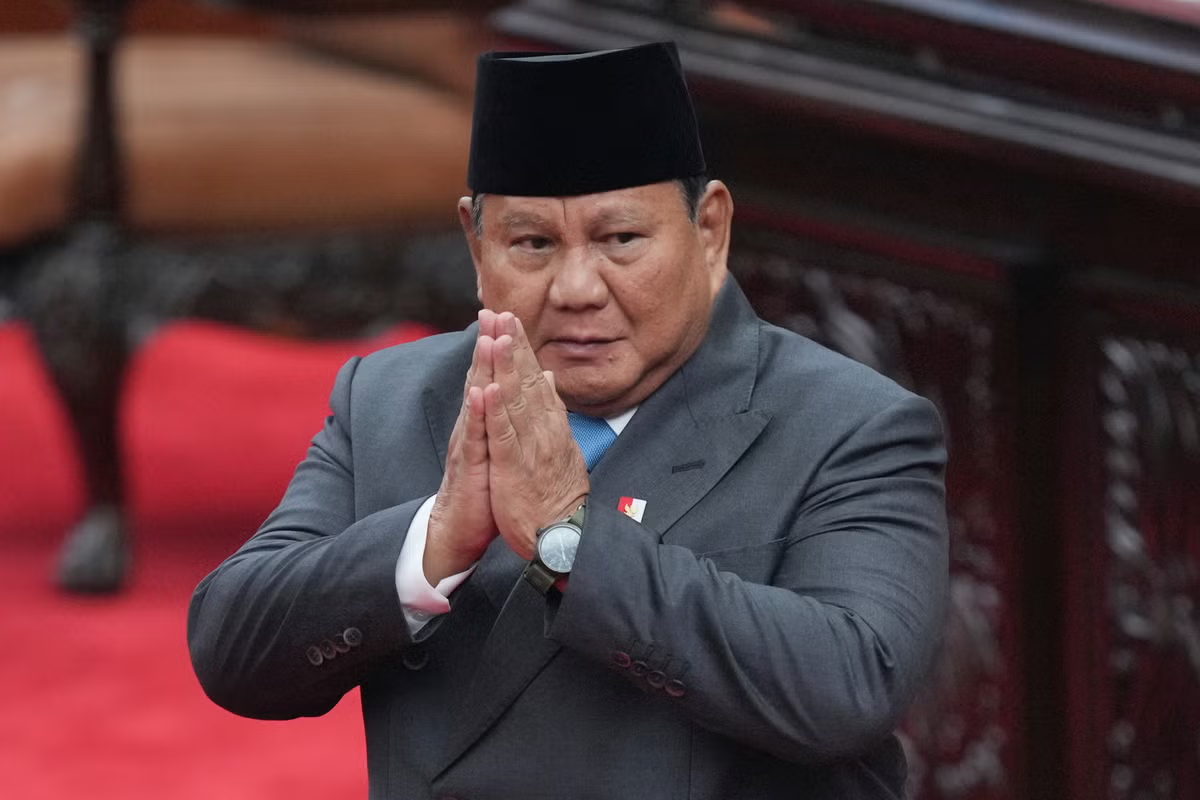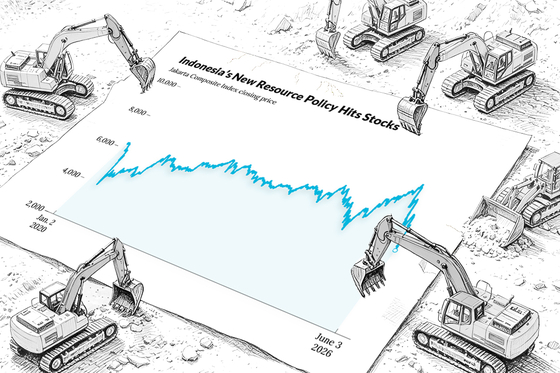
Indonesia is scaling back a controversial proposal to centralize the export of its strategic commodities, after buyers and exporters raised concerns, The Straits Times has learned.Instead, the authorities will impose tighter monitoring on exports of key commodities to prevent exporters from understating shipment values and evading taxes, two government officials told ST.
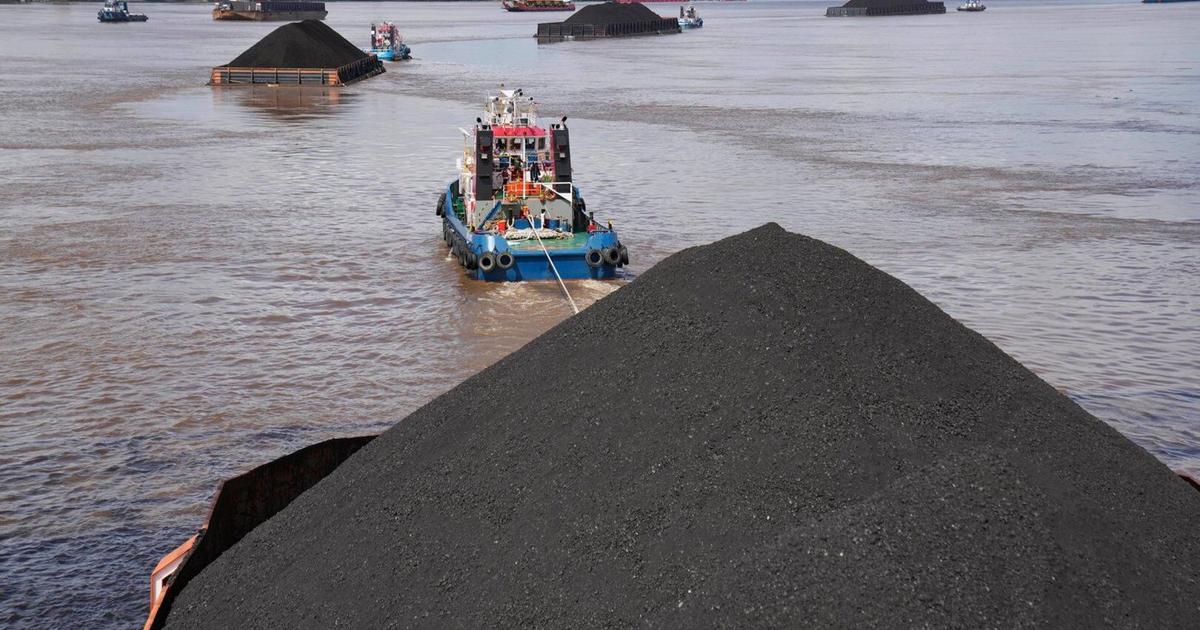
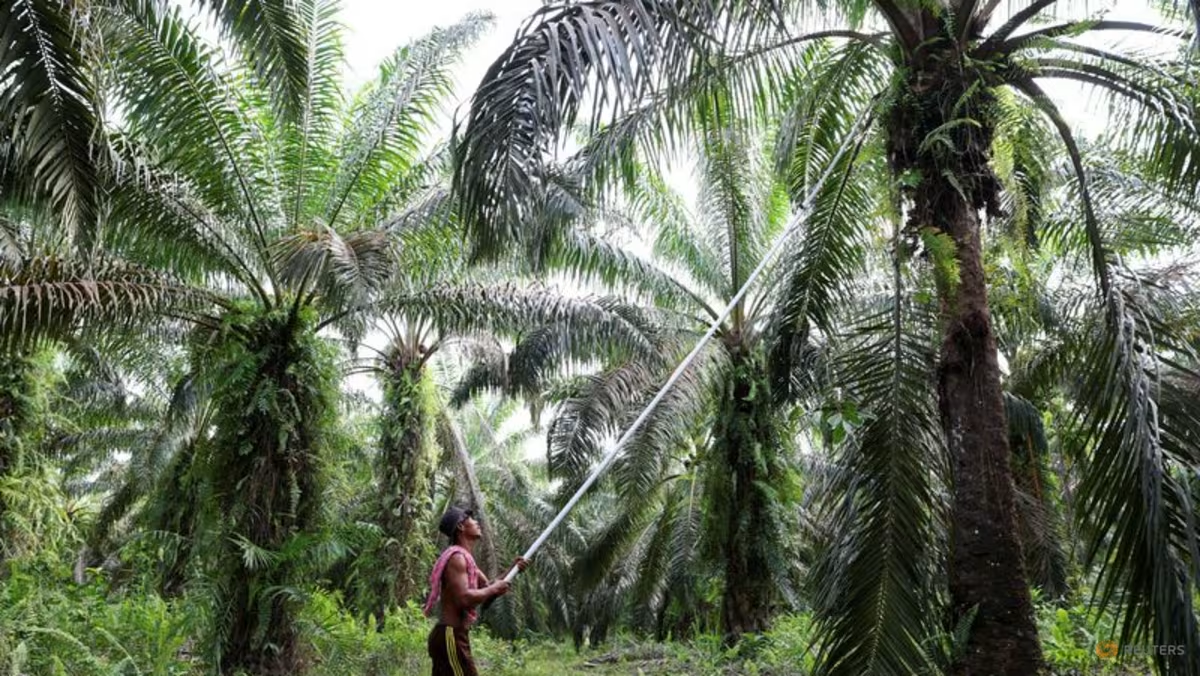
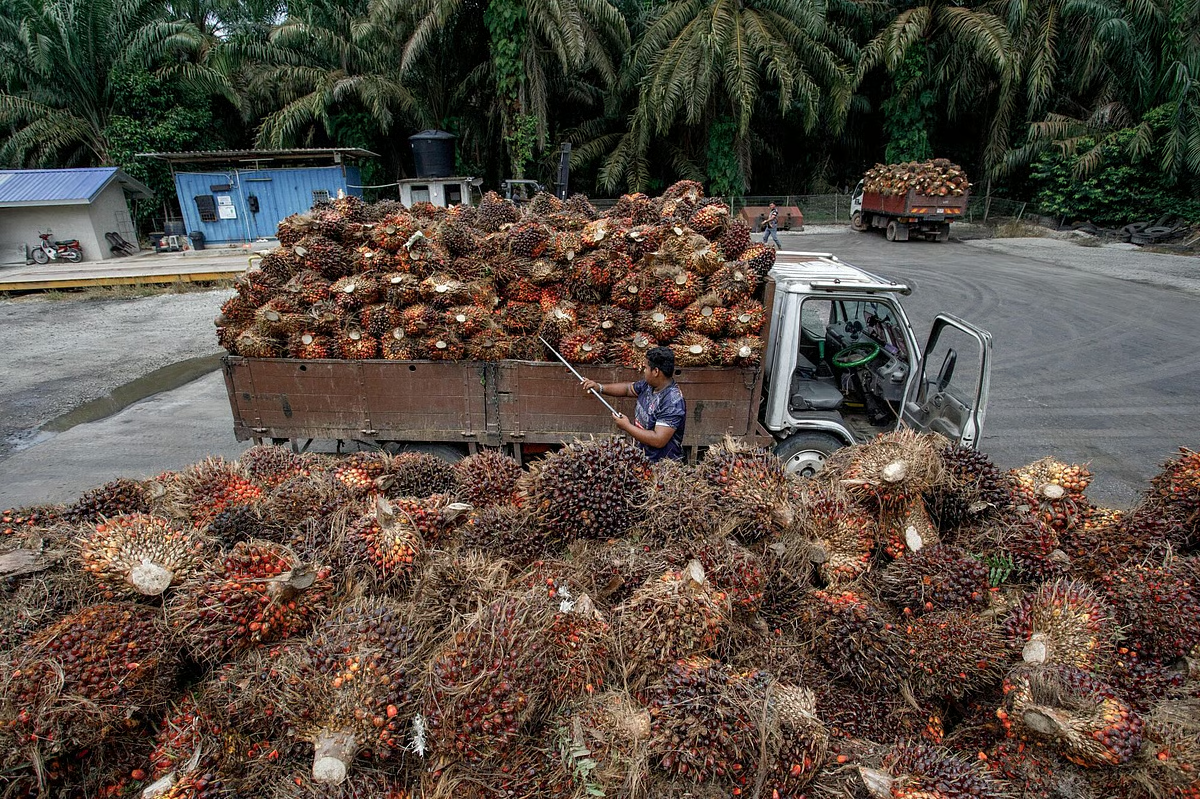
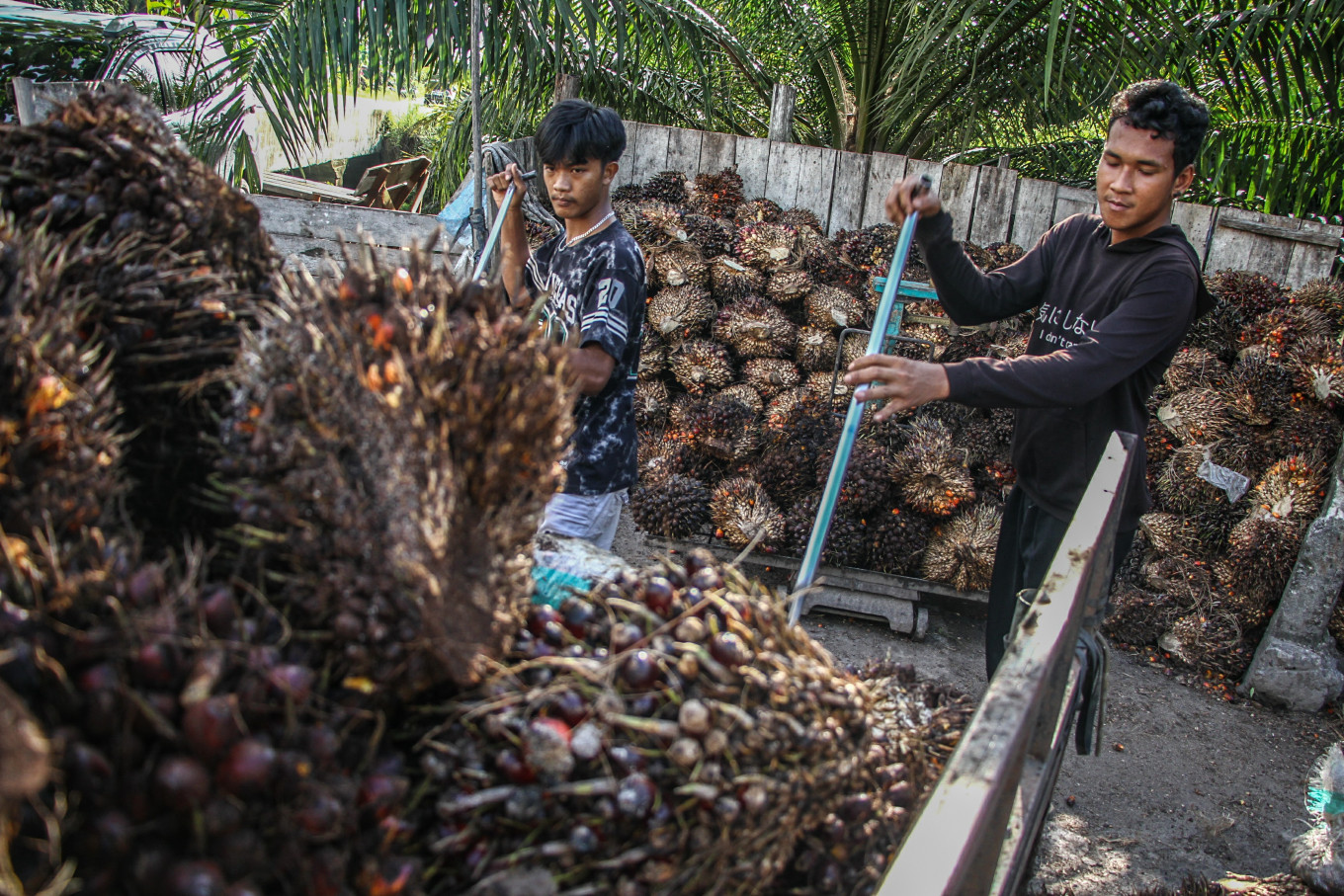
The shift marks a retreat from an earlier plan that would have channeled overseas sales of commodities such as coal, palm oil and ferroalloys through a state-linked entity, a proposal that sparked concerns over market disruption and tighter export control.
But Indonesia is not going ahead with such restructuring, said the officials, who spoke to ST on condition of anonymity.
One official said Indonesia will instead impose tighter monitoring on exports to prevent under-invoicing – an illicit trade practice in which exporters deliberately understate the value of shipments on official trade documents to evade taxes, reduce royalties and shift profits offshore.
“We will establish a transparent pricing methodology. If an export price is deemed too low, we will require exporters to revise it,” the official told ST. The system is intended to ensure export prices align with prevailing market rates, preventing goods from being sold below market value.