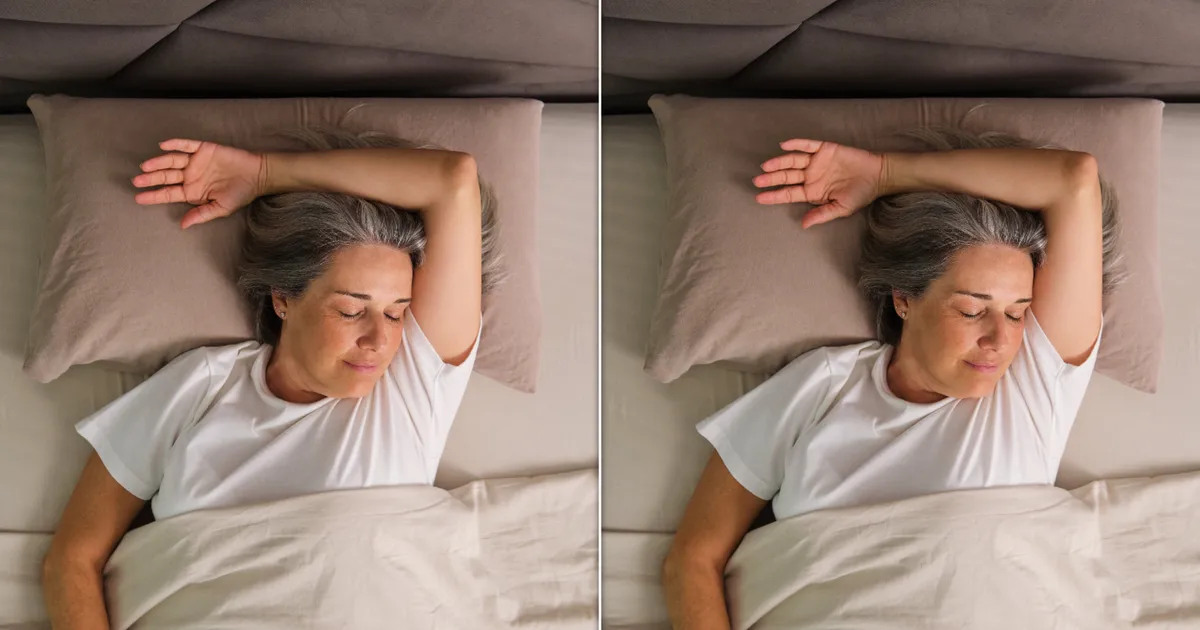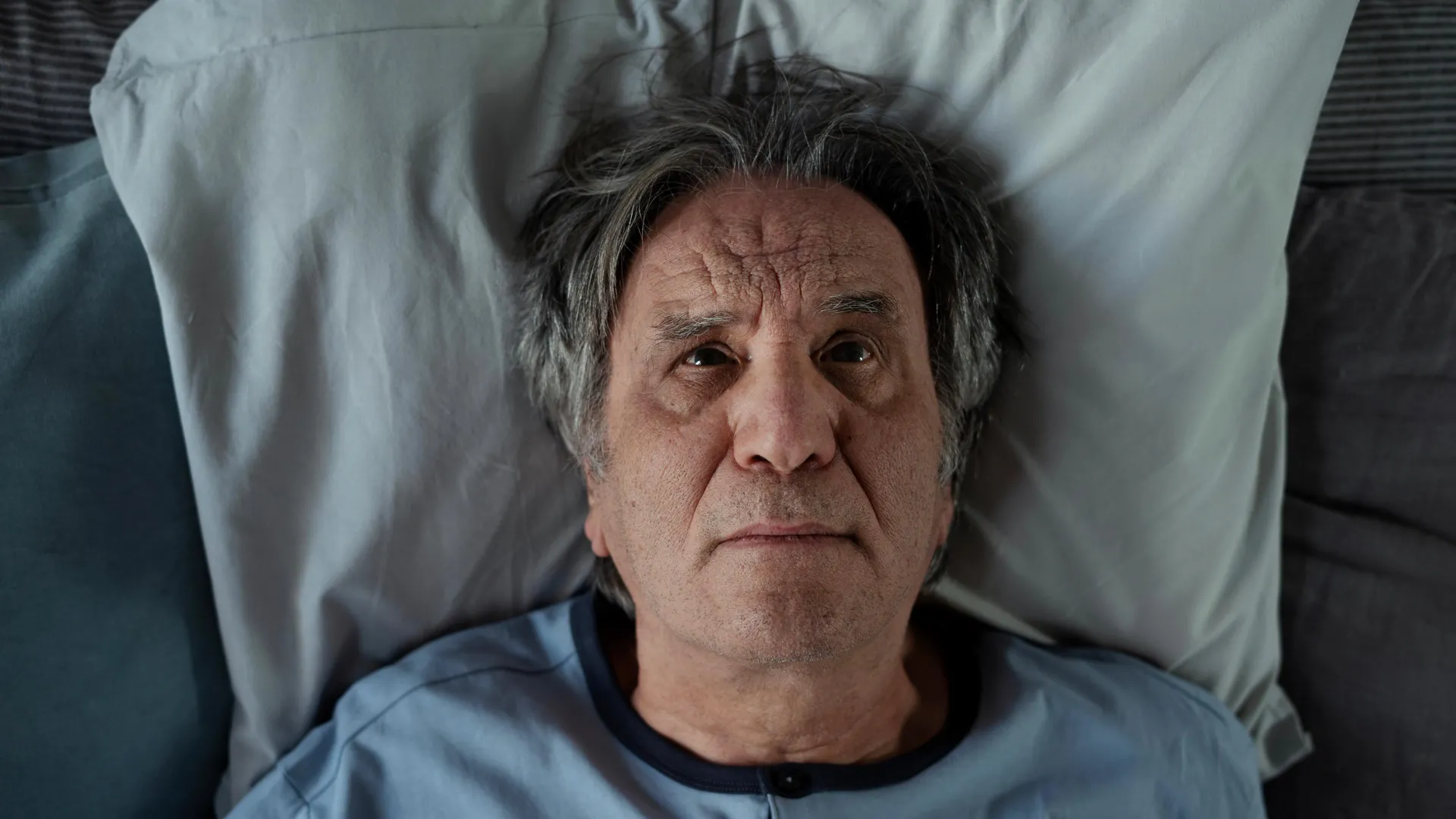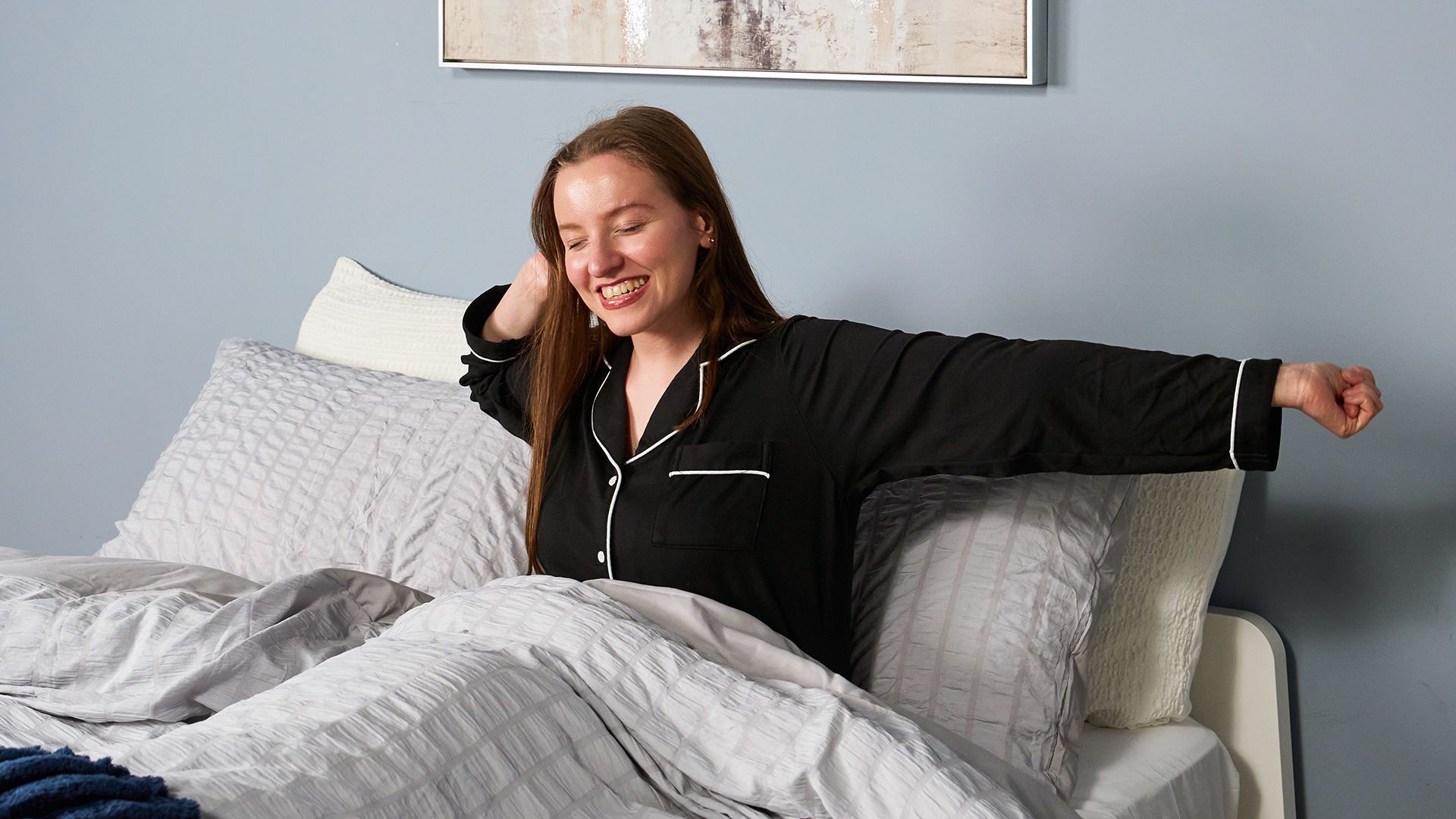
Ever woken up from a bad night's sleep feeling like you've aged a decade overnight? It's not just in your head, as recent research suggests that regularly under or over-sleeping can accelerate markers of biological aging.A study published in Nature found that the sleep duration sweet spot to slow biological aging sits between 6.4 and 7.8 hours. Sleeping less than six hours or more than eight hours a night, however, is linked to a broad range of health risks, including brain, heart and muscular aging.If you're struggling to hit that sweet spot, researchers note that sleep duration is a "modifiable" factor; so we asked the experts what simple changes can help you start sleeping more (or less, as the case might be.)Key takeaways: At a glanceGetting under six hours of sleep is linked to broad health issues including cardiovascular disease and poor immune responseOver eight hours of sleep is associated with chemical imbalances in the brain, including depression and ADHDScientists identify the sweet spot as between 6.4 to 7.8 hours sleep a nightAs sleep duration is a modifiable metric, improving sleep hygiene can potentially lead to slower biological agingA set sleep time and wake time are expert back ways to create a regular sleep scheduleWhat is the sleep sweet spot?Researchers analyzed the data of roughly 500,000 participants in the UK BioBank to measure the correlation between sleep duration and biological age markers.The results showed a "U-shaped" pattern, with spikes occurring at either end of the sleep duration spectrum. Sleeping under six hours or over eight hours were both linked to faster biological aging.
Scientists say this is the exact amount of sleep you need to slow biological aging so we asked an expert how to get it every night
Under- and over-sleeping can both speed up aging but with these easy tips you can nail the sleep-time sweet spot
1,058 words~5 min read