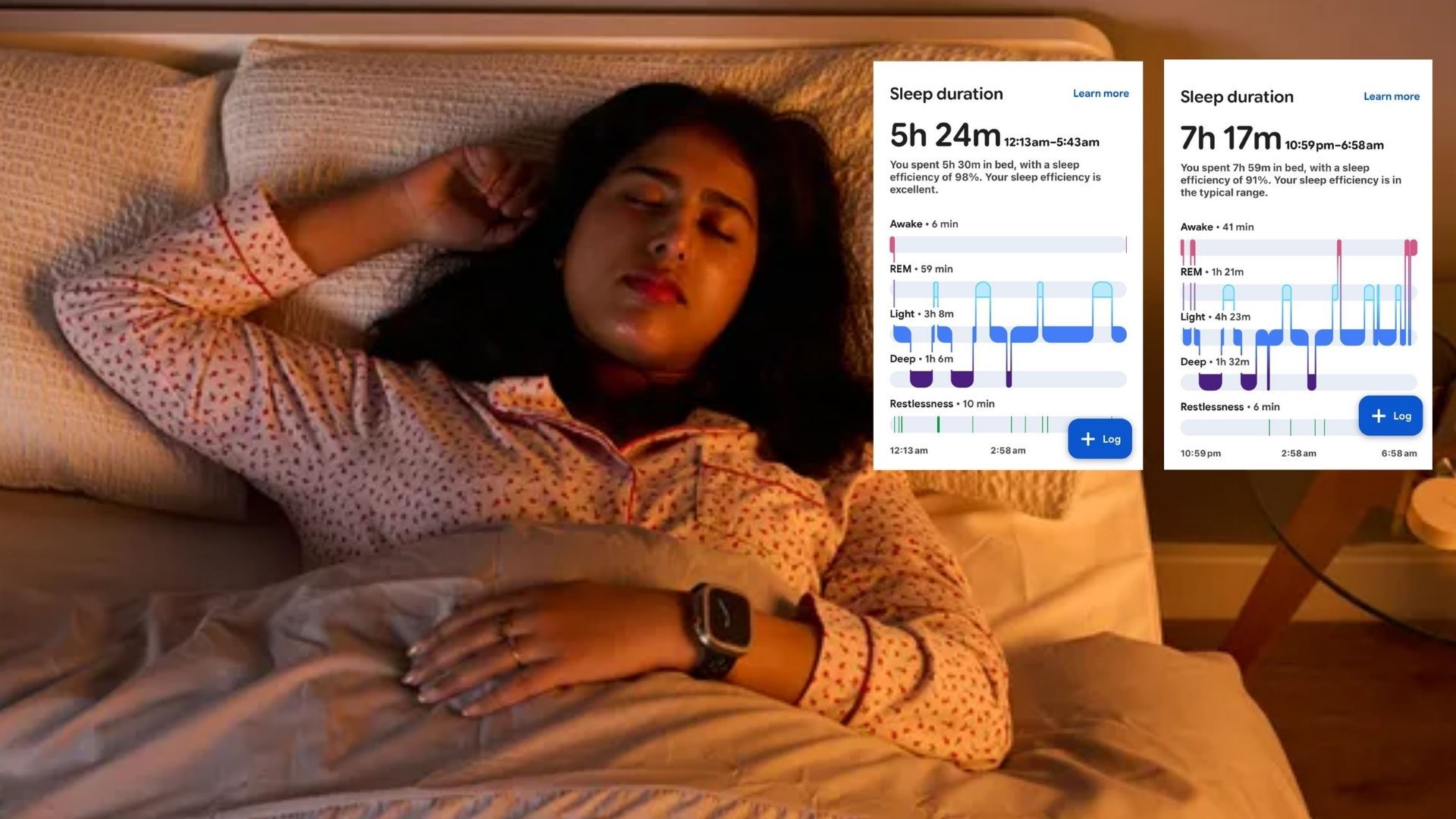
Research out this month says you should aim for between 6.4 and 7.8 hours a night. But if you’re getting that granular about shut-eye, you’re overthinking it
H
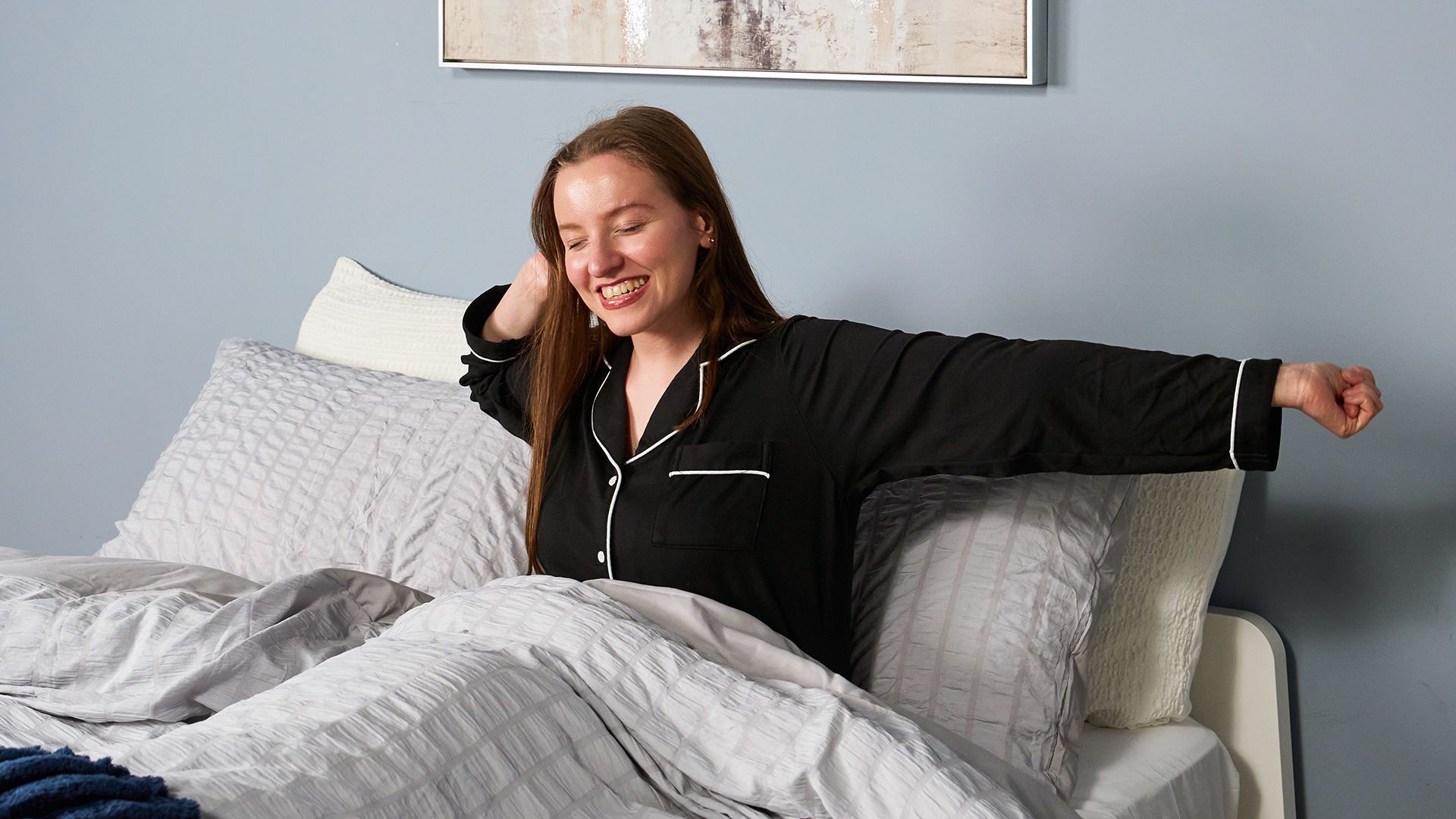
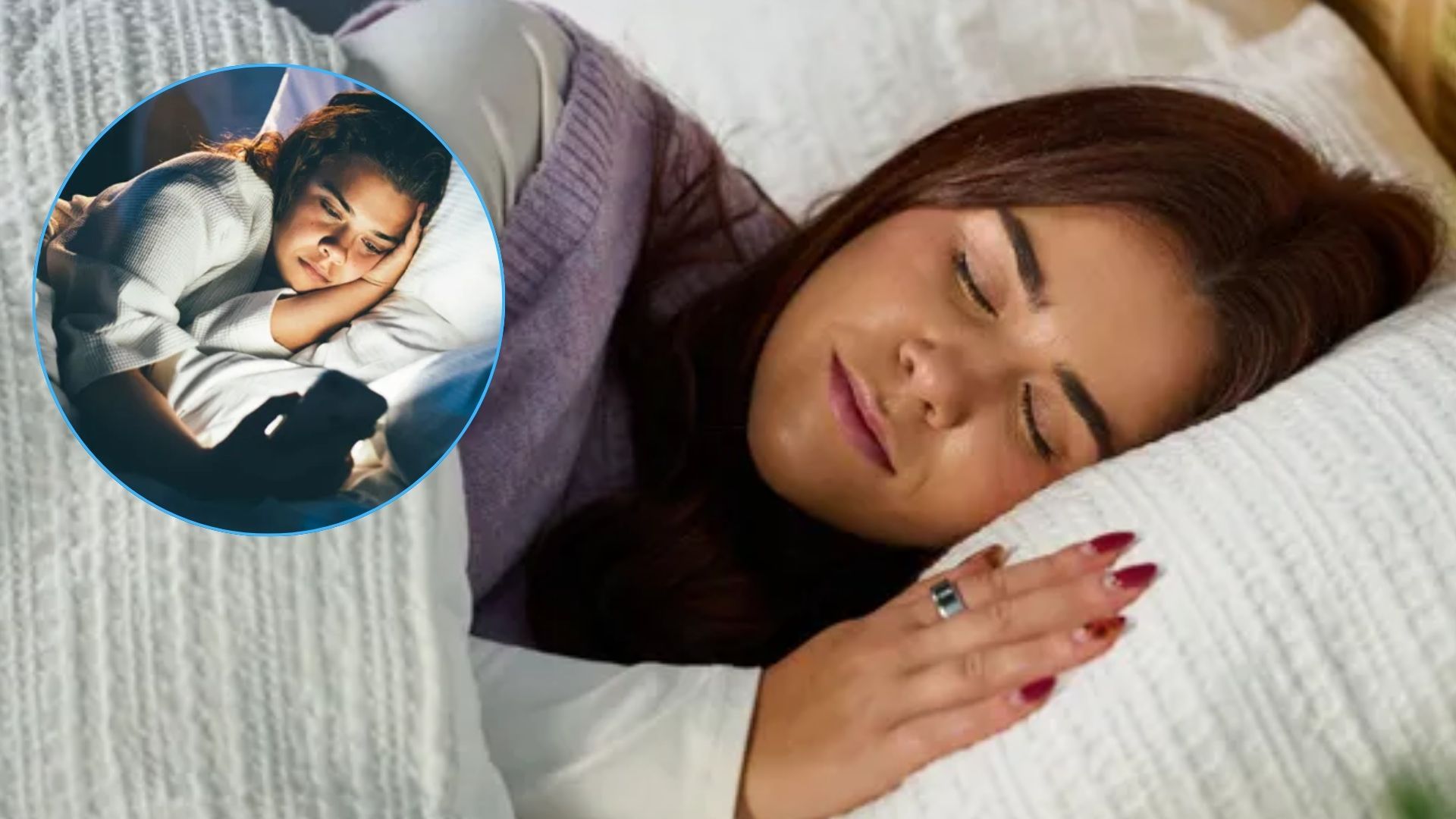
ow did you sleep last night? Did your smartring congratulate you on 8.5 sleepmaxxed hours in a cool, blackout-dark room after two hours’ withdrawal from blue light and “devices” and 480ml (per this month’s Vogue) of tart cherry juice? You follow all the advice and it works! Good for you, smuggo, but maybe you’re getting too much sleep.
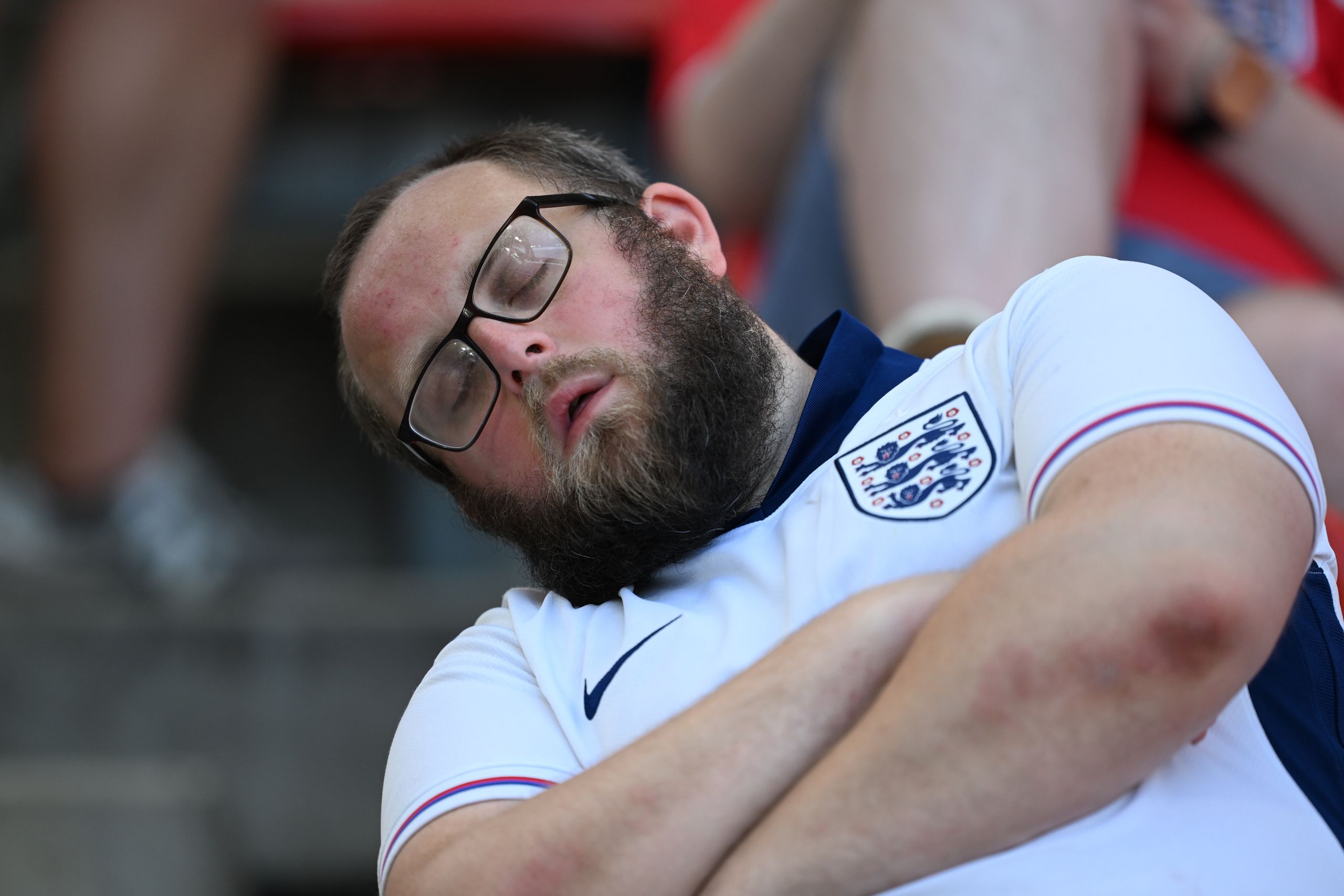
Research published in Nature this month suggests we probably need fewer than eight hours, while excess shut-eye is associated with accelerated ageing of your organs, in the same way that getting too little is. Using data from the 500,000-strong volunteer UK Biobank, the study gets granular on how much sleep is optimal: between 6.4 and 7.8 hours. (Women need marginally more than men; maybe patriarchy makes us six minutes wearier.)
It’s a tiny victory for people for whom eight hours is a quixotic (waking) dream, but having access to such specific information has other implications. The study lead, Junhao Wen, explained to the Washington Post that the findings provide “guidance” and are not prescriptive, but good luck getting that message to the longevity crew or orthosomniacs (people who obsess about perfect sleep, usually enabled by wearable technology). I bet sleep trackers will soon be administering electric shocks once the wearer hits their optimal hours, maybe accompanied by a recorded message: “Warning, your organs are prematurely ageing!” The immortality guru Bryan Johnson is probably being prodded awake by a prototype as I type.