(Image credit: Future)
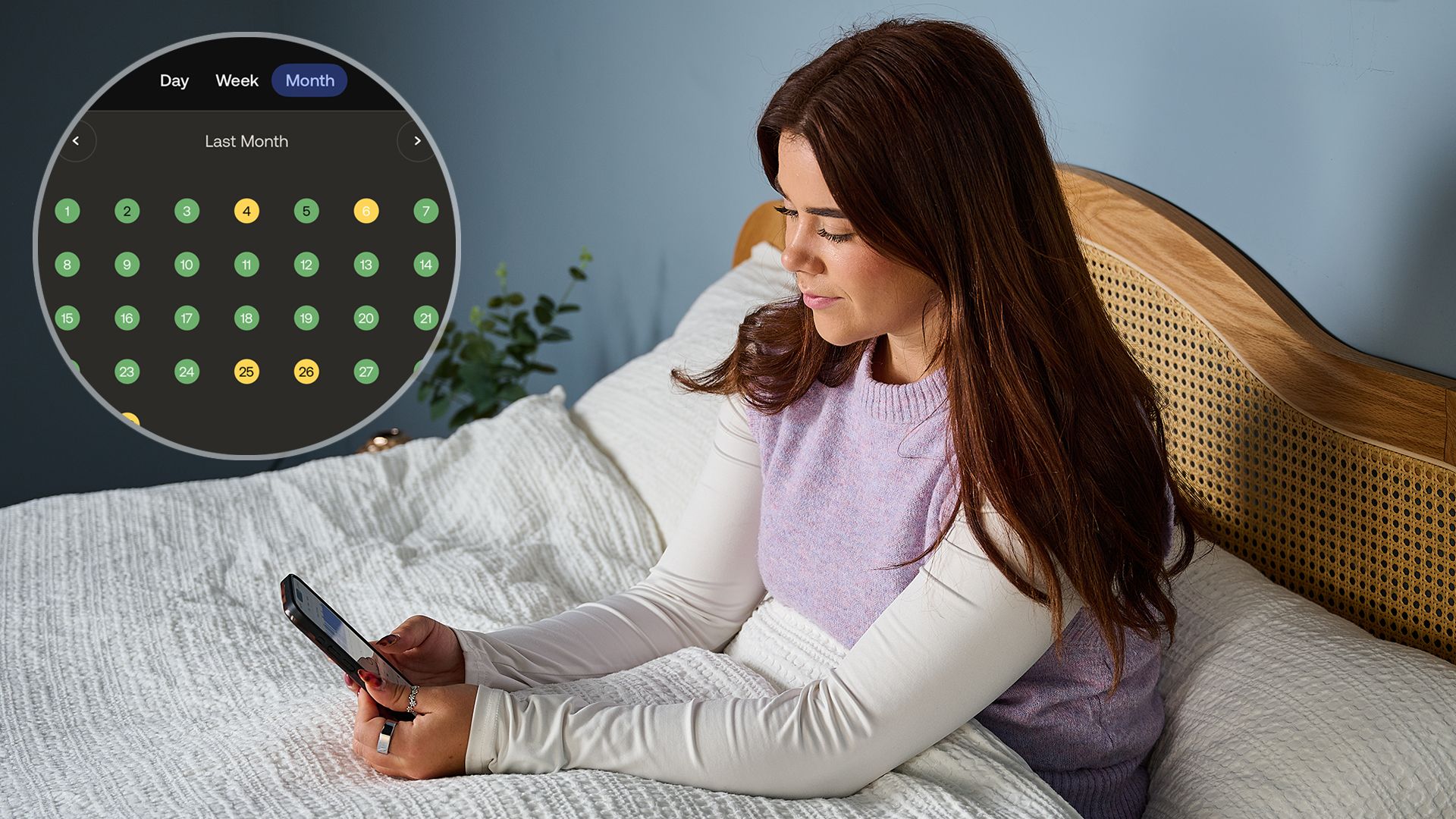
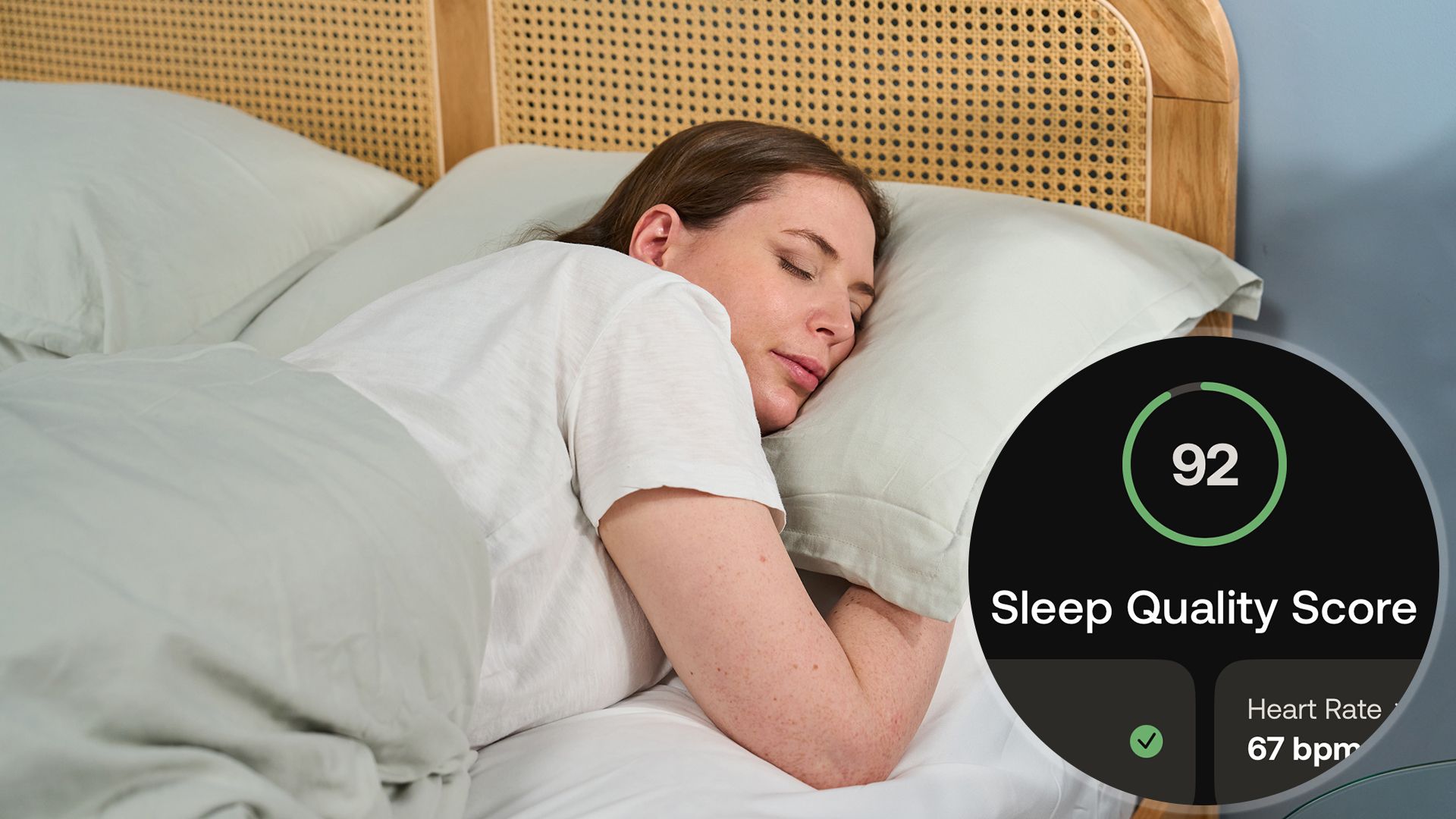
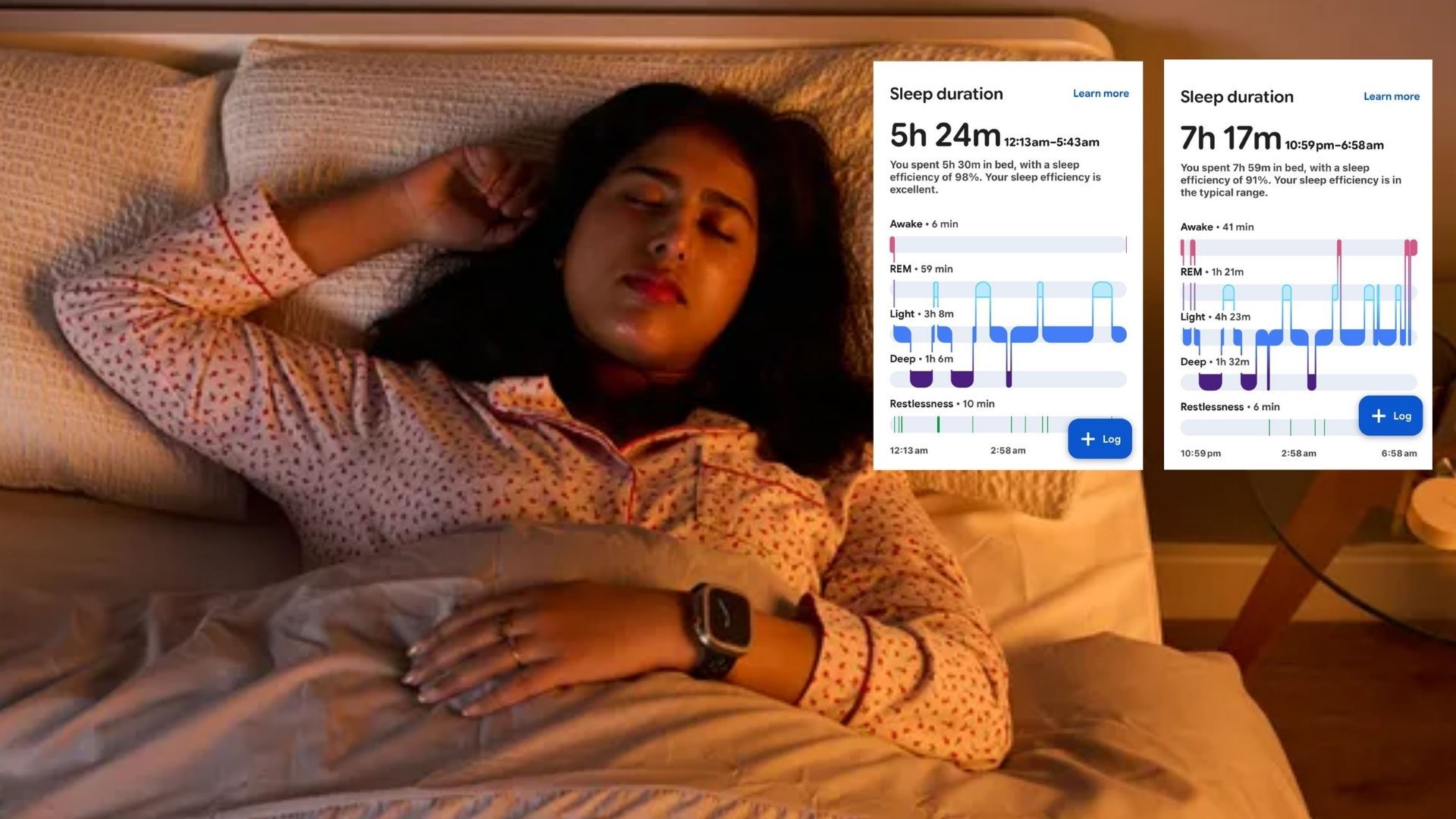
What if I told you there's a way to boost your longevity that doesn't involve red light, cold plunges, or quaffing superfoods? In fact, it's something we can all do for free: keep a regular sleep schedule.My sleep tracker is always urging me to get to bed on time and, judging by two major new studies published this year showing that sleep regularity is a crucial aspect of ageing better, it's clear that my sleep tracker is looking out for my long-term health.Below, we'reeve looking at what is a sleep regularity (also known as sleep consistency) sleep score, where to find yours, and how to improve your score based on advice from board-certified physician Dr. Kenneth Ro and renowned health and longevity expert Dan Miller.Key take-aways: At a glanceThe 'master switch' for longevity: Sleep regularity is the ultimate predictor because it sets the schedule for your entire body. It's what controls the timing of the cellular repair that keeps your organs young.The one-hour sleep rule: Science now indicates that staying within a 30-minute window of your target bedtime and wake time every day is vital for longevity. Being consistent with this 'one-hour' window is the gold standard for a healthy circadian rhythm. So if your bedtime anchor is 10pm (the time you'd like to fall asleep), your one-hour window is split 30 minutes either side of that.The 4-year longevity boost: A huge new study by Vitality and The London School of Economics and Political Science (LSE) found that consistent sleep timings paired with getting 7+ hours of sleep a night can help increase your life span by up to four years. This is known as the 7:1 Sleep Rule.The weekend lie-in trap: Scientists now believe that 'social jetlag'—shifting your sleep schedule on the weekends—accelerates biological aging and decline.The 'Regularity' metric: Most high quality sleep trackers, including the Apple Watch, Oura Ring, and Garmin Index Monitor, track 'sleep consistency' to help you monitor this vital longevity marker.Optimizing your bedroom for sleep: Experts recommend using temperature-controlled bedding and smart lighting to anchor your circadian rhythm and help you stick to a regular sleep schedule.