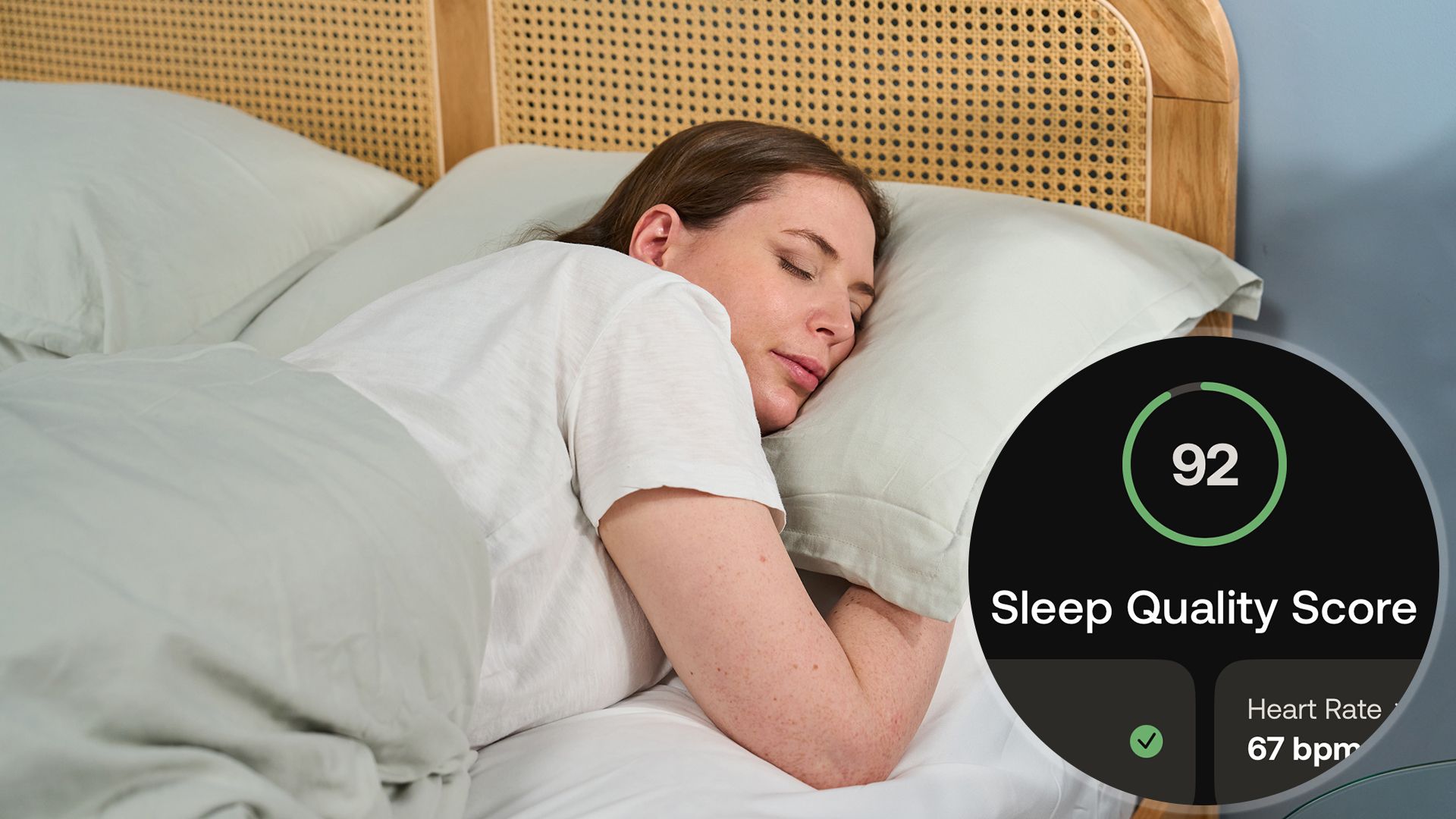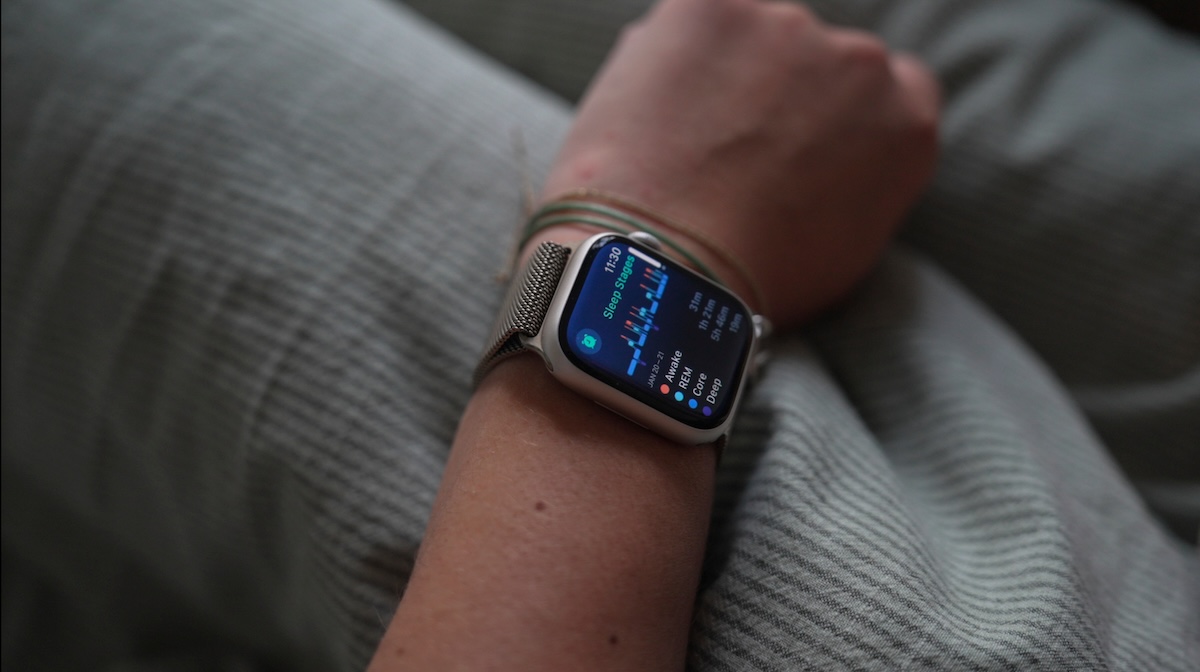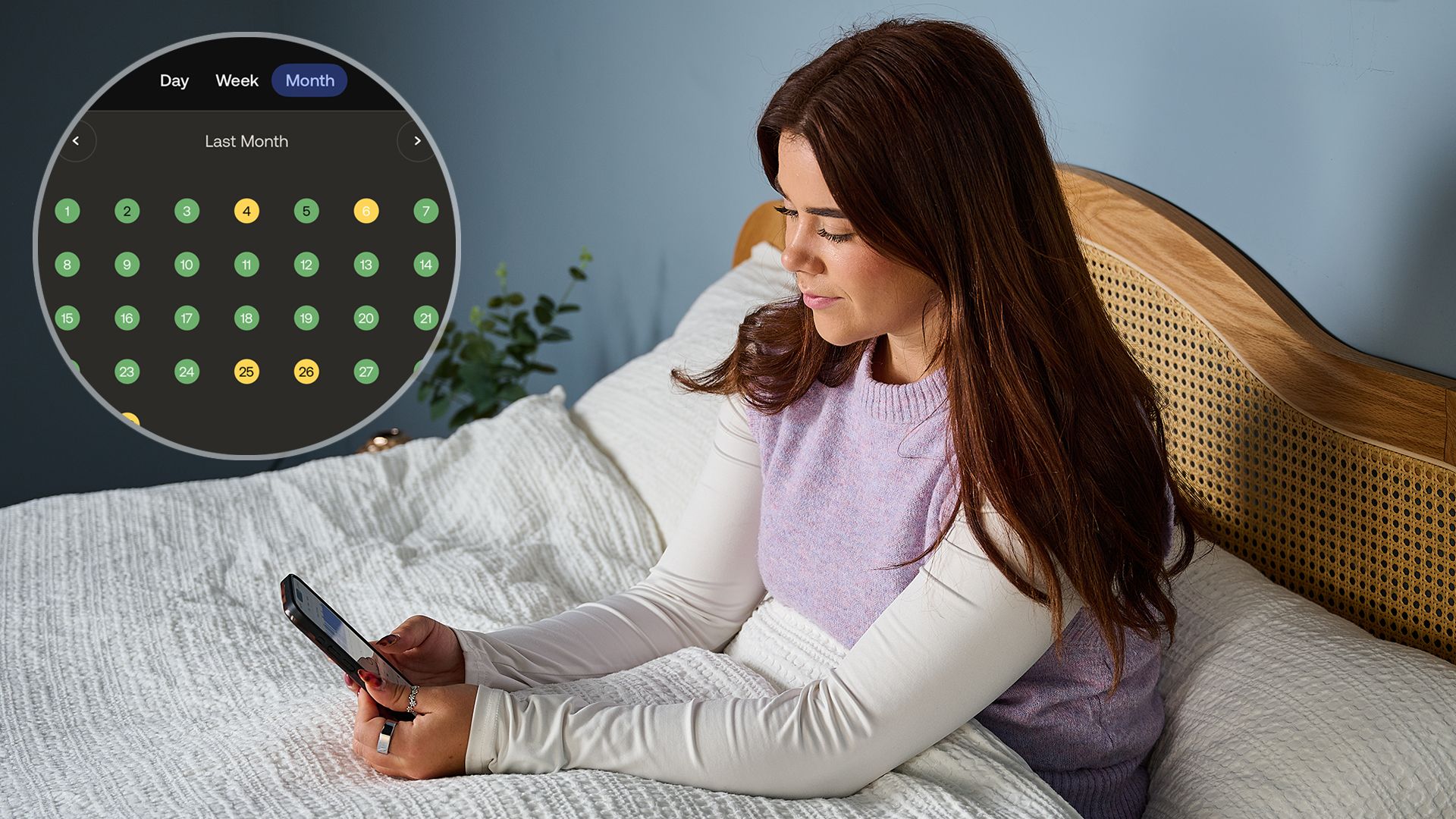
According to a recent poll, 67% of Tom's Guide readers use a sleep tracker. And if you're anything like me then checking your sleep score is a common morning habit. But one doctor warns we're using our sleep trackers wrong. When it comes to sleep scores, it turns out less is sometimes more...Dr. Shireen Emad of Watches2U explains that it's easier to identify patterns and habits that are negatively impacting your sleep when you focus on your monthly sleep score, not your daily score. She emphasizes that no one has perfect sleep, so we shouldn't expect to always see perfect scores.The best sleep trackers collect data throughout the night to create an overview of your sleep and they're helpful tools for boosting your sleep quality. Here's the two step system a doctor advises to use your sleep tracker right...Key takeawaysYour monthly sleep score provides a better picture of sleep trends than your daily score, helping you spot patterns and habitsDaily scores are useful but obsessing over them can lead to orthosomnia, which is anxiety surrounding getting the perfect night's sleepEveryone experiences the occasional bad night's sleep, which is why daily scores can be misleadingYou should also consider how you feel in the morning, not just what your sleep tracker saysThe doctor approved metric you should check on your sleep trackerDr. Emad, a practicing NHS doctor at Highgate Grange Medical Practice in Islington, London, has two big tips for making the most of your sleep tracker: Check your monthly score, not your daily and treat how you feel as another metric.What is your monthly sleep score?Your daily sleep score is an at-a-glance overview of various metrics collected throughout the night by your sleep tracker. Your monthly sleep score is the average score over the course of the month. And this is the score you should be focusing on, according to Dr. Emad.
Forget your daily sleep score — here’s the sleep tracker metric a doctor wants you to focus on
Your monthly sleep score is the real key to understanding your sleep health
841 words~4 min read