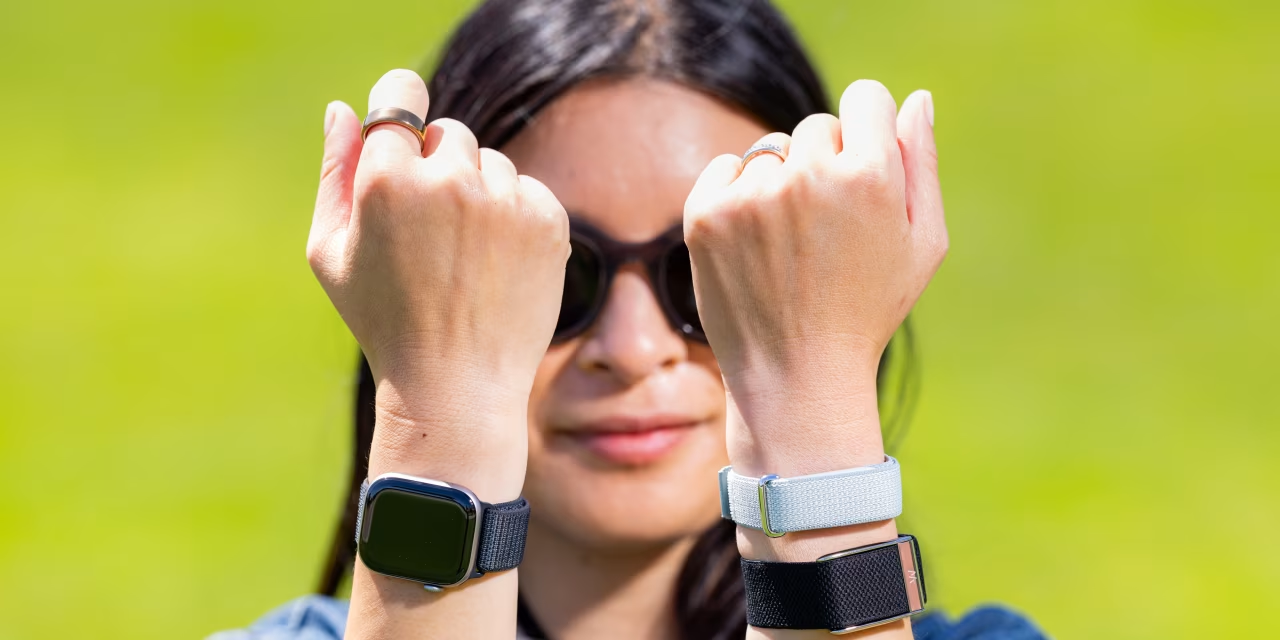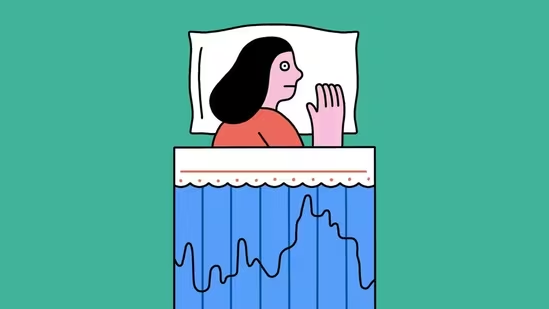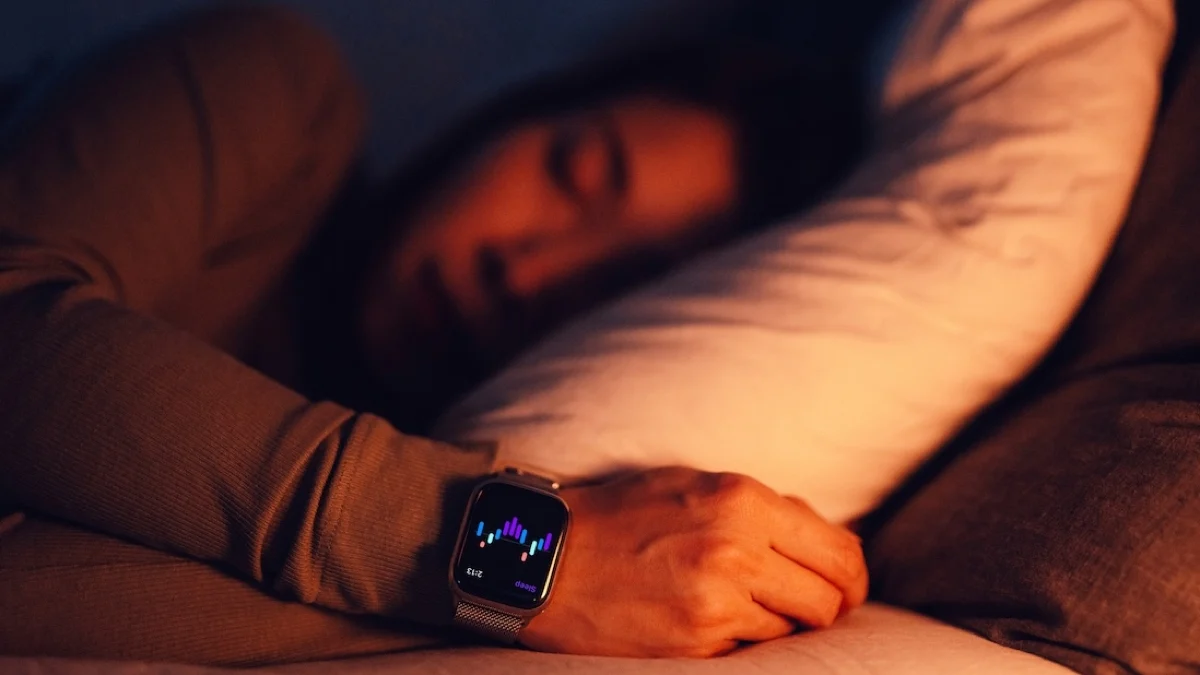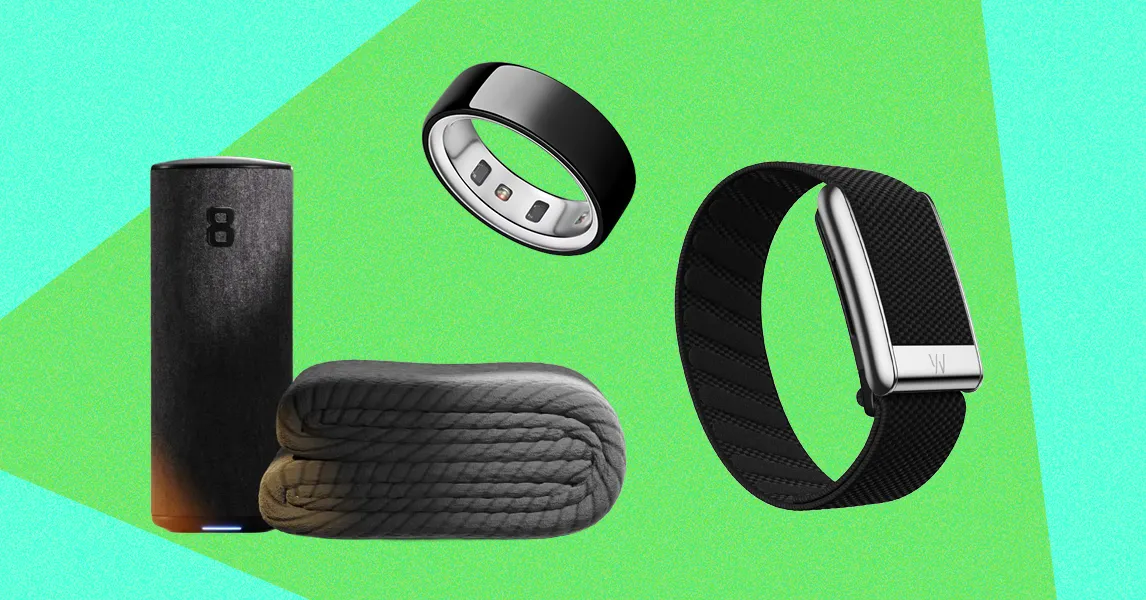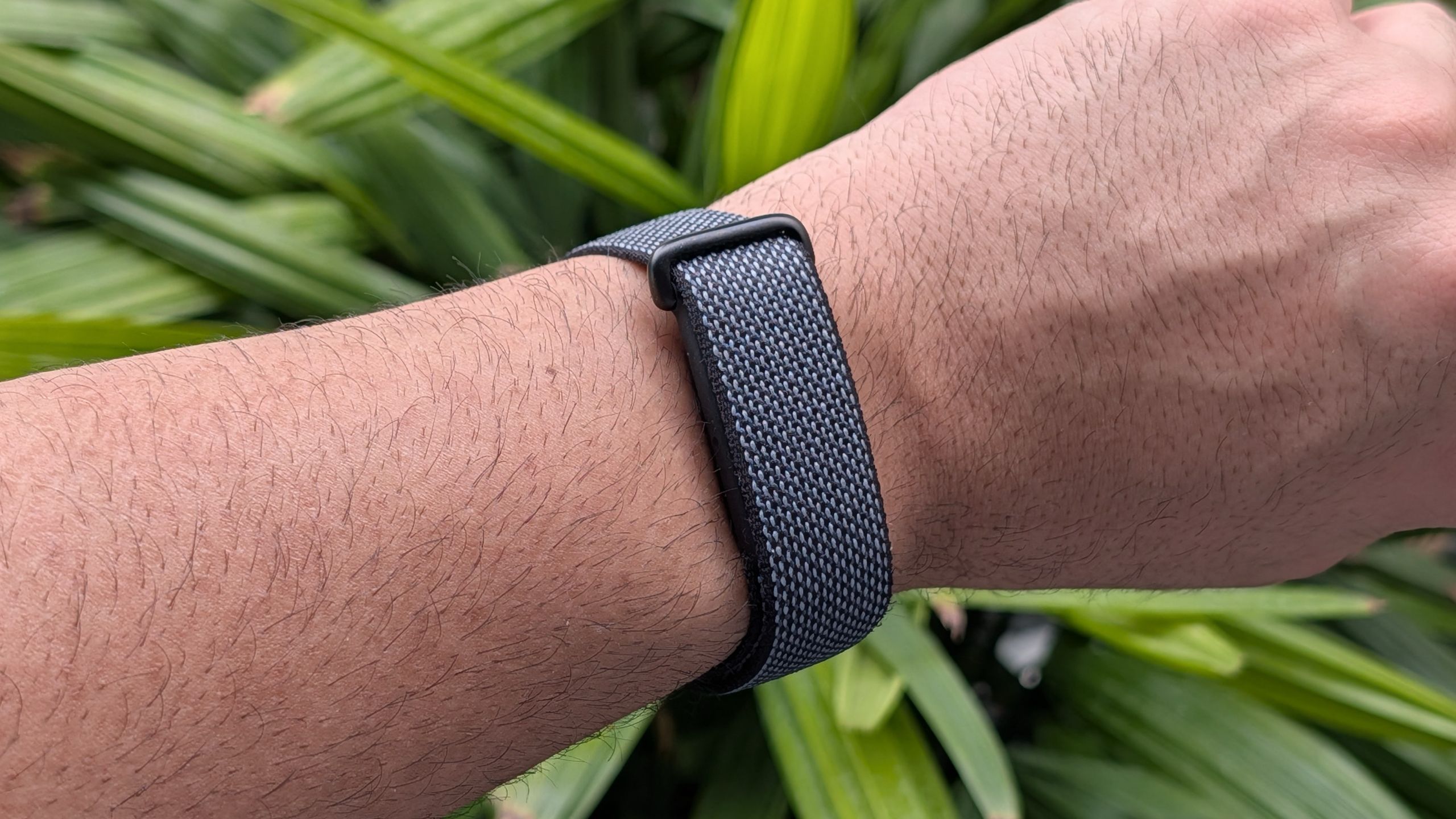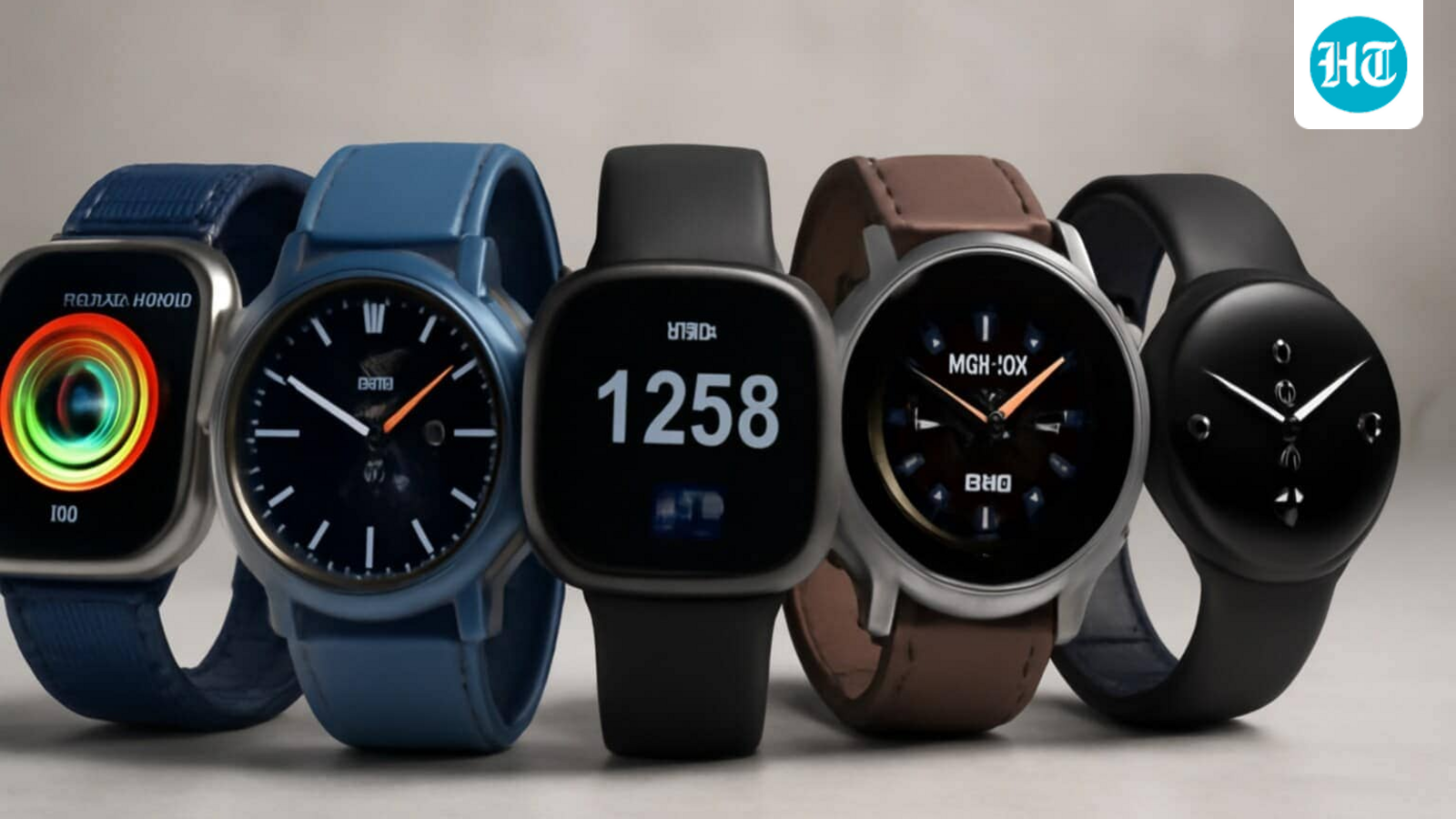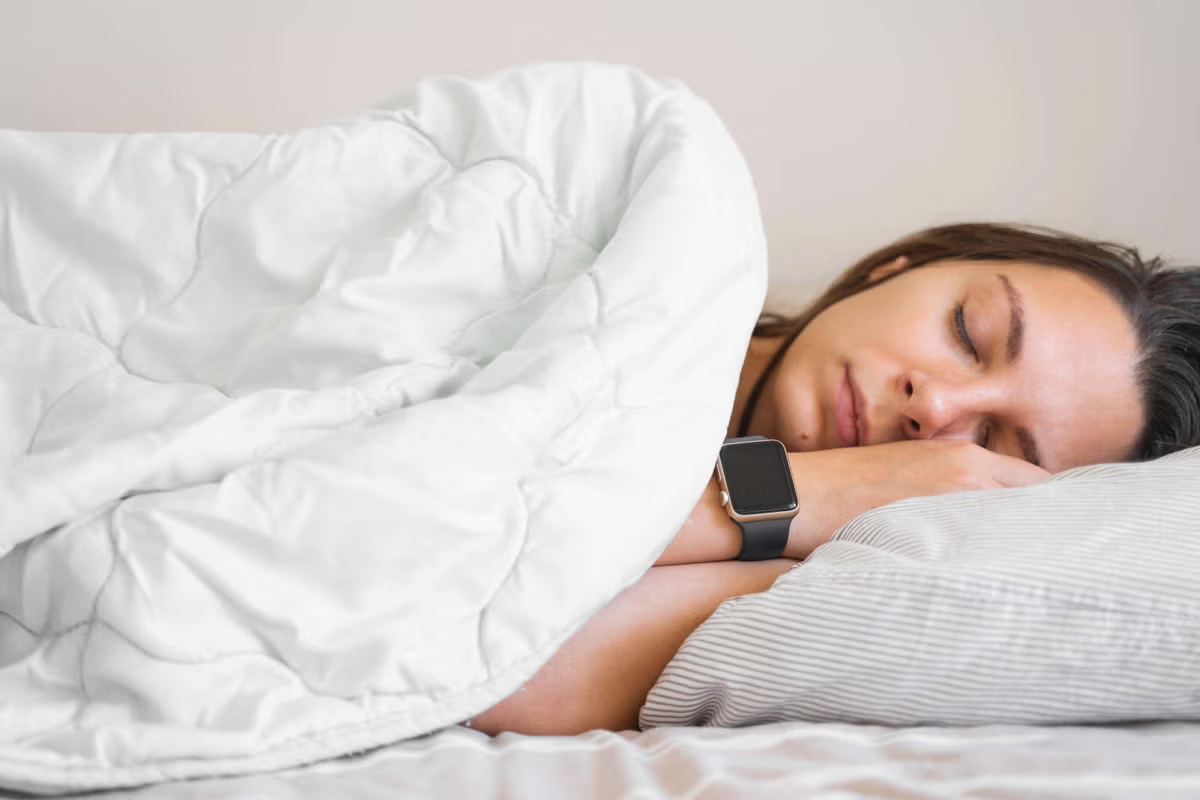
Wearable health trackers such as Fitbit, Apple watches and WHOOP have exploded in popularity, with sleep scores becoming a common topic of conversation in social circles and workplaces alike.These devices have given people unprecedented access to detailed insights about their sleep, but what impacts does this wealth of data actually have on our health and wellbeing?We spoke to some sleep experts about the benefits and potential drawbacks of sleep tracking, and asked them for their verdict.What information do these devices usually provide?(Alamy/PA)“They all claim to record a lot of different parameters around sleep,” says Dr Lizzie Hill, clinical scientist and senior lecturer in sleep physiology at University of the West of England (UWE).“They’re usually pretty good at measuring when you first get into bed and fall asleep, when you wake up and get out of bed in the morning and how long it takes you to get to sleep, which is called sleep latency.”Most modern wearables and fitness trackers will also estimate your sleep stages.“Many will give you a graph of your light sleep, deep sleep and REM sleep, which is your dreaming sleep stages,” notes Hill.“They will also give you an index of the fragmentation of your sleep, so how many times you’re waking up during the night, or how restless you are.”Some of the newer devices provide information about even more specific metrics.“Some of them estimate oxygen saturation as well,” says Dr Oliver Bernath, a consultant neurologist and sleep physician at Central Health London.The overall sleep score is the main number that many smart wearable users look at.“A lot of these devices will give you an overall sleep score. However, a lot of this is almost meaningless, because it doesn’t really tell you where they generate that number from,” says Hill.What are the potential benefits of tracking your sleep?Identifying trends and patterns(Alamy/PA)“Monitoring your sleep can tell you if your sleep is fairly regular or if it varies day to day,” says Hill. “So, it gives you a bit of a measure of what your sleep is doing day to day, but also what it’s doing on a longer-term basis, so it can help you monitor any changes.“It gives you a really nice graph of what your sleep has been like for the last week, month and even the last year, and presents this data in a really easy and accessible format.”Helping you improve your routine“It can help people recognise how little they are actually sleeping, which often triggers people to make more of an effort to get a longer duration of sleep,” says Bernath.Hill agrees and adds: “It will give you an idea of what time you are going to bed and waking up, and this can be quite useful if you’re actively trying to make changes.“With this information you can try to keep your bed and wake-up times more consistent which is a good way to strengthen your internal body clock.”What are the potential drawbacks of tracking your sleep?Turning into an obsession(Alamy/PA)“One of the big problems is that people can become unhealthily obsessed with their sleep,” highlights Hill. “There’s a term called orthosomnia which is an unhealthy obsession with monitoring your own sleep and trying to perfect it.“Sleep is such a delicate and sensitive process, so once you start to get obsessed with it, it can often actually make it worse.“Sometimes your sleep is good as it is and doesn’t need to be improved. In the process of trying to make it even better, people can actually undo the good sleep that they already have.”Causing people to panic and self-diagnose“People sometimes panic if their readings show that for a very brief period of time their oxygen saturation level dropped in their sleep and then overestimate how problematic that is,” says Bernath.“I get lots of referrals from people panicking who think that they have sleep apnoea when they get these low readings, so I think that causes probably a bit more anxiety than necessary.”Accuracy of metrics are questionable“They’ll spit out lots of numbers and percentages, but the accuracy of these varies wildly from device to device,” says Hill. “Many of these commercial devices haven’t ever been validated against gold standard measures of sleep and wake, so there’s a lot of estimating going on.“From my experience, the bedtime and rise time tends to be quite good, but everything else can often be a bit of a guess work, depending on what device you’re using.”Can take you away from subjective monitoring“Monitoring your sleep takes away some of that subjective monitoring that you would do internally yourself,” notes Hill. “Most of us get out of bed and think to ourselves, OK, I had a good sleep last night, or last night was really rough, but I think having a device that’s giving you its perception of how you slept takes away some of that ownership.“As a result, I think this might encourage people to not listen to their bodies in the way that they normally would.”Overview:“I think these devices are generally good,” concludes Bernath. “The accuracy and quality has improved quite a lot in the modern generation of these devices, and it’s good that people are beginning to pay more attention to their sleep.“From a sleep perspective, the main two data areas I would focus on would be the total sleep time and the regularity of the timing of sleep. The rest of the data is interesting, but there’s probably less you can do about it.”Hill agrees: “For the absolute basics, like when did you go to bed? When did you wake up? How long did you sleep? That tends to be quite accurate. However, the finer detail isn’t always accurate, so don’t get too hung up on that.”She reiterates that she thinks it’s more important to be guided by your own intuition.“We’ve got lots of great devices out there that give us lots of information and data, but, to a certain extent, there’s no substitute for listening to your own body,” says Hill.“If you wake up and feel refreshed, then that’s the sign that you’ve had a good sleep. If you wake up after a significant number of hours of sleep and you don’t feel refreshed, or you still feel tired, that might be the sign that there’s something else going on.“If you are concerned and think that you might have an underlying sleep problem, speak to your GP.”
Should I track my sleep? Here are the pros and cons
Does sleep tracking really live up to the hype?
1,059 words~5 min read