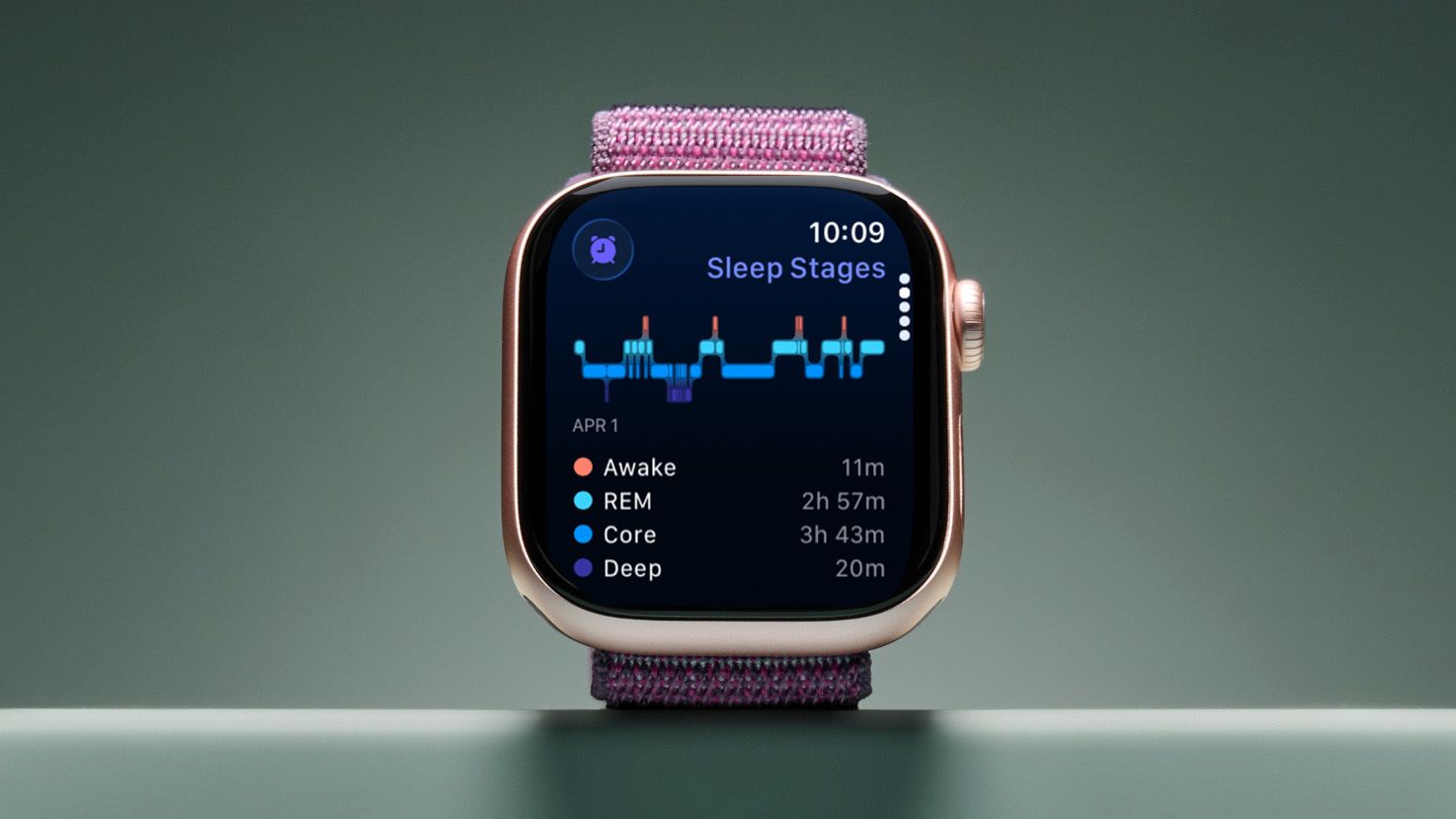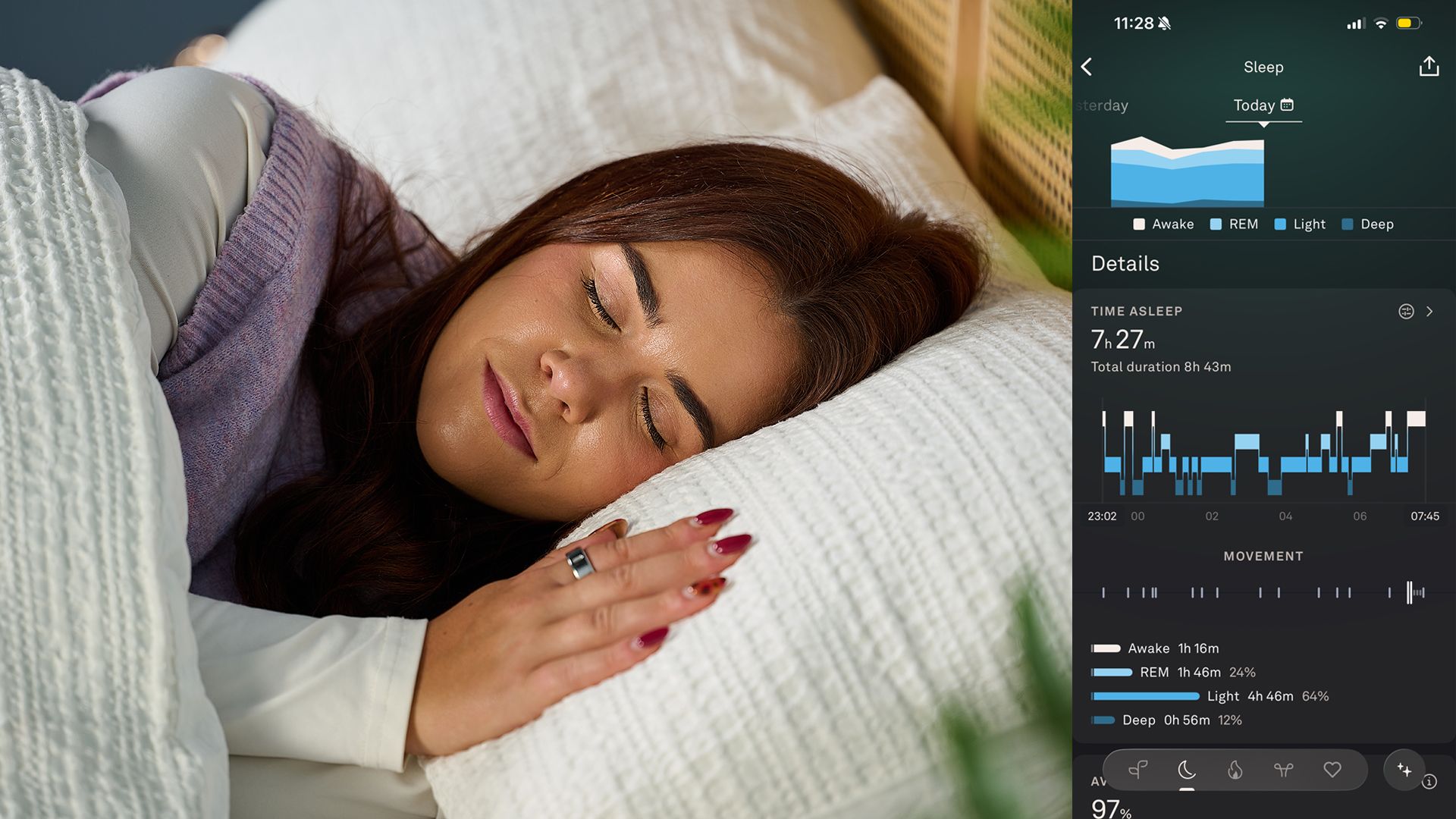
If you have a bad night of sleep and wake up feeling unrefreshed, your sleep tracker may offer little indication as to why.A recent review of the evidence has found that wrist-worn sleep trackers like Fitbit and the Apple Watch may not know how well you actually slept.These popular devices can track how long you slept, but they may not capture data that explains how satisfied you were with your sleep or how tired or refreshed you felt the next day.That's especially true if you suffer from insomnia.Pulmonologist Narat Srivali from Duke University and physician-scientist Wisit Cheungpasitporn from the Mayo Clinic have published their results in the journal Sleep Medicine."In healthy individuals tracking general wellness, wearables may provide reasonable feedback regarding sleep duration and regularity," they conclude."However, in clinical populations experiencing sleep disturbances or mental health conditions, the poor agreement documented in this review suggests that device measurements may provide misleading information that could delay appropriate clinical intervention."(FG Trade/E+/Getty Images)The systematic review analyzed data from five prior studies, involving around 2,000 participants.It found that a person's perception of their sleep often does not align with their sleep tracker.Wearable devices explained only 2.5 to 16.2 percent of the difference in subjective sleep quality, which is what is currently used to diagnose insomnia.Even if someone feels they slept badly, their sleep tracker may disagree.In the review, participants who reported poor quality sleep scores, either because they struggled to fall asleep, woke frequently, or felt tired the next day, didn't necessarily receive poor readings from their trackers.In fact, the devices "failed to capture" the subjective reality, especially among older people and people with insomnia.
Scientists Discover a Serious Problem With Sleep Trackers
If you have a bad night of sleep and wake up feeling unrefreshed, your sleep tracker may offer little indication as to why.
831 words~4 min read