Sleep trackers have become wildly popular in recent years, and it’s no mystery why. Approximately 1 in 3 adults say they don’t get enough sleep, and anywhere from 50 to 70 million Americans suffer from sleep disorders.
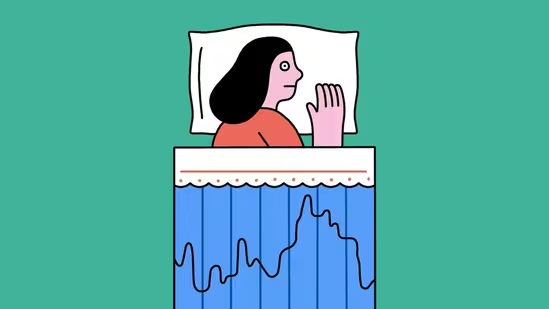
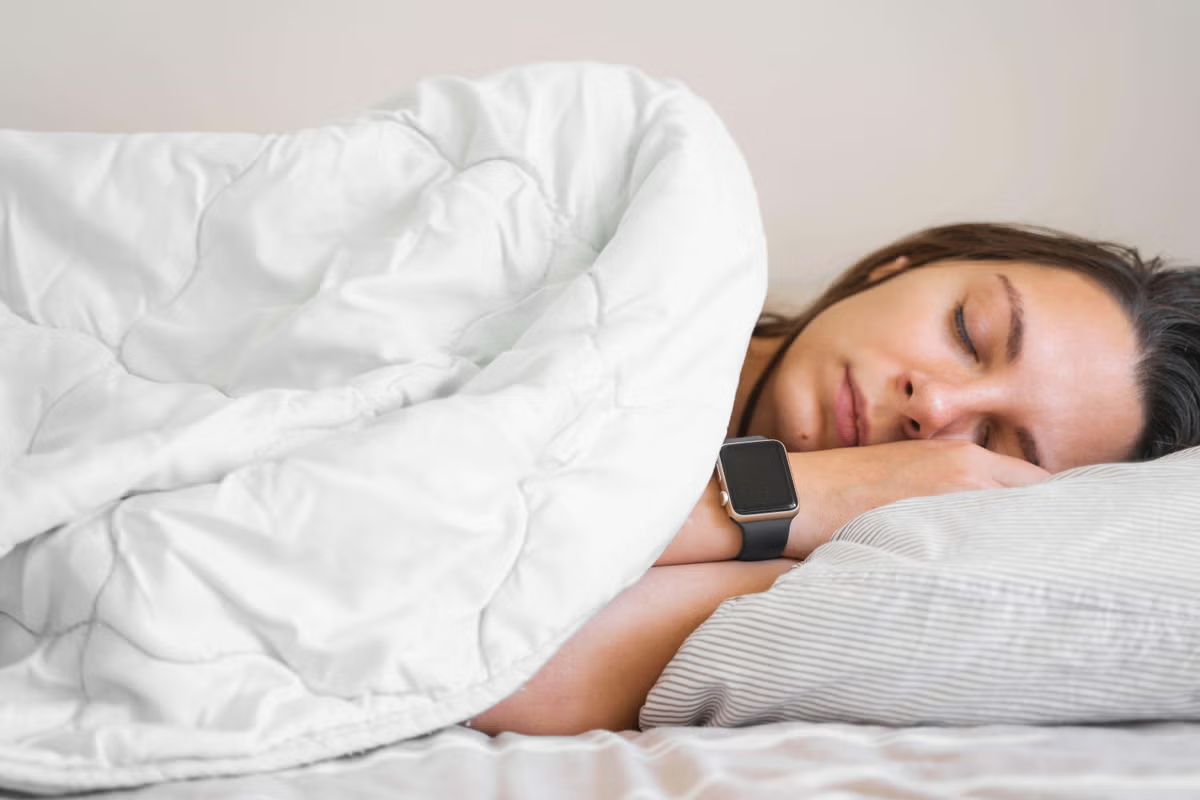
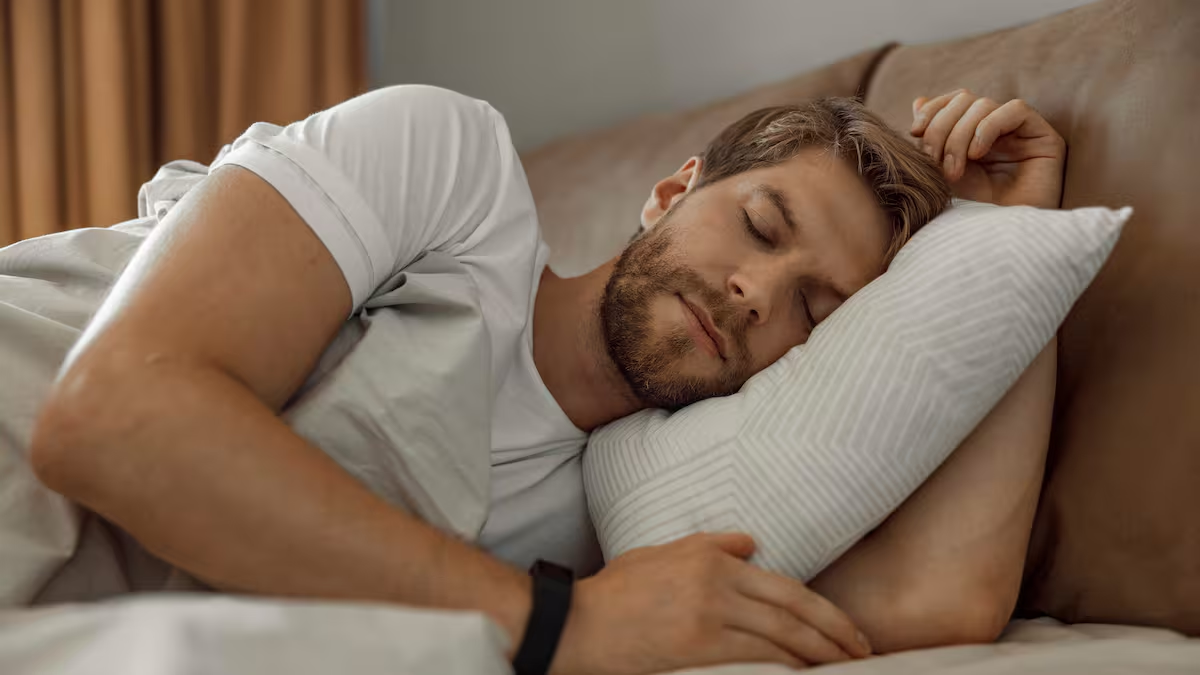
Sleep trackers provide insights about your shut-eye so you can, in theory, tweak your behavior and sleep more soundly. But a portion of people using sleep trackers actually wind up sleeping worse.
“When patients rely on this unvalidated information and begin to experience excess worry about their sleep quality, this paradoxically may have a detrimental effect on both sleep quality and quantity as they may develop sleep anxiety,” Dr. Robert Satriale, a sleep specialist with Temple Health, told HuffPost.
How accurate are at-home sleep trackers?
While sleep trackers can provide a rough estimate of your sleep patterns, they aren’t nearly as effective as conventional sleep studies.