(Image credit: Future / Getty)
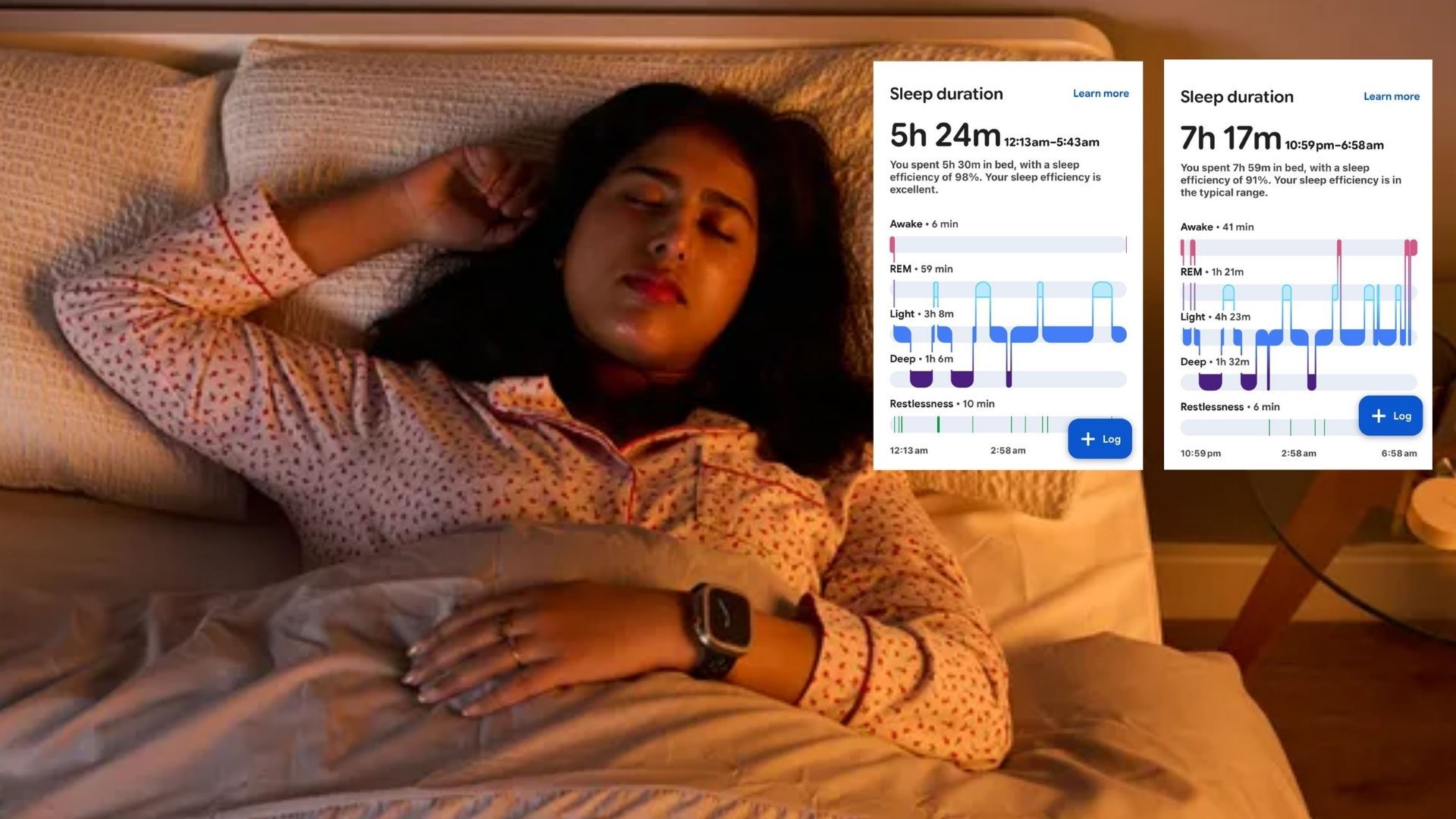
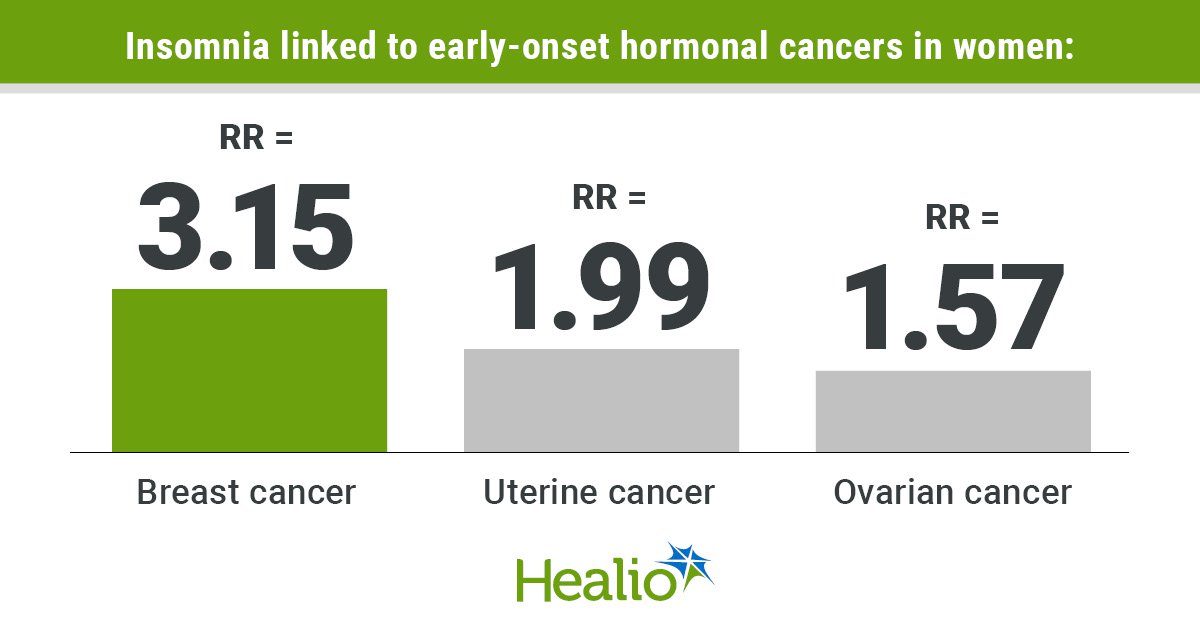
I write about sleep health for a living, yet I probably haven’t had a decent stint of quality sleep in over a decade. The fog of becoming a new parent has seamlessly melted into the perimenopause years. Now, nights punctuated by nighttime anxiety means I regularly clock just 5-6.5 hours of sleep a night.That falls far short of the 7-9 hours of sleep recommended by experts, placing me firmly in the long term sleep deprivation category. As a sleep editor who interviews leading experts and doctors, the side effects of chronic sleep deprivation are familiar to me — and they’re genuinely frightening.Cognitive decline, poor cardiovascular health and diabetes are just a few of the side effects I’m at an elevated risk of. And now, the latest research to land in my inbox; insufficient sleep could be fueling the rise of cancer cases in the under 50s. I can’t put it off any longer, it's time for me to prioritize getting the sleep I need. With the help of five experts I trust, here’s everything I’m doing to get more sleep, starting from tonight.Key takeaways: At a glance Statistics show cancer cases in the under 50s have risen by 80% globally in the past three decades. After analyzing the health data of over 18 million US adults aged between 18-50 over a two year period, researchers from MD Anderson Cancer Center and Jefferson Health cite insufficient sleep as a potential cause.Those with insomnia are at triple the risk of developing certain cancers within five years of their insomnia diagnosis, say researchers. "Don't panic, but do pay attention," urge sleep experts.Tips for better sleep from tonight include anchoring your wake time, optimizing your bedroom for sleep and reducing anxiety before bed.The link between early-onset cancer and sleep deprivationFirst, let’s look at the study that has spurred me into addressing my sleep issues head on. Statistics show the number of cancer cases in the under 50s has risen by 80% globally in the past three decades. Researchers from MD Anderson Cancer Center in Houston, Texas and Jefferson Health New Jersey have cited insufficient sleep as a potential catalyst.During a recent presentation at the American Society of Clinical Oncology in Chicago, researchers outlined how, after analyzing the health data of over 18 million US adults aged between 18-50 over a two year period, they discovered that poor sleepers were at a heightened risk of developing early-onset bowel, breast, uterine or ovarian cancer.According to the data, those with insomnia are as much as three times more likely to develop certain cancers within five years of an insomnia diagnosis.“These findings suggest that sleep disruption may represent a clinically relevant, potentially modifiable risk factor in early-onset cancer risk stratification and warrants further investigation,” the researchers said.