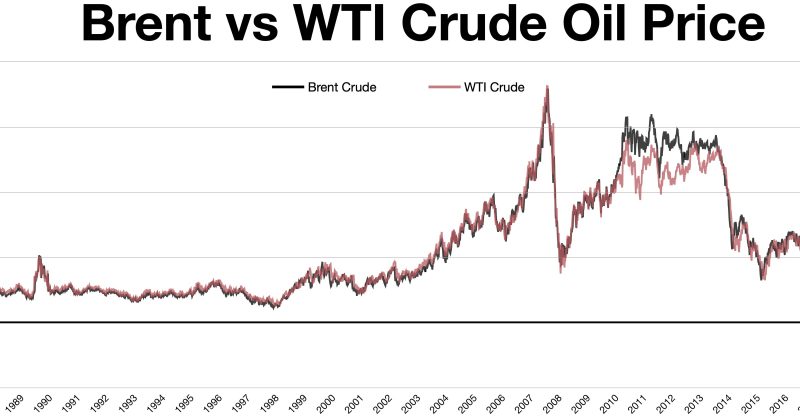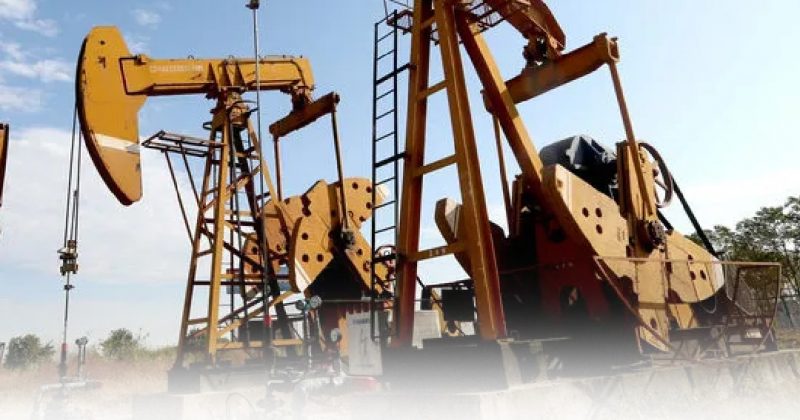
Brent crude is sitting at $100 per barrel after climbing 2.5% the previous session, with US-Iran nuclear negotiations stalled.
The Strait of Hormuz effect
Conflict in Iran led to the closure of the Strait of Hormuz on March 4, a chokepoint through which roughly a fifth of the world’s oil supply flows. Brent crude surged from roughly $72 per barrel in late February to over $112 by the end of March, a gain exceeding 55%. At one point earlier in 2026, prices pushed past $120 before settling into the current volatile range around $100.
President Trump has described the talks with Iran as being in their “final stages,” with the potential for what he called a “Great Deal.” He has also reiterated strict demands regarding Iran’s nuclear capabilities and warned of possible military interventions if a satisfactory agreement isn’t reached.
Brent had dropped over 5% at one point following optimistic signals from earlier rounds of discussions. When confidence in those talks wavered, prices bounced right back. The EIA projects that Brent averages will remain above $100 per barrel in the near term as long as tensions persist.