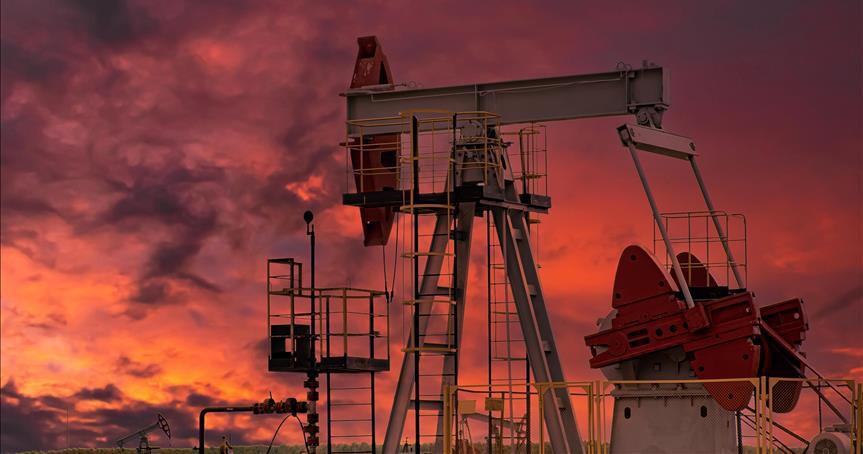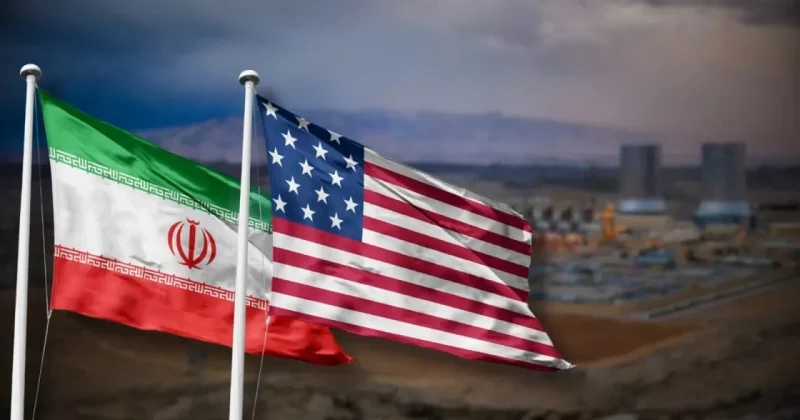
The US launched military strikes on Iranian targets over a three-day stretch from May 26 to 28, and Iran hit back. Oil prices responded the way oil prices always do when two major powers start exchanging fire near the world’s most important shipping lane: they went up.
Brent crude climbed roughly 2-4%, pushing prices into the $96 to $102 per barrel range. For crypto investors hoping geopolitical chaos might boost Bitcoin’s “digital gold” narrative, the opposite happened. Bitcoin dropped below $73,000, and the resulting cascade of margin calls triggered over $1 billion in liquidations across the crypto market.
The Strait of Hormuz problem
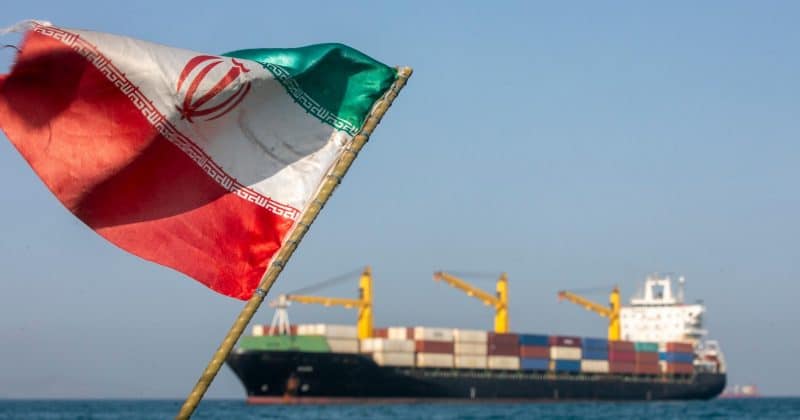
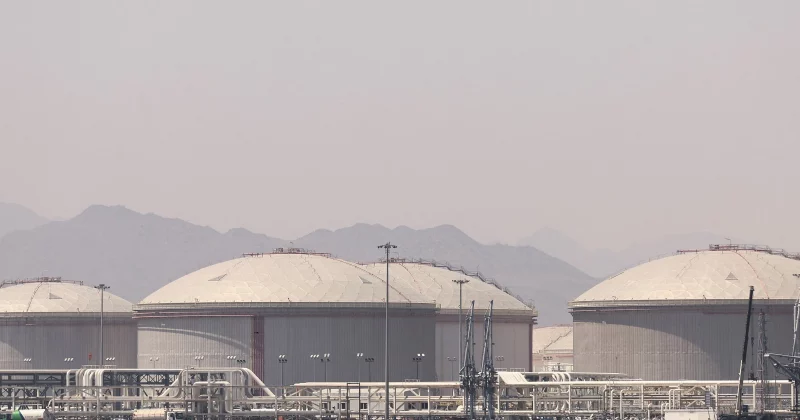
The Strait of Hormuz, the narrow waterway separating Iran from the Arabian Peninsula, handles roughly 20% of global oil flows. When two countries start shooting near that bridge, energy traders get nervous fast.
The price spike is especially notable because oil had been trending the other direction not long before. Optimism around ceasefire negotiations had previously driven oil prices down by more than 7% in a single day. That goodwill evaporated the moment strikes resumed.