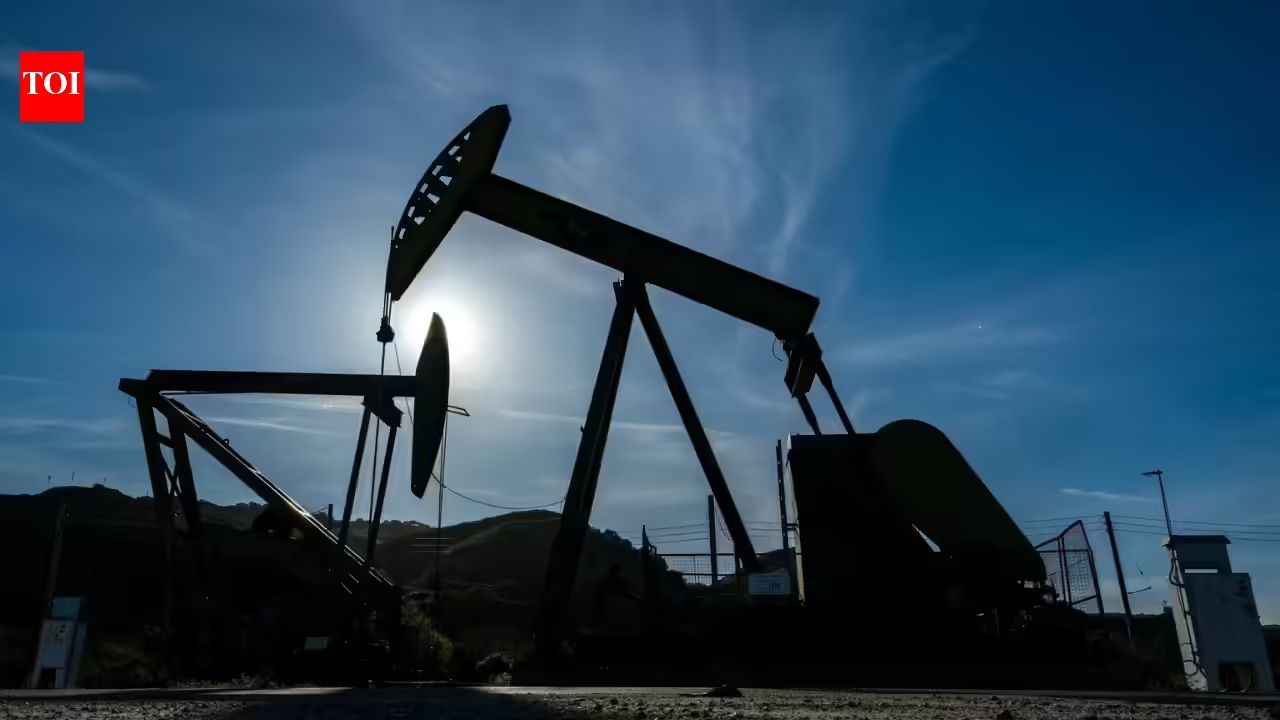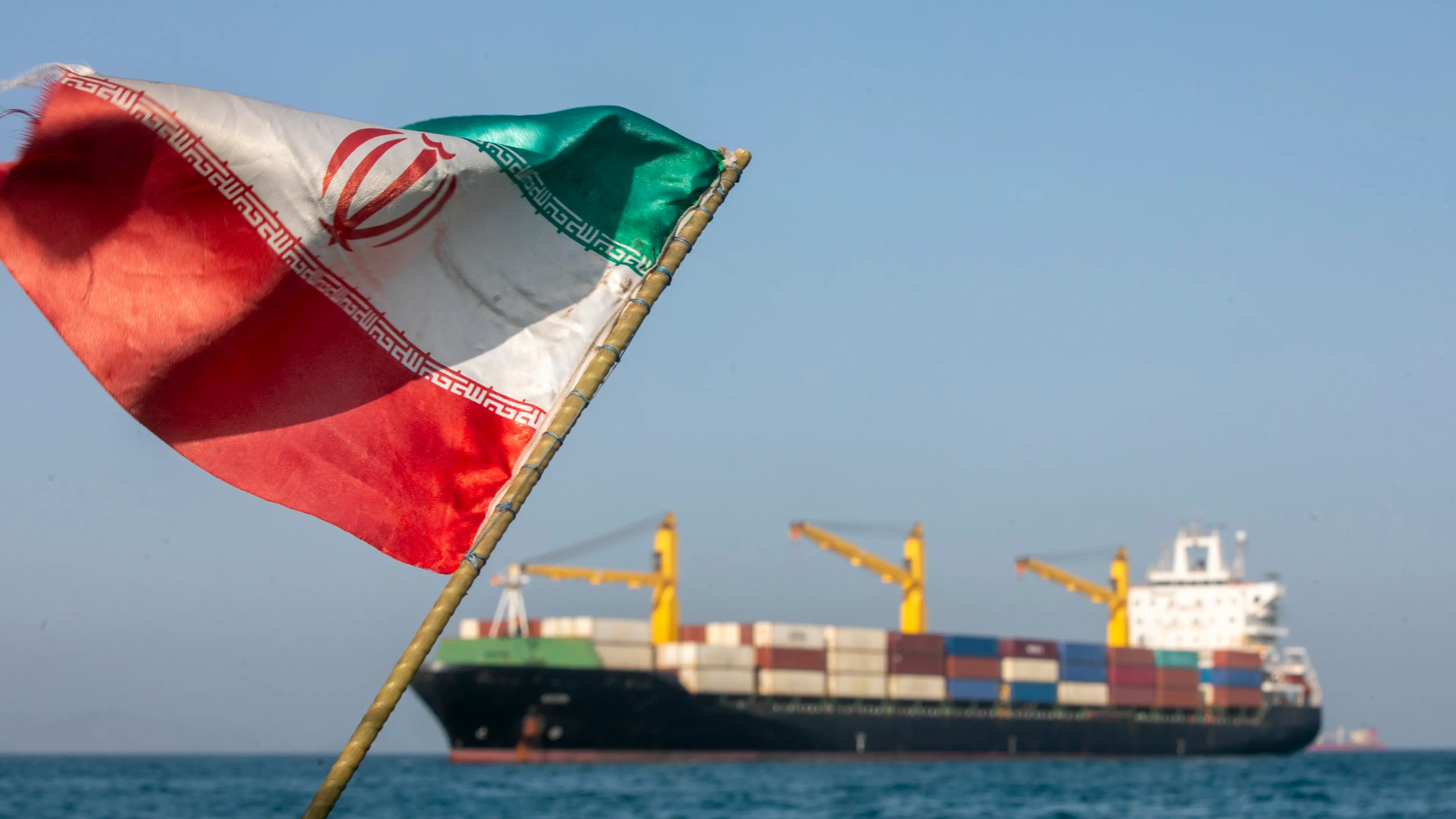
Brent crude oil prices remained volatile on Wednesday following a steep rise in the previous session as U.S. strikes in southern Iran and mixed signals from President Donald Trump over talks between Tehran and Washington kept traders cautious.Iran’s Islamic Revolutionary Guard Corps said on Tuesday that it would respond to violations of the ceasefire after identifying and engaging U.S. drones and an F-35 fighter jet that had entered Iranian airspace.Crude oil price on May 27Brent crude traded near $100 per barrel. U.S. crude slipped 0.89% to $93.05 a barrel, while Brent eased 0.52% to $99.06 per barrel after surging nearly 4% in the previous session. WTI for July delivery declined 0.9% to $93.09 a barrel. The U.S. military carried out “self-defense strikes in southern Iran” on Tuesday, targeting vessels allegedly attempting to deploy mines along with missile launch sites. U.S. Central Command said the operation was aimed at protecting American troops from threats posed by Iranian forces.Adding another layer of uncertainty to the negotiations, Trump said in a social media post on Monday that he had urged Saudi Arabia, Qatar, Pakistan, Turkey, Egypt and Jordan to join the Abraham Accords, which seek to normalize diplomatic relations between Arab nations and Israel.Swiss multinational investment bank UBS said on Friday that the global oil market was facing increasing pressure as inventories continued to decline amid disruptions to shipments through the Strait of Hormuz. According to the bank, observed global oil inventories fell by a combined 246 million barrels in March and April, while cumulative production losses could cross 1 billion barrels by the end of May.Analysts believe that even if an agreement is reached, it could take months for shipping activity through the strait to fully recover and for damaged energy infrastructure to be restored.Earlier this month, Saudi Aramco CEO Amin Nasser warned that disruptions in Hormuz could delay stability in global oil markets until 2027, with close to 100 million barrels of oil supply per week potentially affected. Saudi Aramco is the world’s largest oil producer.Morgan Stanley said the oil market was currently in “a race against time,” warning that the factors preventing crude prices from rising even further may weaken if the Strait of Hormuz remains closed through June.The brokerage said higher U.S. crude exports and softer Chinese demand have so far helped cushion the supply shock. However, it cautioned that a prolonged closure of Hormuz could tighten global supplies once again if disruptions continue beyond what the U.S. and China are able to absorb comfortably.(Disclaimer: Recommendations, suggestions, views and opinions given by the experts are their own. These do not represent the views of The Economic Times)
Oil Price Today (May 27): Crude oil hovers near $100 amid mixed cues on Iran war peace deal. What are experts saying?
Brent crude prices remained volatile as U.S. strikes in southern Iran and mixed signals from President Trump over talks with Tehran kept traders cautious. Disruptions through the Strait of Hormuz are increasing pressure on the global oil market, with inventories declining and potential production losses mounting.
438 words~2 min read