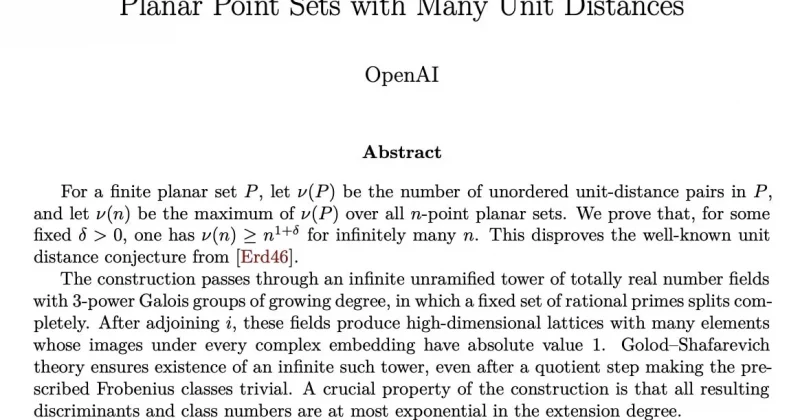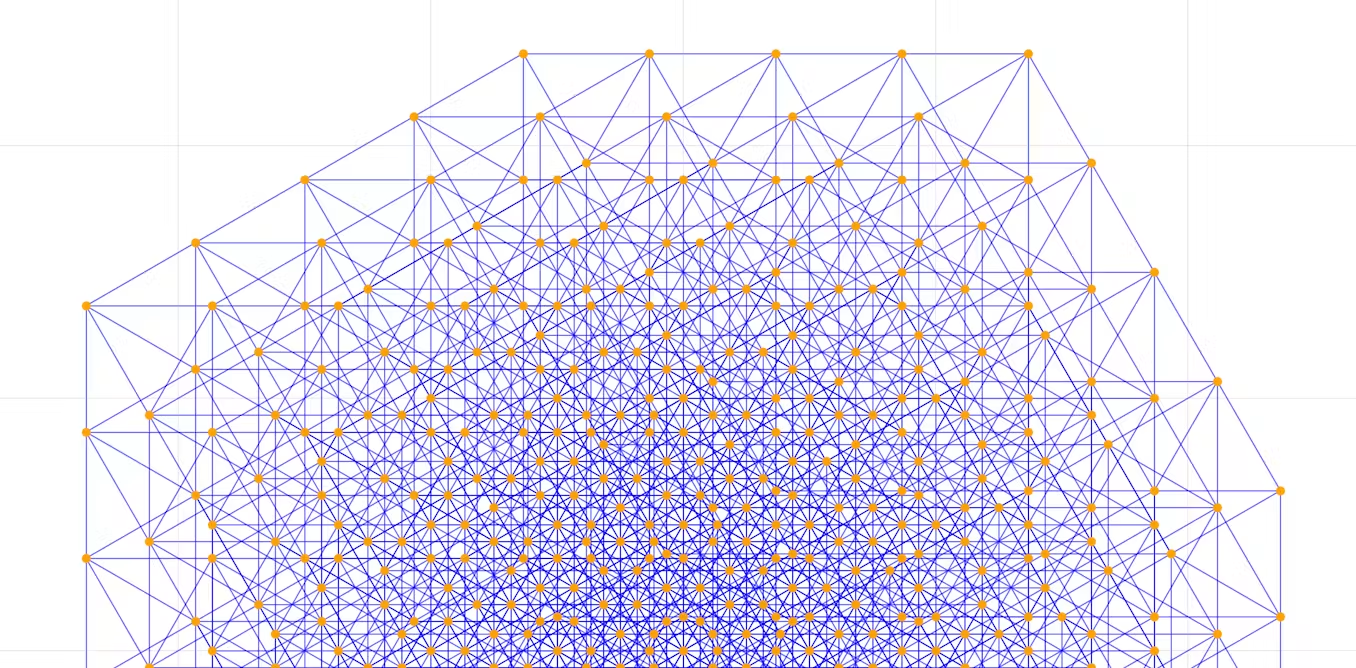
Last week, OpenAI shocked the mathematical community by revealing that one of its internal artificial intelligence (AI) models had found a counterexample to a famous conjecture made by legendary Hungarian mathematician Paul Erdős in 1946.
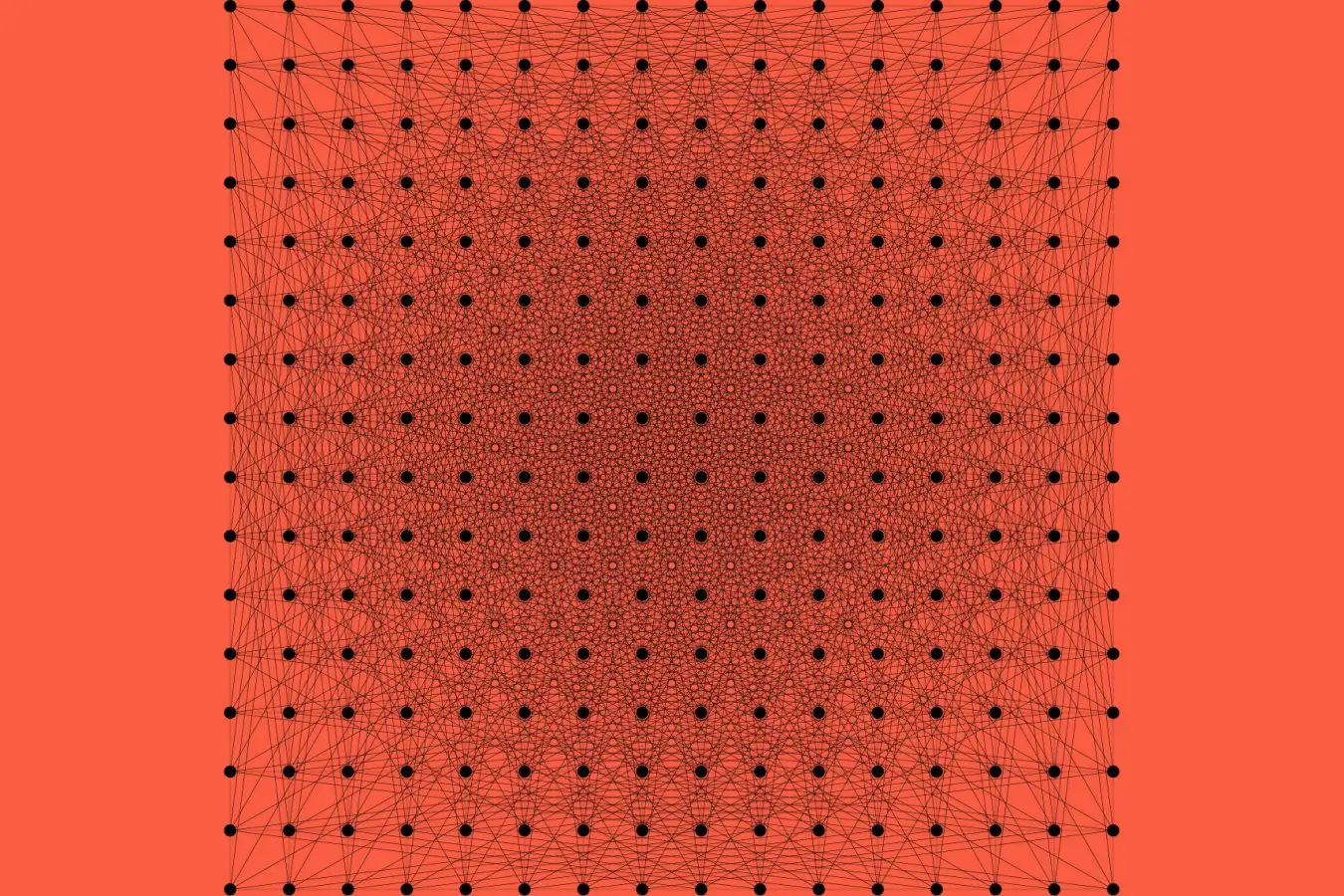
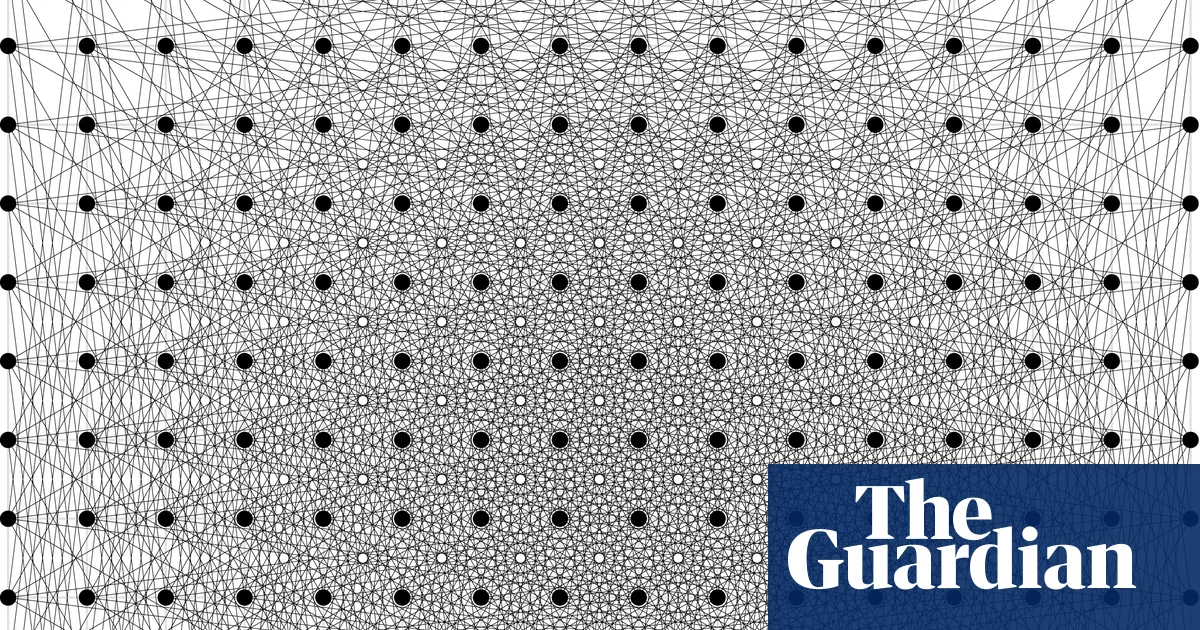
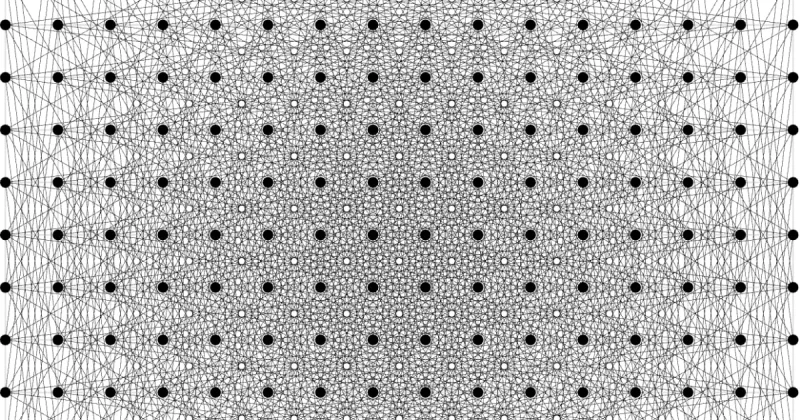
The planar unit distance problem, or Erdős problem 90, has intrigued mathematicians for decades. The new result is no mere curiosity. Canadian mathematician Daniel Litt described it as “the first result produced autonomously by an AI that I find interesting in itself”.
The breakthrough, produced with a general-purpose AI model rather than one specialised for mathematics, also highlights how AI is changing mathematical research itself. Days after OpenAI’s paper, US mathematician Will Sawin followed the same line of reasoning to an improved result. Also last week, a team from Google DeepMind used one of their own models to resolve nine lesser open problems left by Erdős.
At the same time, results like this show us what kind of mathematics current AI models are good at – and where their capabilities are still uncertain.
Dots and lines