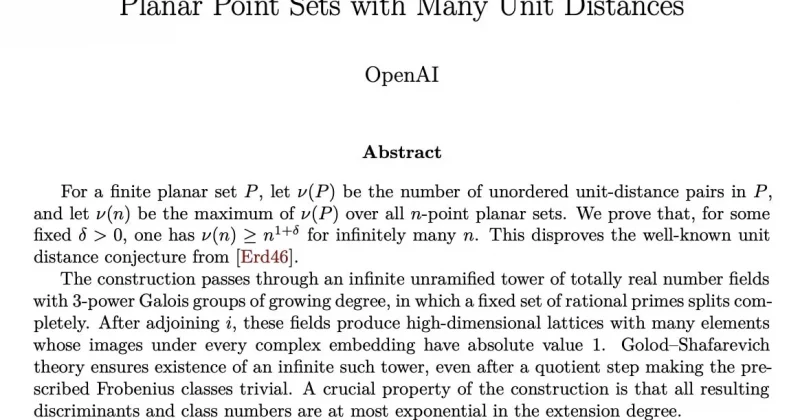
An internal reasoning model from OpenAI has disproved the so-called unit distance conjecture posed by Hungarian mathematician Paul Erdős. OpenAI announced the result alongside a companion paper written by nine external mathematicians who verified, shortened, and commented on the proof.
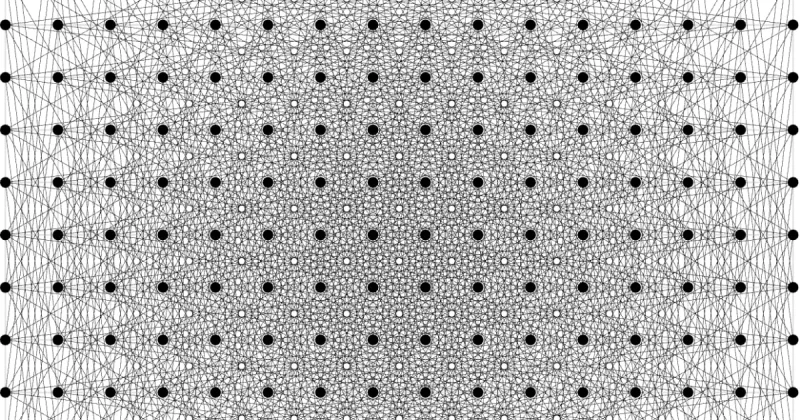
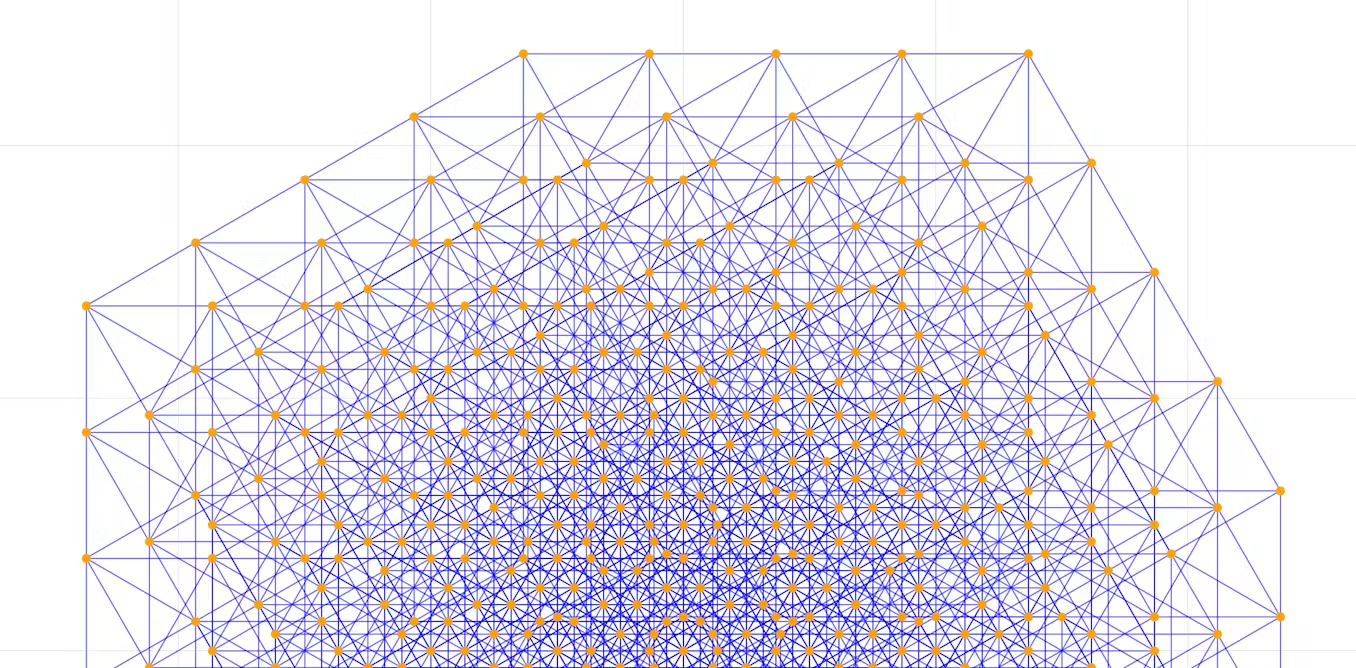
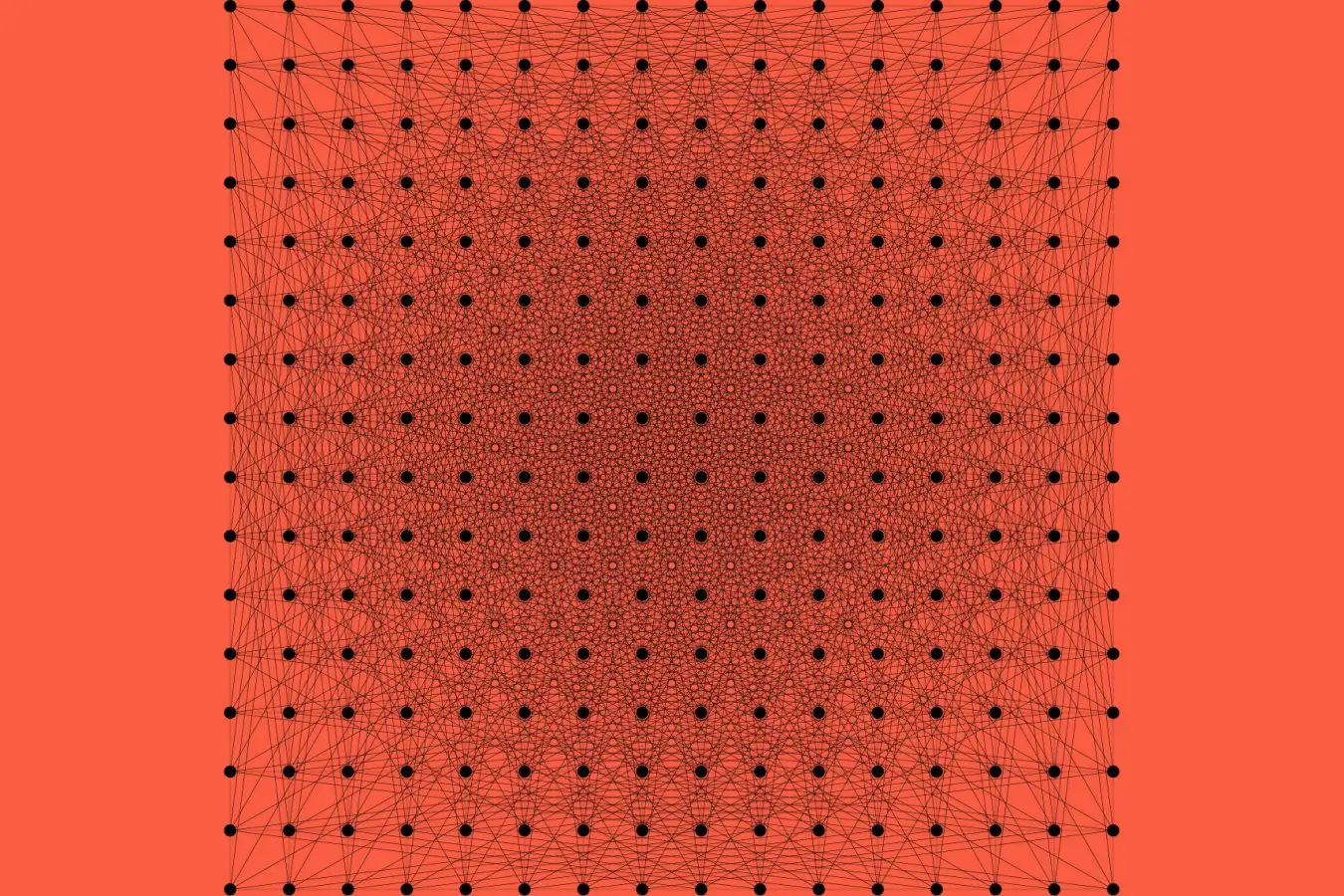
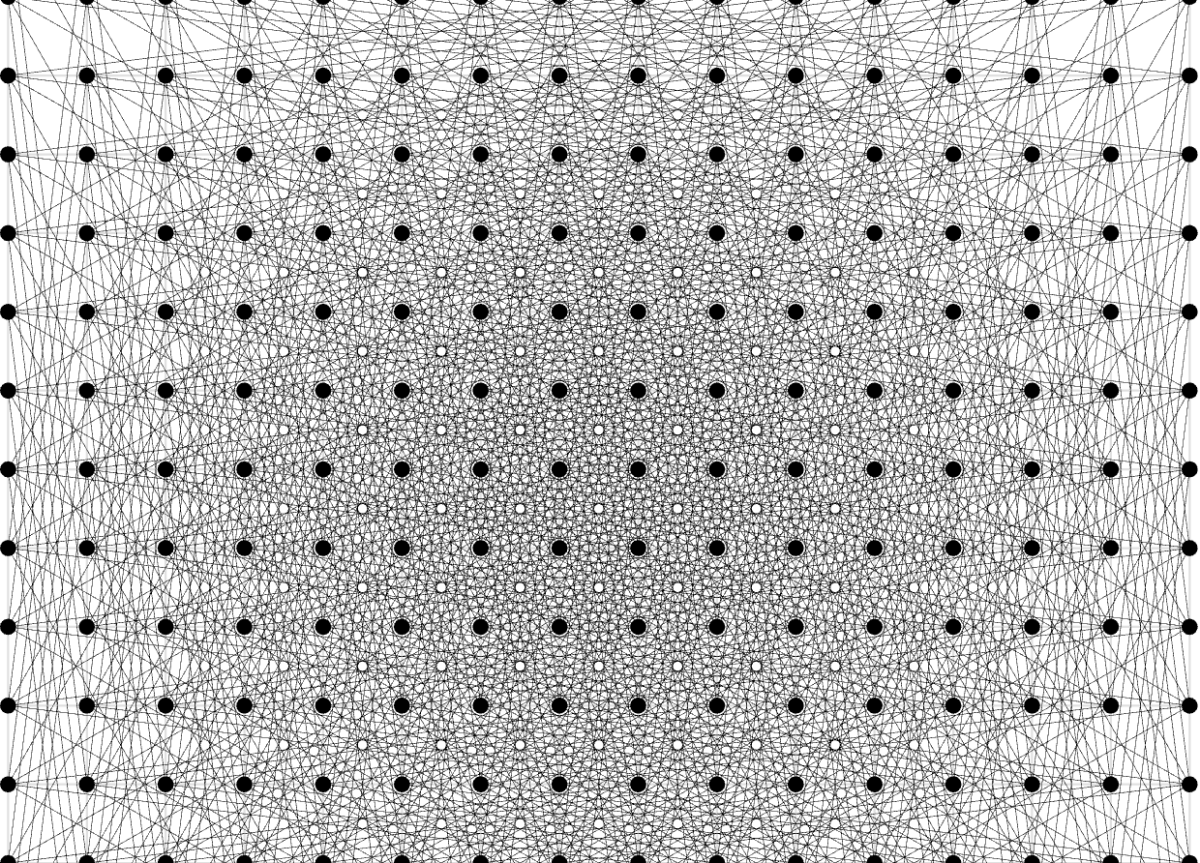
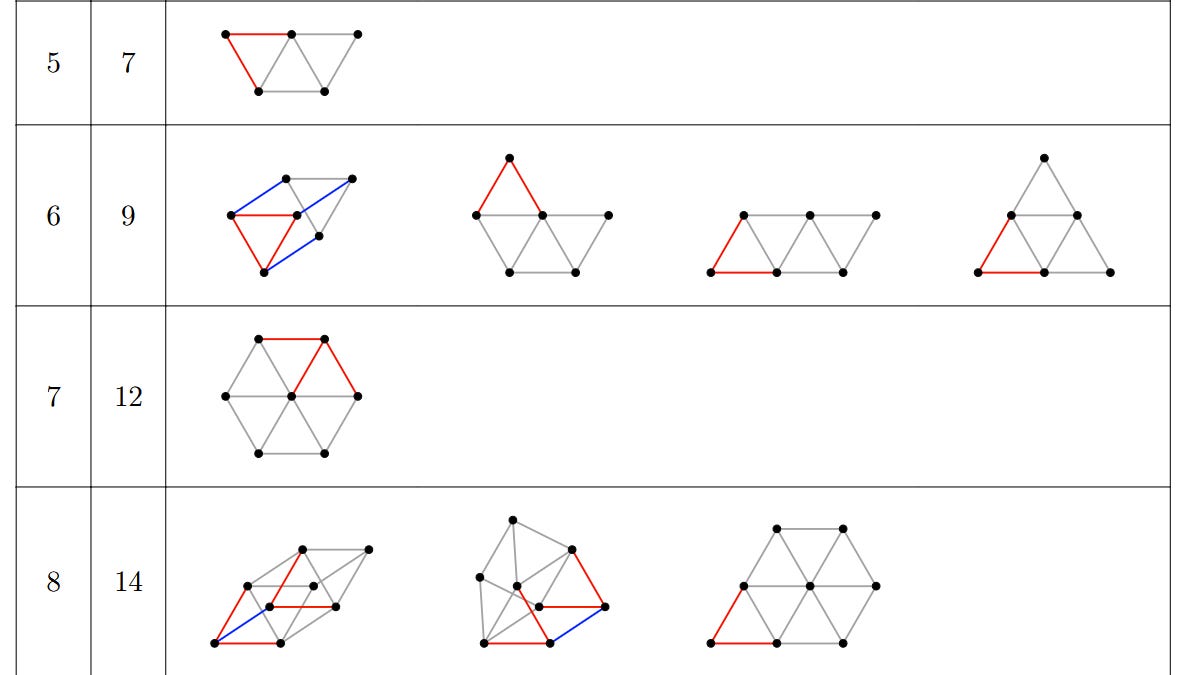
The problem itself is deceptively simple: place a certain number of points on a sheet of paper. How many pairs of points can be exactly one unit apart? In 1946, Erdős conjectured that a simple arrangement on a slightly skewed square grid was already close to optimal. That arrangement produces a number of pairs that grows only barely faster than the number of points itself. According to mathematician Thomas Bloom, Erdős had offered $500 for a disproof. The problem is considered "possibly the best known (and simplest to explain) problem in combinatorial geometry," according to the standard reference Research Problems in Discrete Geometry.
A better construction after eight decades
OpenAI's model found a new point arrangement that produces noticeably more unit-distance pairs than the classic square grid. Will Sawin of Princeton University puts the gain at roughly one percent more pairs per doubling of the point count. That sounds small. In context, it's significant, as Erdős's conjecture said virtually no such gain was possible at all. The problem isn't fully solved, though: a theoretical upper bound known since 1984 still sits well above what the new construction achieves.