This article is part of FT Globetrotter’s global music series
’Round midnight, in 1922, a young man stumbled off a train at Chicago’s Central Station, cornet bumping at his side. He’d arrived from New Orleans, lured by the promise of playing with famed bandleader Joe “King” Oliver.
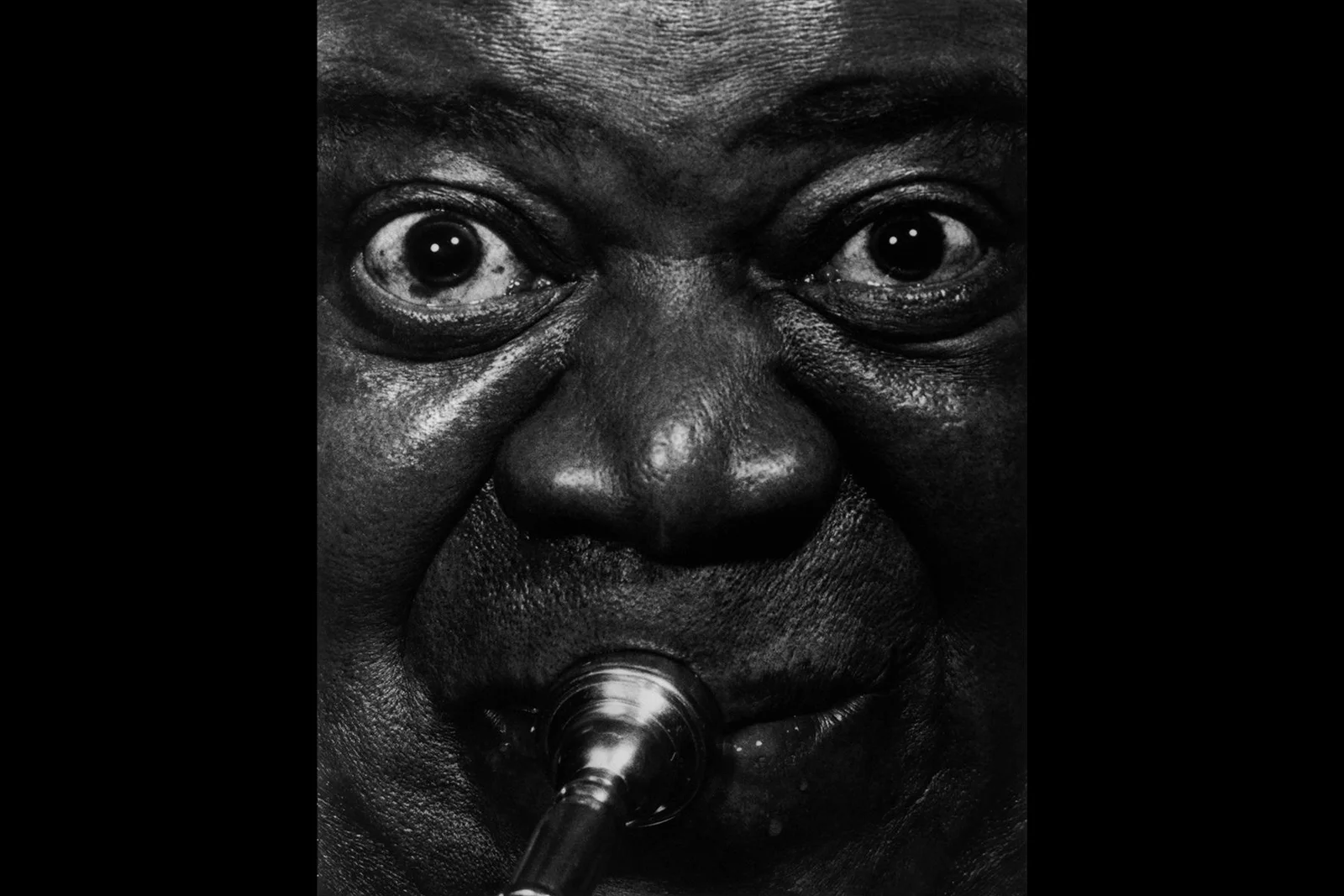
That young man was Louis Armstrong. He wouldn’t stay long — less than a decade. But the records he and his wife Lil Hardin Armstrong cut with their Hot Five and Hot Seven bands would bring Chicago’s sound to the world and establish it as a jazz capital.
The Windy City has blown its musical seeds all over the world since. We gave you the vocal stylings of Nat King Cole and Dinah Washington. We trembled in awe at the gusty tenor tradition of Gene Ammons, Johnny Griffin, Clifford Jordan and Von Freeman. We nurtured Herbie Hancock, jazz’s eternal innovator and sage for the next generation. And we forged the freethinking ethos of the Association for the Advancement of Creative Musicians (AACM).
A studio portrait of King Oliver and His Creole Jazz Band in Chicago, 1923, with Louis Armstrong fourth from left © Gilles Petard/Redferns via Getty Images