Boogie Wonderland
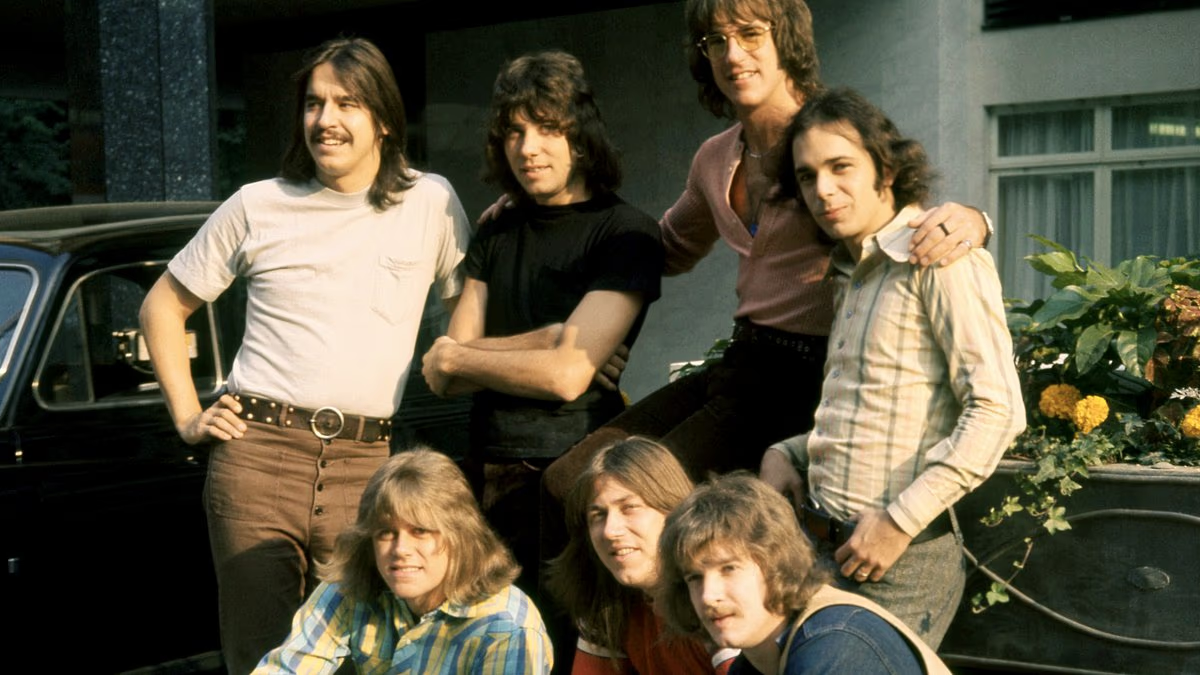
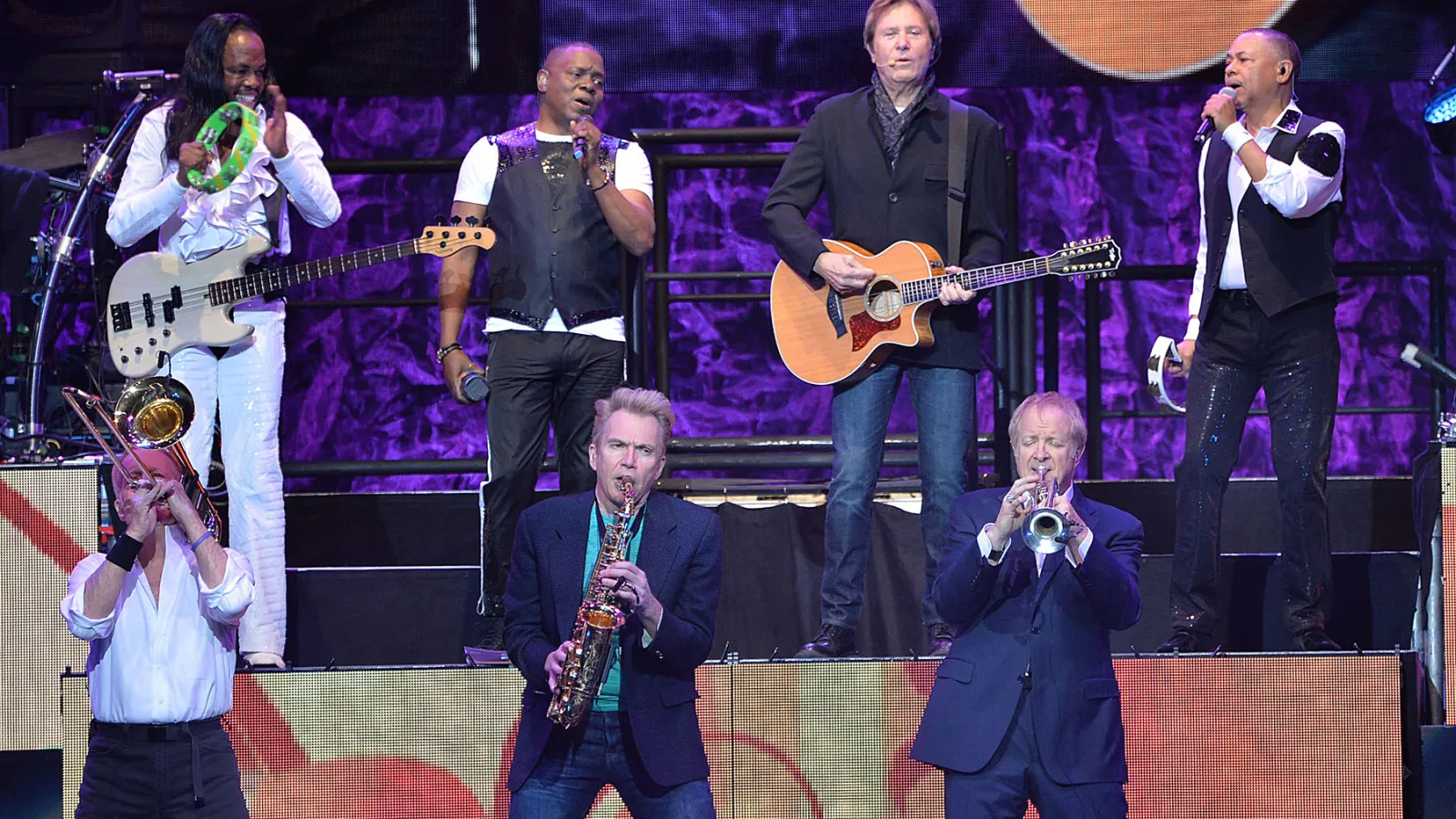
Both bands rose out of Chicago in the late 1960s, had a horn section, reluctantly went disco, hired songwriter-producer David Foster, and soldiered on after the most famous member left
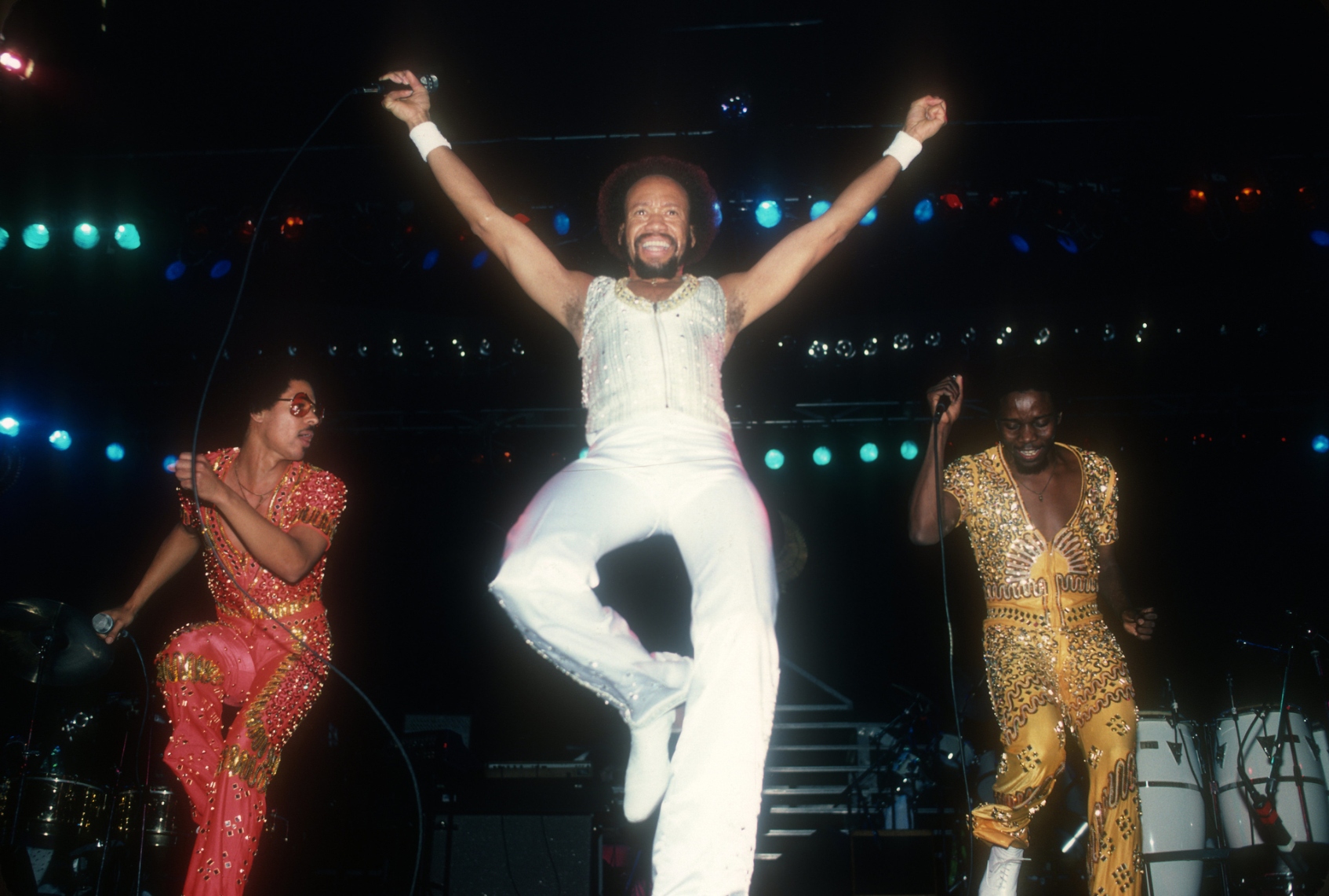
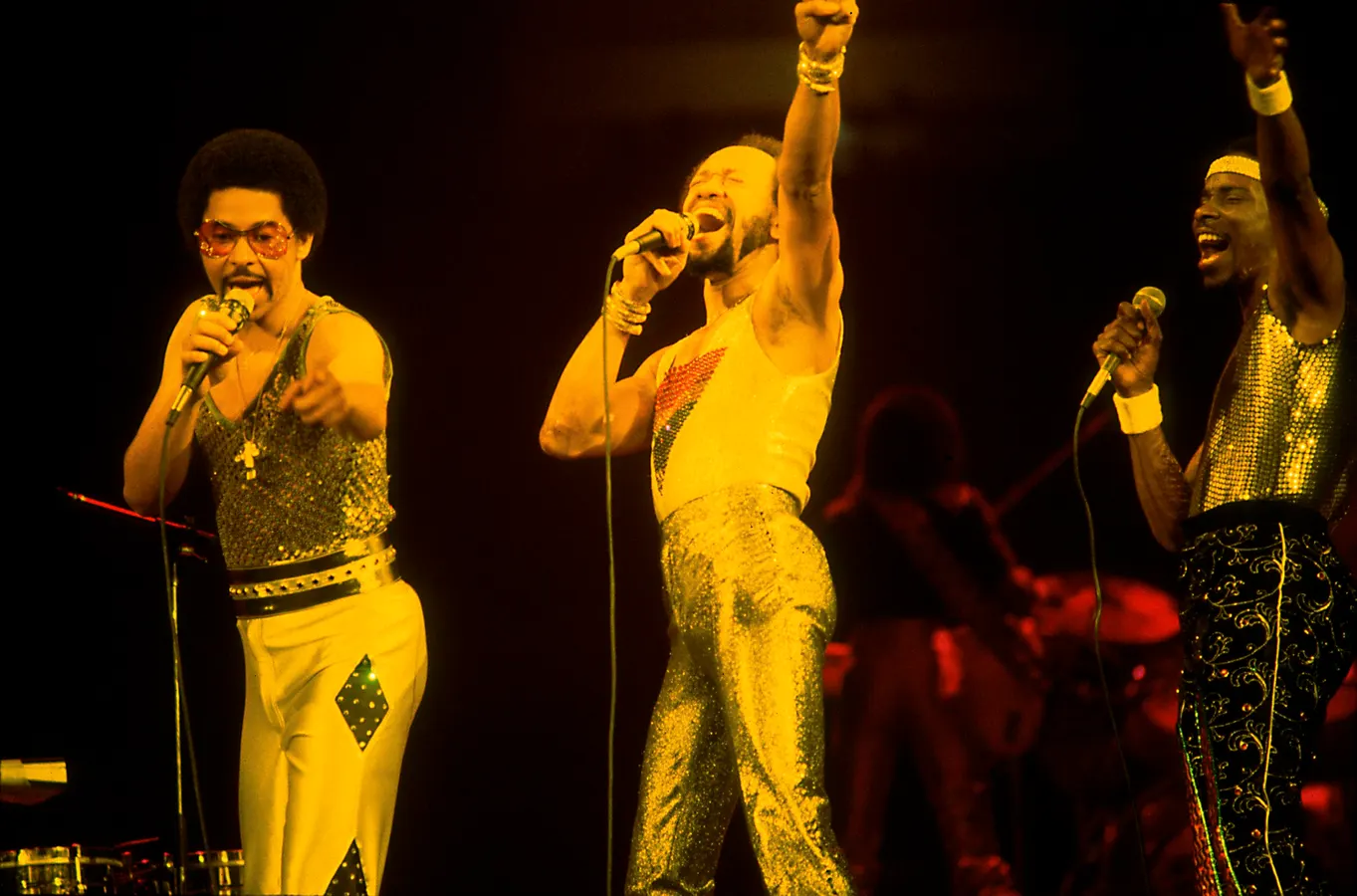
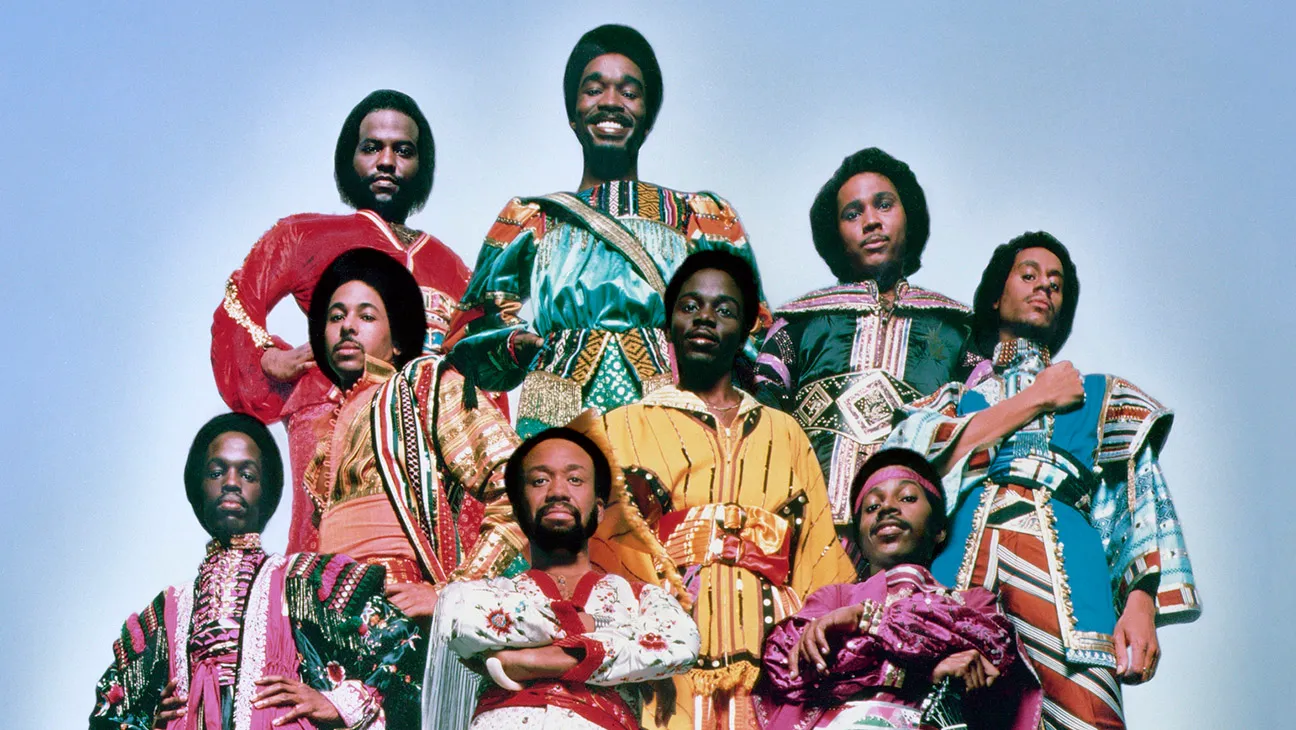
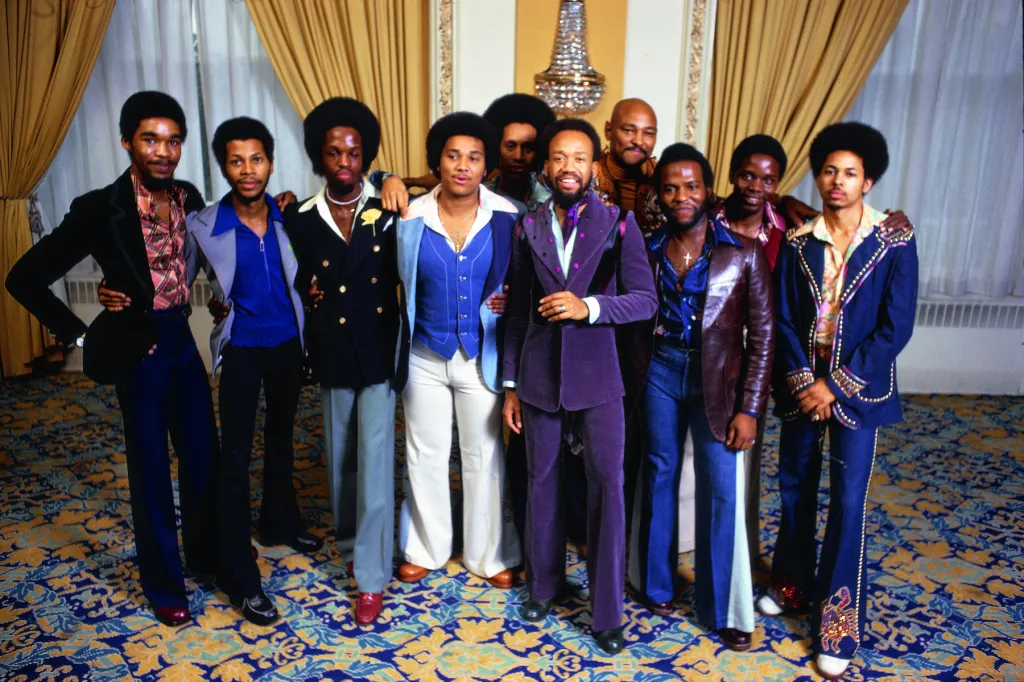
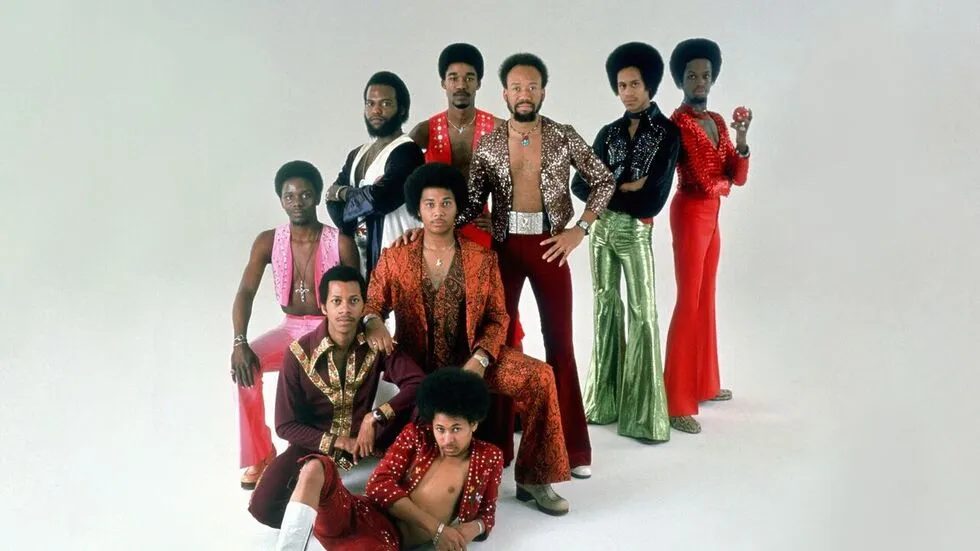
Questlove’s stellar new documentary Earth, Wind & Fire (To Be Celestial vs That’s the Weight of the World) shines a long overdue spotlight on one of the greatest R&B/funk acts of all time, and the genius of bandleader Maurice White. It traces the story from their earliest days in 1960s Chicago all the way to the present, utilizing stunning archival footage, and new interviews with the surviving band members.
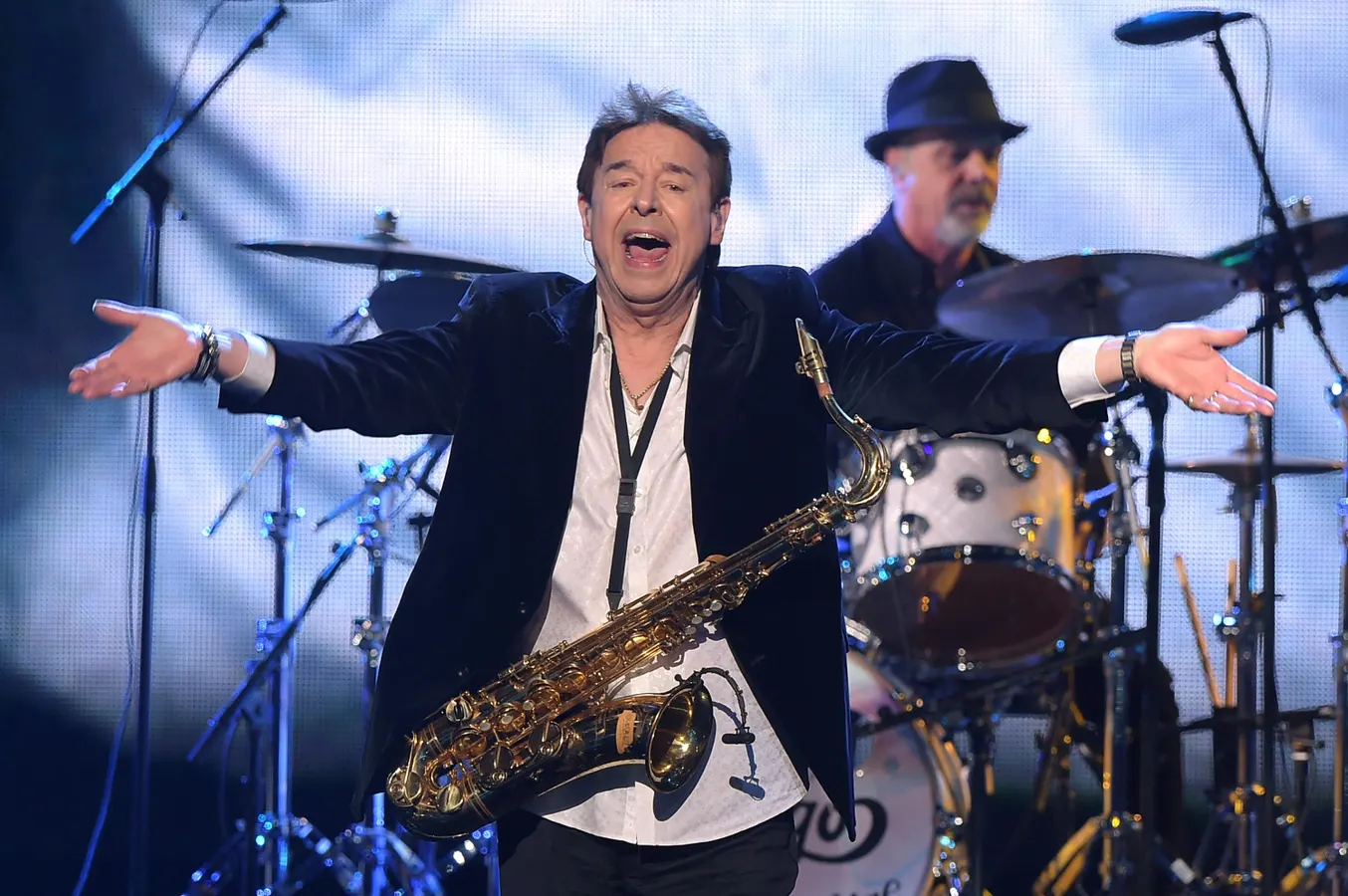
But a nagging sense of déjà vu rang through my head as I watched it for the first time, as if I’d somehow seen a version of this movie before. It wasn’t until they reached the David Foster era of the 1980s that I realized I was thinking of an entirely other band: Chicago, who were the focus of their own documentary, 2016’s Now More Than Ever: The History of Chicago.
At first, comparing the careers of the two groups might seem absurd. They occupied very different corners of the 1970s musical universe, Chicago was a true collective of talent while EWF was built around the vision of a single person, and the critics adored one and largely had disdain for the other. But when you dig deeper, there are so many parallels between the bands that it’s almost eerie. We can feel your skepticism, but stick with us while we break this out.