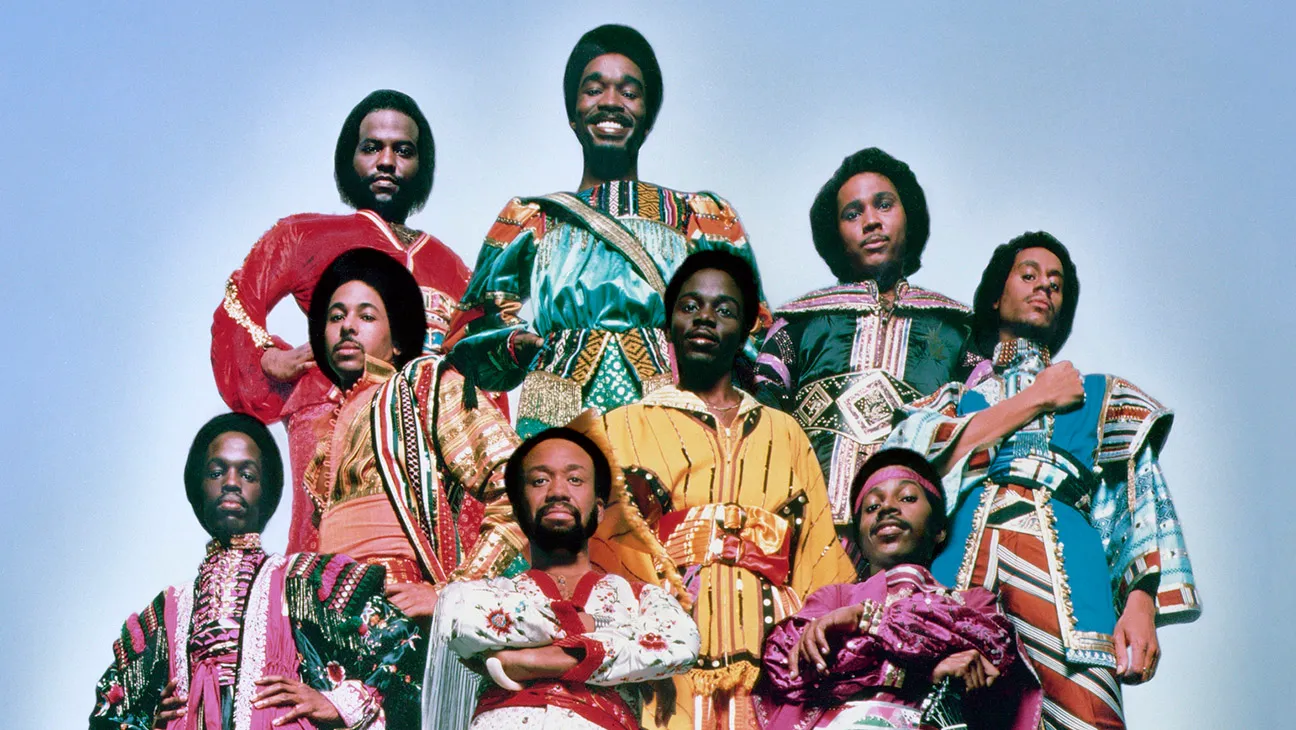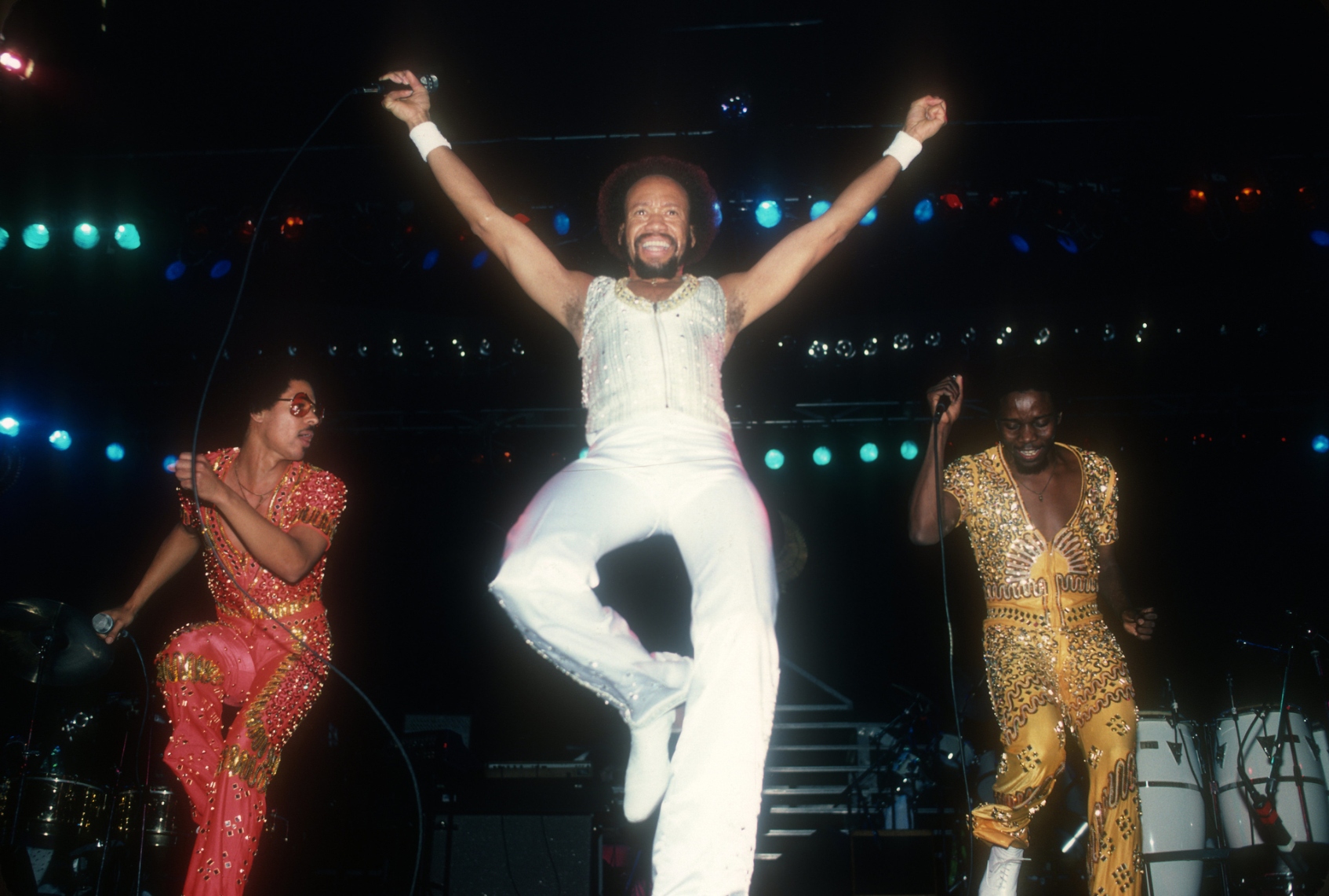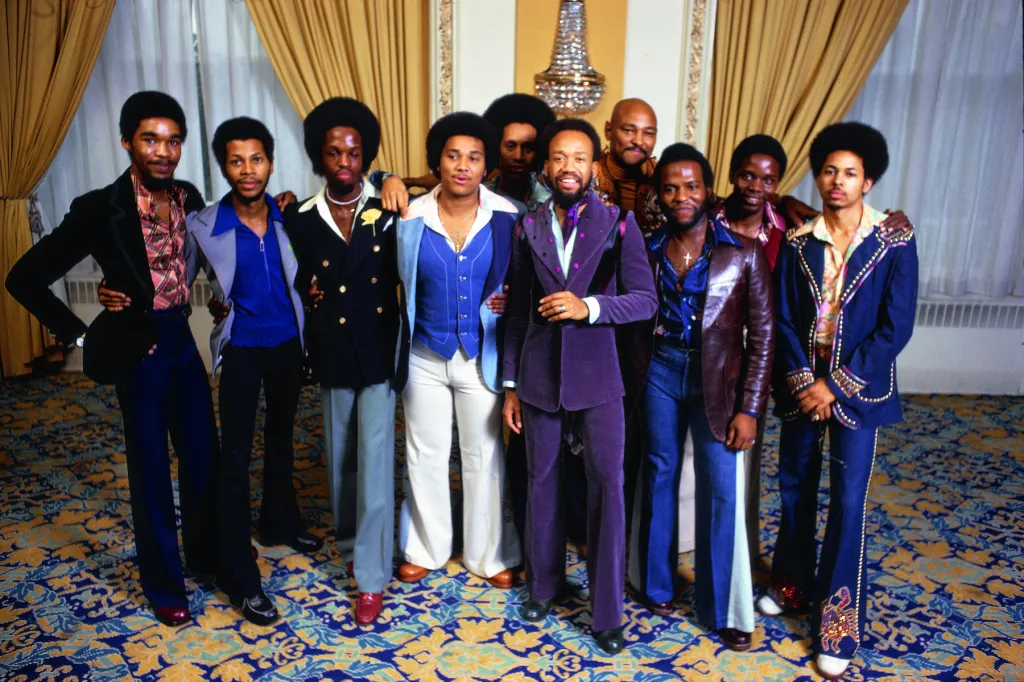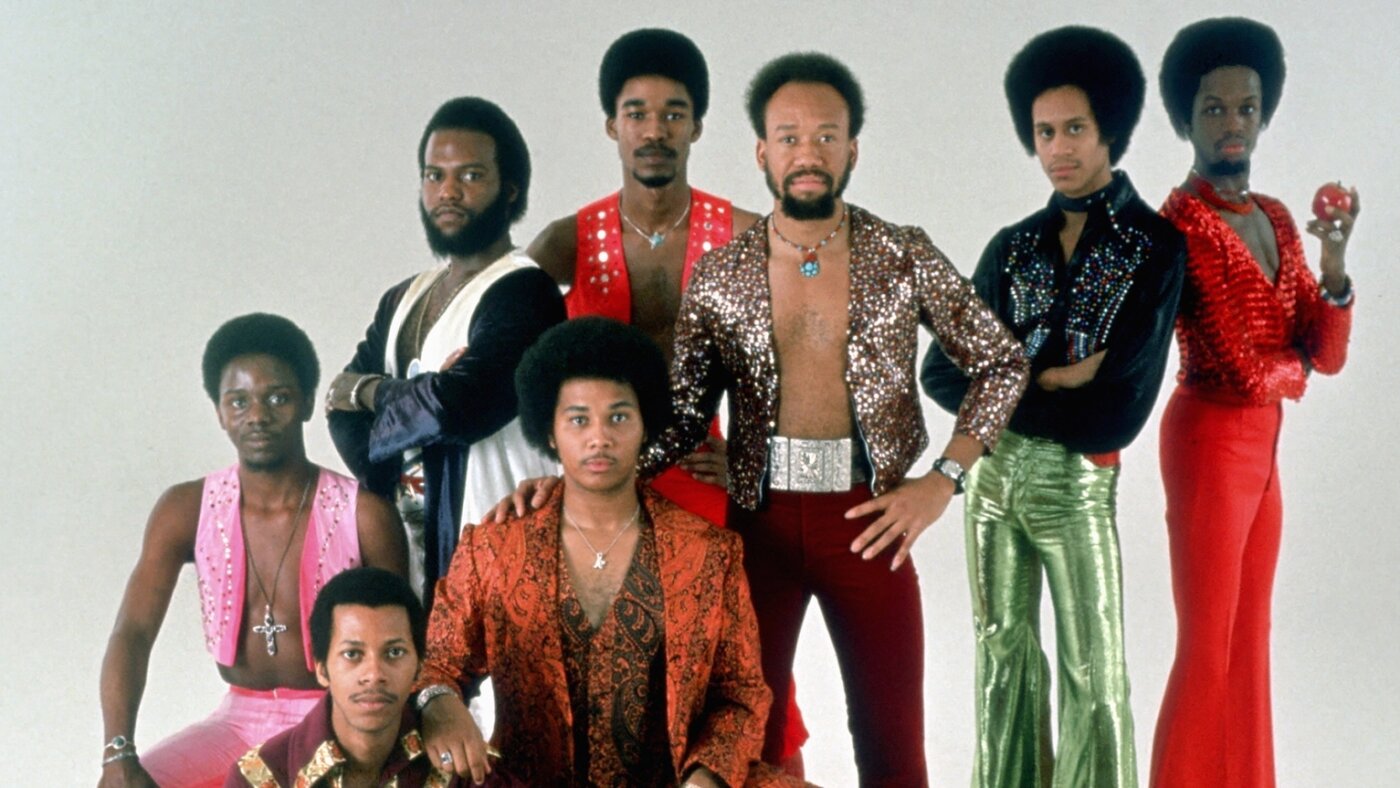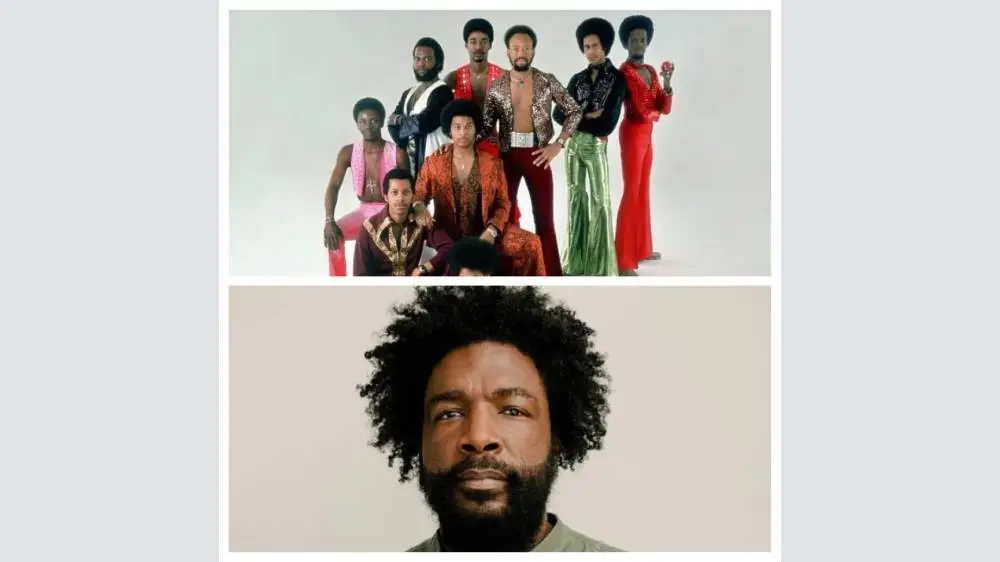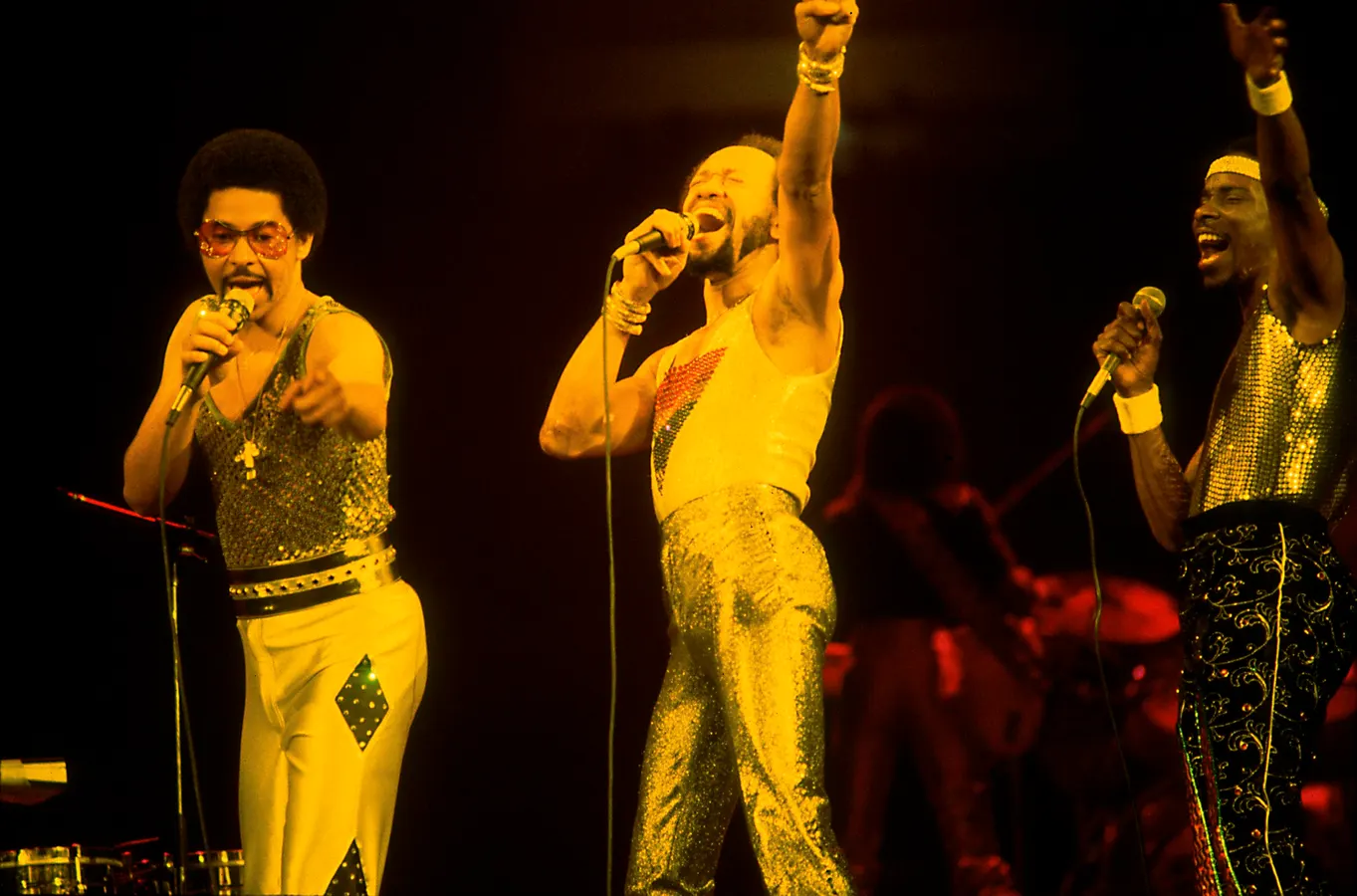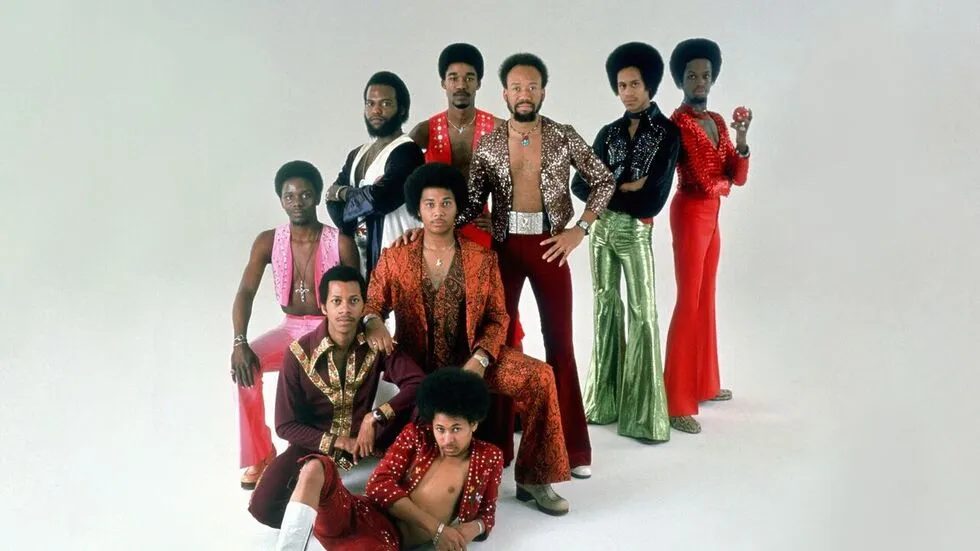
From the moment he unleashed “Summer of Soul (…Or, When the Revolution Could Not Be Televised),” it was clear that Ahmir “Questlove” Thompson was a born documentary filmmaker. But there’s a special quality to Questlove’s music films that only emerged fully in his second one, “Sly Lives! (aka the Burden of Black Genius).” And I felt it even more stirringly in “Earth, Wind & Fire (To Be Celestial vs That’s the Weight of the World),” the Questlove jawn that opened the Tribeca Festival tonight on a note of rousingly nostalgic but timeless joy.
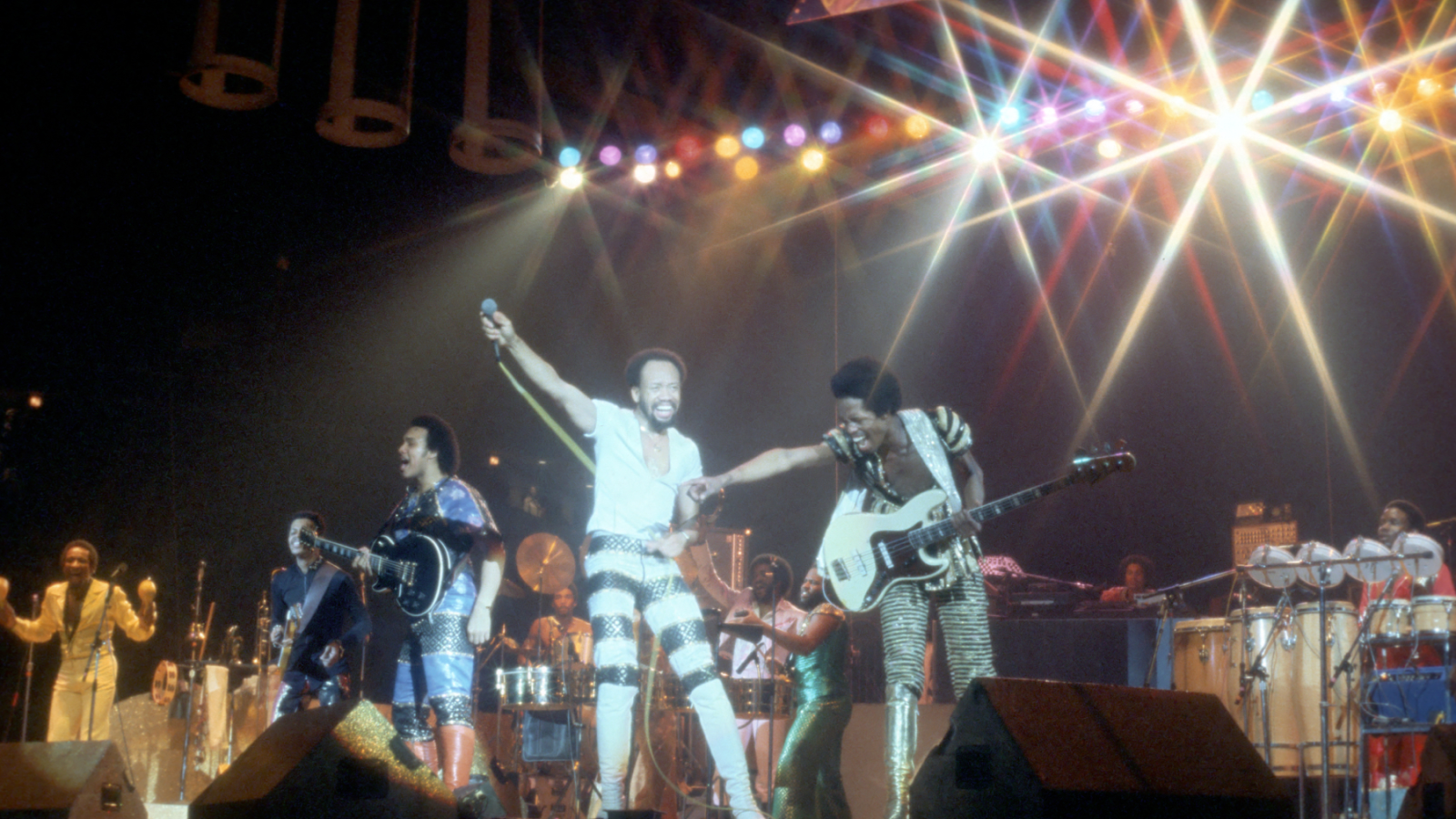
What Questlove brings to his movies isn’t just his outlook as a musician but as a scholar of pet sounds. He knows and understands the music from the inside out, the way every note of it can echo through our pleasure centers. And that has a unique resonance in the case of Earth, Wind & Fire, since their music was its own delectable synthesis (as Lionel Richie puts it in the film, “The funk was the funk, but the chords were jazz, classical. Meanwhile, it’s sitting on this tribal African beat”). EWF created some of the most ecstatic songs of their era (their secret sauce was the fusion of funk/soul and pop), and Questlove illuminates that magic.
I always like it when a music doc includes the voices of critics (as Lisa Cortés’s “Little Richard: I Am Everything” did). And while there are no official music critics in “Earth, Wind & Fire” (though there’s lots of sprightly commentary from the likes of Barack and Michelle Obama and Jimmy Jam and Stevie Wonder and Flea), Questlove fills that crucial space in a different way. The key critical voice in the movie is his. He’s analyzing the music, capturing what was bold and beautiful about it, scrutinizing how it sounded and what it meant, and he’s doing that with every cut and needle drop and impeccably observed detail about how the music was created (the film’s ace editors are Andrew Morrow, Matt Cascella, and Tim Ziegler). As a documentarian, Questlove isn’t an innovator; he’s a classicist, almost conventional in his approach. Yet he’s such a sharp director, with such an intoxicating appreciation of his subject, that he’s able to put the audience right inside the music.