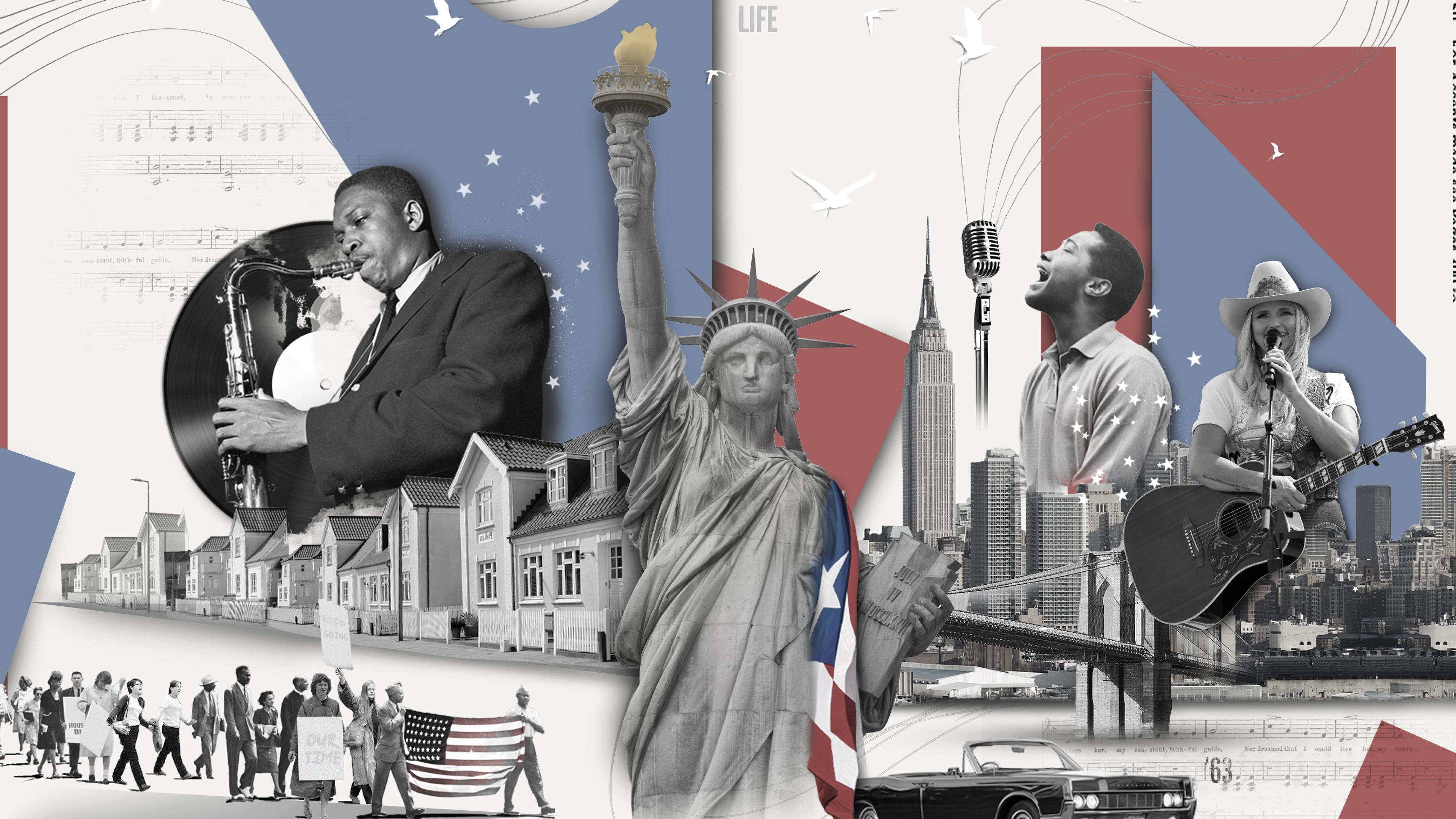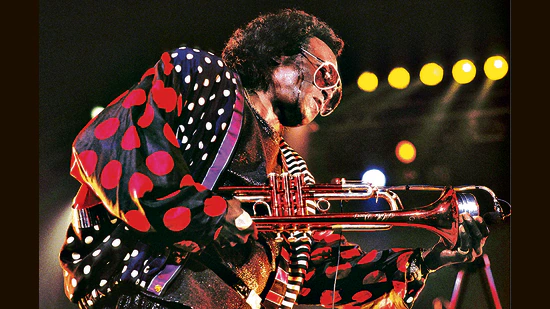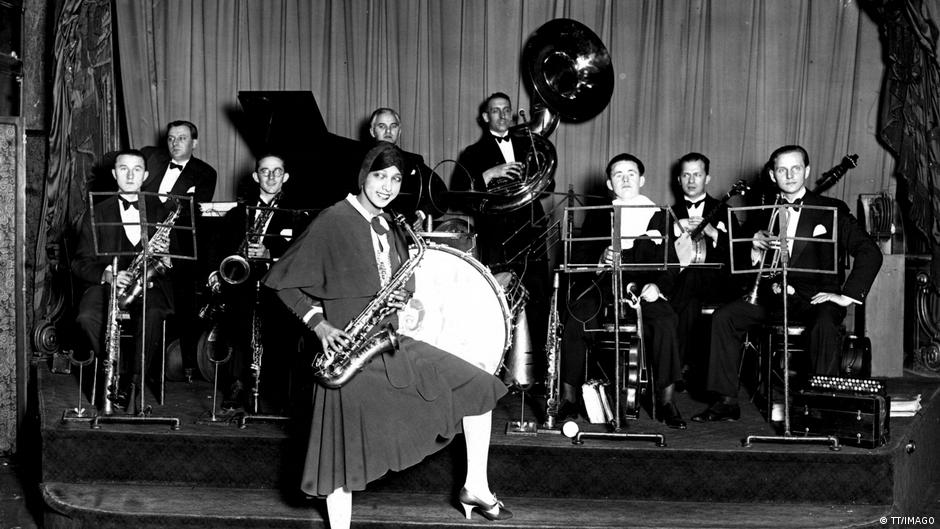
On April 30, International Jazz Day celebrated a music of freedom. Washington should see it as power. During the Cold War, the United States used jazz to outmaneuver Soviet propaganda and win hearts and minds without firing a shot. It worked. Today, as global competition sharpens, America is sidelining one of its most effective tools of influence. It is past time for the United States to bring music back into its diplomatic repertoire, stop missing the beat and reclaim its cultural cadence. Both the United Nations and UNESCO formally recognize International Jazz Day on their official calendars. Today, International Jazz Day is celebrated worldwide, including in countries such as China and Russia, where jazz concerts and cultural programming have become part of the observance.JOIN US ON TELEGRAMFollow our coverage of the war on the @Kyivpost_official. During the cold war, the US State Department turned to jazz musicians as a frontline tool of cultural diplomacy, countering Soviet propaganda while promoting America’s image as a free nation. As USIA Director Theodore Streibert put it: “Our job is to tell the world who we are, what we stand for and what we believe in.” In 1955, the Voice of America launched a jazz program hosted by Willis Conover, broadcasting American music deep into the Soviet bloc and reaching millions behind the Iron Curtain. In a closed society built on control, even musical freedom carried political meaning. The Kremlin feared jazz’s expression of individualism and rebelliousness. Stalin banned the saxophone and jazz. Khrushchev was no admirer of jazz, either. What made jazz dangerous was not the sound, but the idea behind it: improvisation, spontaneity, individual voice.
Opinion: America Should Rediscover the Soft Power Potential of Its Music
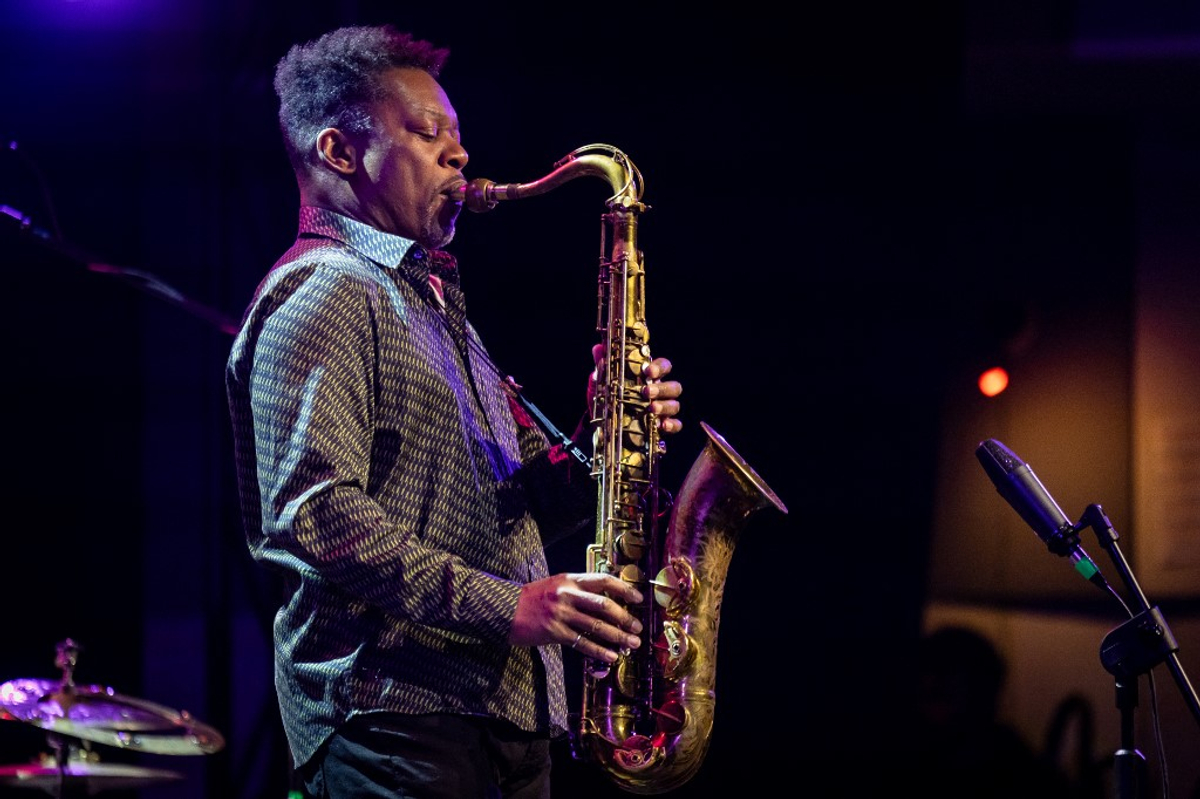
What made jazz – the quintessential American music – dangerous was not the sound, but the idea behind it: improvisation, spontaneity, individual voice.
1,097 words~5 min read