O
ne of the challenges of comprehending the current moment in the United States is that it requires knowledge of a different set of historical references than the usual ones. We are accustomed to seeing presidents summon the aura of Ronald Reagan on the right and John F. Kennedy on the left. Most references, sensibly, are to the high point of America's military and economic might in the decades since the end of the Second World War.
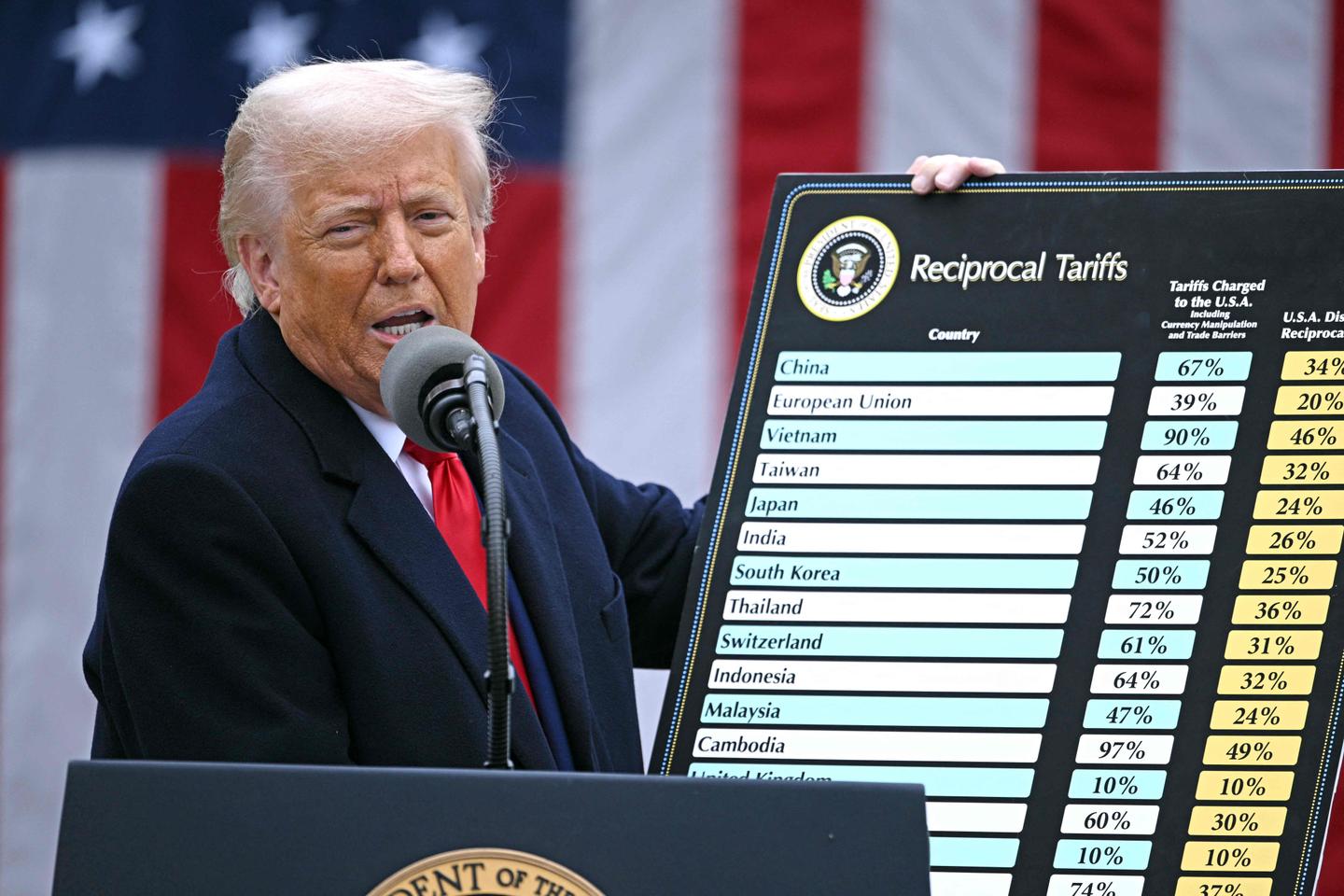
Yet Donald Trump harks back to an earlier moment, indeed to an earlier century. Trump's most common reference is to President William McKinley, inaugurated in 1897 and not particularly well-known even in the US itself. Explaining the abduction of Venezuelan President Nicolas Maduro and his wife, Trump's favorite allusion has been to the Monroe Doctrine – updated to the "Donroe Doctrine" – first articulated in 1823 under President James Monroe, a leader even less famous than McKinley.
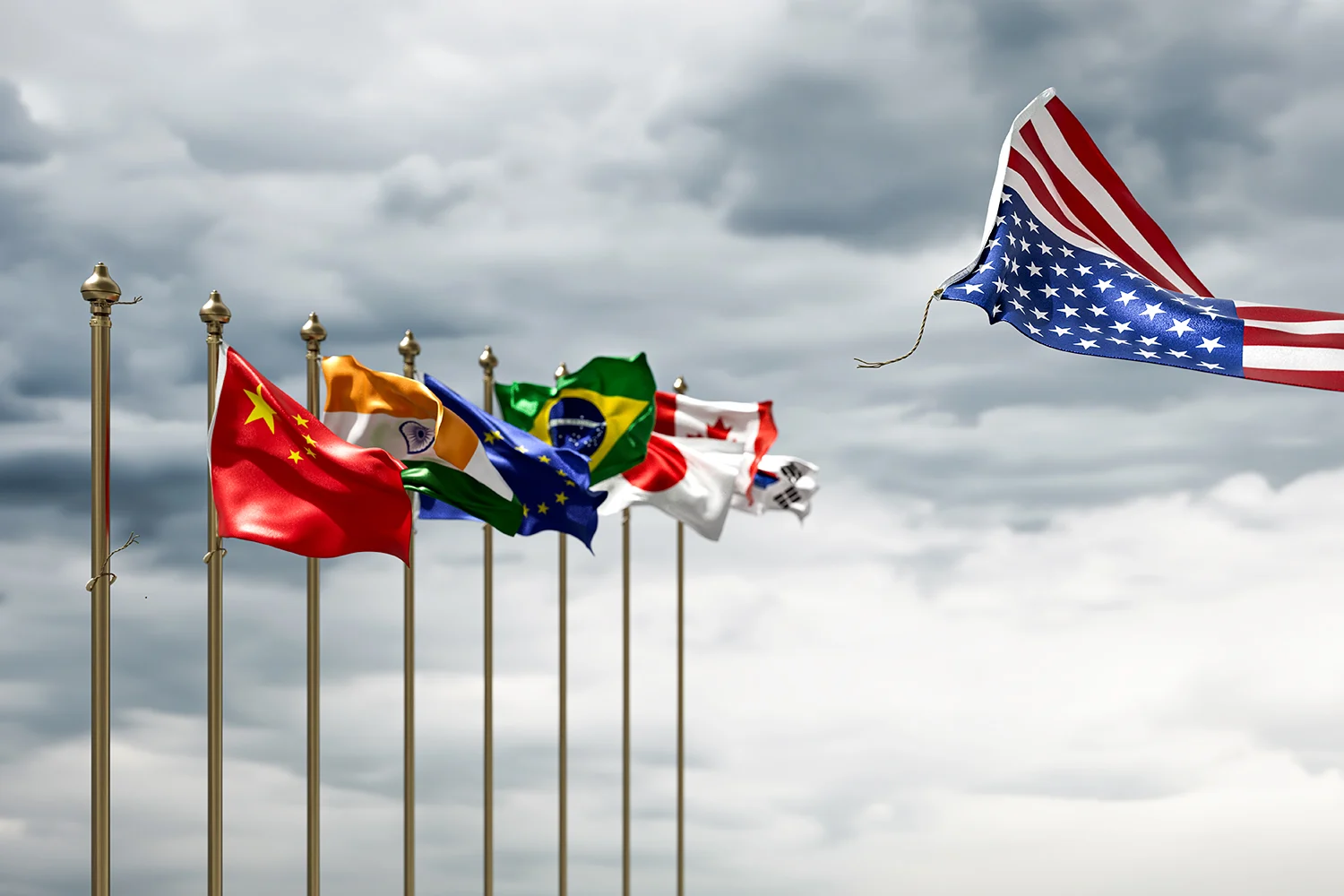
“We were at our richest from 1870 to 1913,” Trump said last year. It was a dubious claim. After all, most striking about the 19th-century talk is that America was not number one at that time but one empire among many. Understanding why the 19th century has become a usable past is essential to making sense of the present.