In a might-makes-right world, US allies, not to mention the emerging powers of the global south, would begin to hedge their bets in dangerous ways
W
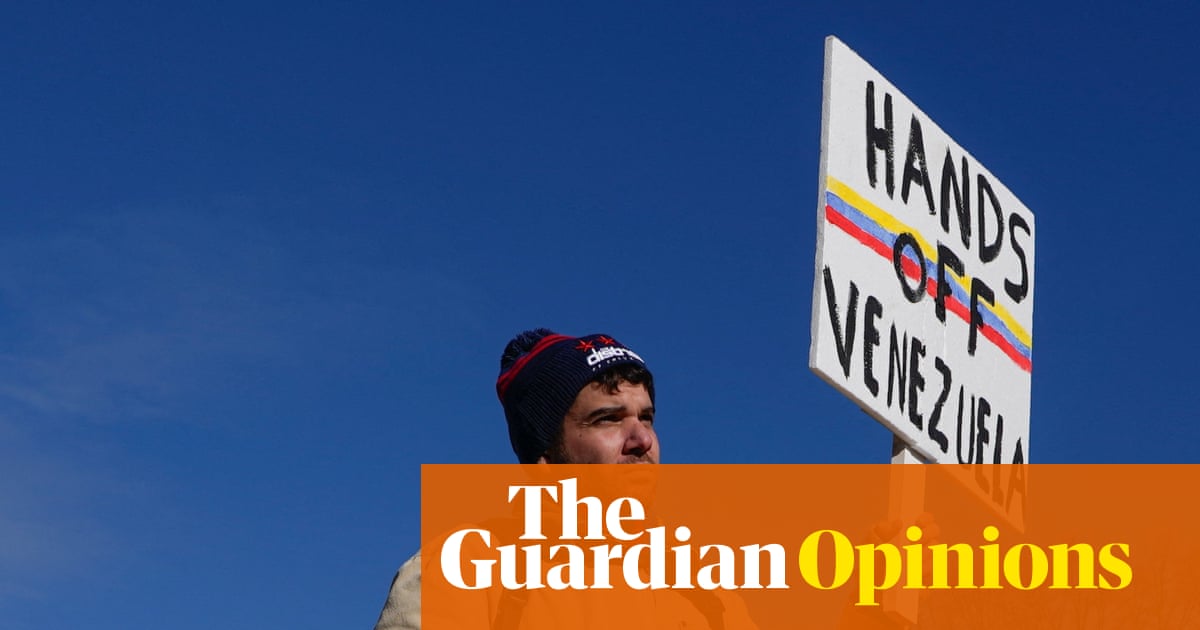
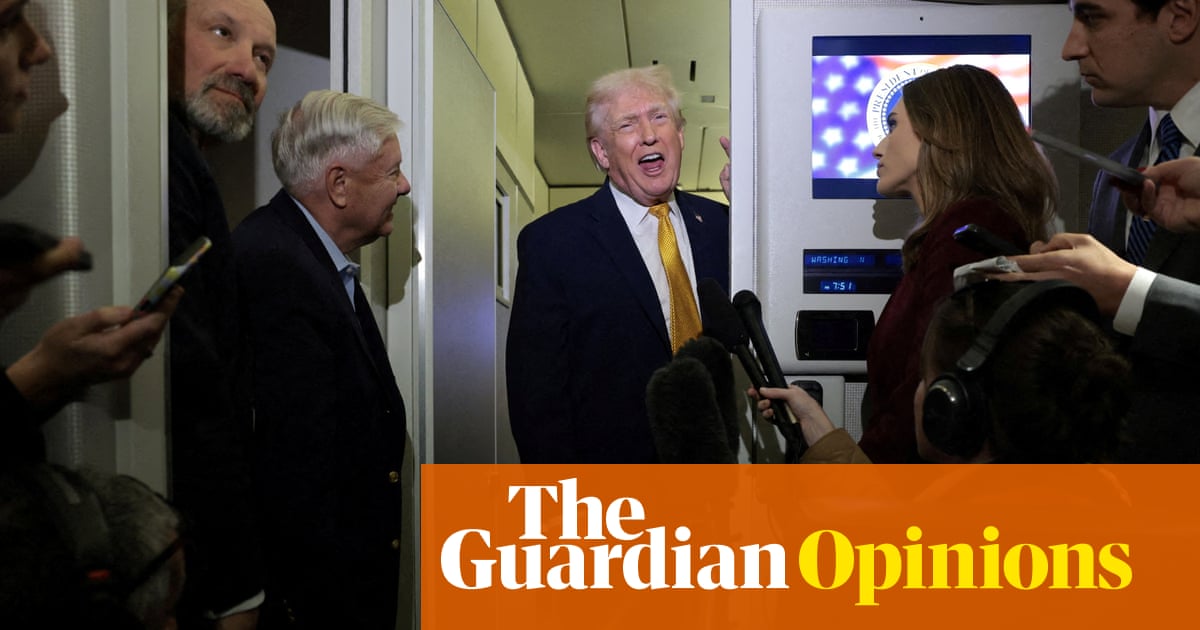
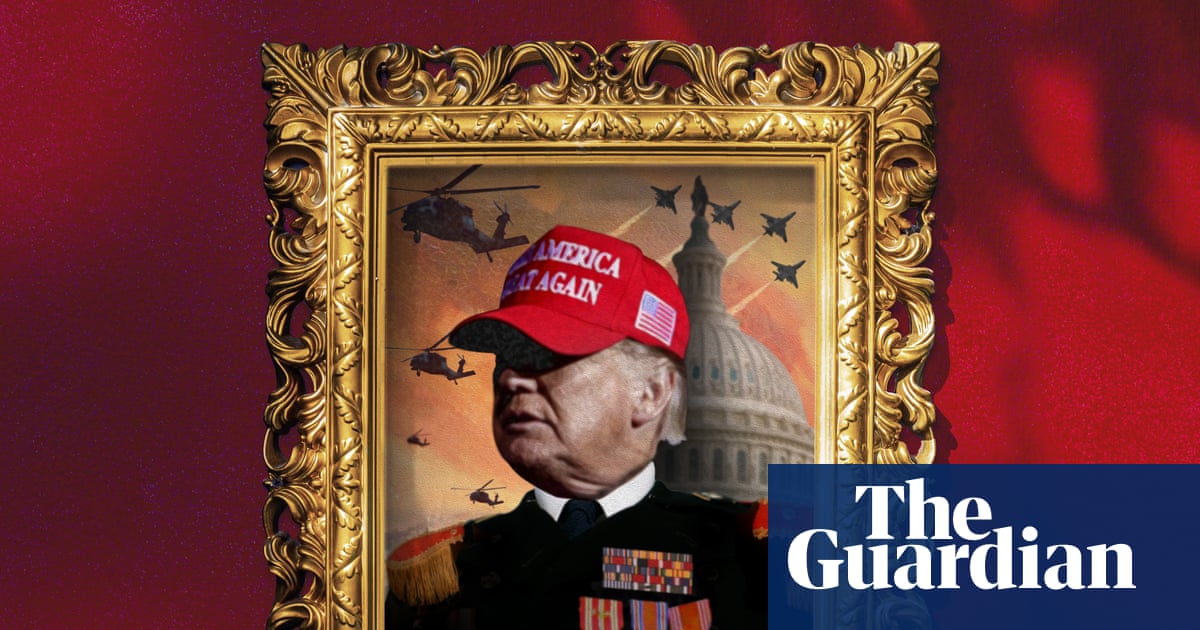
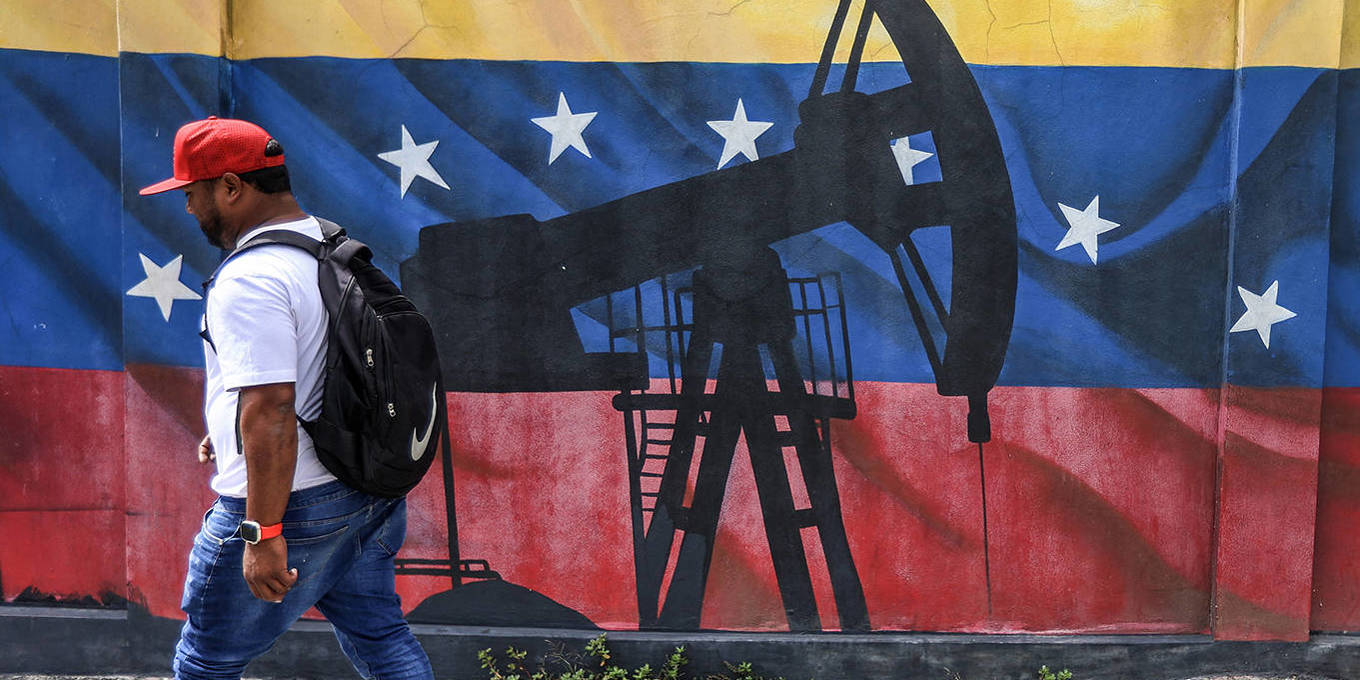
hat is wrong with resurrecting the prerogative of major powers to claim a sphere of influence in which they dictate and others must follow? That idea informs the “Donroe Doctrine” behind the US invasion of Venezuela to seize Nicolás Maduro. Donald Trump seems to believe that, as the world’s strongest military power, the United States should be allowed to invade other countries at will. Trump’s homeland security adviser, Stephen Miller, says “the real world” is “governed by strength”, by “power”, so we should get used to it.
There is a beguiling simplicity to this abandonment of the norms long designed to govern the behavior of states big and small. China has touted it as the reality that its Asian neighbors must live with. Russia, a third-tier power by comparison but still a nuclear-armed regional heavyweight, has periodically treated the boundaries of post-Soviet states as mere suggestions. But do we really want to return to the law of the jungle in which the guy with the biggest stick calls the shots?
Trump’s distaste for any constraints on US power did not emerge in a vacuum. The US government has long considered international law to be what Lilliputians use to restrain Gulliver. That wariness lies behind, for example, Washington’s reluctance to accept international standards that most others view as benign, such as the First Additional Protocol to the Geneva Conventions (articulating modern standards for warfare and ratified by 175 states), the Convention on the Rights of the Child (the US is the only nation in the world not to have ratified it) or the Law of the Sea Treaty (171 state parties). Joining the international criminal court (ICC) is deemed beyond the pale.