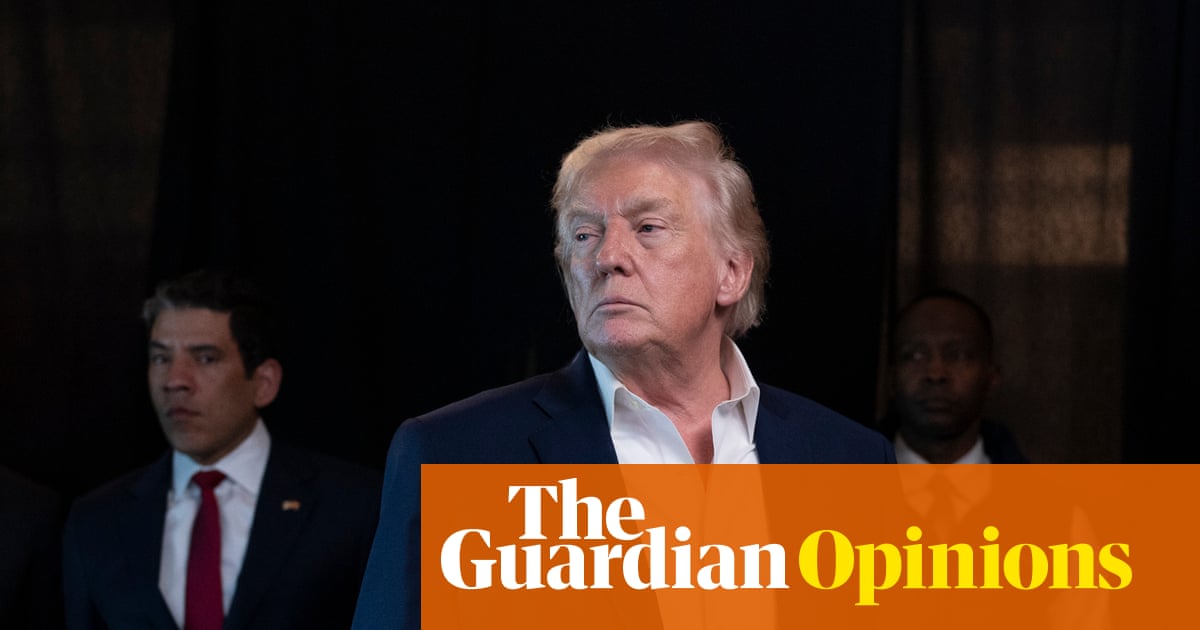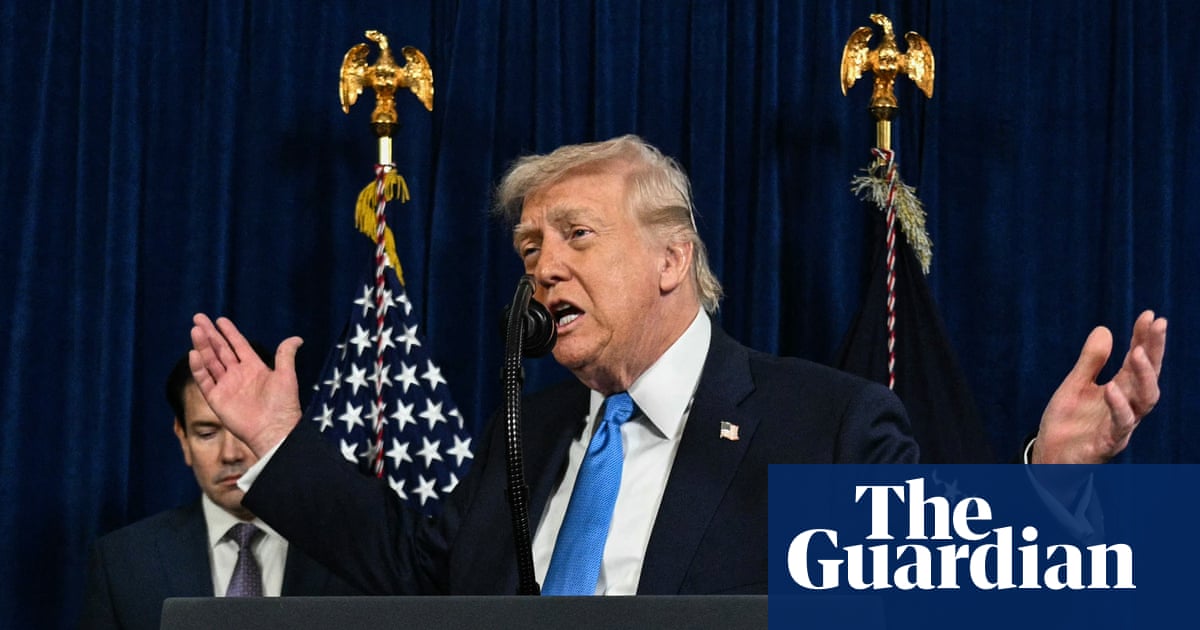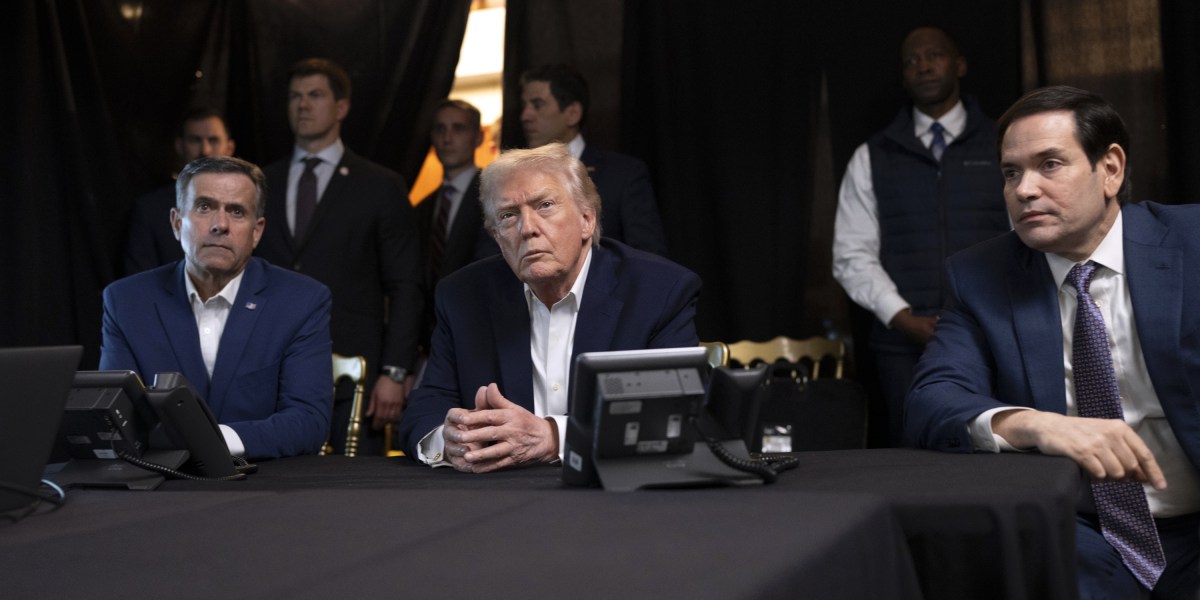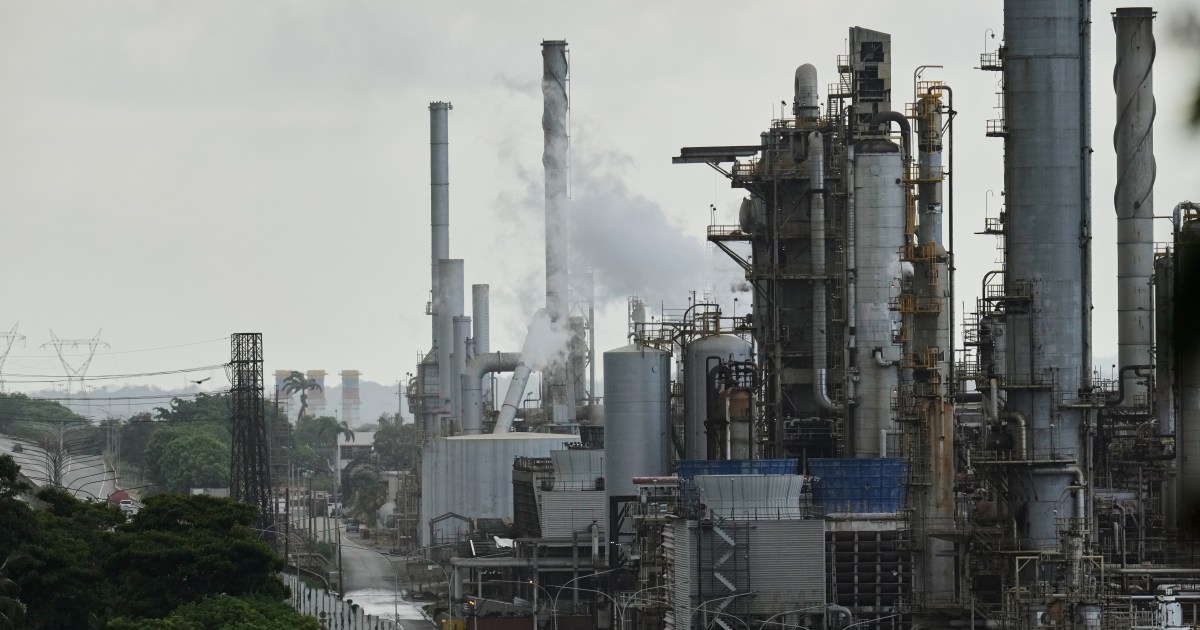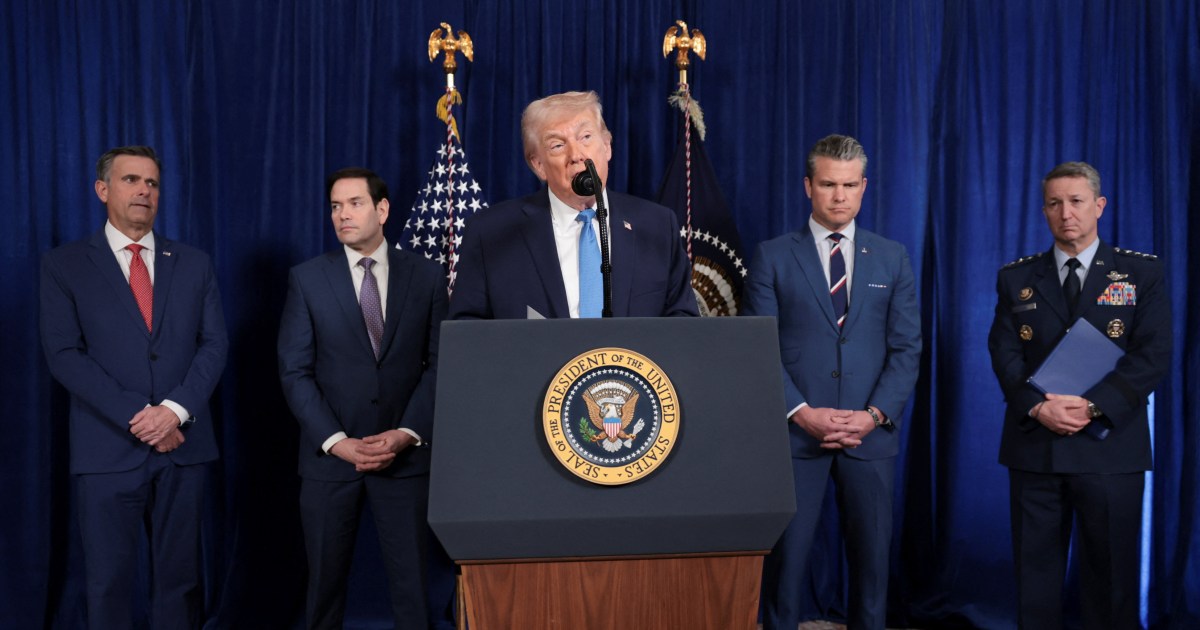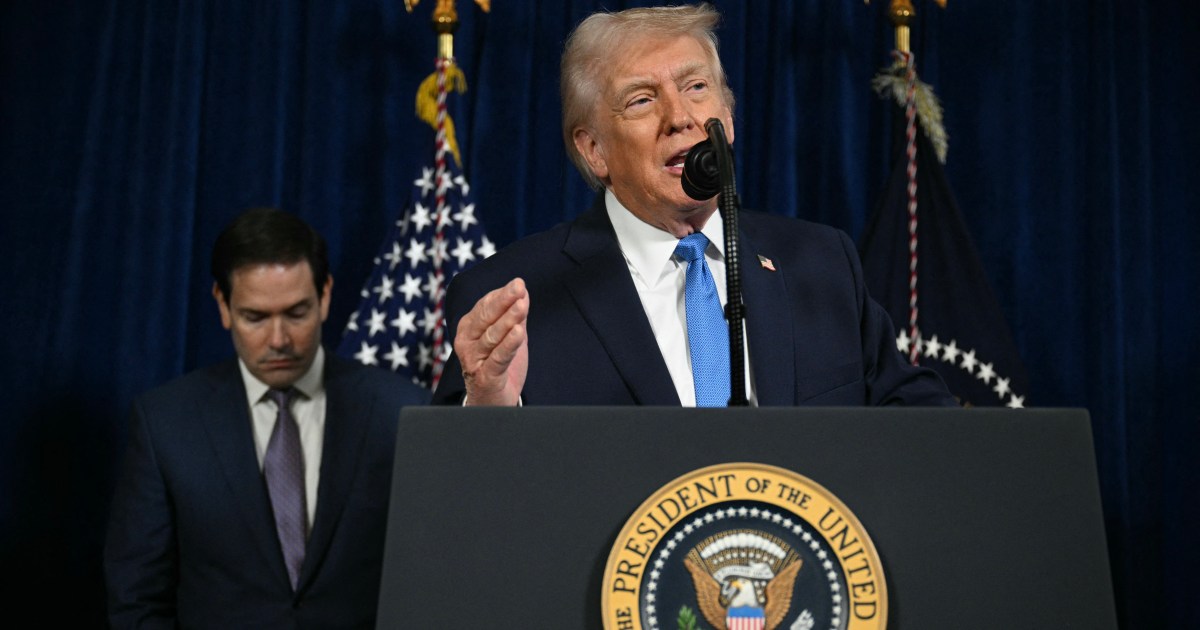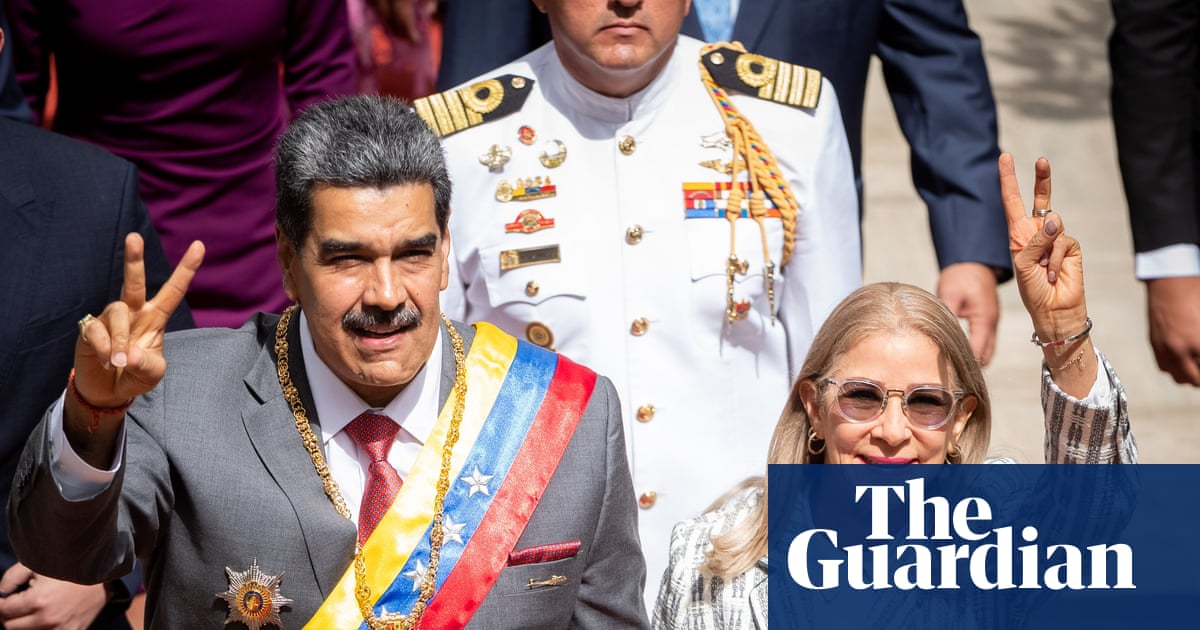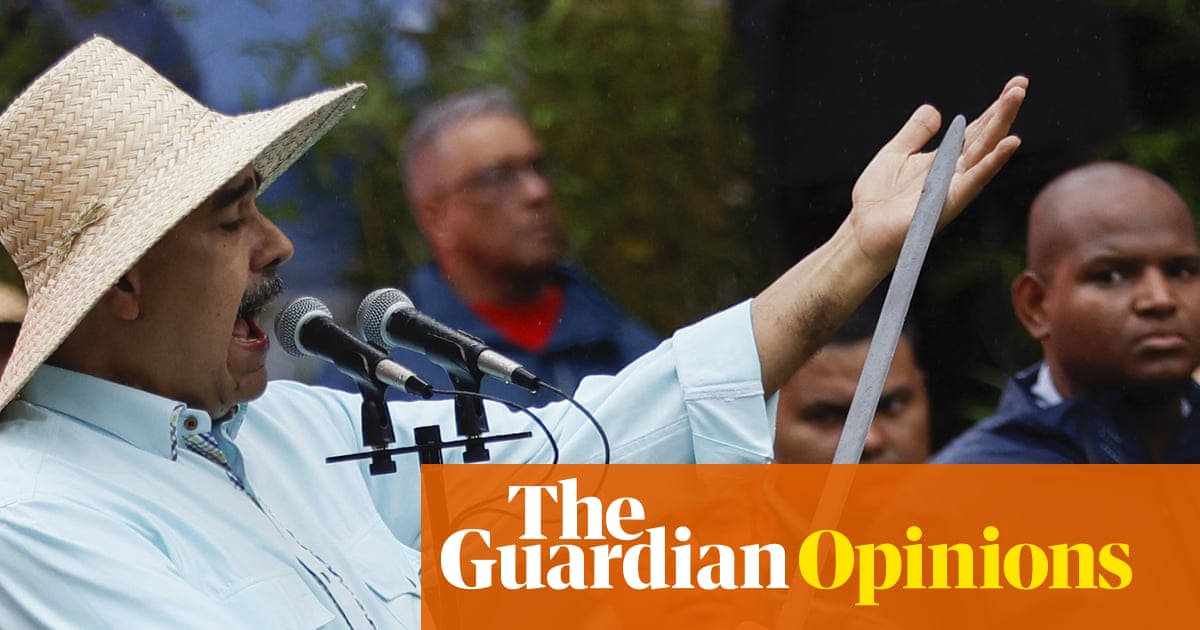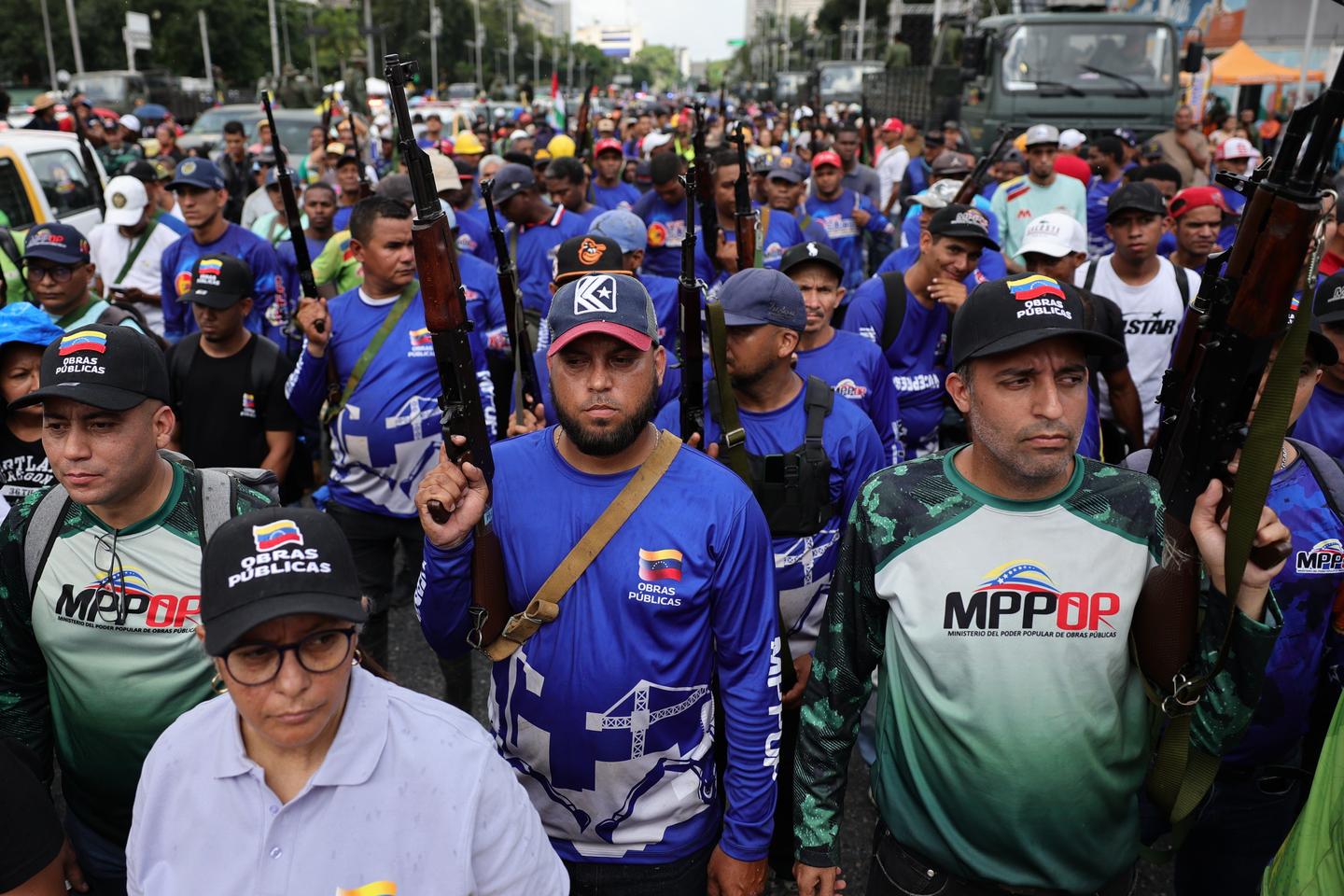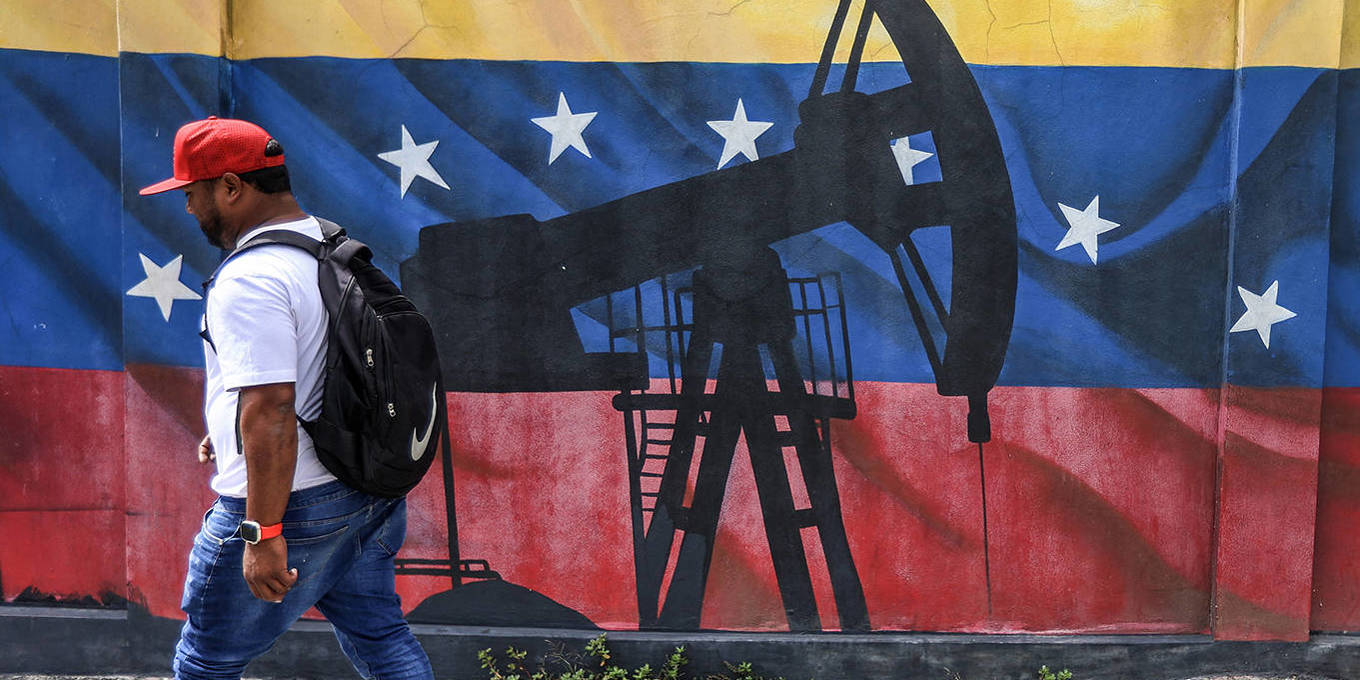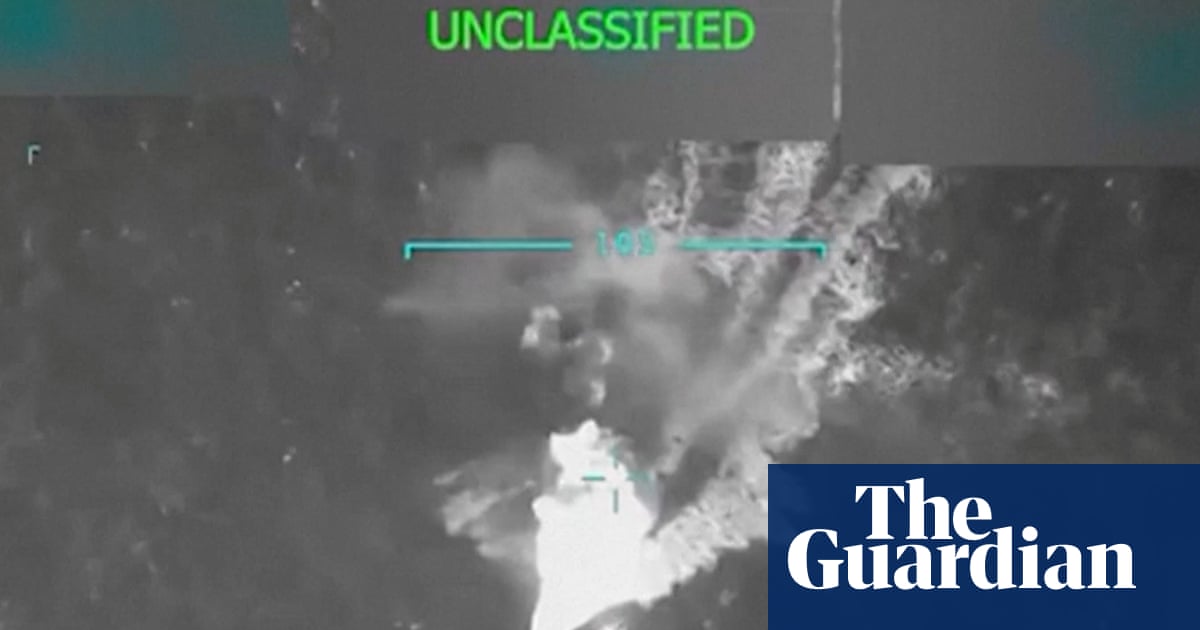
President Donald Trump’s Saturday move to abduct Venezuelan President Nicolás Maduro and attack his country, killing 80 soldiers and civilians, could reshape Venezuela ― particularly after Trump subsequently said the U.S. will now “run” the country and bolster access to its huge oil reserves.
While the Trump administration outlined its intentions for Maduro, aiming to prosecute him in New York on drug trafficking charges, Washington has provided few details on its hopes or plans for Venezuela, a nation of 28 million people that has already endured political repression, corruption and a severe collapse of living standards spurring a refugee crisis, in part because of years of American sanctions.
Secretary of State Marco Rubio on Sunday argued U.S. involvement could be more modest than Trump suggested, using an American naval build-up off the Venezuelan coast to halt oil exports, the country’s chief source of income, and to pressure the government in Caracas, now led by Vice President Delcy Rodriguez, to alter its policies.
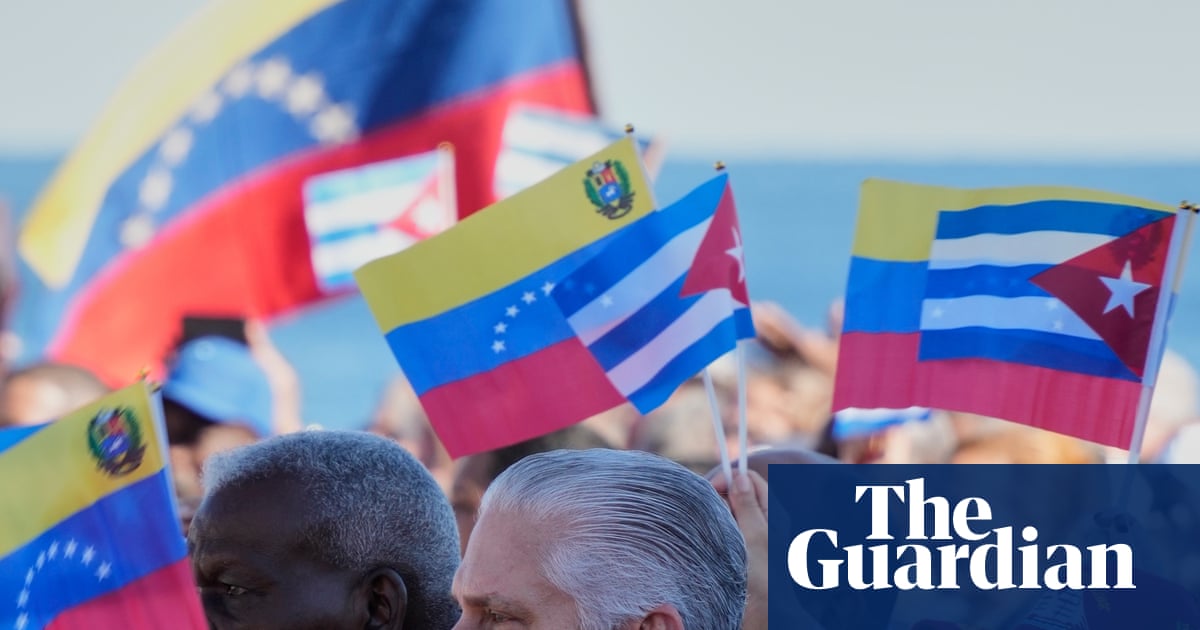
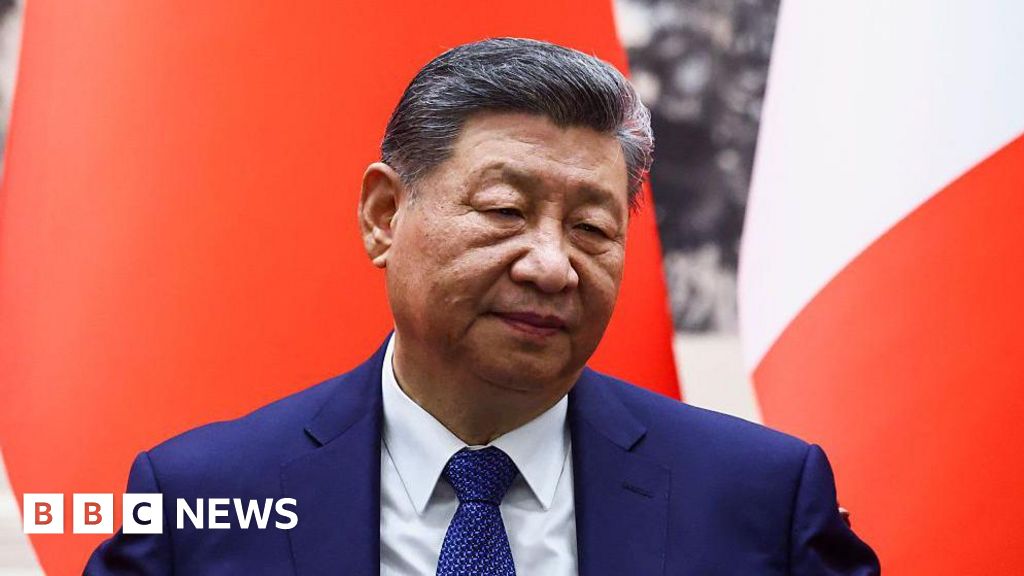
But the drastic changes the administration appears to seek ― American companies rebuilding the Venezuelan oil industry, an overhaul of Venezuelan society, and the country aligning with the U.S. against long-time partners Cuba and China and against drug traffickers ― will likely require significant American resources and attention. And fears persist that Trump could pursue further military action and/or other reckless moves, particularly given accusations the Maduro kidnapping was illegal and that the administration is shirking its responsibility to consult with Congress on entering a conflict. (Officials are calling the operation a law enforcement effort.)