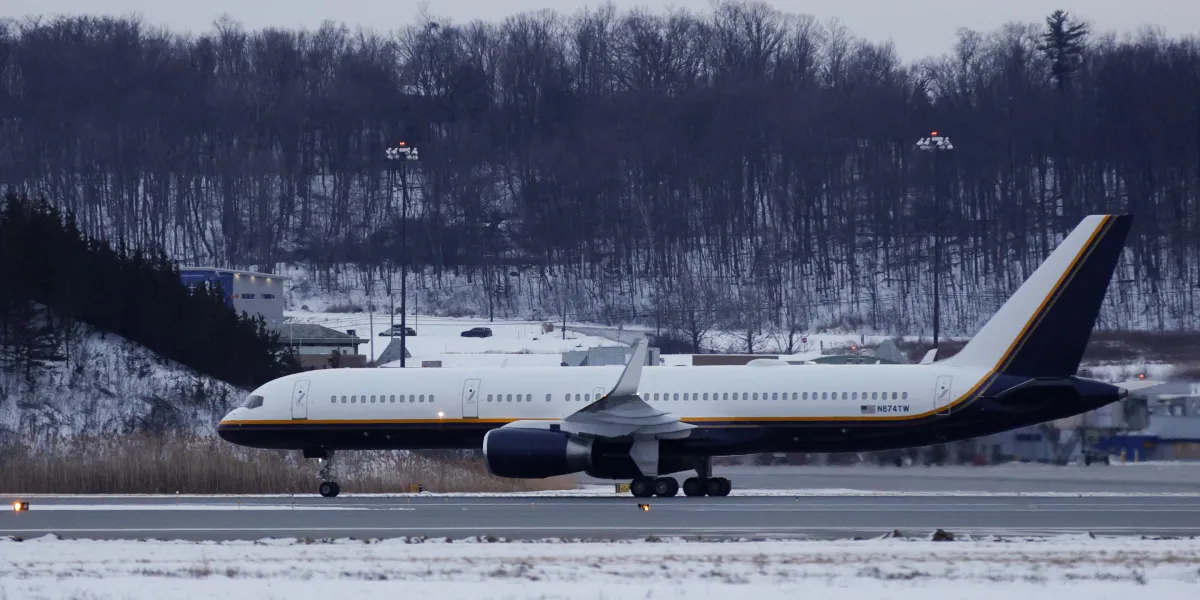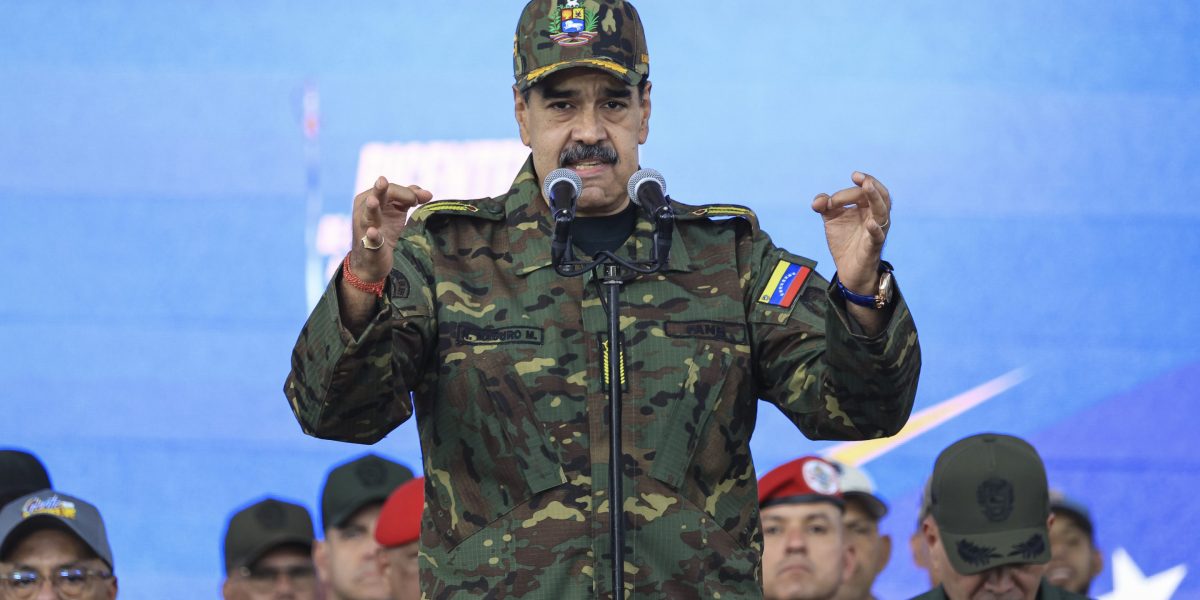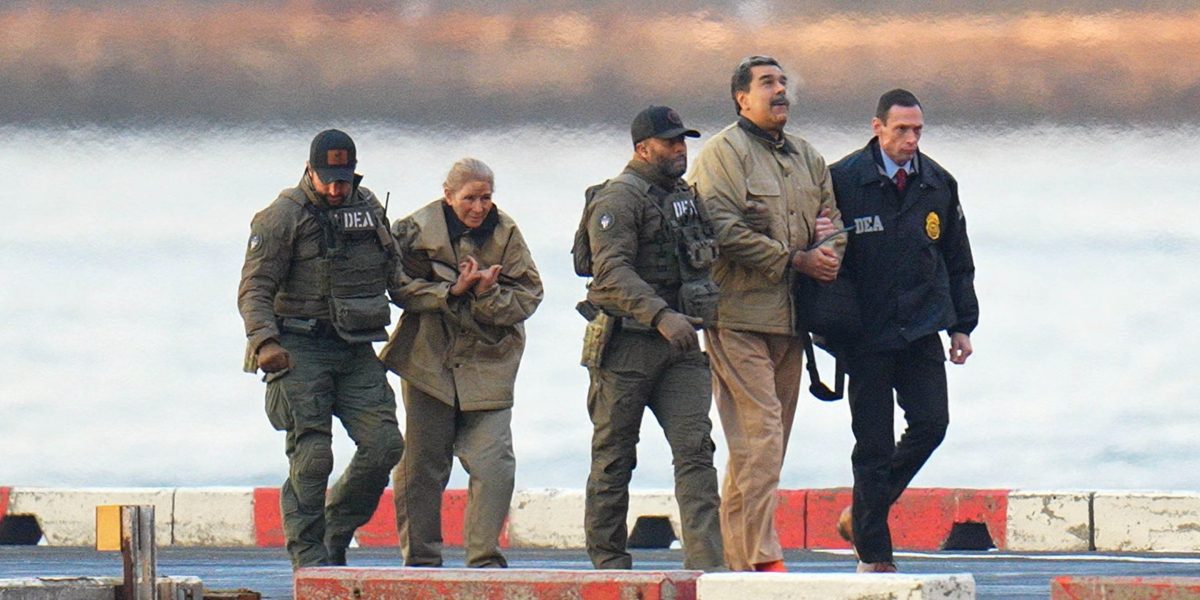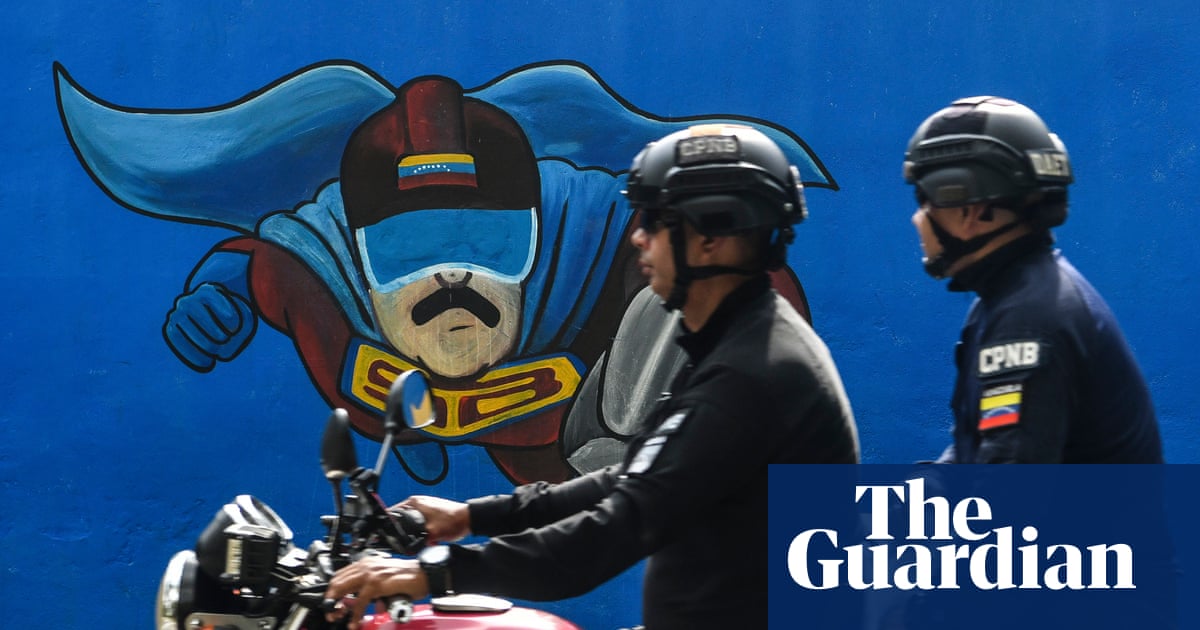
The predawn U.S. military operation that spirited Nicolás Maduro and his wife out of Venezuela and into U.S. custody marks a watershed in hemispheric politics. In an operation that lasted just over two hours, American forces removed a foreign president. It followed months of saber-rattling and a steady buildup of America’s regional forces.
Whether under the banner of counter-narcotics or regime change, the message is unmistakable: The U.S. is prepared to act unilaterally, forcefully and, potentially, illegally. And this will have broad ramifications across Latin America, not least for Venezuela itself.
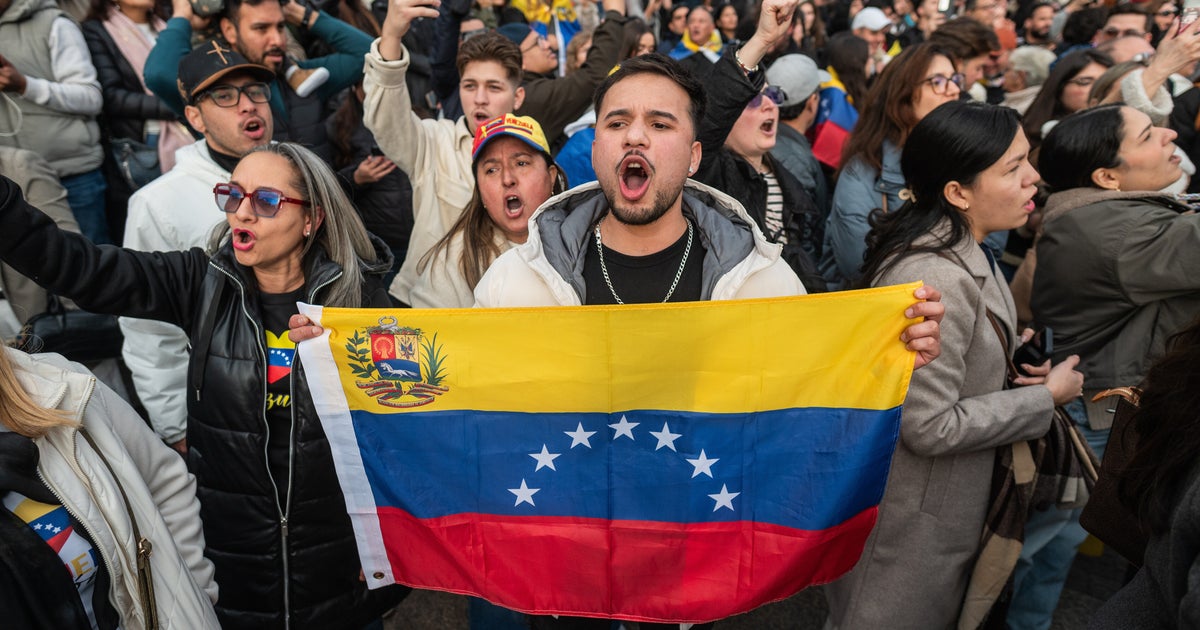
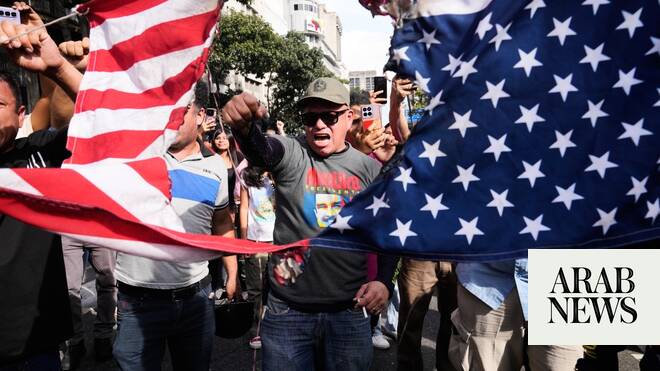
The reaction to the U.S. intervention from across the region was instantaneous. Colombia rushed troops to its frontier, bracing for potential refugees and denouncing the strikes as an affront to regional sovereignty. Cuba joined Iran, Russia and other foes of Washington in condemning the raid at the United Nations. A handful of governments, notably in Argentina, offered ringing endorsements.
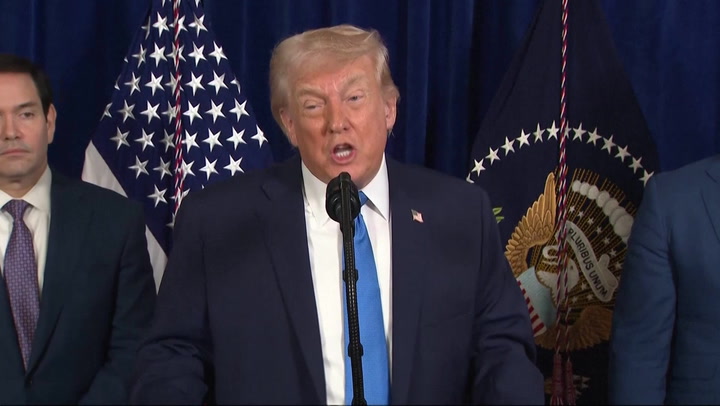
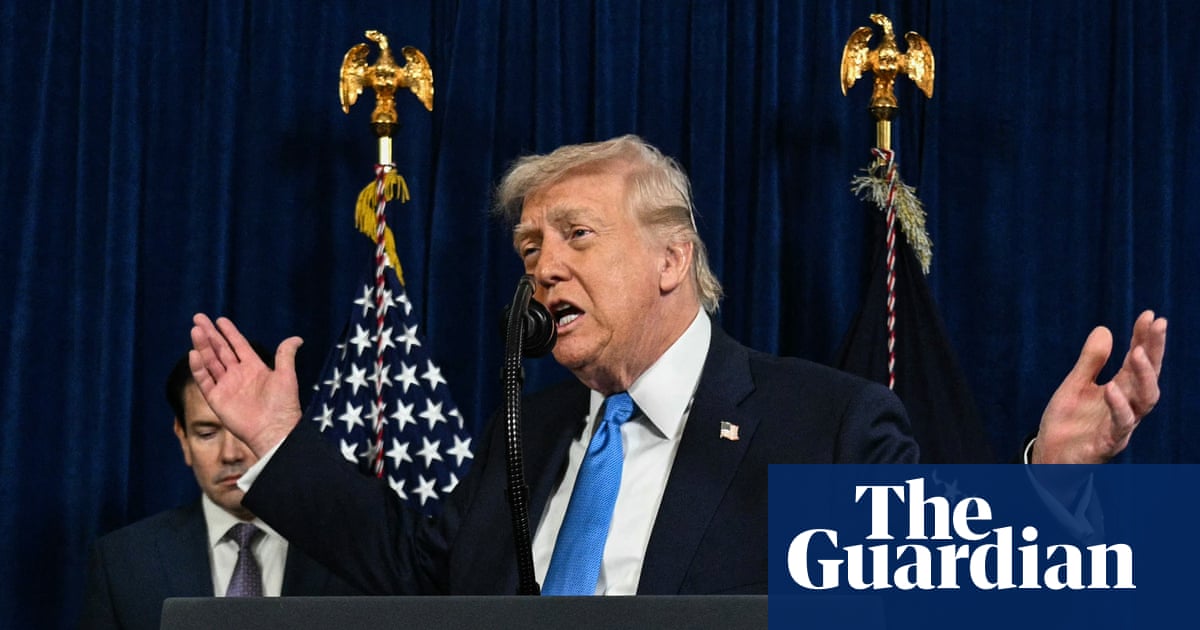
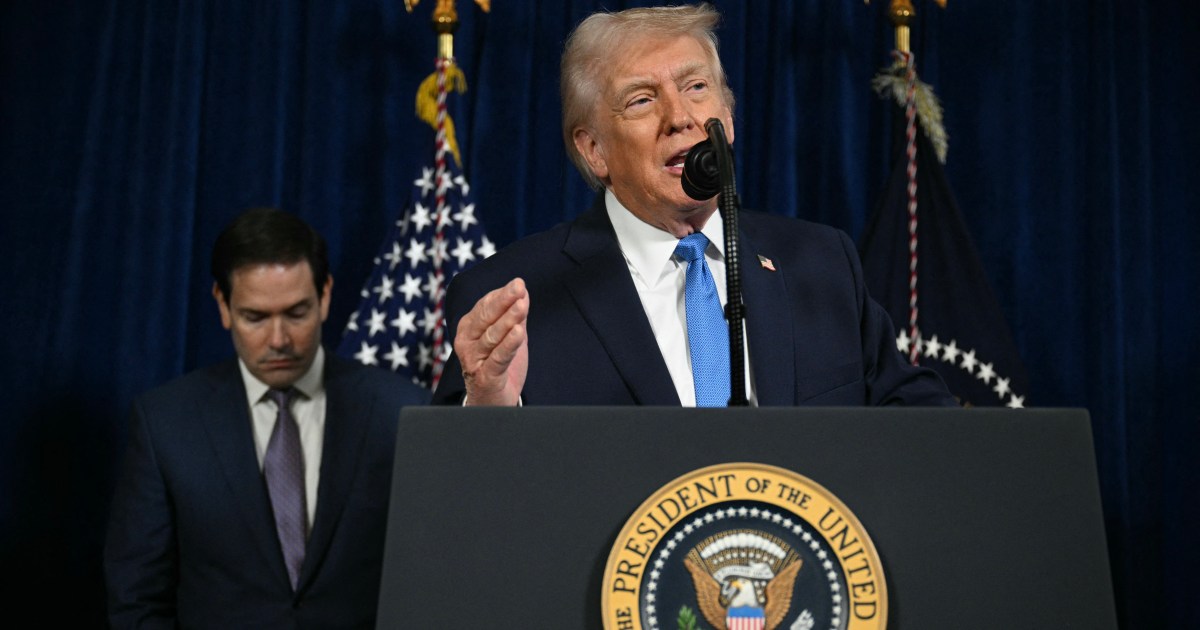
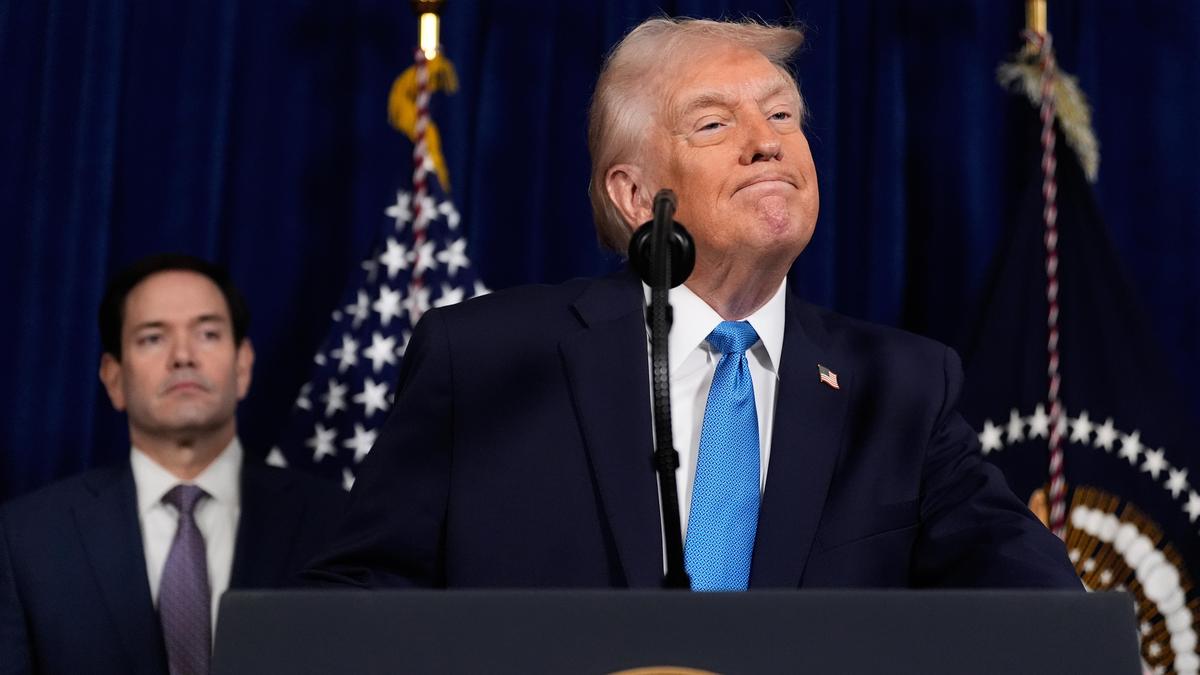
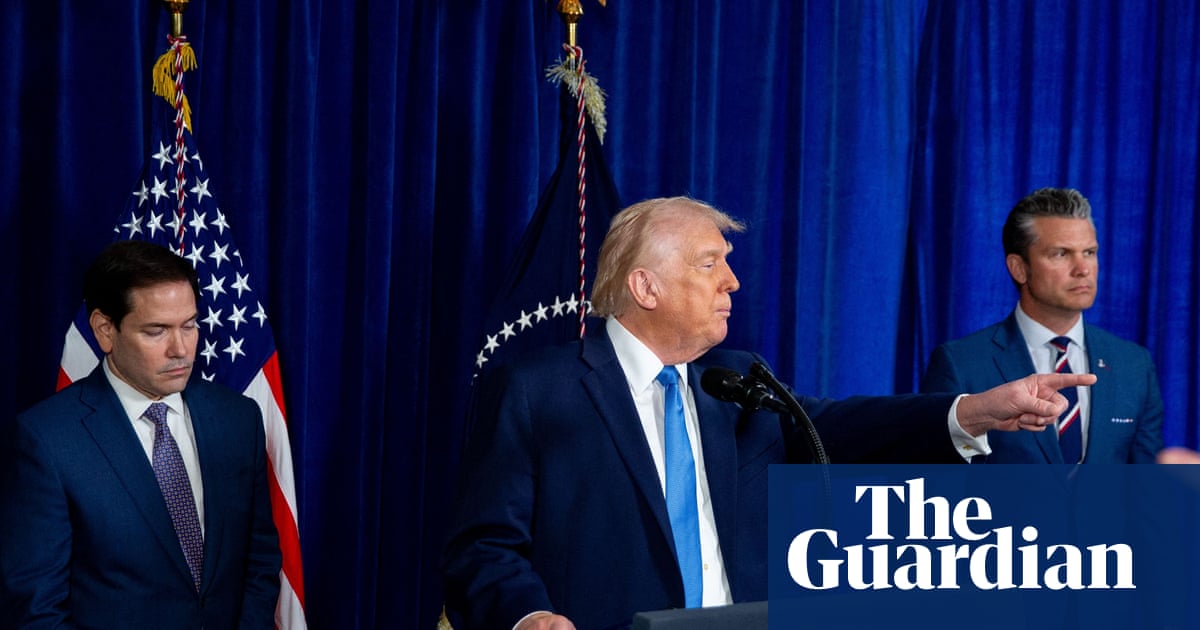
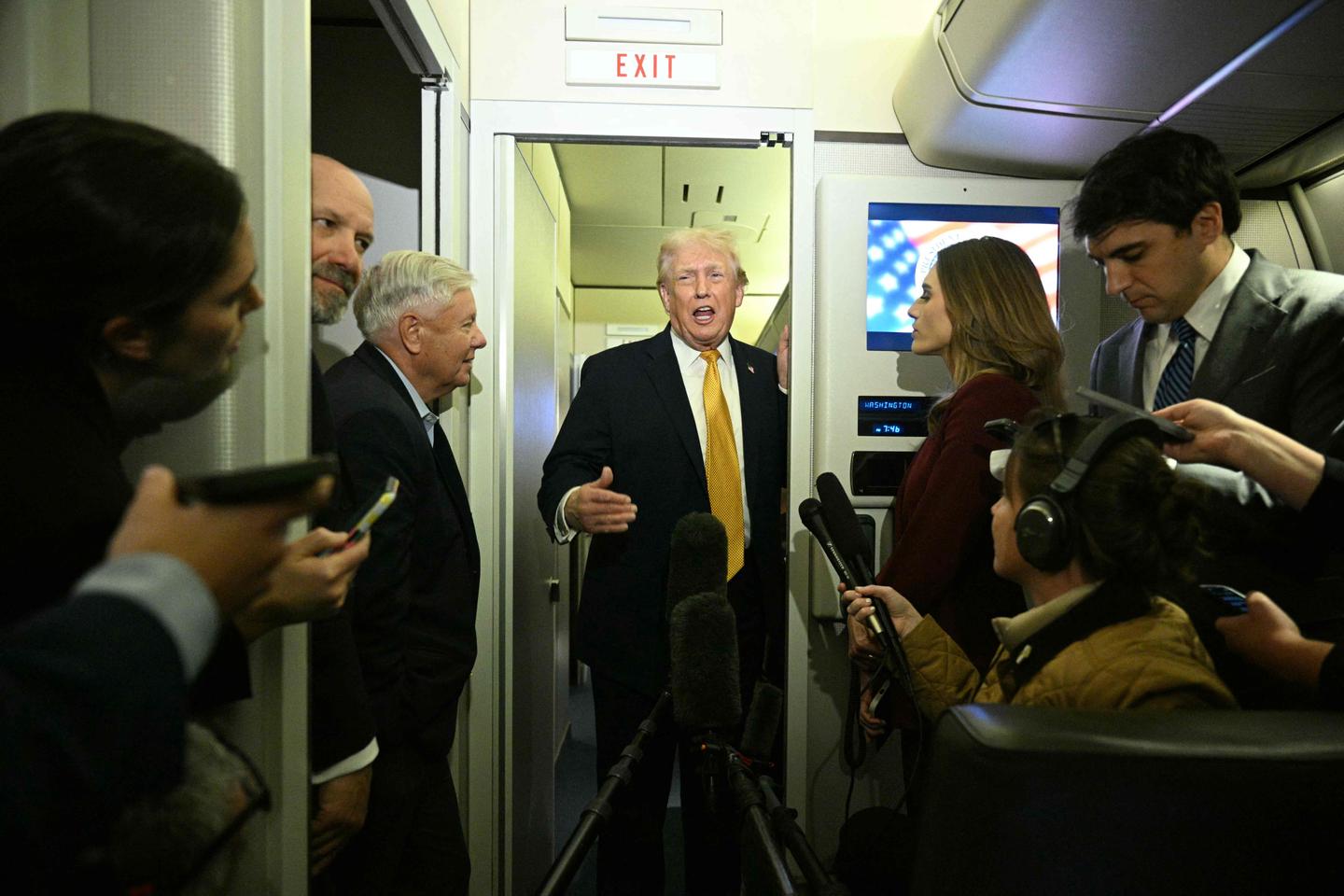
Maduro’s next public appearance will likely be in a New York court. But where do the U.S. and Venezuela go from here? President Donald Trump declared that the U.S. will “run” Venezuela until there is “a safe, proper and judicious transition” of power. He also said his administration is “not afraid of boots on the ground.”