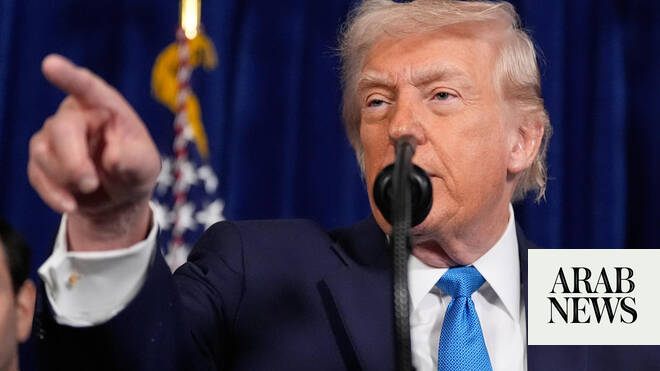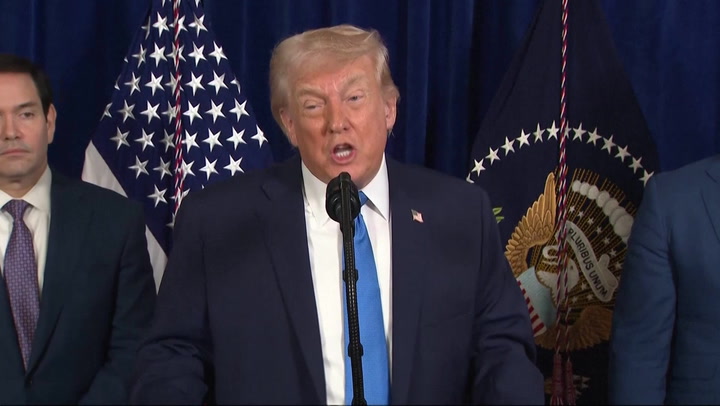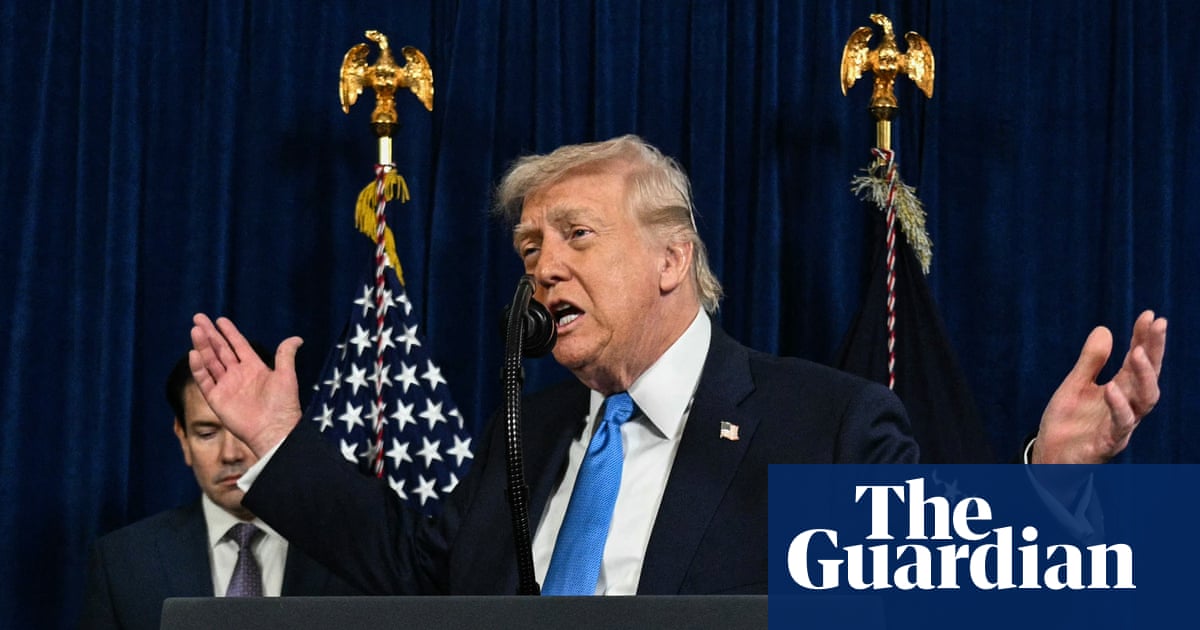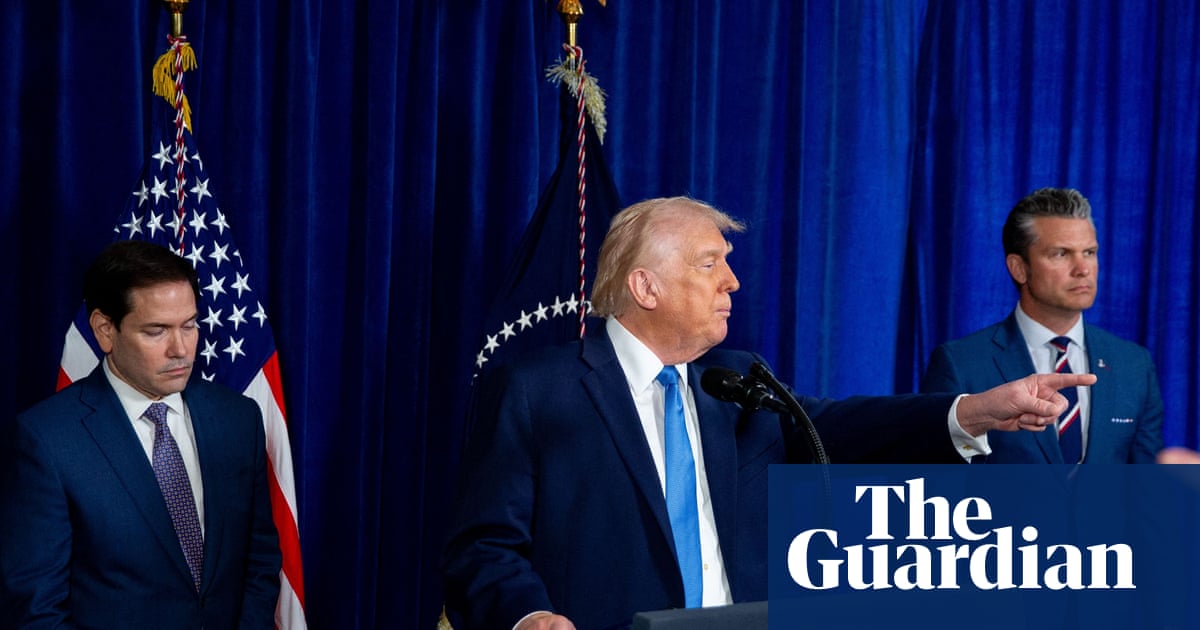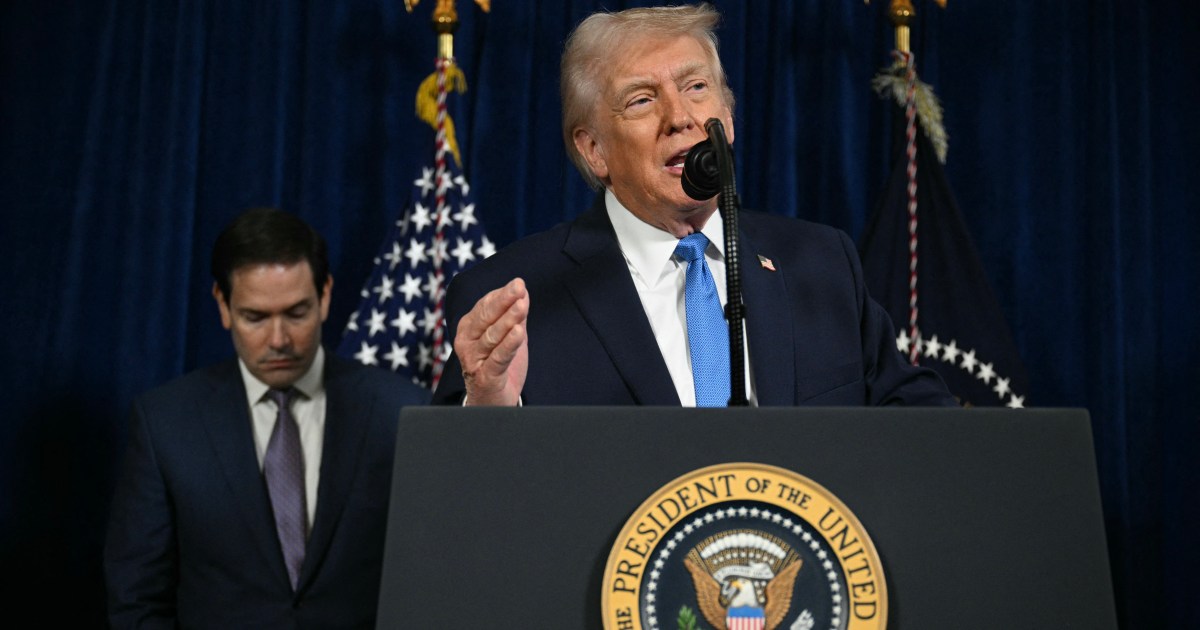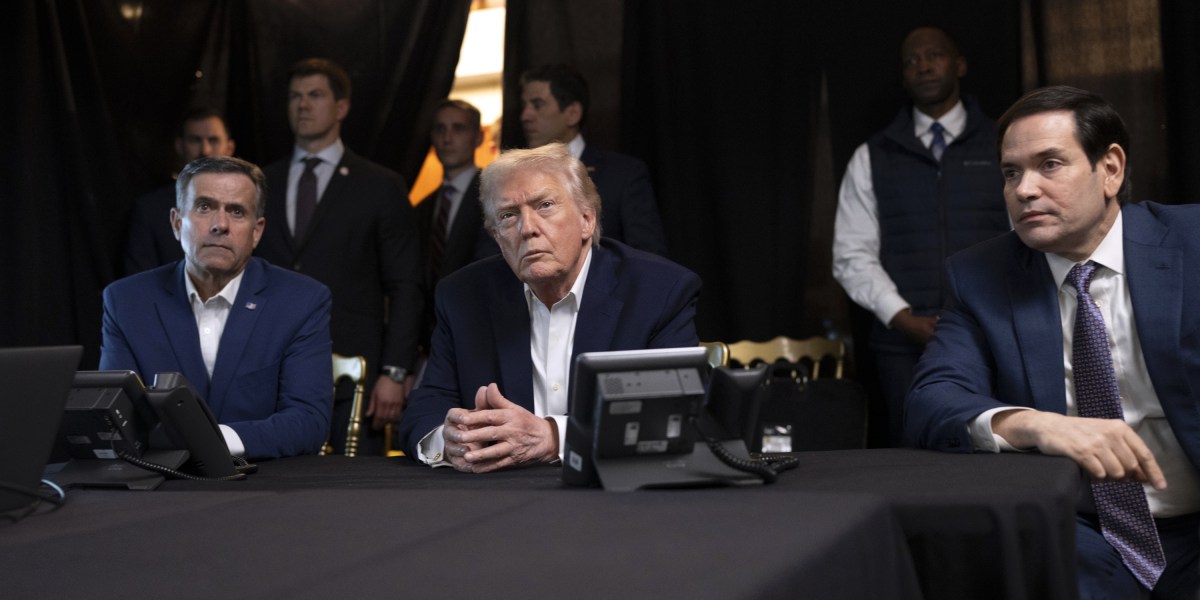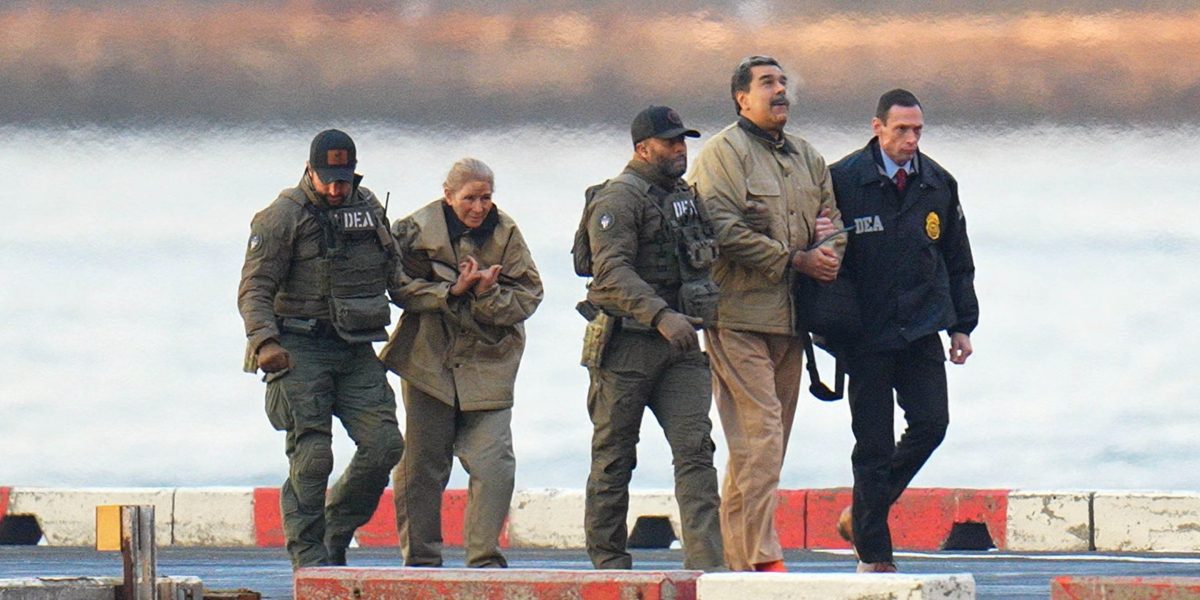
An image circulated over media the weekend of Jan. 3 and 4 was meant to convey dominance: Venezuela’s president, Nicolás Maduro, blindfolded and handcuffed aboard a U.S. naval vessel. Shortly after the operation that seized Maduro and his wife, Cilia Flores, President Donald Trump announced that the United States would now “run” Venezuela until a “safe, proper and judicious transition” could be arranged.
The Trump administration’s move is not an aberration; it reflects a broader trend in U.S. foreign policy I described here some six years ago as “America the Bully.”
Washington increasingly relies on coercion – military, economic and political – not only to deter adversaries but to compel compliance from weaker nations. This may deliver short-term obedience, but it is counterproductive as a strategy for building durable power, which depends on legitimacy and capacity. When coercion is applied to governance, it can harden resistance, narrow diplomatic options and transform local political failures into contests of national pride.
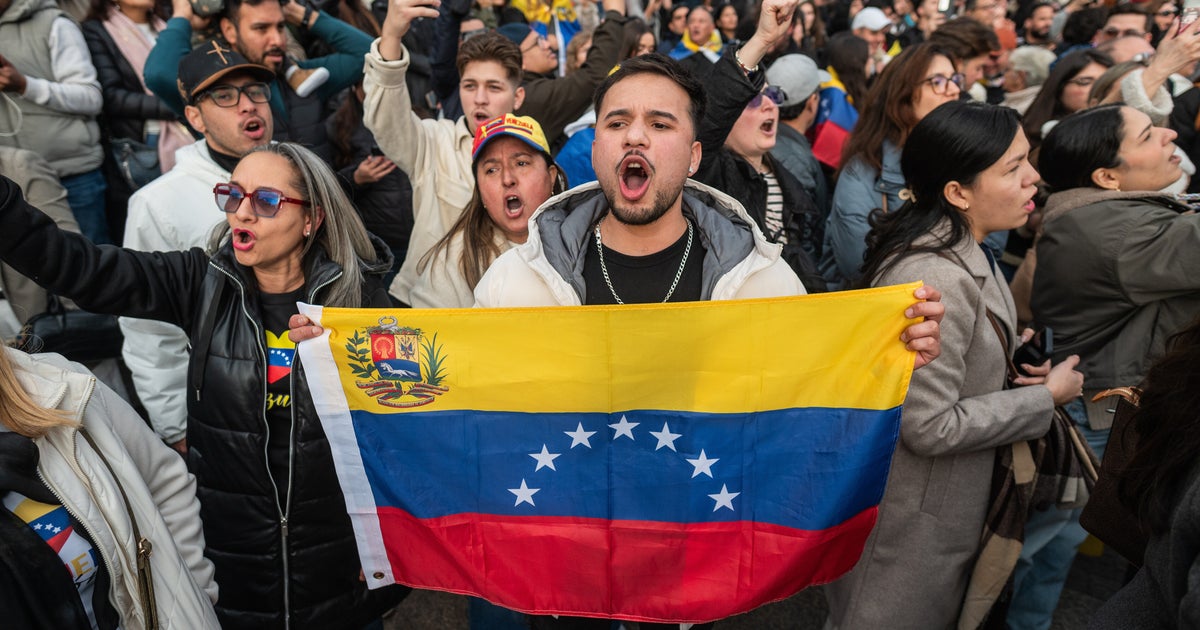
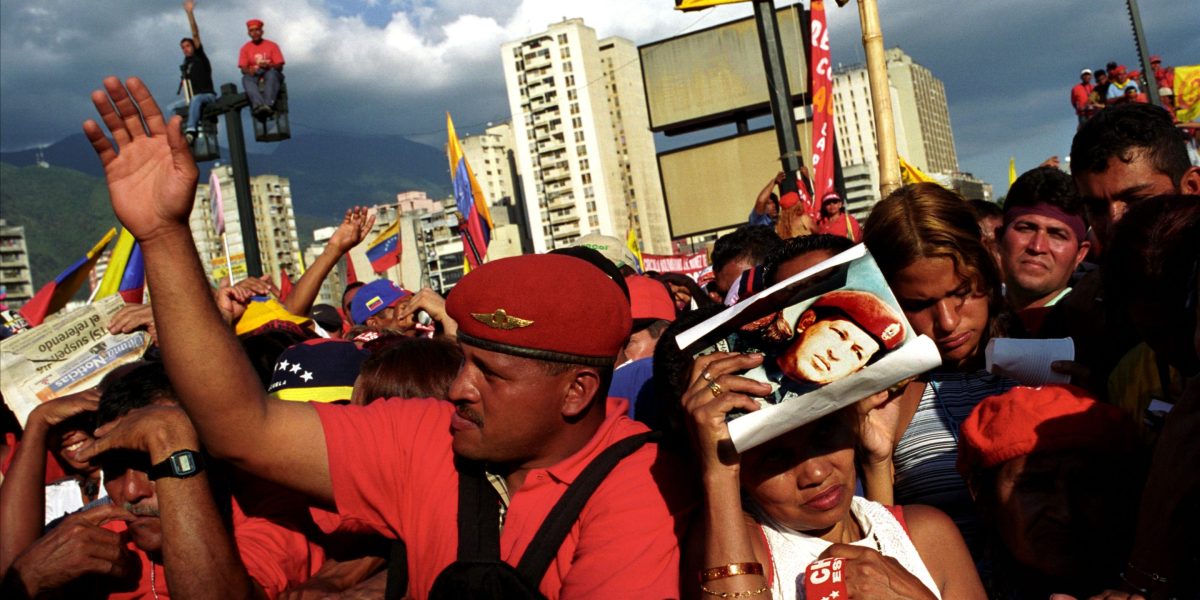
There is no dispute that Maduro’s dictatorship led to Venezuela’s catastrophic collapse. Under his rule, Venezuela’s economy imploded, democratic institutions were hollowed out, criminal networks fused with the state, and millions fled the country – many for the United States.