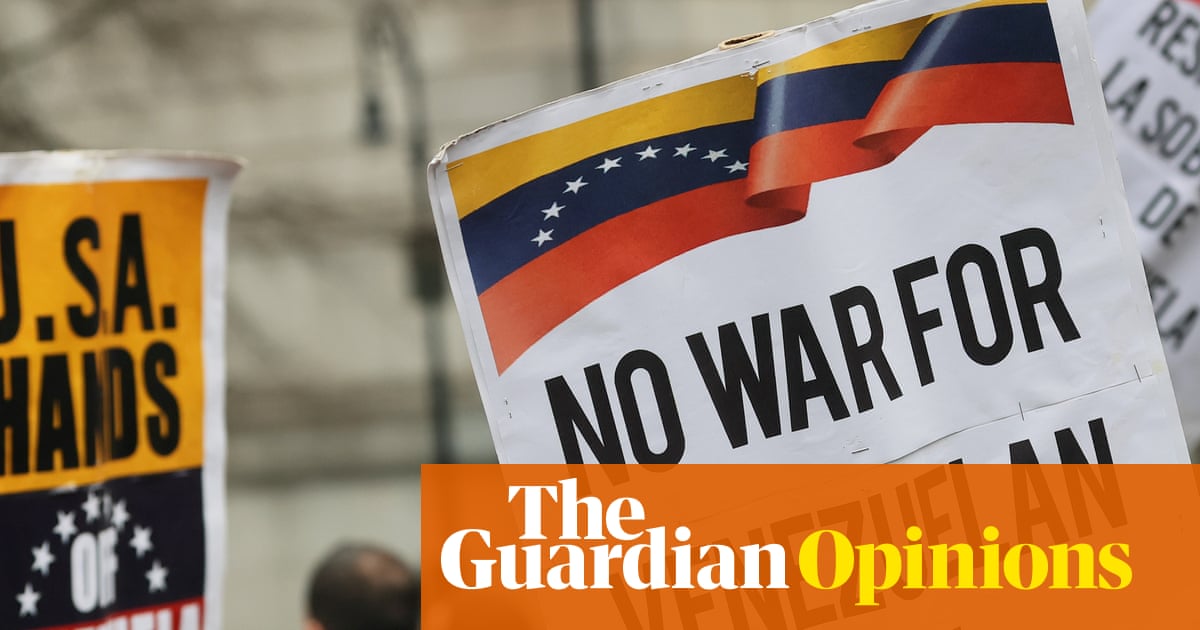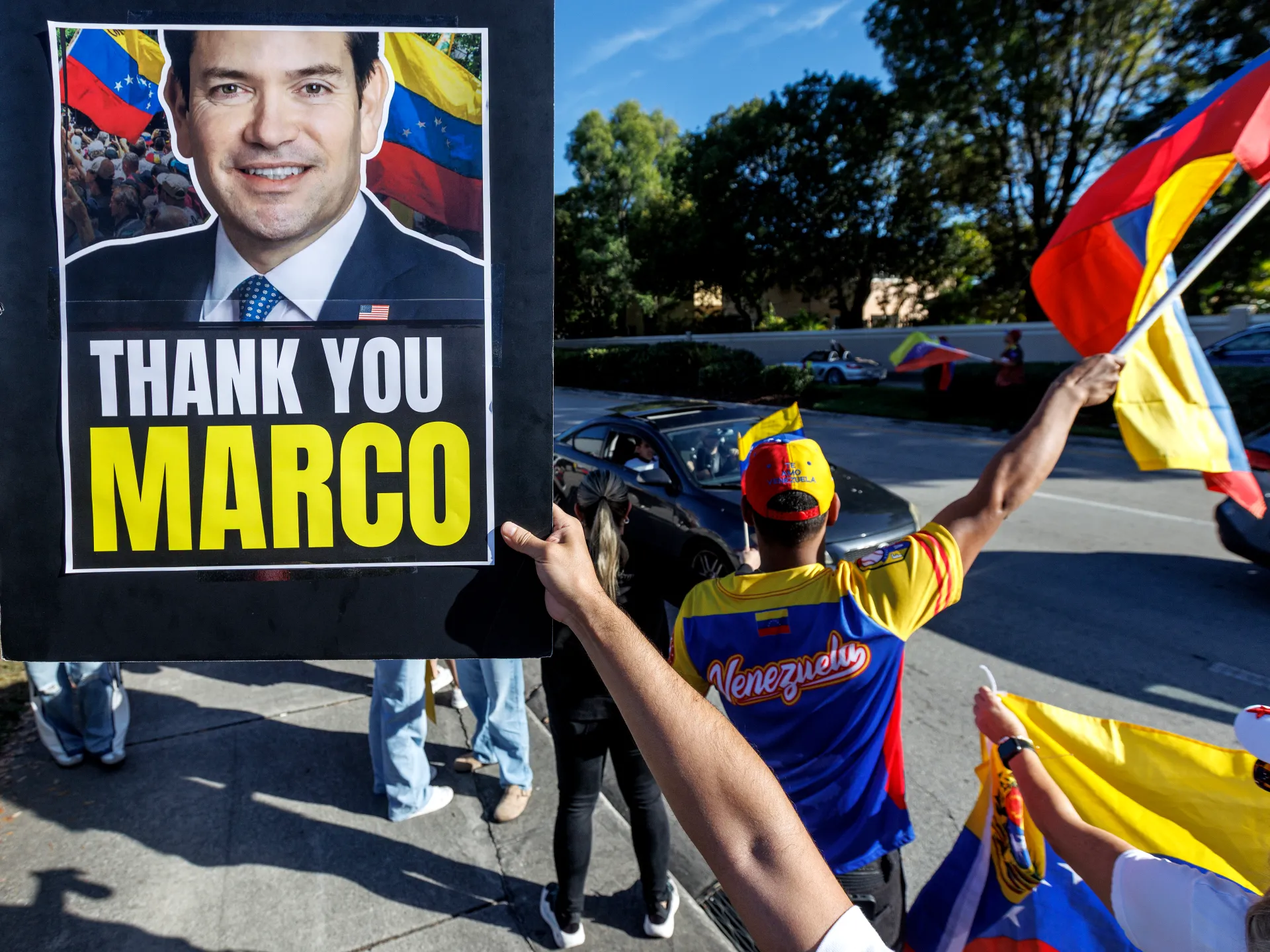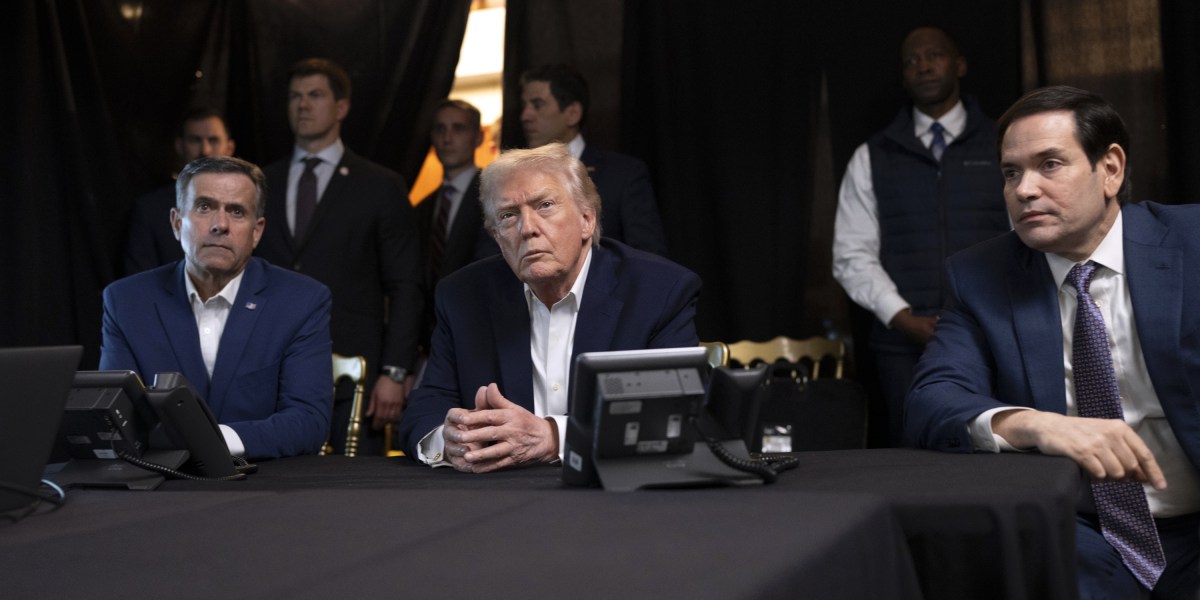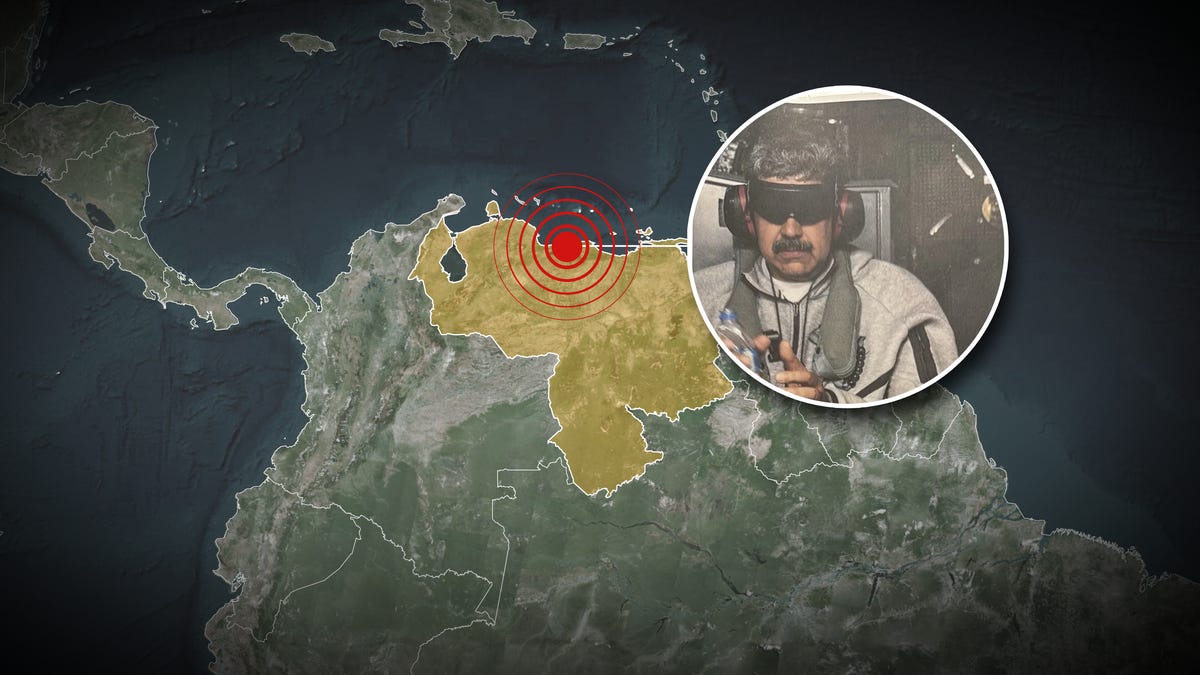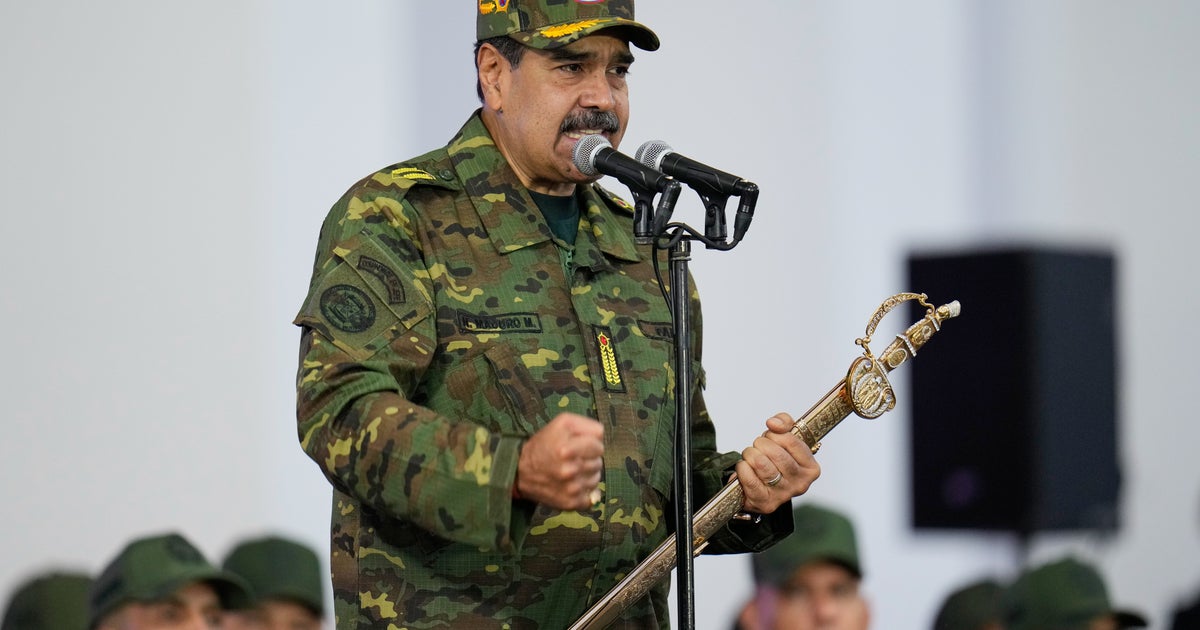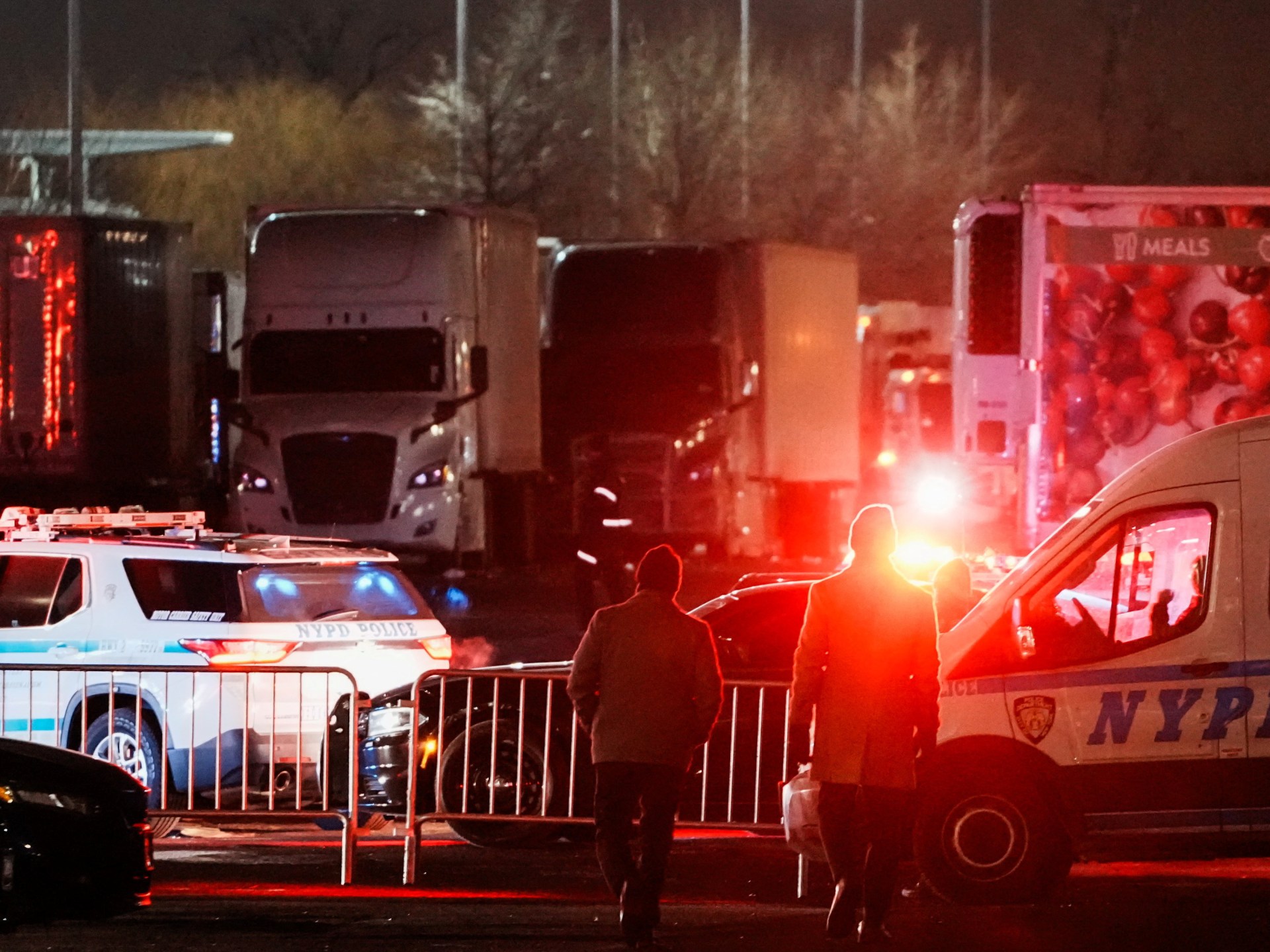
Last week, the U.S. military attacked Venezuela, captured the country’s dictator, Nicolas Maduro, and his wife in a daring nighttime raid, and flew them back to New York to face charges of “narco-terrorism” and drug trafficking. Meanwhile, President Donald Trump said the U.S. would “run” Venezuela until stability could return to the country. While it remained unclear exactly how the U.S. would manage this, Trump did say that U.S. companies would work to repair Venezuela’s crumbling oil infrastructure and that the U.S. would lay claim to at least a portion of the country’s oil exports as compensation.
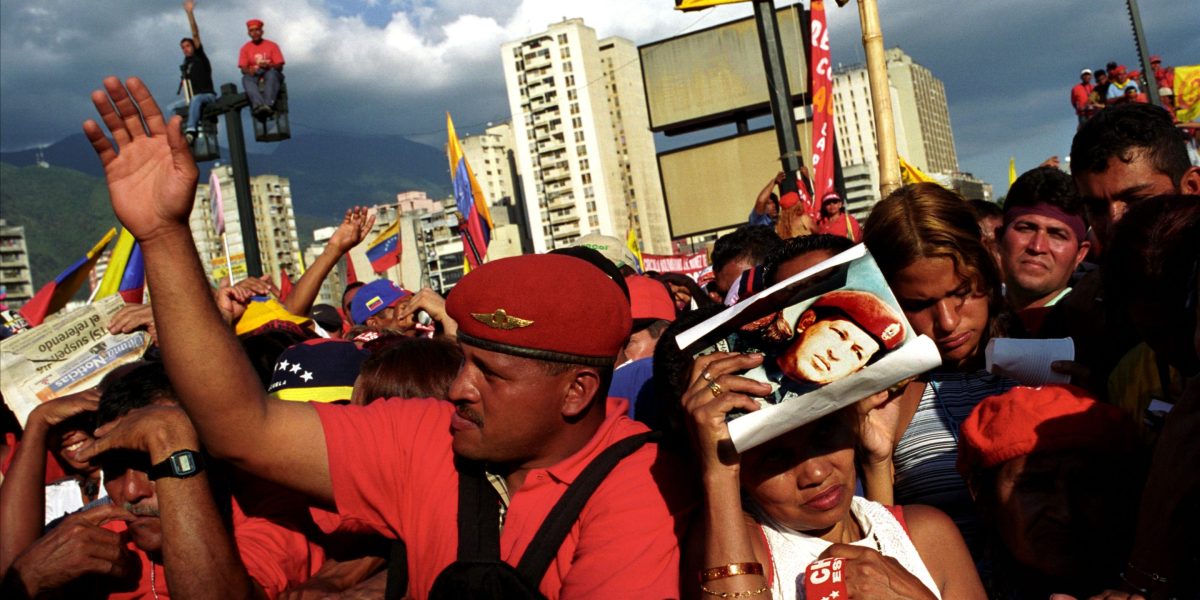
Reading the news brought back vivid memories. Twenty-three years ago, in December 2002, Fortune dispatched me to the Venezuelan capital to report on a national strike against Maduro’s predecessor, Hugo Chavez. It was just the beginning of Venezuela’s long decline, both as a democracy and as an oil producer. The strike had been touched off by employees of PDVSA, the Venezuelan national oil company, who objected to Chavez summarily firing experienced, technocratic PDVSA executives and replacing them with political cronies. At the time, striking PDVSA managers told me Chavez’s actions would eventually result in the country losing the expertise needed to maintain Venezuela’s oil production.