To learn more about the CNBC CFO Council, visit cnbccouncils.com/cfo
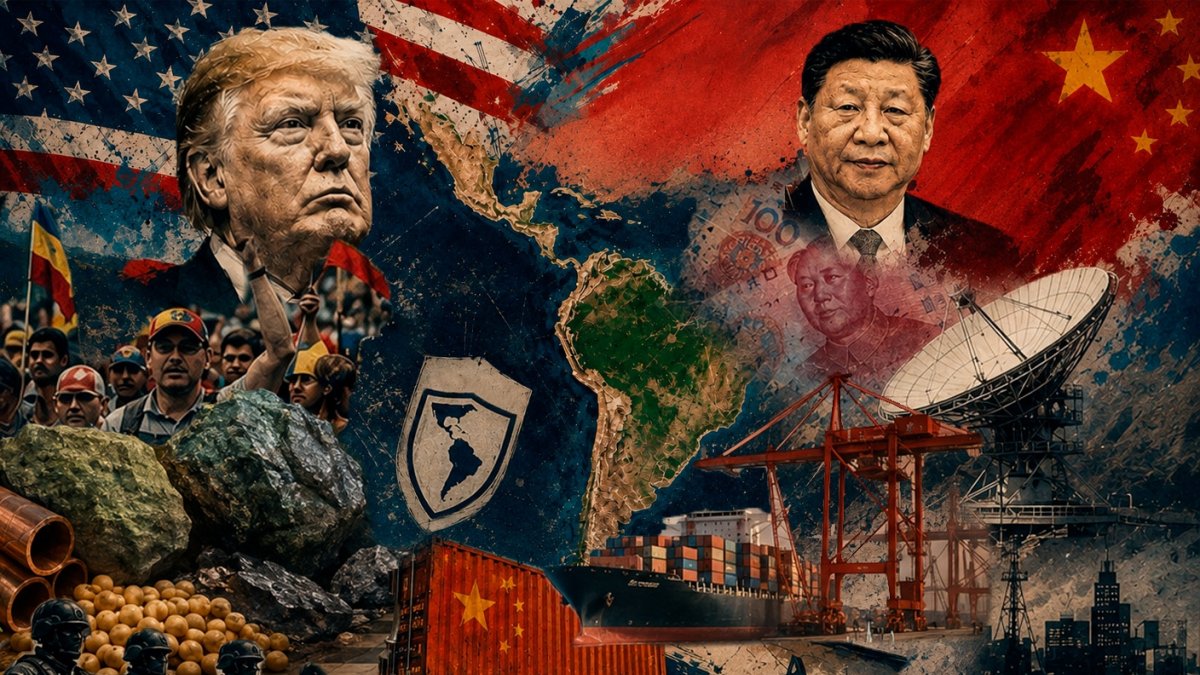
The conversation in Washington right now is abuzz with talk of President Donald Trump’s new National Security Strategy and its so-called “Donroe Doctrine” framing of Western Hemispheric dominance — a modern corollary to the Monroe Doctrine. That debate had already been simmering in policy circles before the end of last year, but it was turbocharged by the recent U.S. operation in Venezuela. Almost immediately, the familiar question resurfaced: What will China do now?
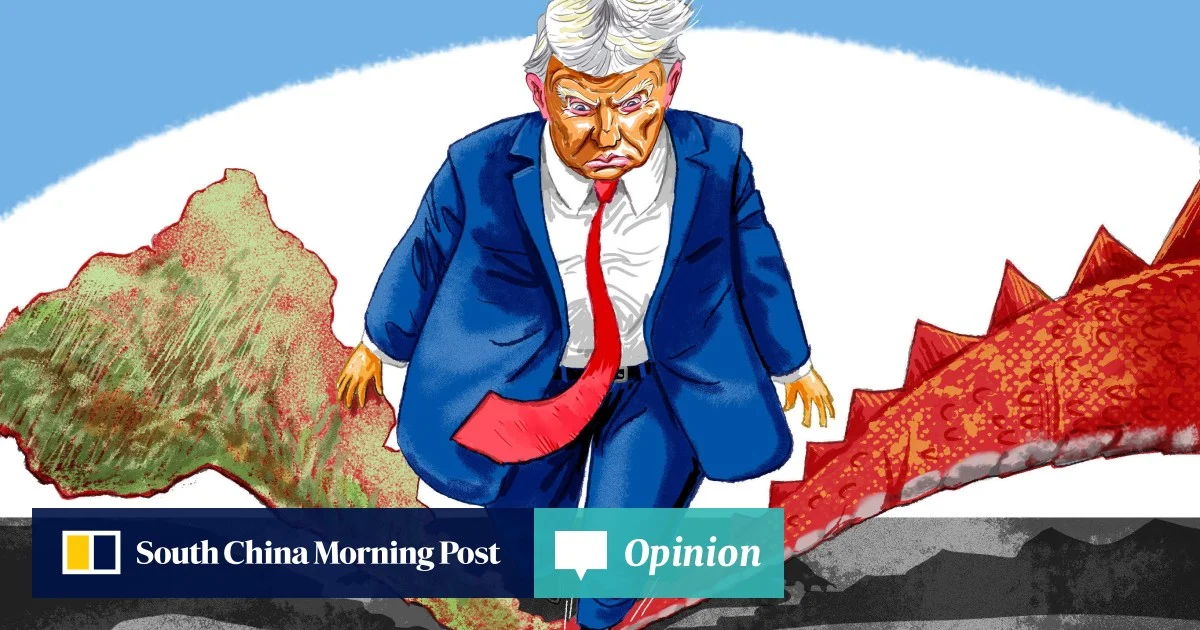
Much of that speculation has fixated on Taiwan. Would Beijing use U.S. kinetic action in Venezuela as justification — or precedent — for moving against the island? That question may be understandable and its implications concerning. However, many believe that it is also the wrong question to be asking.
China will not use Venezuela as a pretext to invade Taiwan. That is neither how Beijing thinks nor how it operates. Serious analysis demands setting the distraction of seeing China as a reactive power aside, and dealing with a more consequential — and far more uncomfortable — question. It requires that we read and debate China’s own strategic documents about our region with the same rigor now being applied to the U.S. National Security Strategy, and take them seriously on their own terms.