To learn more about the CNBC CFO Council, visit cnbccouncils.com/cfo
The geopolitical tectonic plates are on the move again, and the early tremors are already visible across the global landscape, with significant consequences for traditional alliances, global markets, and national power realignment.
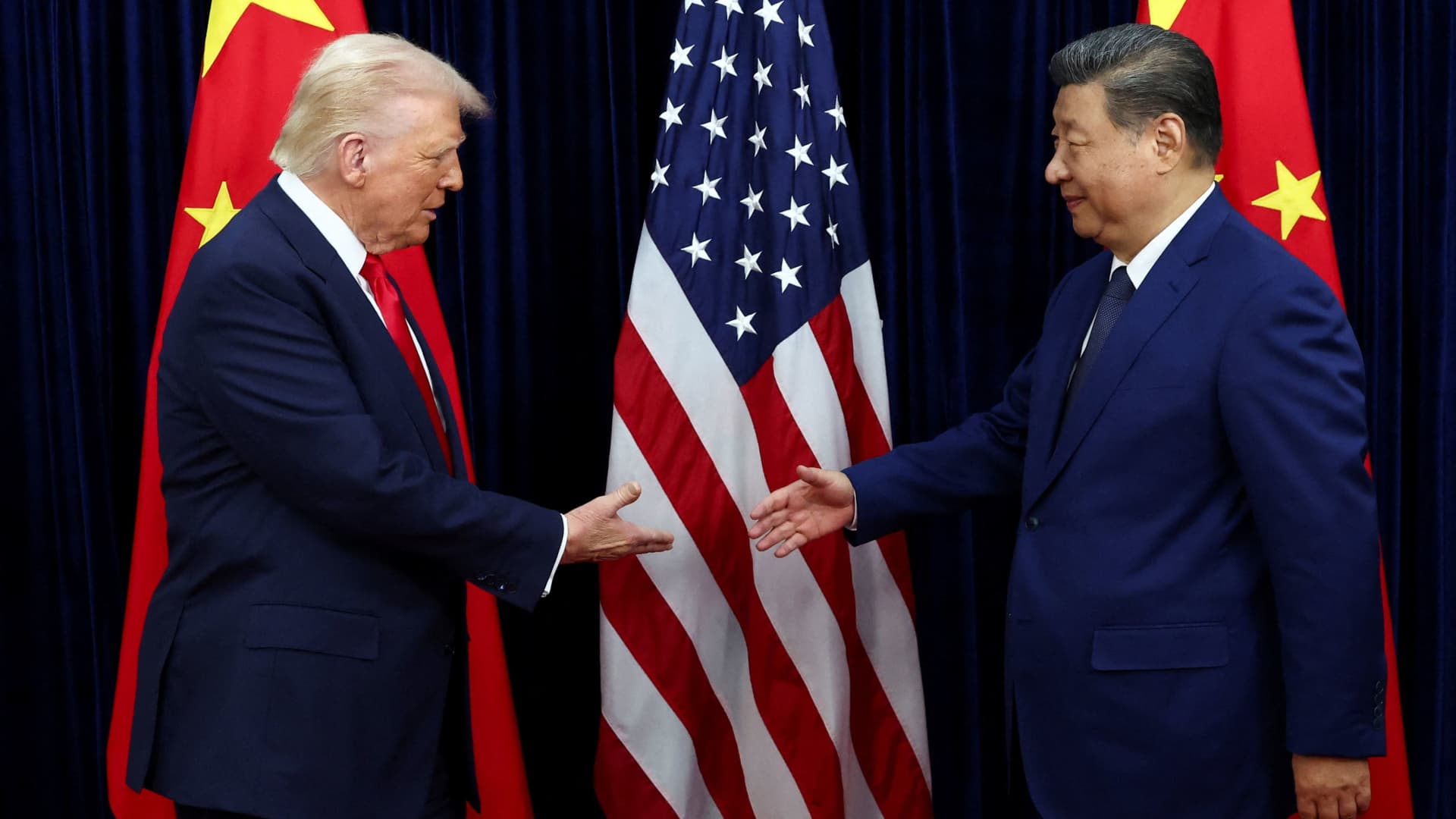
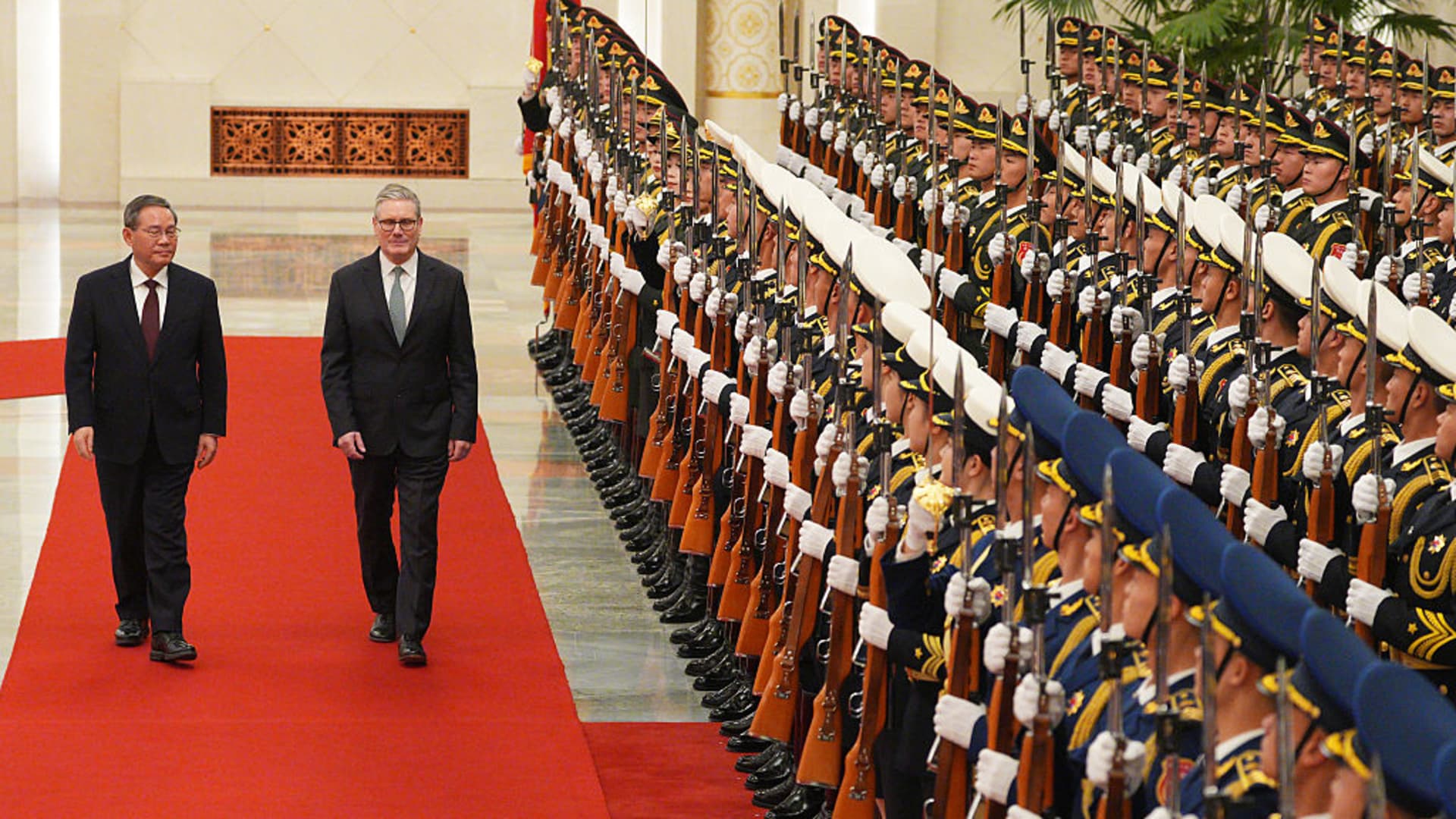
What we are seeing unfold during the first quarter of 2026 increasingly feels like one of those historical earthquake moments, not because of any single headline associated with President Donald Trump, or single moment like Canadian Prime Minister Mark Carney’s “rupture” in the world order speech at Davos, or any one bilateral meeting or state visit. But taken together, along with the cumulative weight of high-level diplomatic gambits to Beijing now underway — and many more on the horizon — something structural is happening that requires attention. For markets and policymakers alike, the diplomatic foot traffic tells a striking story: the world is returning to China.
This is not without precedent. In the years following China’s accession to the World Trade Organization in 2001, global leaders and corporate executives made annual pilgrimages to Beijing, much like those made by eager statesmen and traders during the Qing Dynasty, drawn by the promise of market access, manufacturing skill, production scale and scope, and the sheer velocity of Chinese GDP growth at the time. That gravitational pull extended through much of Xi Jinping’s first five-year term, when China still projected the promise of profits and opportunity more than political constraint and economic contraction.