To learn more about the CNBC CFO Council, visit cnbccouncils.com/cfo
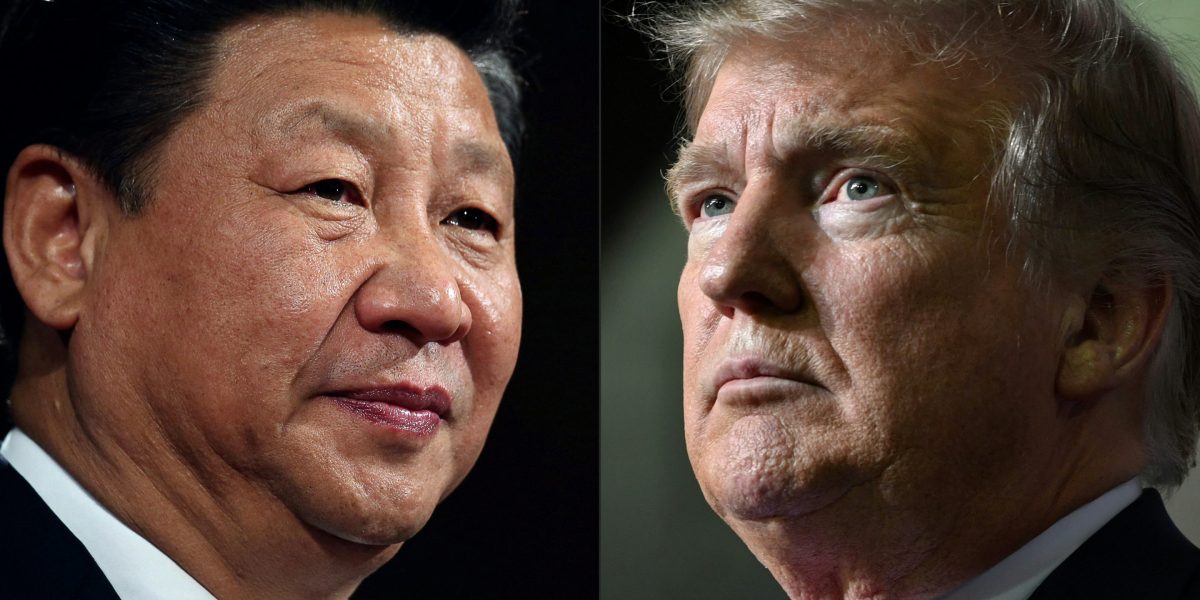
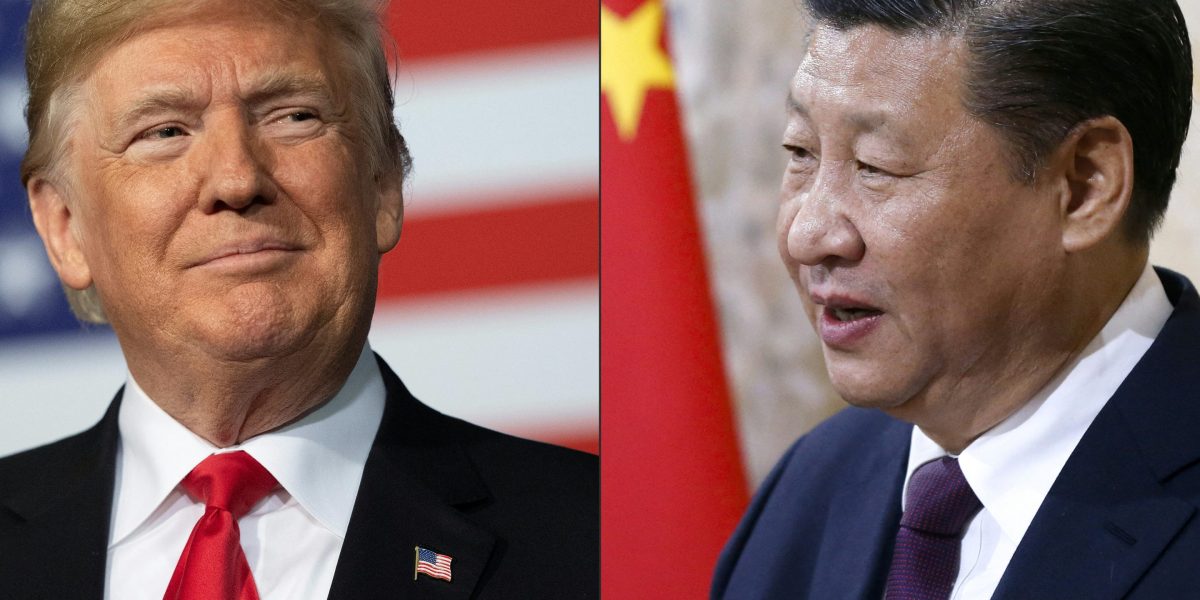
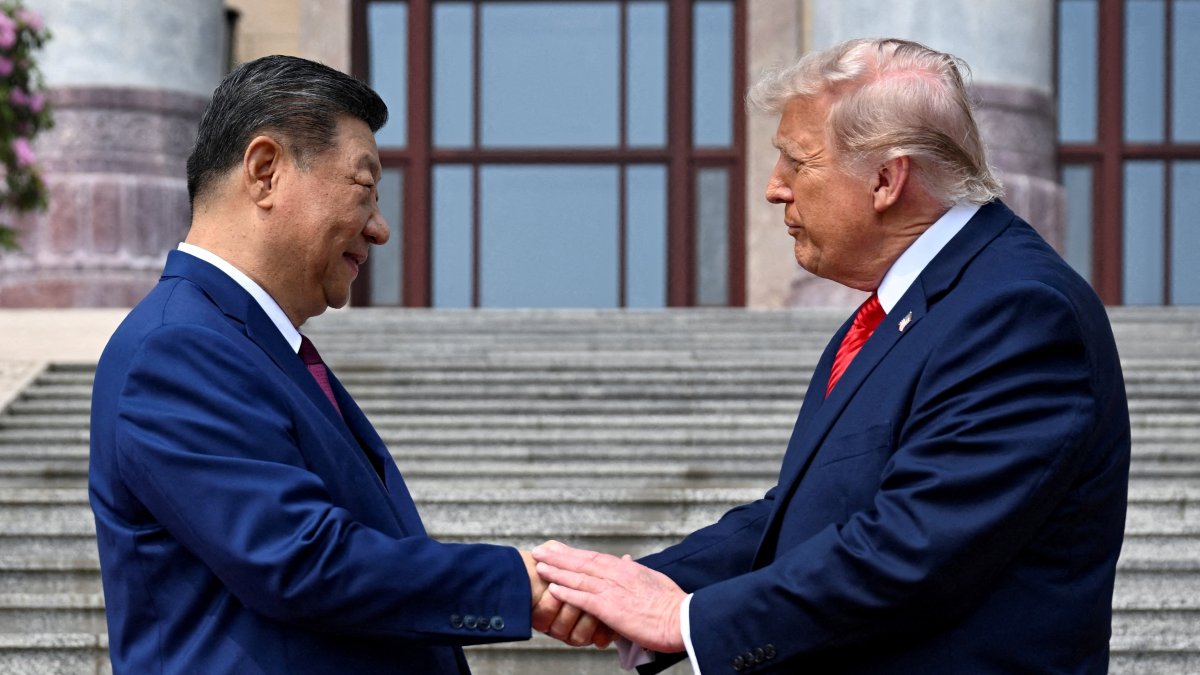
When Mao Zedong declared in 1949 that China had “stood up,” it marked the end of national humiliation. In 2025, China stood up again — economically, without mass movements, banners or bombast — and showed the world that it would not be bullied in a renewed U.S.–China trade war launched by President Trump.
Washington turned to tariffs and tightened access to advanced technology early in the year, assuming China’s slowing growth and overextended property sector would make it an easy target and would force quick concession. It didn’t. Beijing absorbed the shock and retaliated with a master class in economic statecraft and policy discipline. Controls on rare-earth exports were applied with precision where U.S. defense and automobile manufacturers remained deeply reliant and vulnerable. Customs and regulatory friction appeared dialed up just enough to induce pain without provoking panic. And Chinese exporters diverted flows through Southeast Asia and Mexico, dulling the effects of tariffs even as headline restrictions intensified.
The numbers tell the story. As we ended November, China’s goods trade surplus had climbed past the $1 trillion mark for the first time, illustrating how external demand continued to power growth despite American pressure. Exports to the U.S. were down sharply — estimated declines around 40 percent year-on-year in Q3 — but the shortfall was eclipsed by gains elsewhere. Shipments to Asia, Mexico, Europe, and the Middle East continued to expand, supported by competitive industrial output in automobiles, chemicals, solar panels, machinery, and steel. The U.S. squeezed market access for China — China didn’t flinch and sold to the world. It was, unmistakably, a moment of standing up.