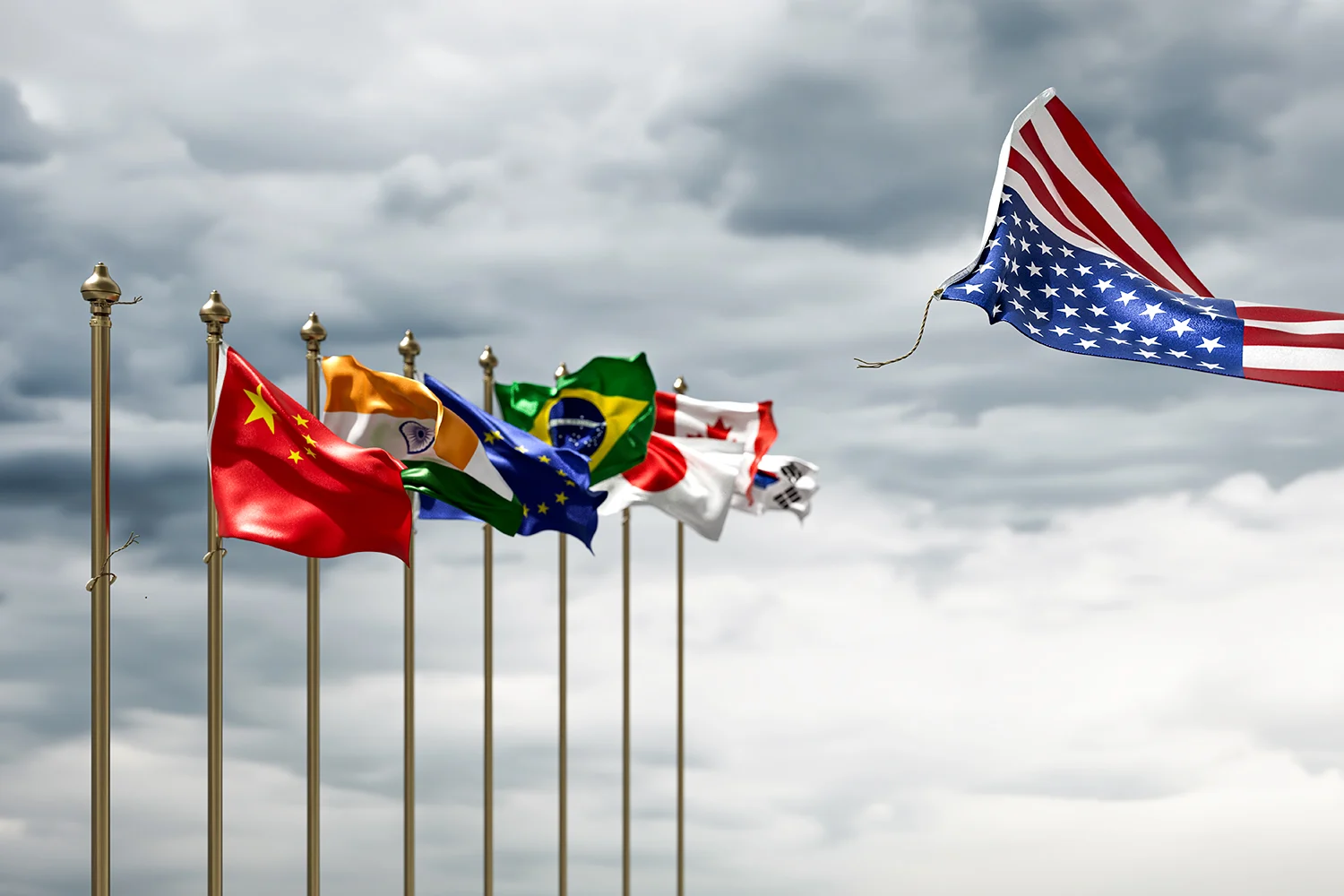
uring Donald Trump's first term, from 2017 to 2021, the international community witnessed the United States embrace a nationalist withdrawal. This new isolationism responded to the anger of the American middle class, frustrated by years of inconclusive wars in Afghanistan and Iraq, and was implemented with relative consistency by the occupant of the White House. However, since his reelection in November 2024, the US president has rolled out two new and distinct initiatives.
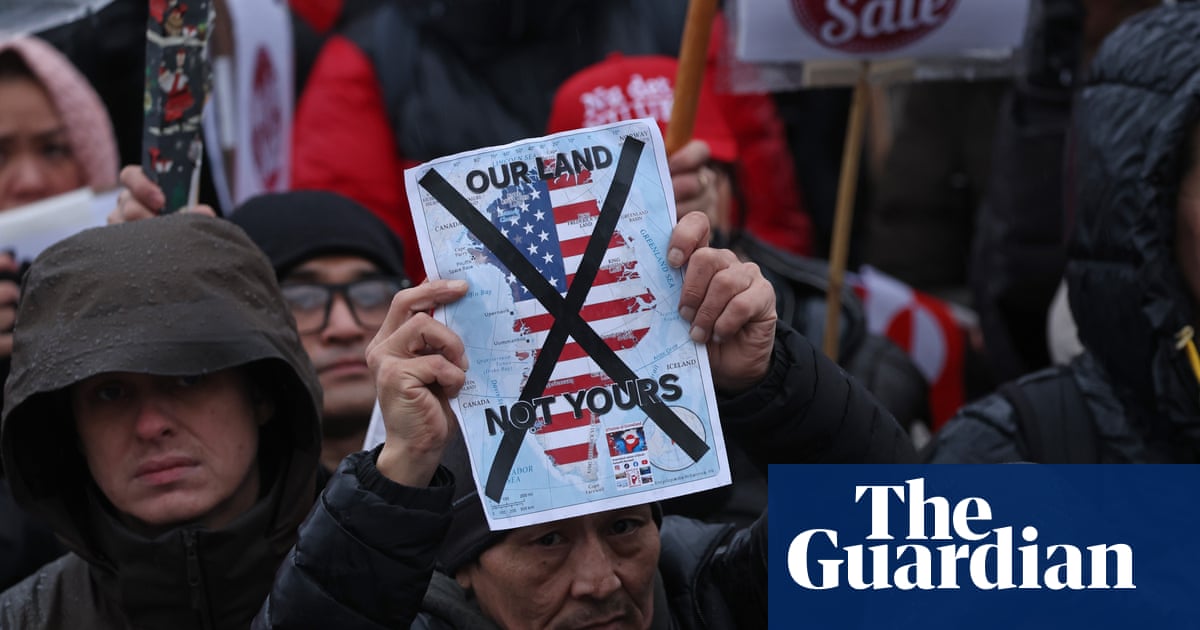
At his January 7 press conference in Florida, Trump first stunned journalists by announcing his intention to expand US territory. This aggressive stance, reminiscent of the early imperialist presidents William McKinley [1897-1901] and Theodore Roosevelt [1901-1909], initially targeted the immediate vicinity of US territory under Trump's direction, namely Canada, Greenland, and the Panama Canal.
So far, the approach has yielded few results. The US consortium, led by asset manager BlackRock, has engaged in as-yet unsuccessful negotiations to purchase concessions for Balboa and Cristobal ports, located at either end of the Panama Canal and currently held by CK Hutchison, a company close to Beijing. However, the president could revive these territorial claims in 2026, especially with Greenland. Purchasing territory has been common throughout US history, and a proposal to that effect, accompanied by pressure on Denmark, cannot be ruled out.