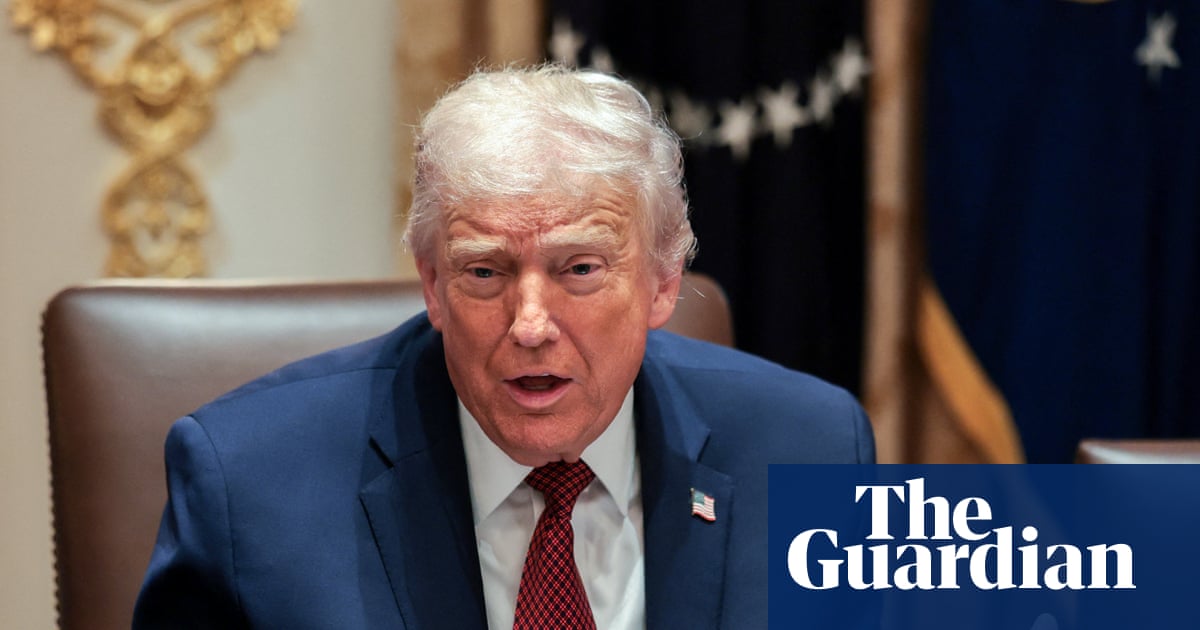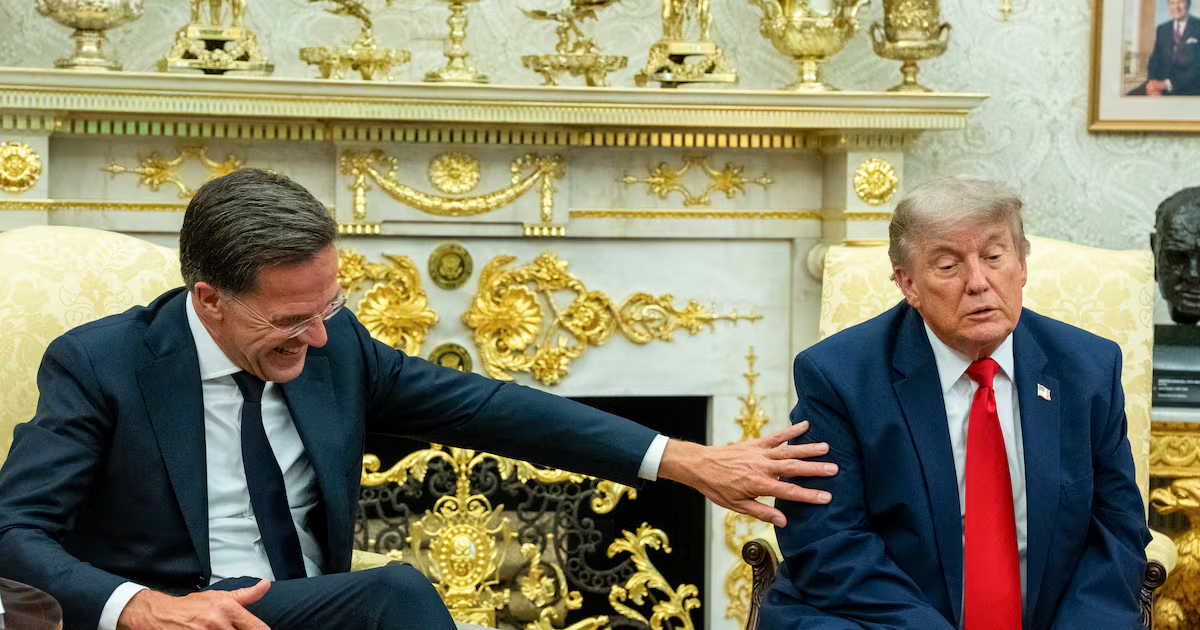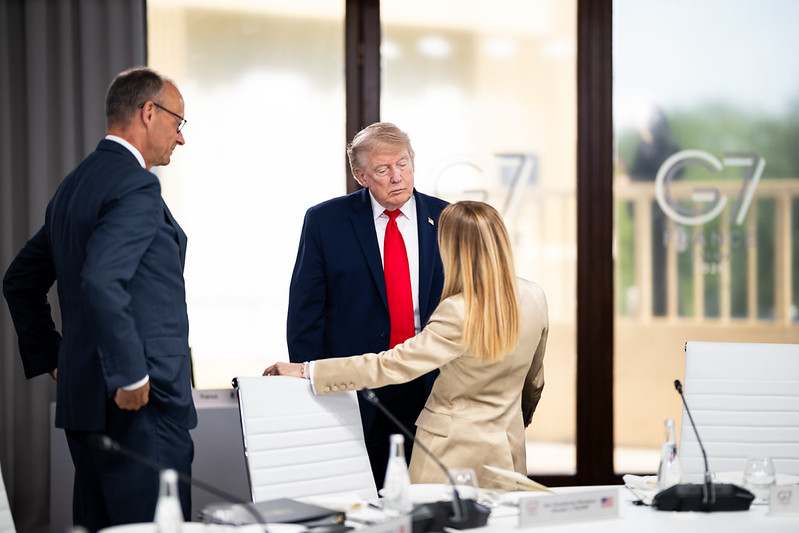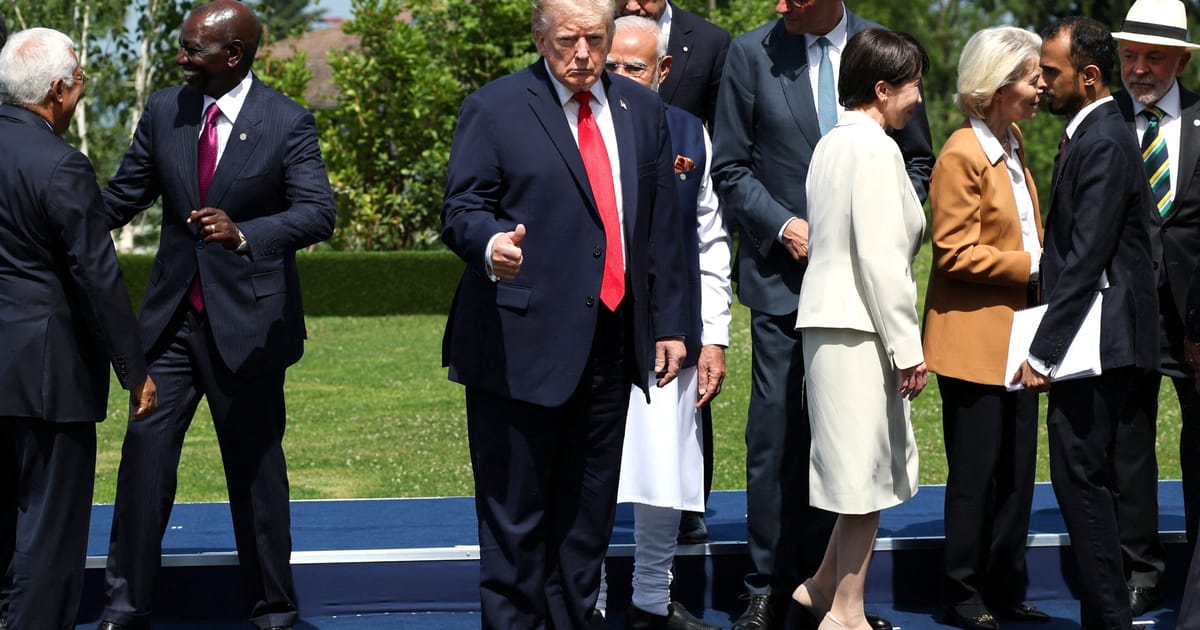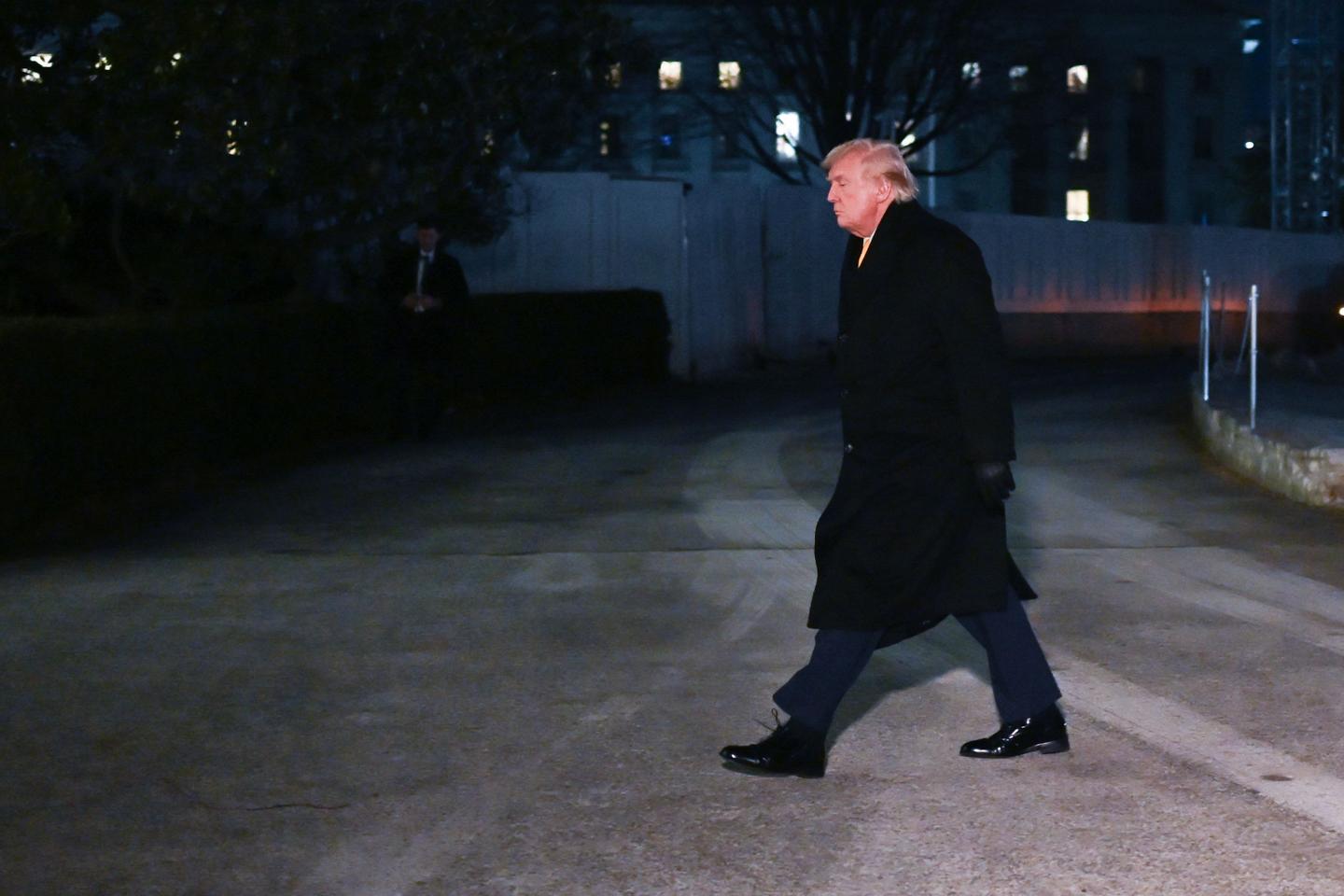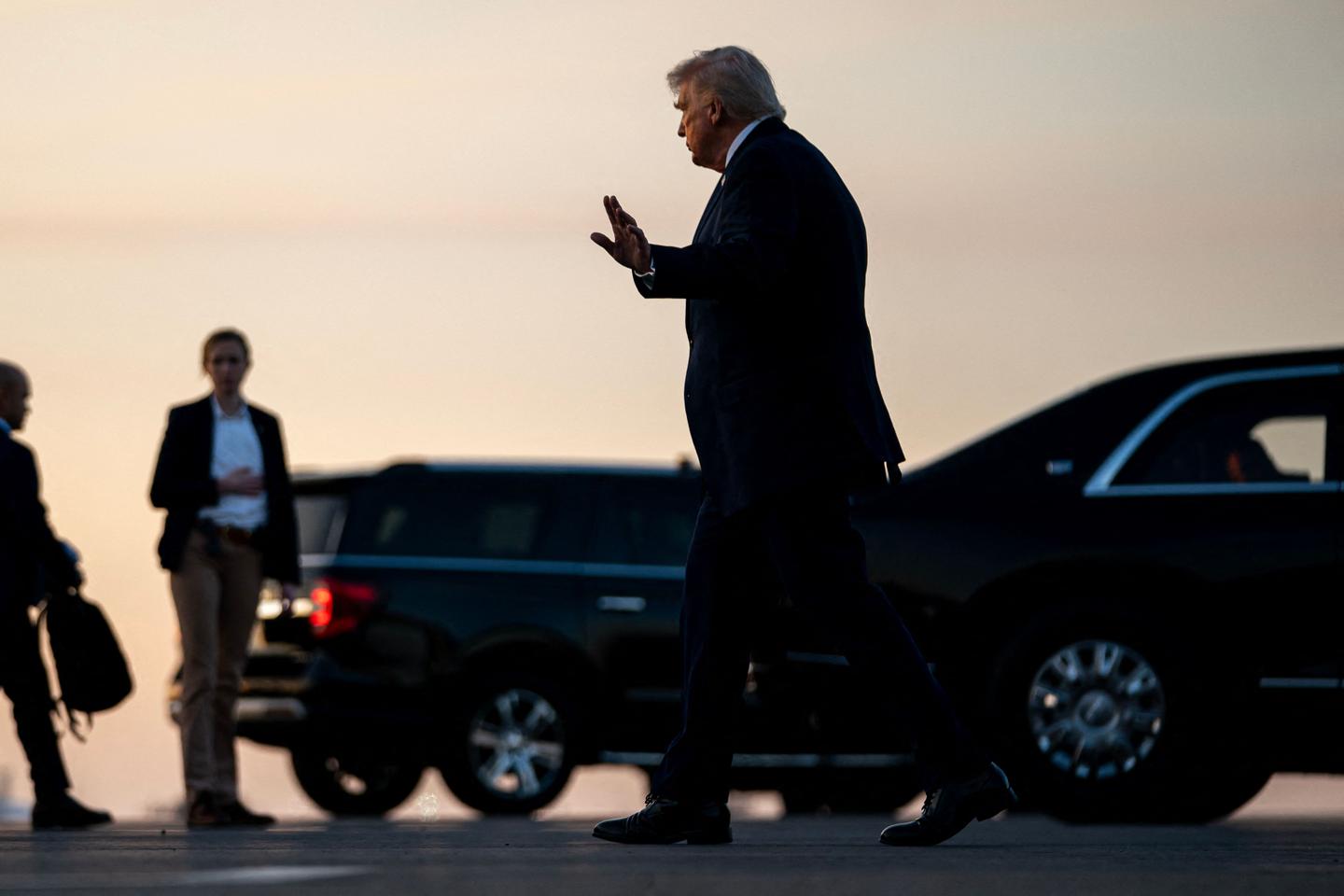
iscomfort among MAGA (Make America Great Again) supporters, Donald Trump's declining popularity, poor polling ahead of the midterm elections… All those oscillating between dismay, anxiety and outrage at the daily damage inflicted by the American president on global affairs cling to every setback of the White House's king. "As Trump's behavior becomes more and more indefensible (...) a genuine backlash is finally underway," writes Gideon Rachman, a columnist at the Financial Times, hoping that his rule will go down as a "grotesque aberration – rather than a lasting shift."
While a solid core of 40% of voters continues to trust him and the midterms in the fall could resemble elections in an authoritarian country where an autocrat cannot imagine losing, no one truly knows what the United States will look like in 2028, at the end of the presidential term.
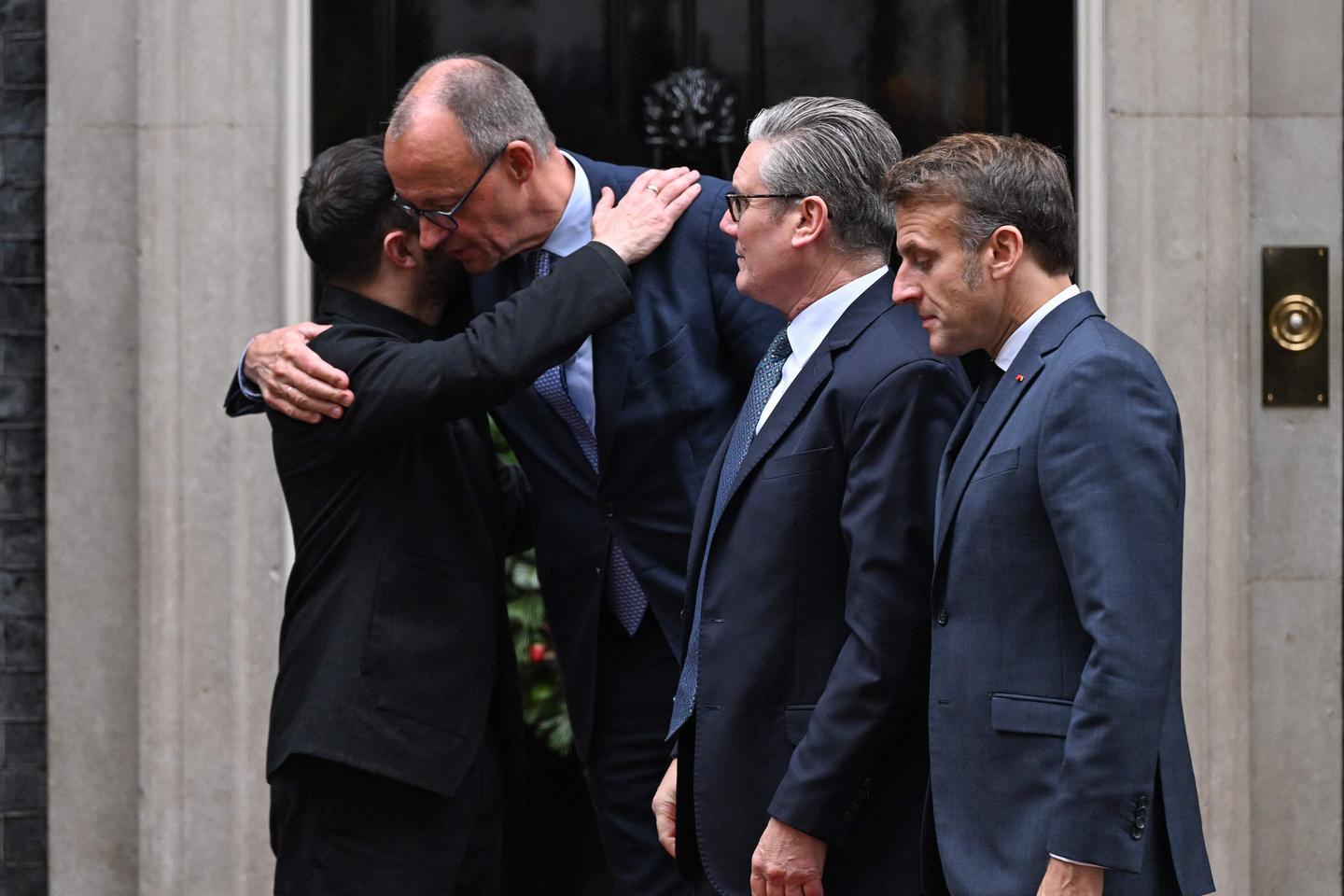
However, a stark reality is becoming clear, especially to Europeans. Whatever the future may hold for Trumpism, the US is no longer the great, stable superpower and ally, whose values were criticized but also often admired. "We know the old order is not coming back," asserted Canadian Prime Minister Mark Carney on January 20 at the World Economic Forum in Davos. "We shouldn't mourn it. Nostalgia is not a strategy."