A
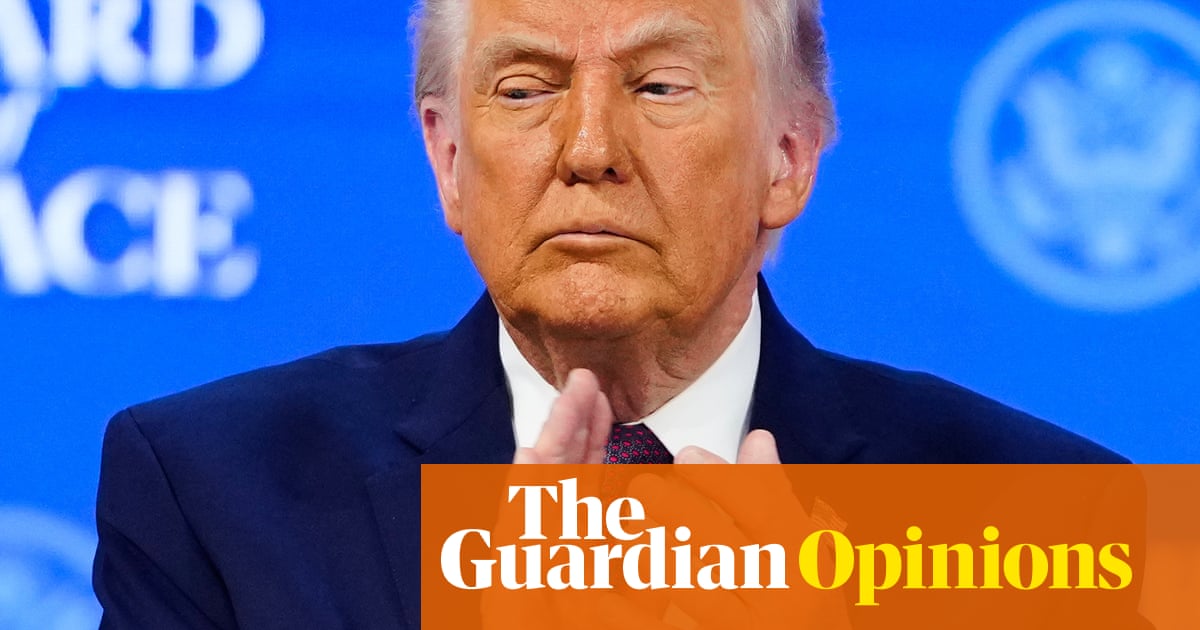
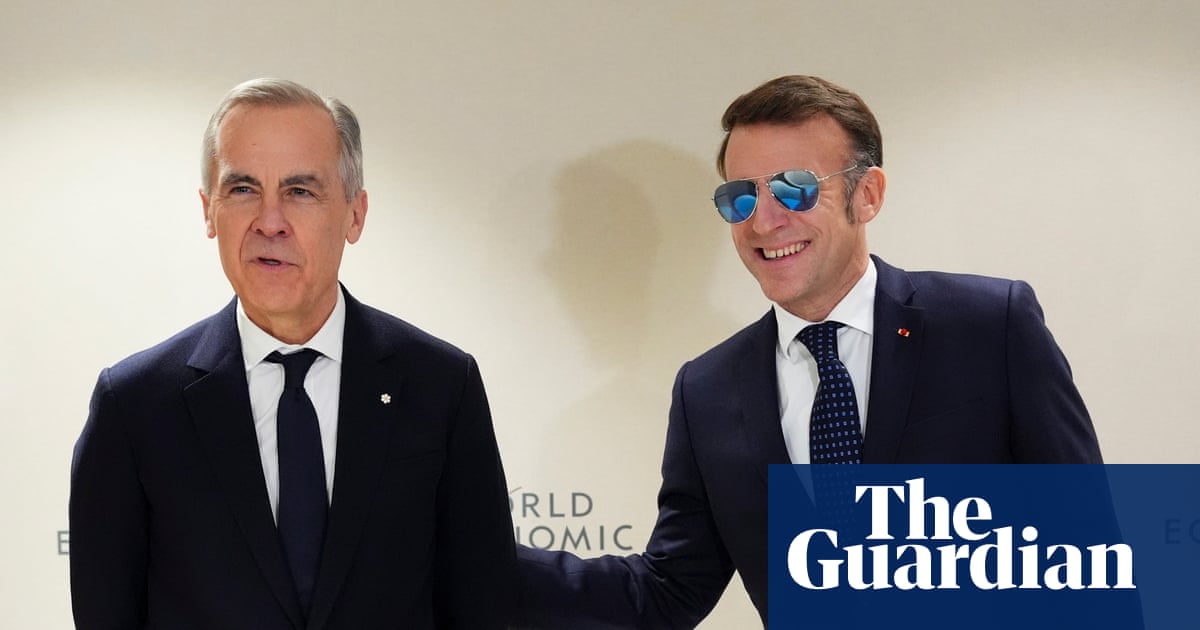
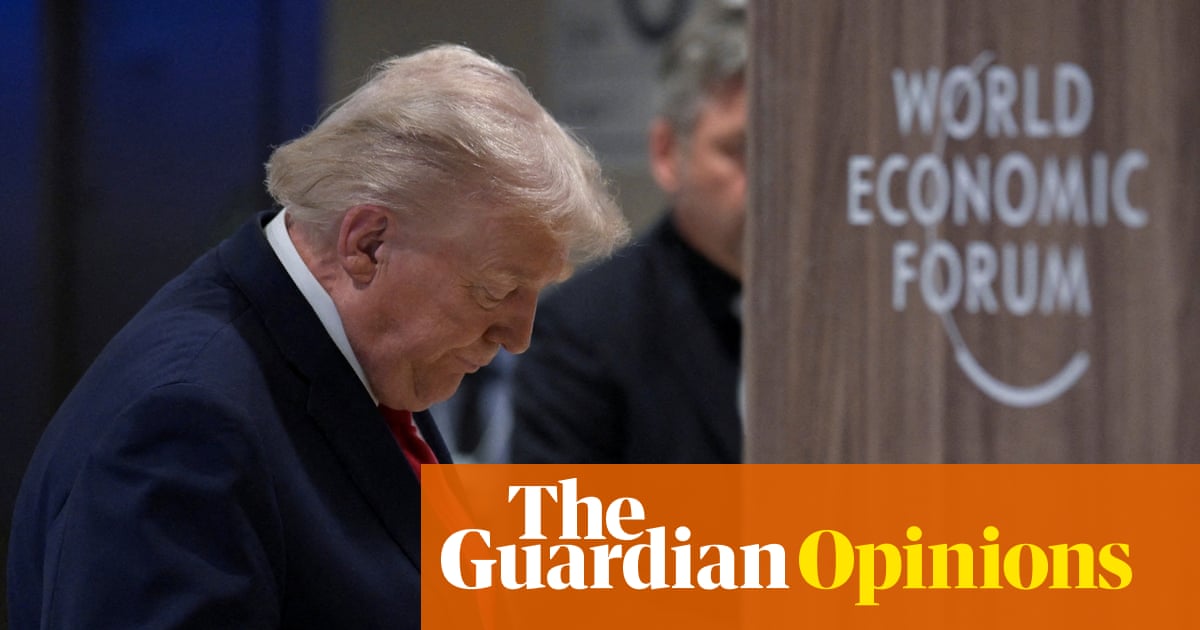
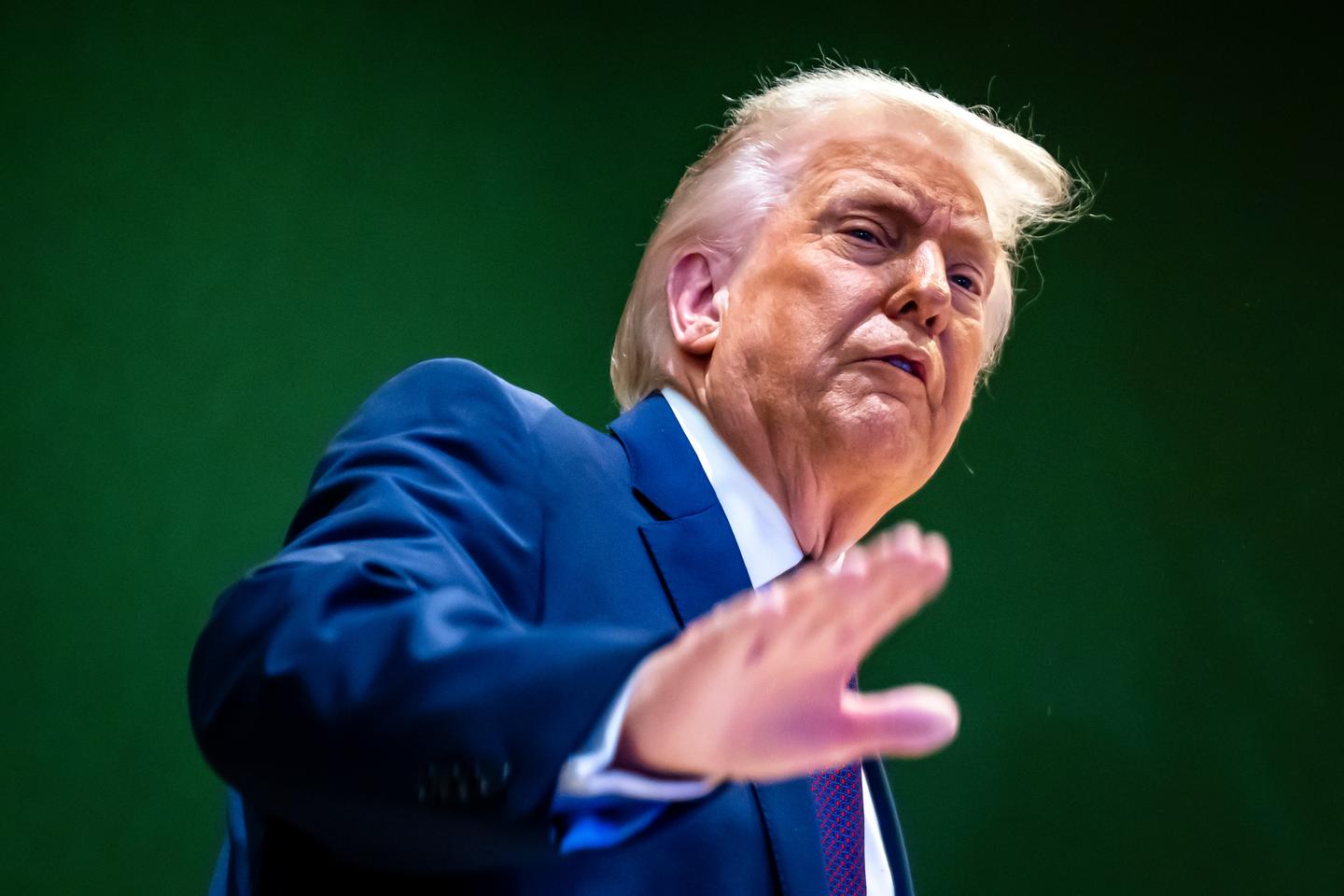
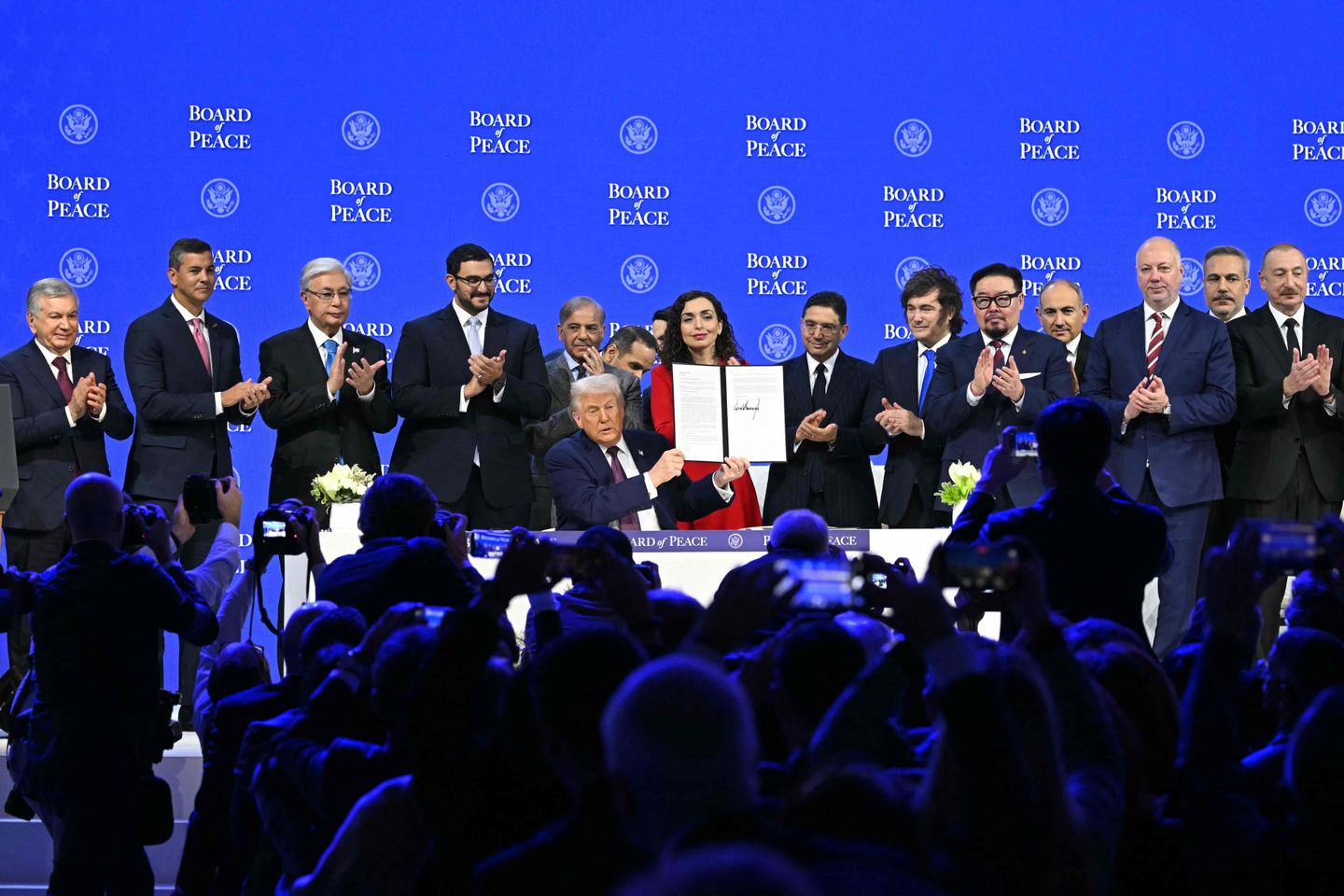
merican troops – well, half of Donald Trump's cabinet – have arrived in Davos, Switzerland, to promote the new imperialism of the United States. In the plush chalets of what was once, for one week each year, the temple of "sweet commerce," to cite an idea attributed to Montesquieu about pacifying nations and ensuring a Kantian perpetual peace, attendees were urged to urgently reread Thucydides. Specifically, the Greek historian's maxim: "The strong do what they can and the weak suffer what they must." This idea has always been central to Trump's view of politics and, one year after returning to the White House, it remains one of his guiding principles more than ever. The three remaining years of his term promise to be long.
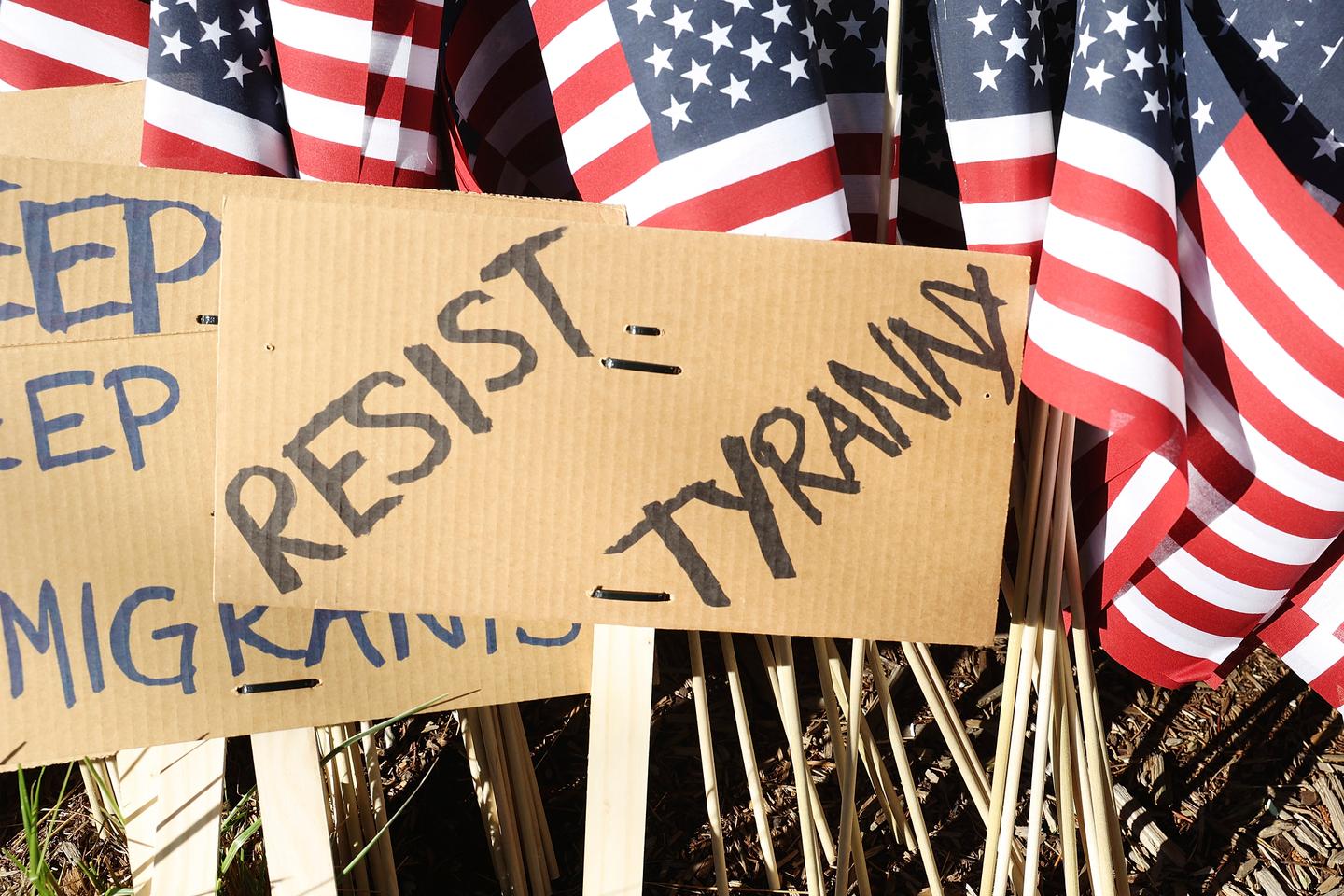
This will offer little comfort to those whom the president has placed among the weak and showered with scorn and sarcasm as he courts those he sees as powerful. The same dynamic is playing out at home. There, too, the US government has replaced the patient pursuit of consent with rule by fear. The challenging of the checks and balances established by the Founding Fathers to protect the Republic has advanced in lockstep with the trampling of international law.
Those who fought hard for US independence had not foreseen that such checks and balances might self-destruct. Republican members of a Congress whose constitutional prerogatives precede those of the president, as outlined in the 1787 Constitution, have capitulated in the face of force to avoid having it wielded against them, without any guarantee of results.