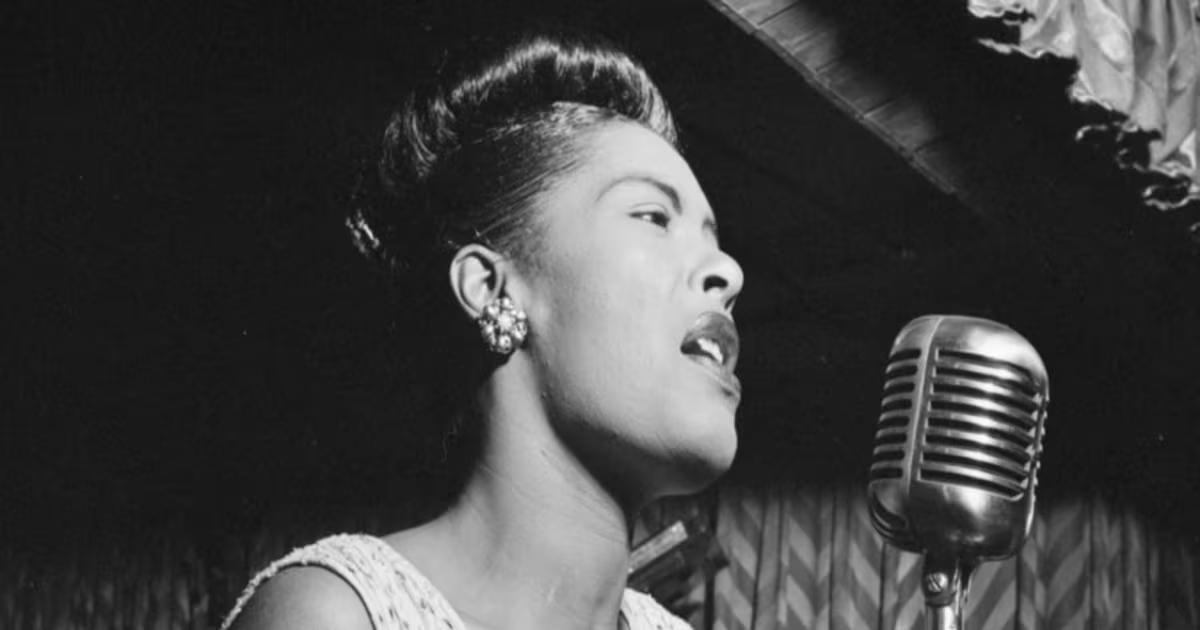
In May 1947, Billie Holiday had a one-week engagement at Philadelphia’s Earle Theatre, one of the biggest venues in the city for Black entertainers. The Earle Theatre was built as a vaudeville palace in 1924 on the ground floor of a seven-story office building. It had 2,768 seats and welcomed musical stars like Duke Ellington, Count Basie, and Benny Goodman.Article continues after advertisement
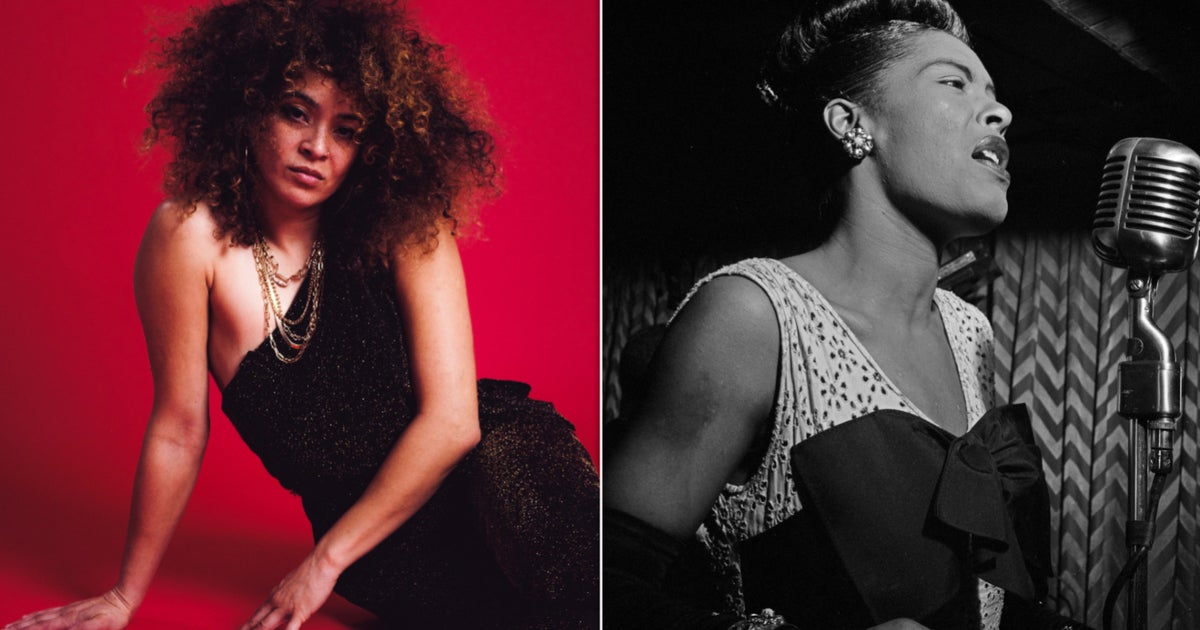
Billie Holiday was at the height of her fame. In the fourteen years since John Hammond discovered her singing at Monette’s Supper Club in Harlem, Billie Holiday had toured with Count Basie’s band, been one of the first Black performers to integrate an all-white band when she joined Artie Shaw’s orchestra, and, at the age of twenty-four in 1939, opened at Barney Josephson’s groundbreaking integrated jazz club Café Society. It was at her inaugural gig at Café Society that Billie Holiday introduced her signature song, the haunting anti-lynching ballad “Strange Fruit.”
“Strange Fruit” catapulted Billie Holiday to stardom, but John Hammond, the white executive who had signed her to Columbia Records, had not wanted her to record it. Holiday signed a one-year deal with Milt Gabler’s label to record the song. Although it is easy to criticize Hammond for his cowardice, he may have been prescient. The release of “Strange Fruit” put Billie Holiday in the crosshairs of racist federal and state law enforcement, who hounded her for the rest of her life. Beginning in 1940, the Federal Bureau of Narcotics (the predecessor to the DEA) began its obsessive surveillance of “Lady Day,” hoping to use her drug addiction to silence her. Billie Holiday had often said that she modeled her singing voice after Louis Armstrong and Bessie Smith. By May 1947, she was sharing the bill with Louis Armstrong at the Earle, as an artist of equal stature.