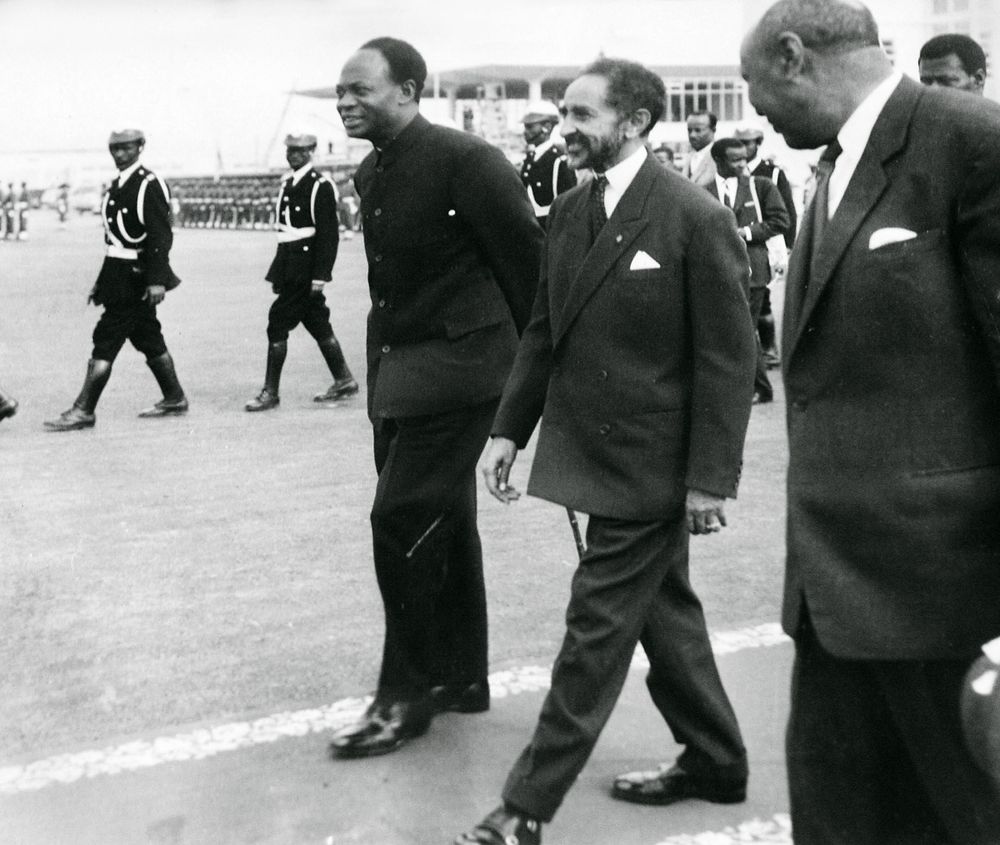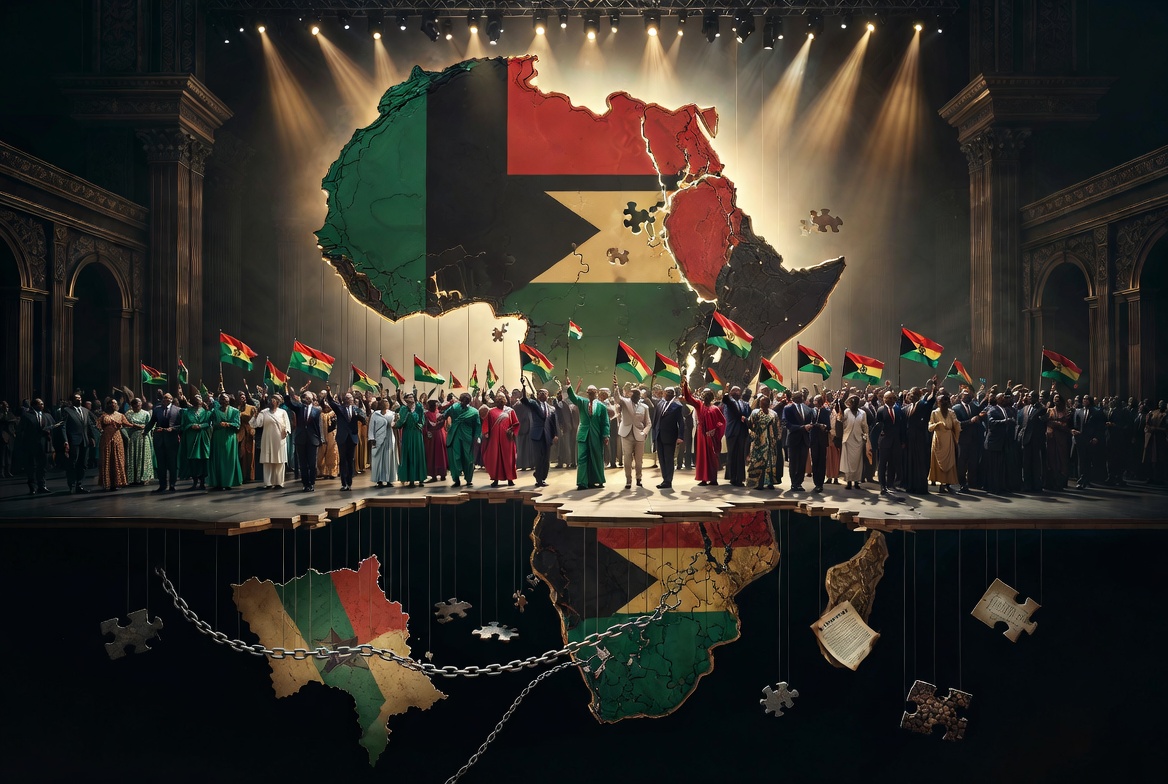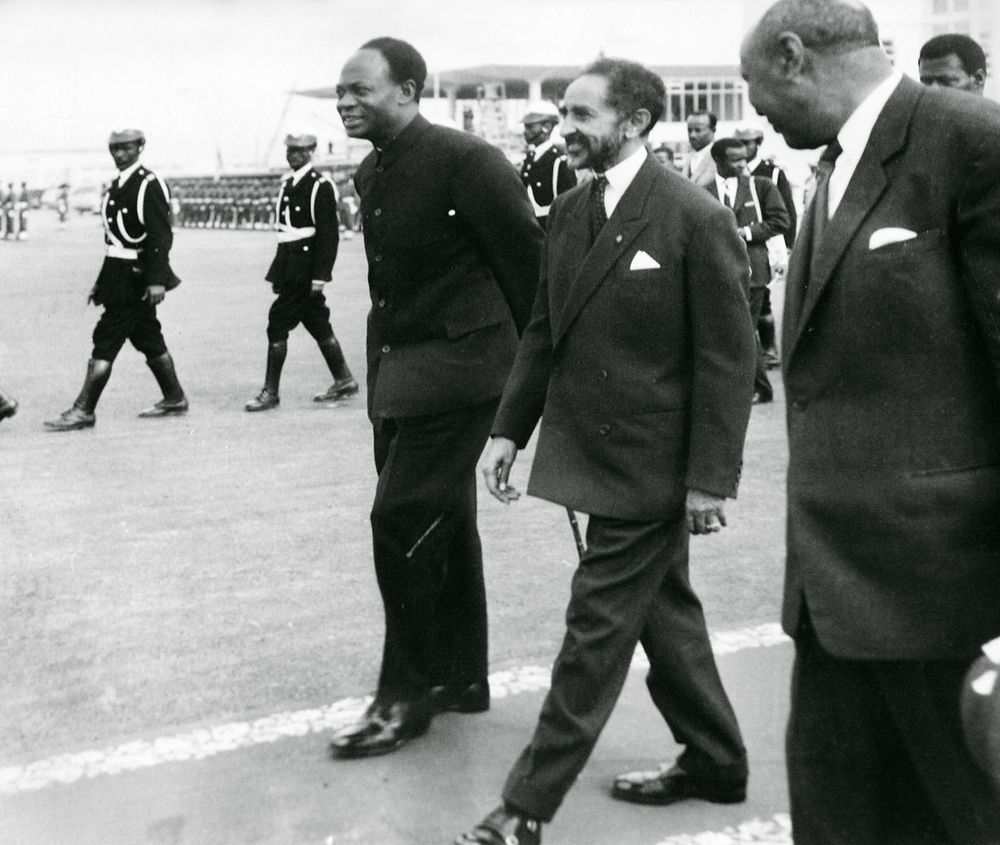
Ghana's founder and first President Kwame Nkrumah (left) and Ethiopian Emperor Haile Selassie (centre) at the formation of the Organization of African Unity (OAU) in Addis Ababa, Ethiopia on May 25, 1963. The writer argues that Africa Day invites celebration, and rightly so, yet love for Africa must be honest enough to confront the institutional weaknesses that continue to undermine its promise.
By Nqobani Mzizi
Every year, Africa Day is celebrated as a reminder of where the continent has come from. Rightfully so. The day commemorates the founding of the Organisation of African Unity in 1963, the continental body that later gave way to the African Union (AU). Its historical significance lies in the pursuit of liberation, self-determination and African solidarity. That history deserves honour. Yet commemoration without reflection risks becoming ceremony.
The deeper question is whether the freedom that was pursued through political liberation is being sustained through institutions that can deliver dignity, trust and opportunity. It should also unsettle us into asking whether our institutions are strong enough to carry Africa where it must still go.
Africa is often spoken about through the language of promise. It has a young population, vast natural resources, expanding digital potential, entrepreneurial energy, cultural strength and increasing continental ambition. These strengths are real and should not be dismissed or treated as rhetorical decoration. Yet, promise does not govern itself. Without capable institutions, ethical leadership, public accountability and long-term stewardship, promise becomes frustration.