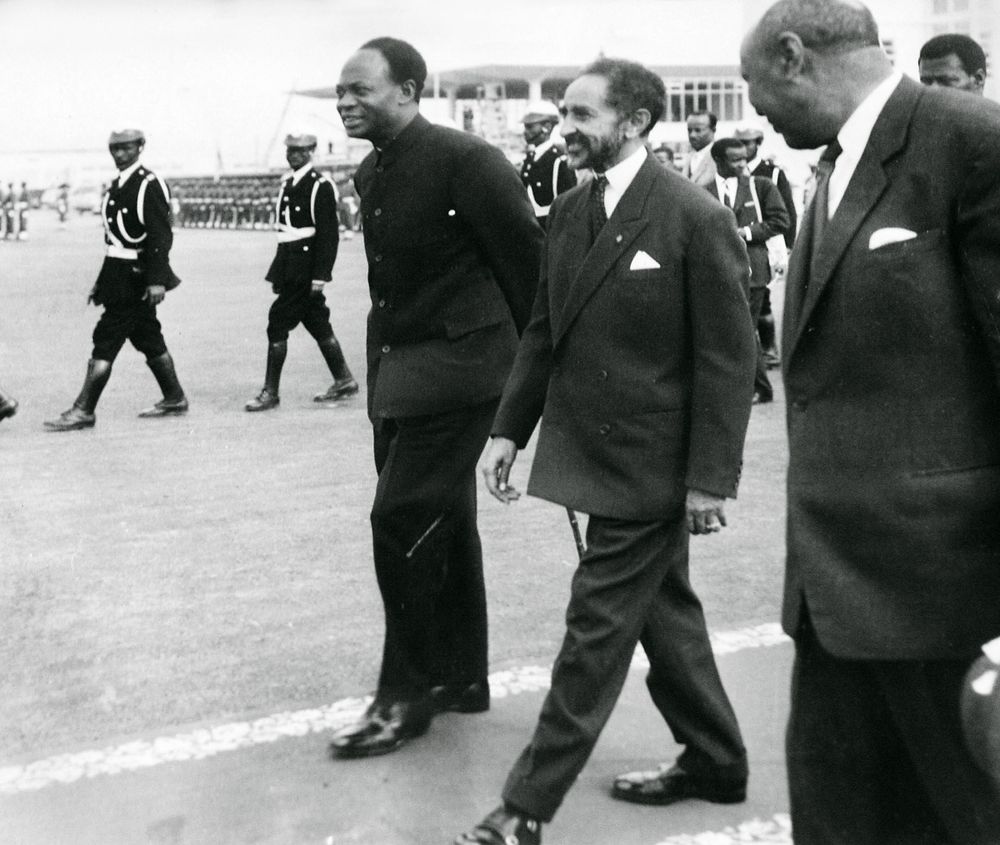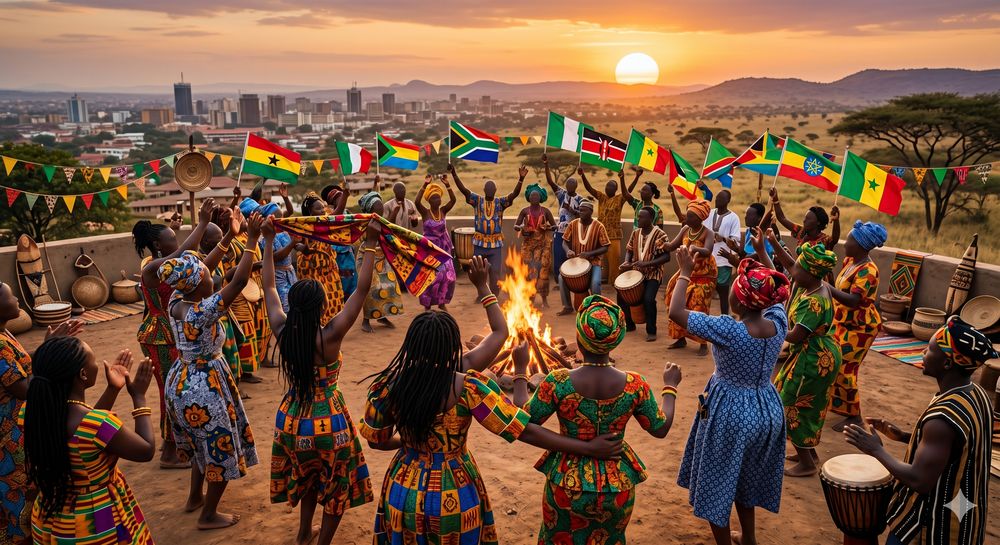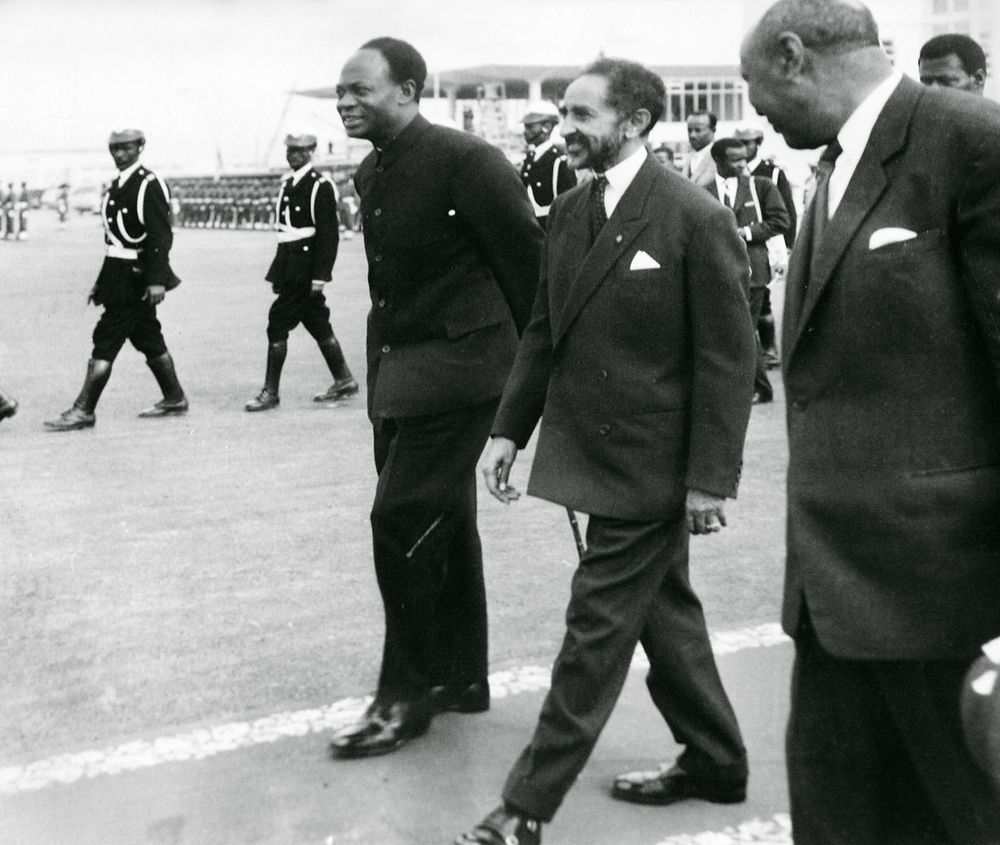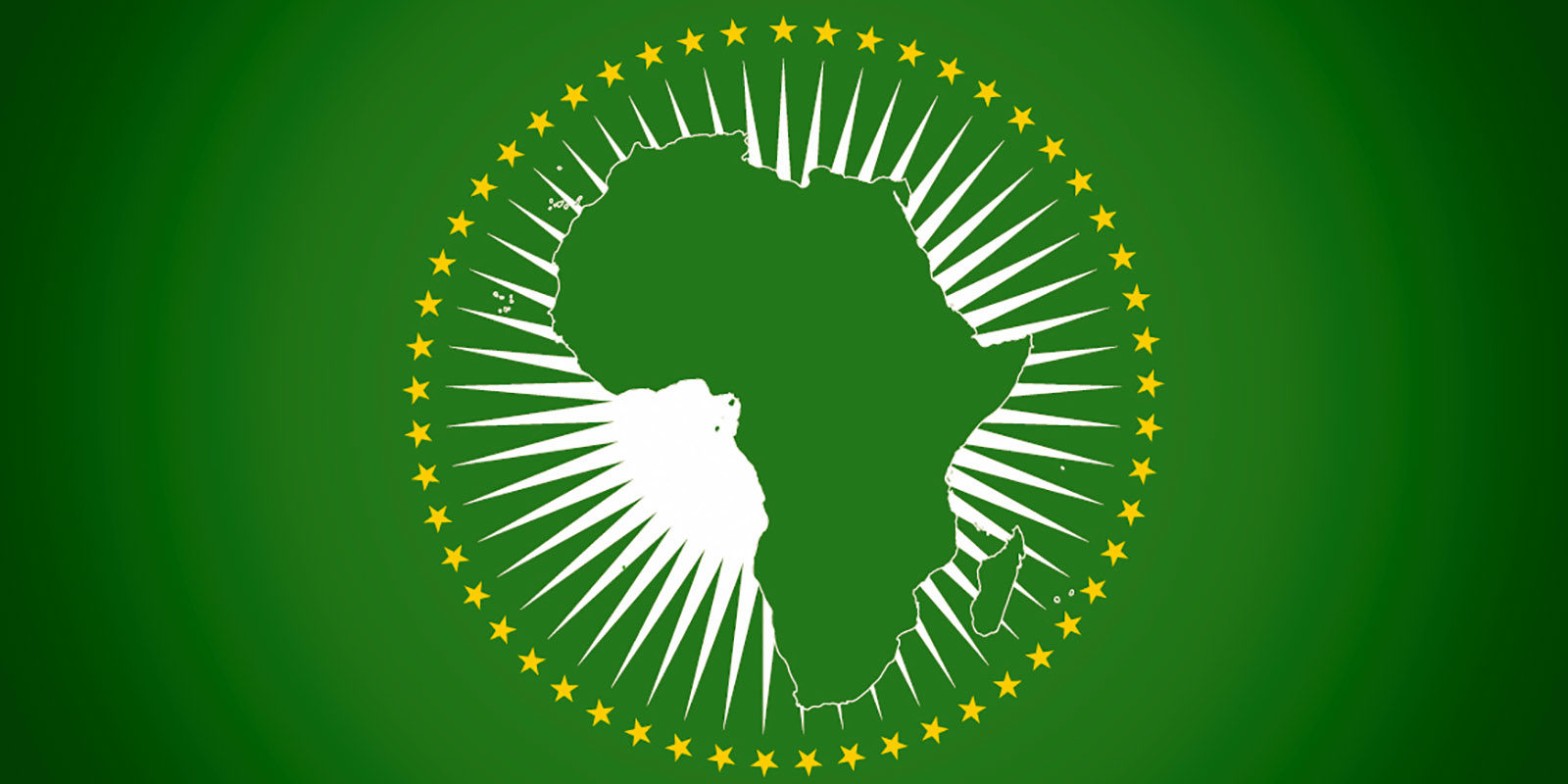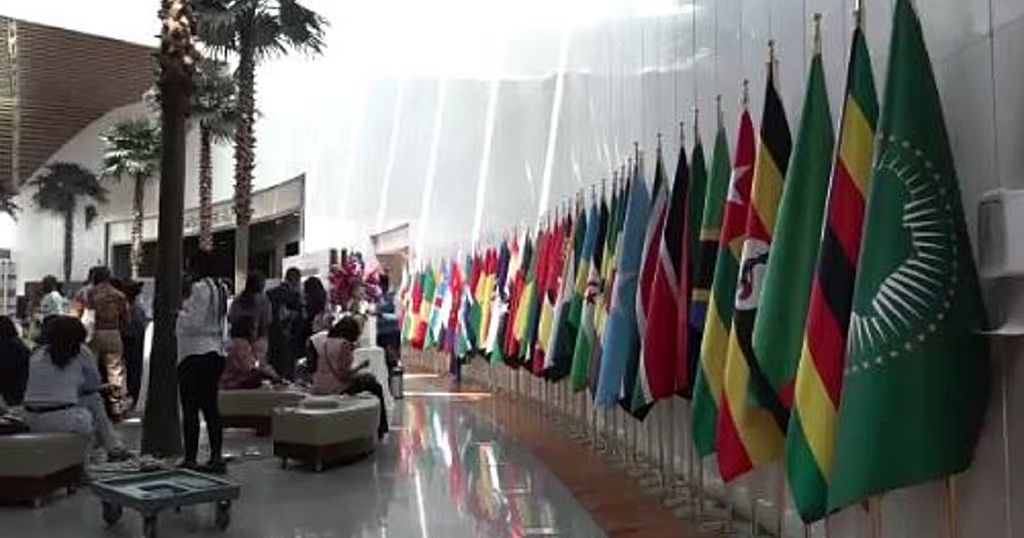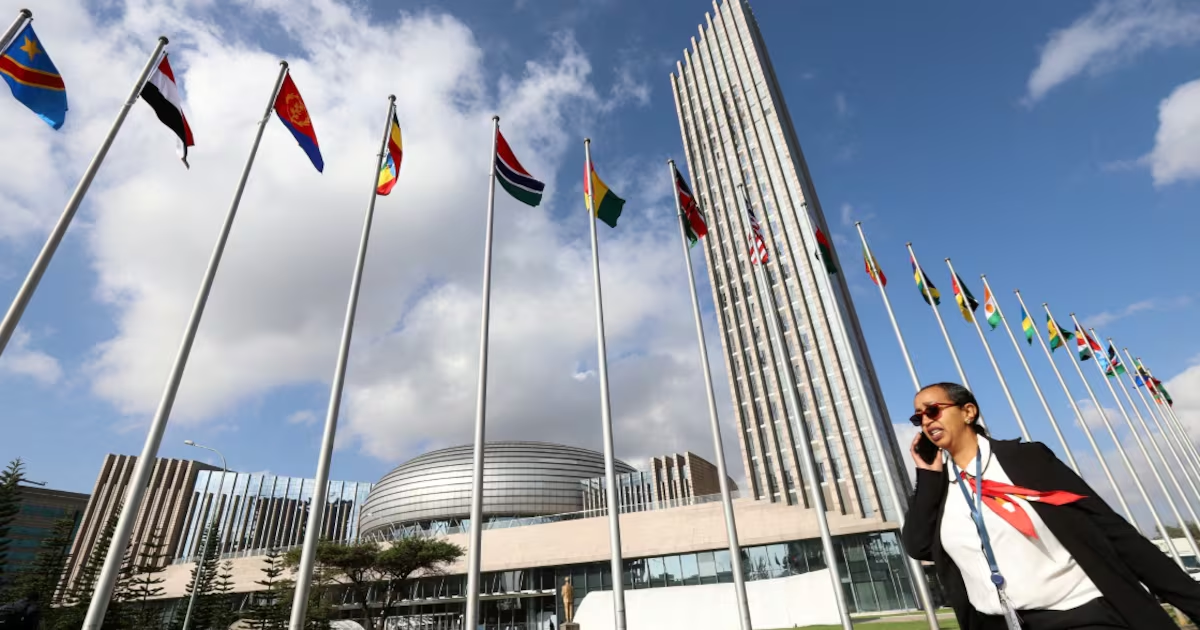
On Monday, Africans were meant to celebrate Africa Day, the day the Organisation of African Unity (OAU) was formed. But there was little, other than hope, to bandy about.On May 25 1963, 32 African leaders met to set up the OAU, today’s African Union (AU), hoping to forge pan-African unity and a journey towards peaceful coexistence, independence and prosperity.Since then, most African countries have downed tools to commemorate this day and take stock.Year in and year out, the conditions on the continent remain bleak.This is despite it being the most endowed in mineral wealth and other resources. With vast tracts of land, favourable weather and an abundance of affordable manpower, most countries on the continent still struggle to feed themselves. Its poor leadership has deprived the population — mostly young people — of the chance to benefit from these riches and opportunities.Parts of the continent ― such as the Horn of Africa, Sudan and the Democratic Republic of Congo (DRC) ― are still engulfed in age-old regional wars. A ceasefire agreed to end the conflict in the DRC is failing to hold. Sanctions by the US government, which brought leaders of Rwanda (the other protagonist) and the DRC together, are unlikely to help.A facilitation team, made up of former African presidents, hasn’t gained traction after its establishment a year ago. The team was supposed to facilitate an inter-Congolese dialogue towards durable peace.The withdrawal of an African peacekeeping mission has left the Congolese at each other’s throats with no end of the conflict in sight.As if that is not enough, this minerals-rich country is now facing a new, but equally deadly, crisis. The outbreak of the Ebola virus has already claimed hundreds of lives. Some of DRC’s neighbours are sealing their borders and cancelling flights to protect their citizens.The outbreak couldn’t have happened at a more inopportune time. Since returning to the White House, President Donald Trump has retrenched the US role in global affairs. Critically for Africa, he has scrapped foreign aid, including health budgets that have long sustained many countries. These cuts are rapidly translating into loss of lives and livelihoods.South Africa, the continent’s most advanced economy, is facing a crisis of its own. For a month now its cities have experienced anti-immigrant protests and some of these have turned violent.On the eve of Africa Day, an attempt was made to boycott South Africa’s official celebrations. The government has sought to play down this move. But some governments, including Ghana’s, have begun evacuating their nationals in this country.Ghana has also proposed that the midyear review session of the AU leaders should discuss the treatment of immigrants.Democracy is also on the retreat. West Africa is run by juntas who have trade protectionist instincts, and election results are increasingly being contested. Today’s African leaders owe the continent’s generations a new story; a story that tomorrow will be better than today.Africa doesn’t have to be a price-taker; it can now negotiate better trade and commercial terms.In 2021, Africa’s leaders agreed to create the world’s largest single market through the African Continental Free Trade Area. The agreement has faced challenges with uneven implementation. Political will could breathe new life into it.Similarly, Africa needs to harmonise positions regarding trade relations. In a transactional world, Africa, as a bloc, will have more leverage than on a bilateral basis. Put differently, as individual markets, African countries are weak, but as a unit they can get better deals.African leaders should not walk away from humanitarian solidarity. Accordingly, those who can should assist the DRC in this moment of need.Such a gesture would help give meaning to the body’s continued existence.
EDITORIAL | Africans waiting in vain for unity
Celebrating OAU’s founding highlights struggle to unite and prosper despite resources
603 words~3 min read