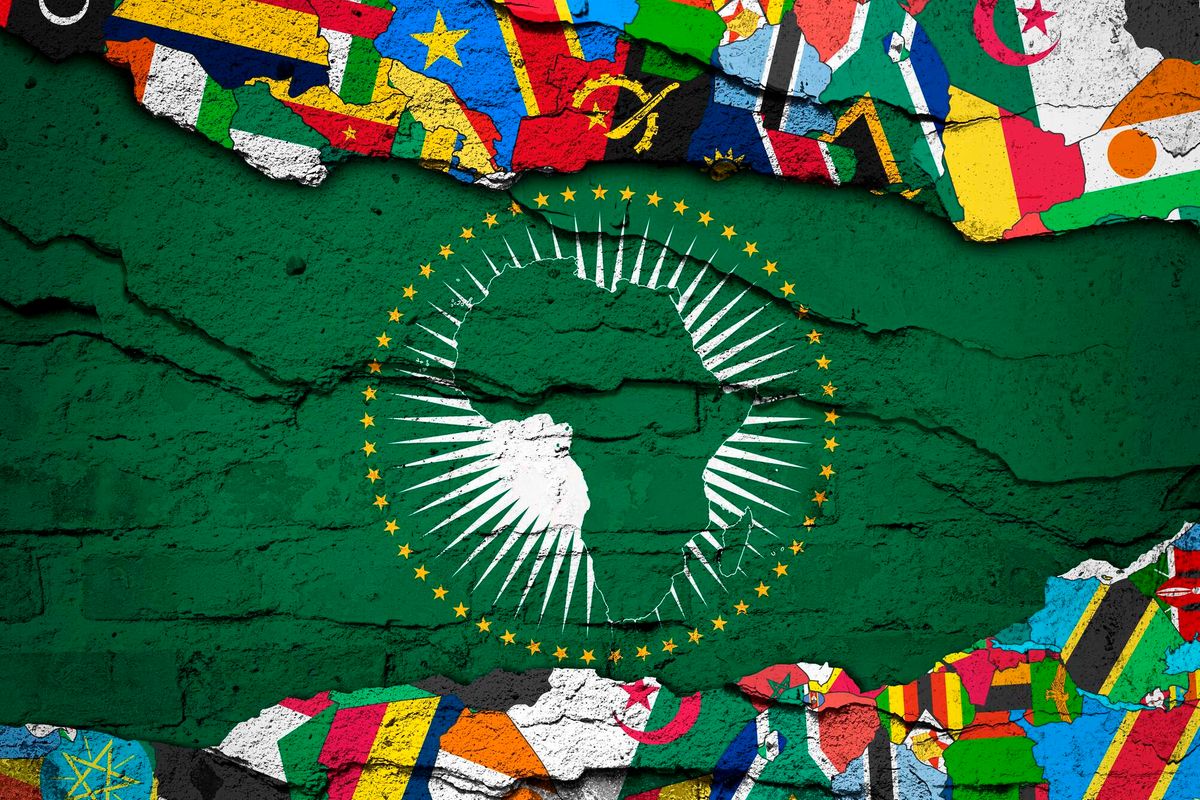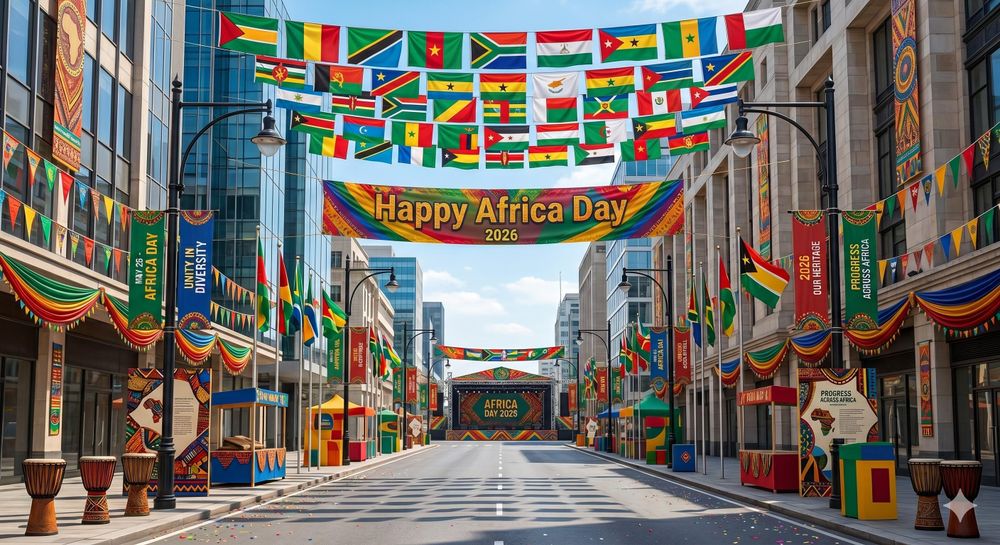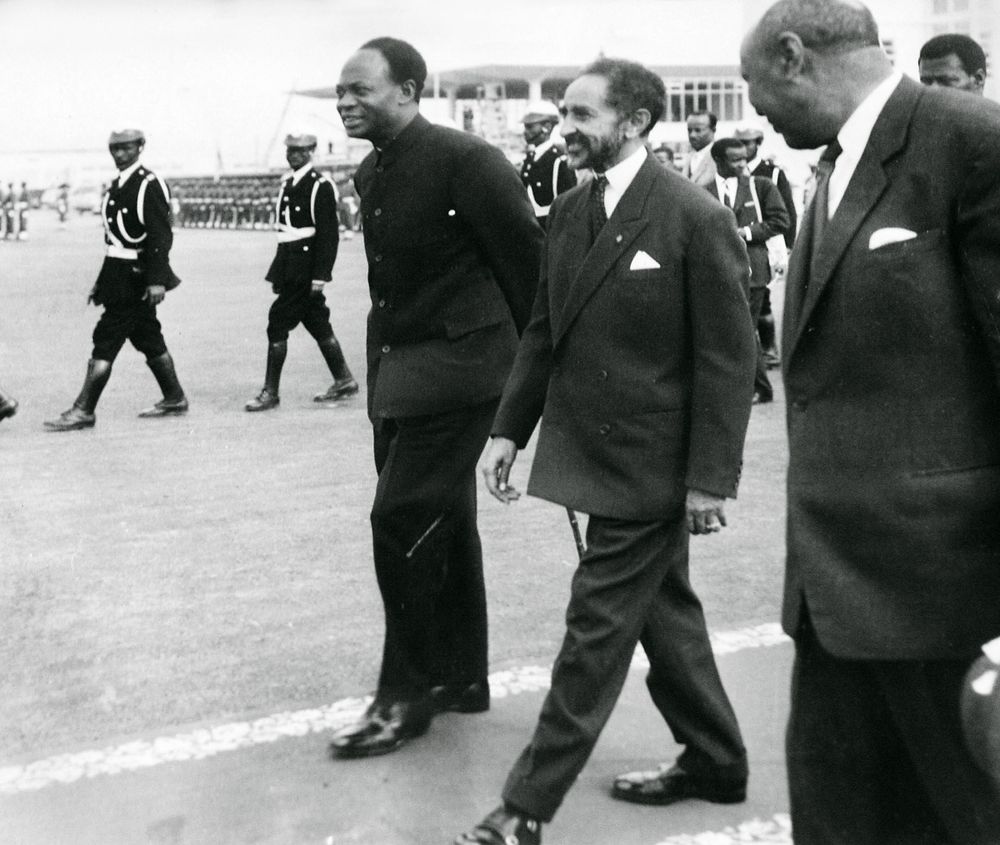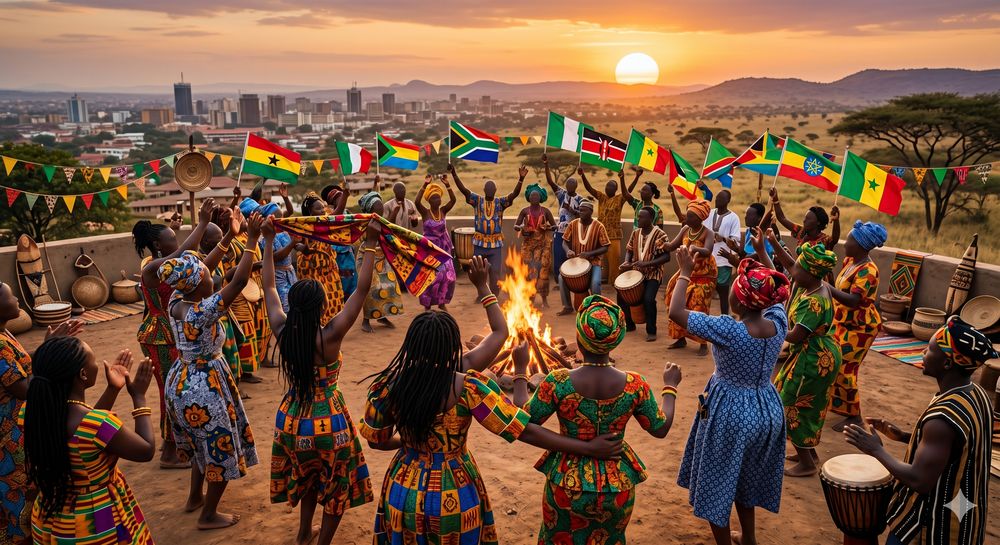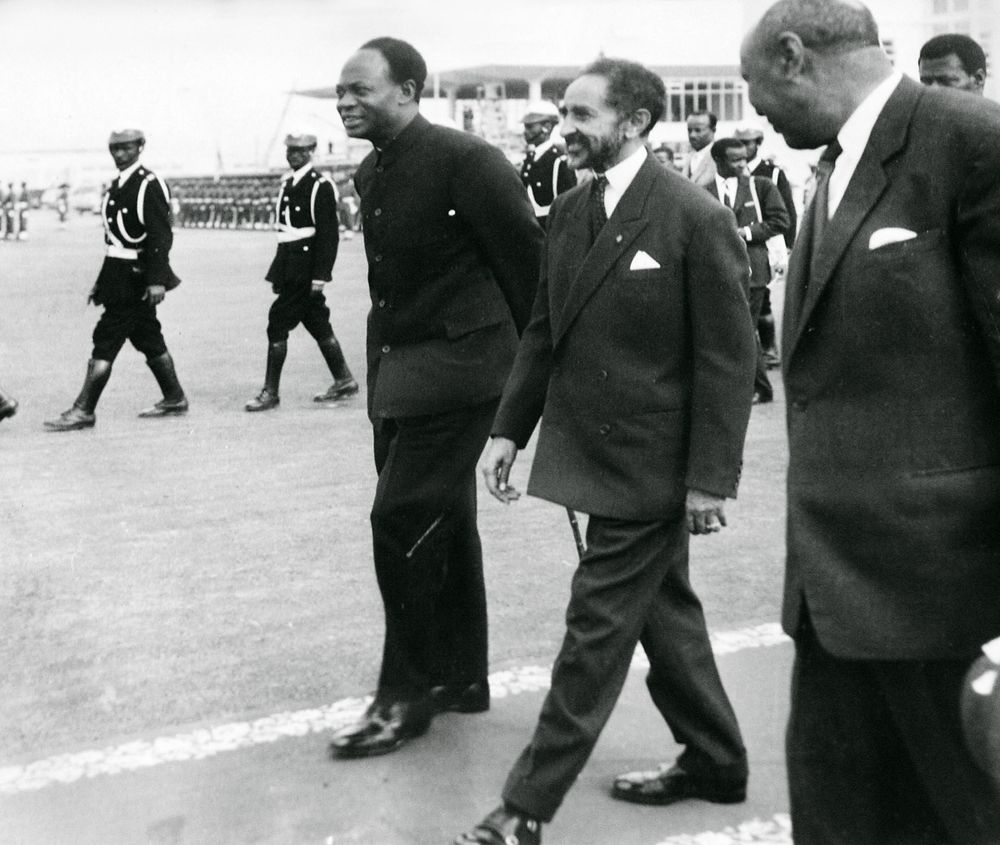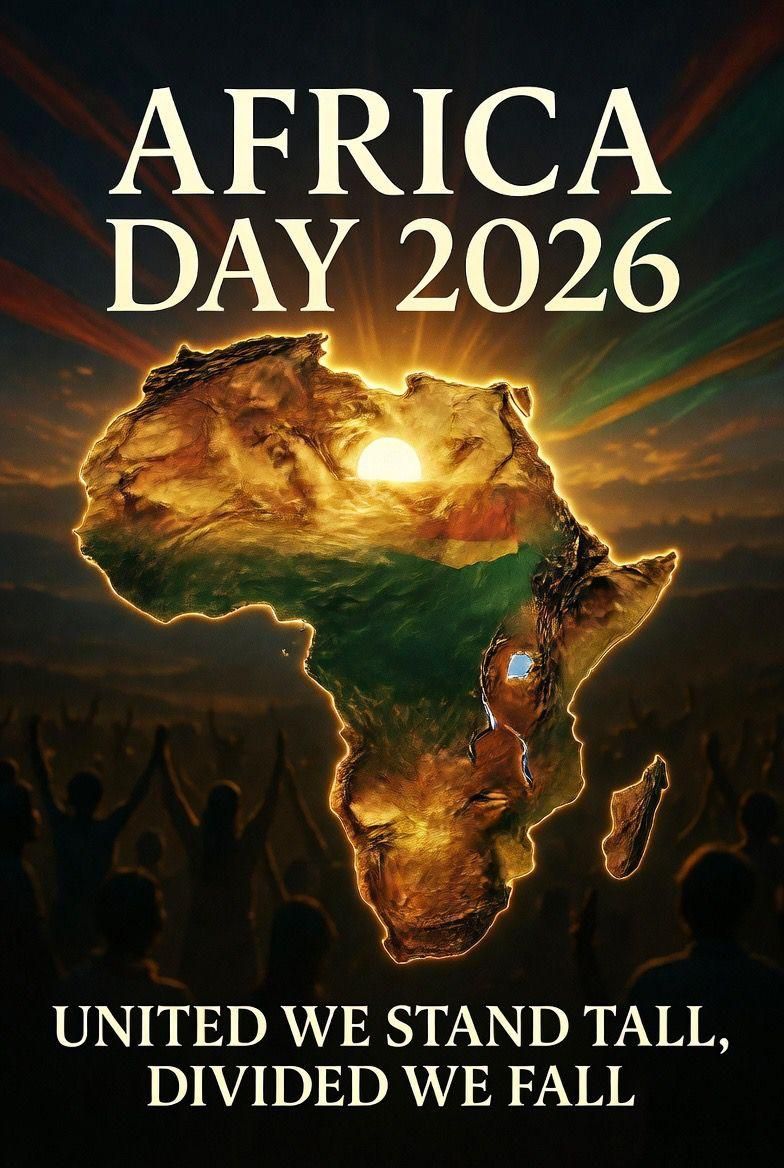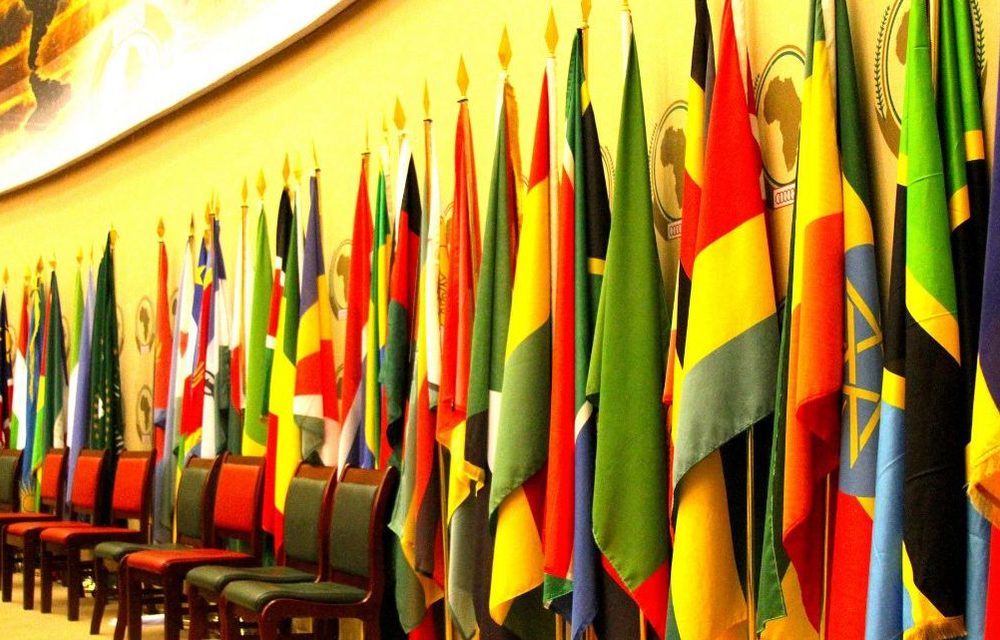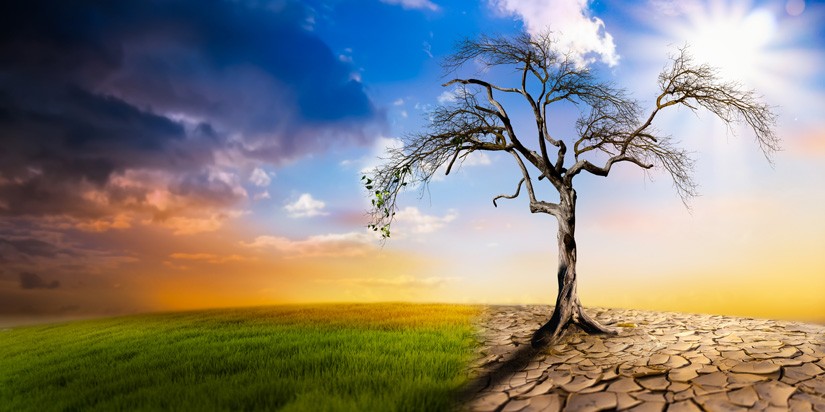
Every year on May 25, Africans across the continent and in the diaspora celebrate Africa Day, a moment to reflect on our shared history, our struggles for liberation, and our collective aspirations for prosperity and dignity. But Africa Day 2026 must become more than a symbolic celebration. It must serve as a wake-up call for deeper African unity, stronger climate adaptation efforts, and accelerated investment in clean energy for the survival and development of our people.
Africa stands at a critical crossroads. The continent contributes the least to global greenhouse gas emissions, yet it suffers some of the harshest impacts of climate change. Across the Sahel, East Africa, Southern Africa, and coastal regions, millions of people are already experiencing devastating floods, prolonged droughts, desertification, crop failures, food insecurity, water scarcity, displacement, and climate-related health challenges.
For many African communities, climate change is no longer a future environmental concern; it is a present-day development and survival crisis.
Climate adaptation must therefore be treated as a human development and survival agenda, not merely an environmental issue. When farmers lose their harvests due to erratic rainfall, when children drop out of school because of displacement, when women walk longer distances in search of water and fuelwood, and when diseases spread due to extreme weather conditions, the consequences go far beyond the environment. They directly affect livelihoods, education, healthcare, security, and economic stability.