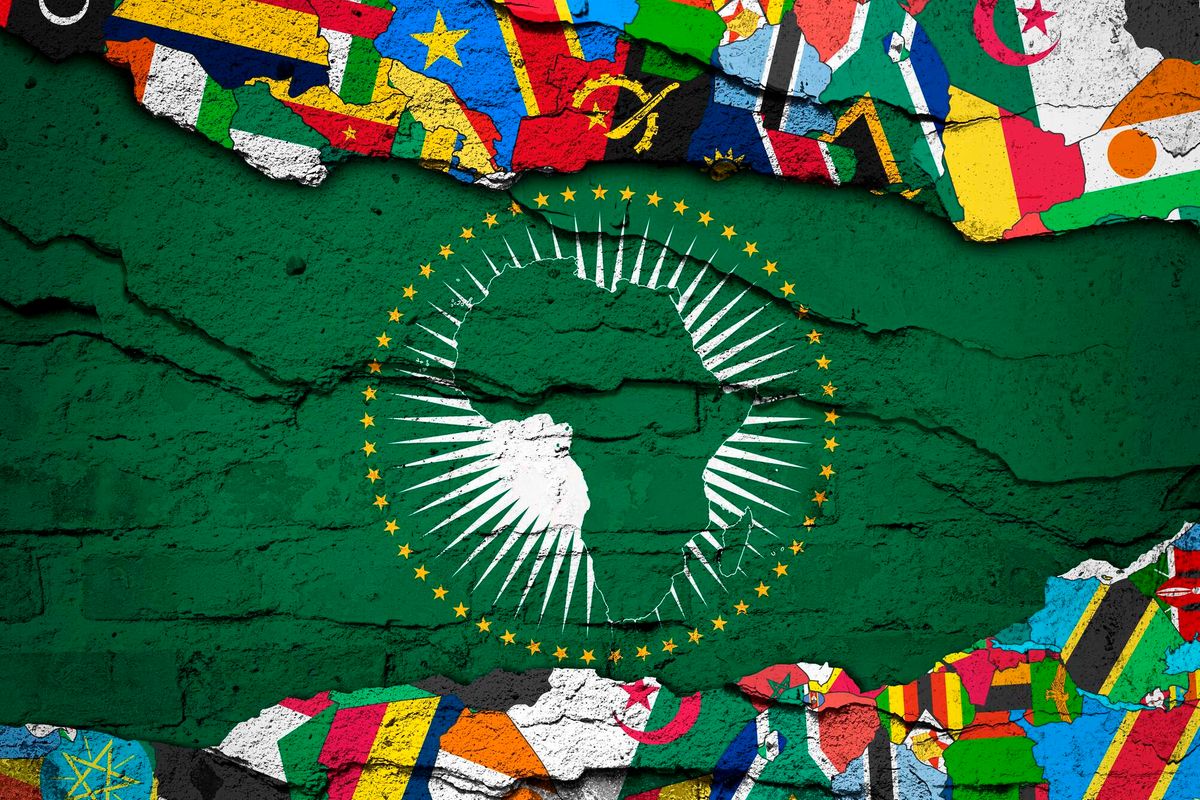
Africa does not lack ideals; it has proclaimed them often and well. What it now requires is discipline, execution and political courage on a continental scale. The most fitting tribute to the founders will not be remembrance. It will be readiness.
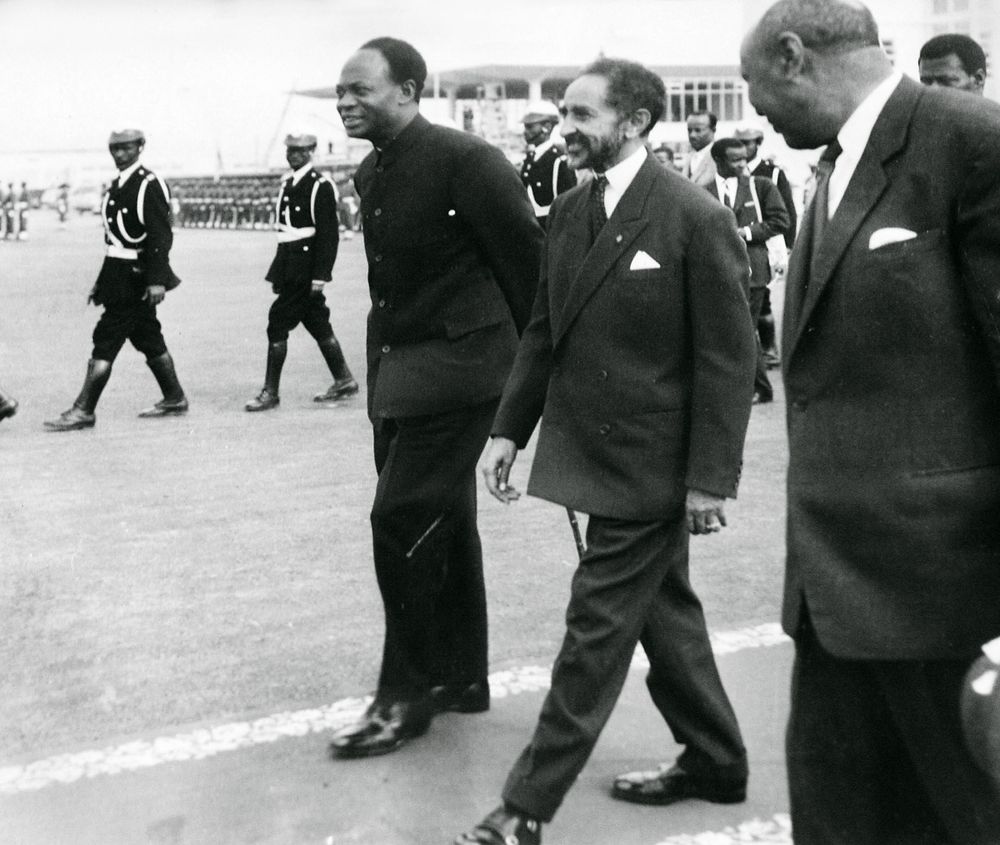
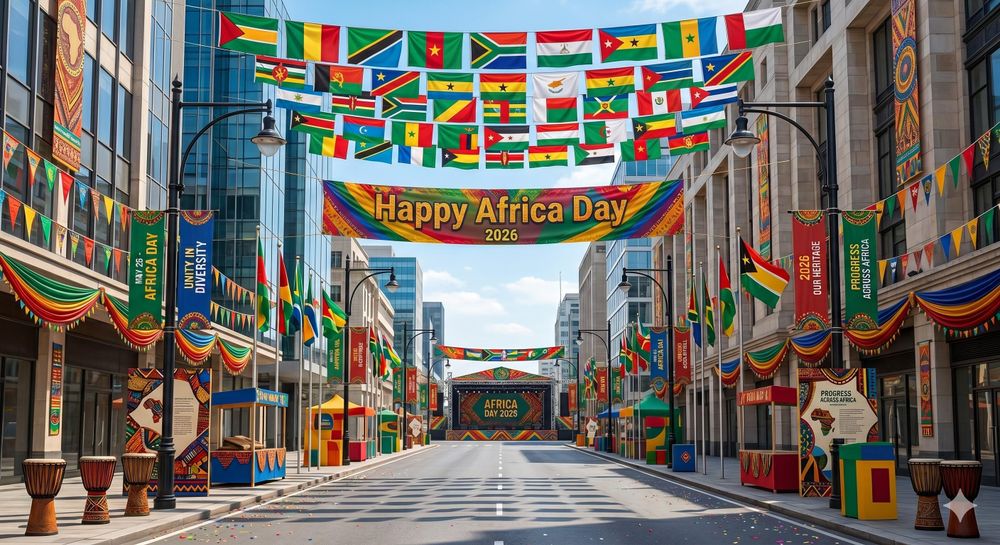
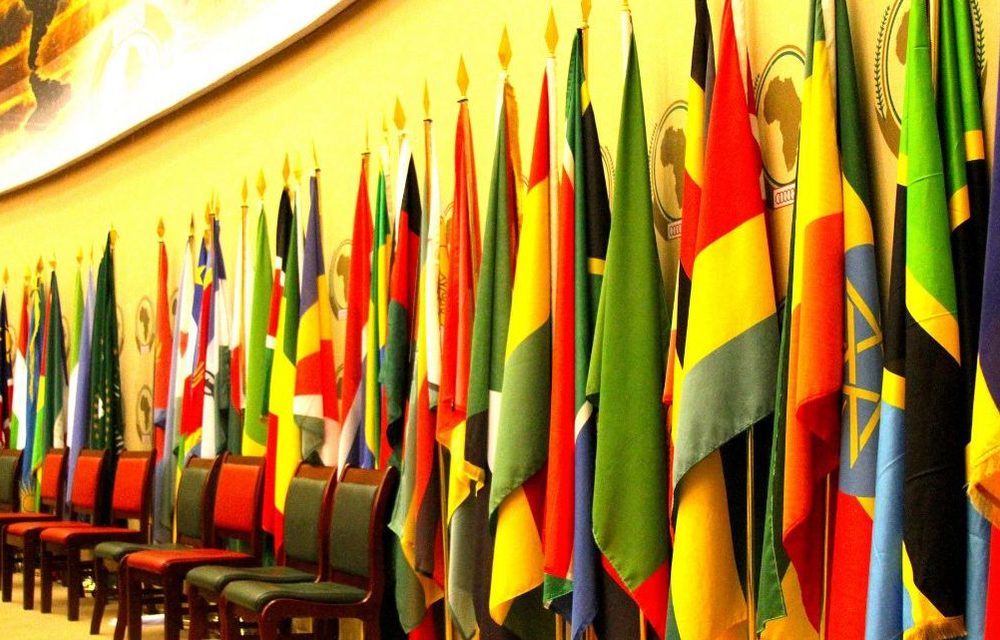
Africa Day should not be observed merely as a ritual of speeches and nostalgia. It should be approached as a test. Commemorating the founding of the Organization of African Unity in Addis Ababa on 25 May 1963, and the political imagination that would later find institutional expression in the African Union, it compels a question that is both uncomfortable and necessary: is Africa becoming equal to the ambitions of its founders?
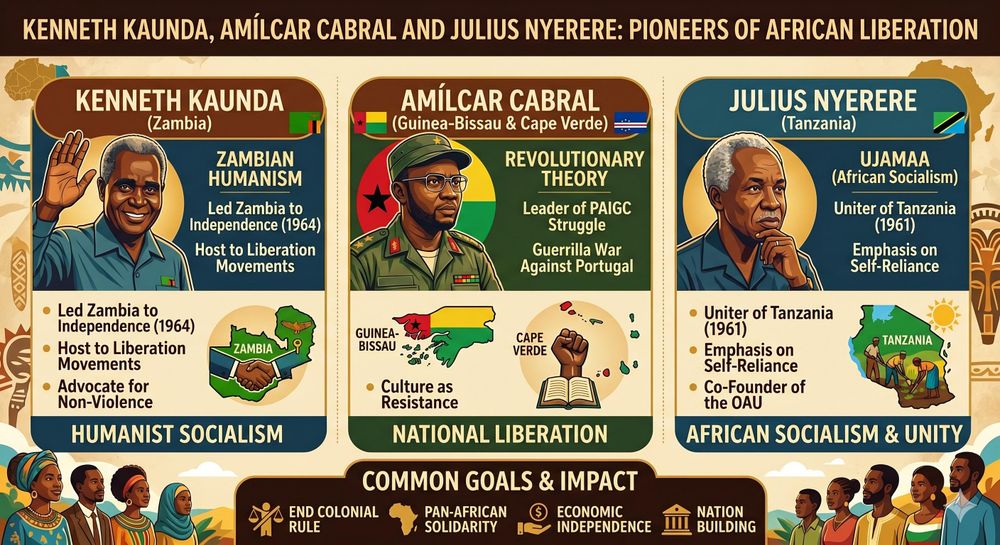
That question leads back to Kwame Nkrumah’s celebrated warning that “the independence of Ghana is meaningless unless it is linked up with the total liberation of the African continent.” He understood, as did many of the founding generation, that independence was never meant to stop at the border of the nation-state. It was meant to mature into something larger: continental agency, economic strength, collective security and the practical dignity of African citizenship. Their project was not simply to lower one set of flags and raise another. It was to build a continent capable of acting in history, rather than merely absorbing the consequences of decisions taken elsewhere.