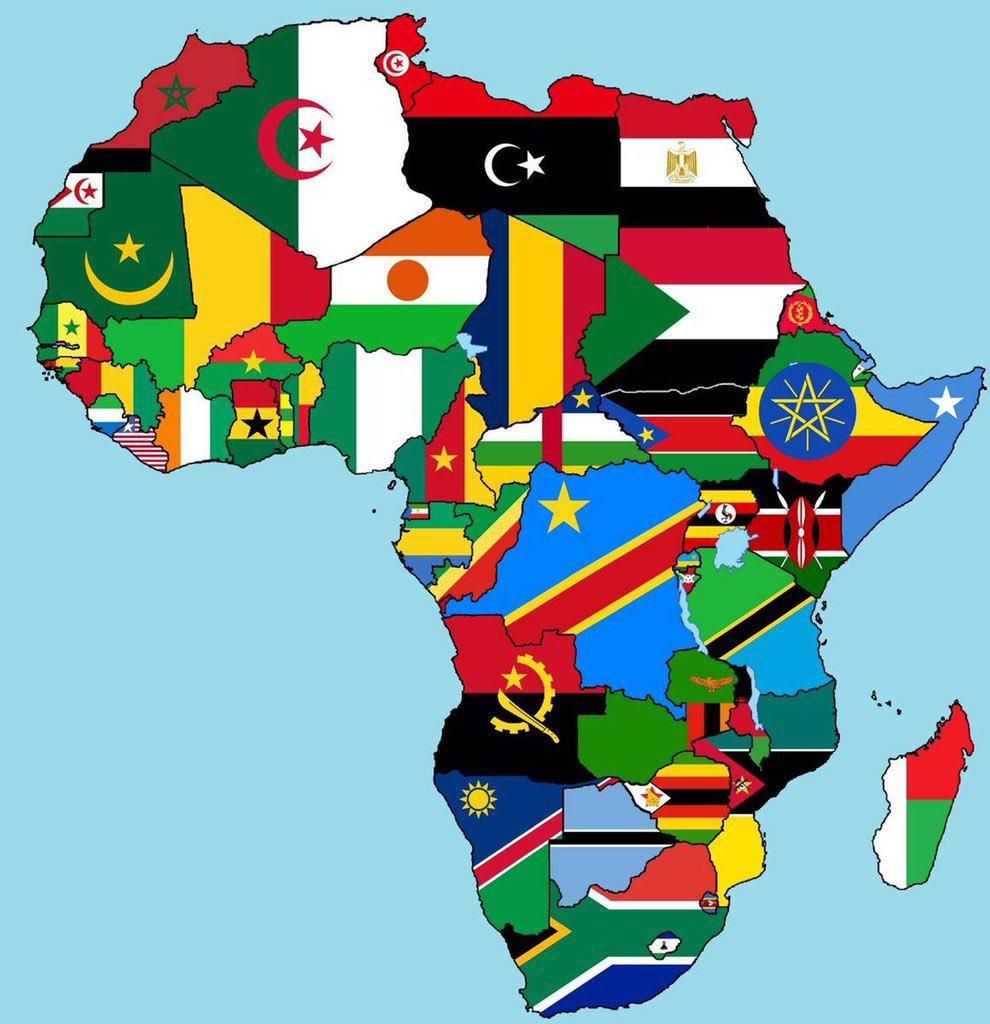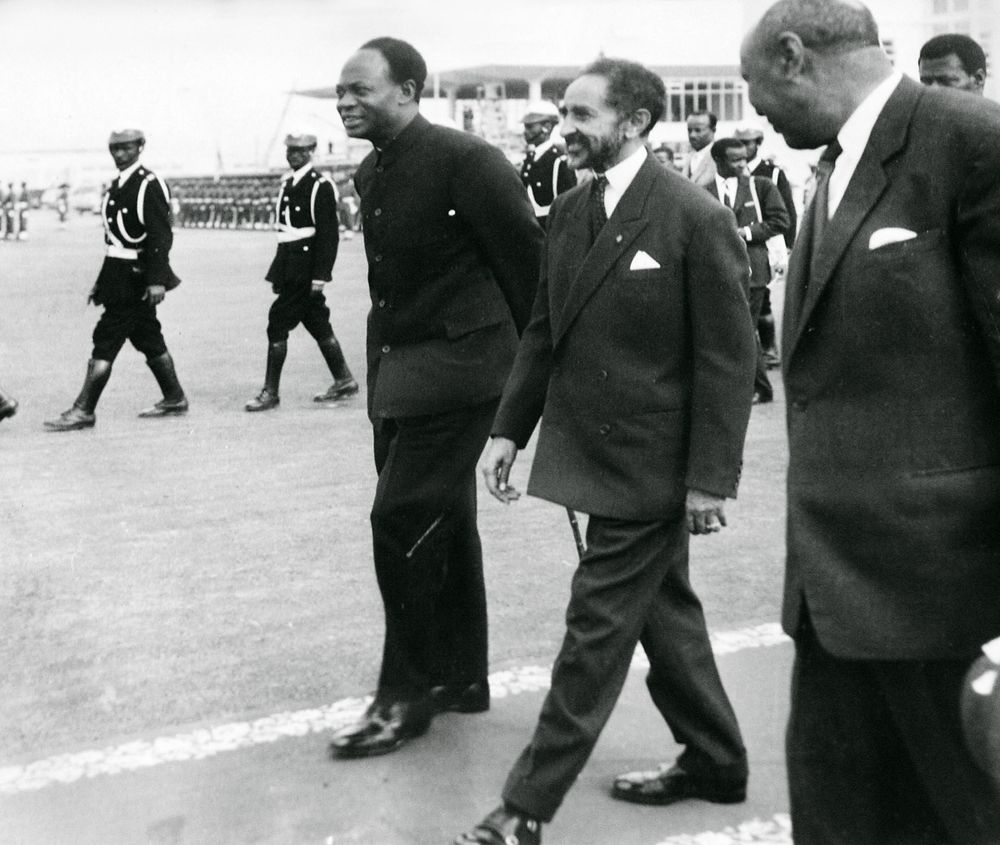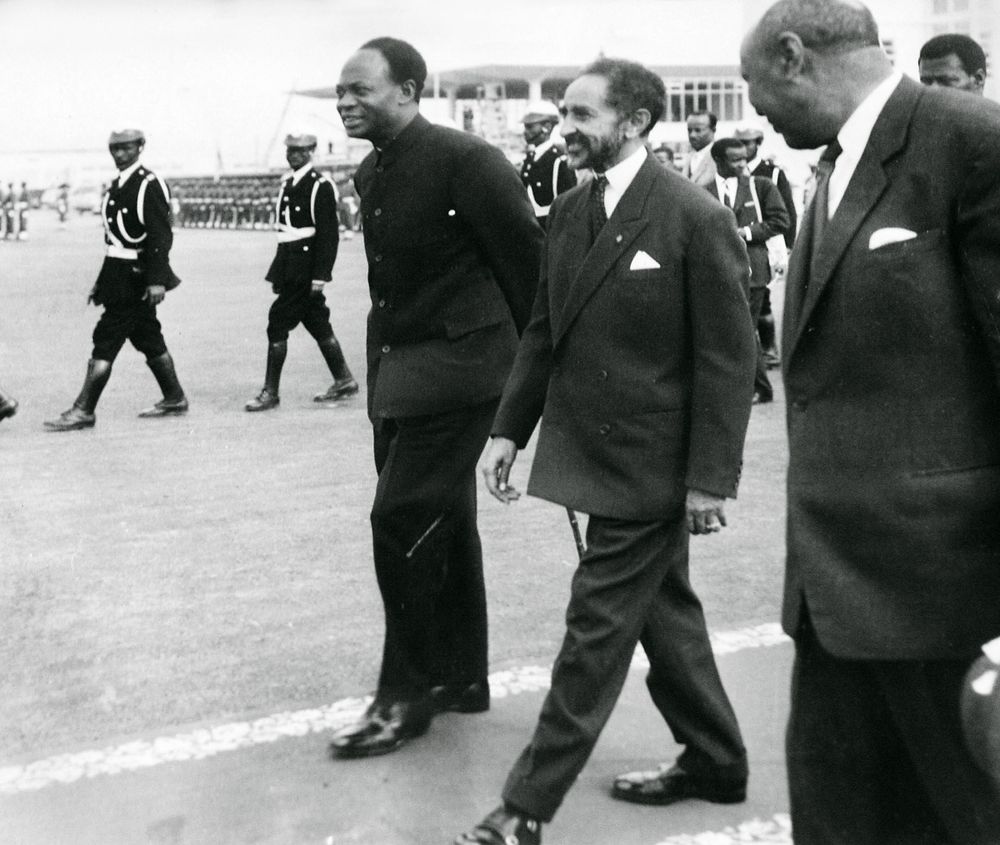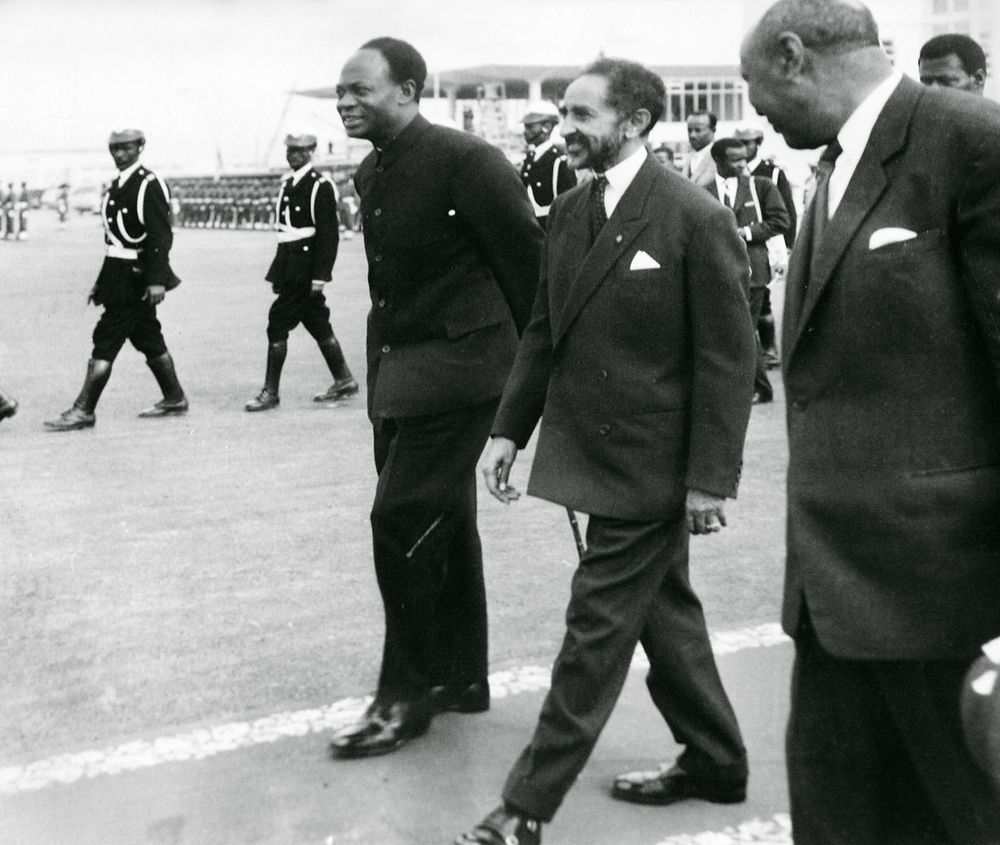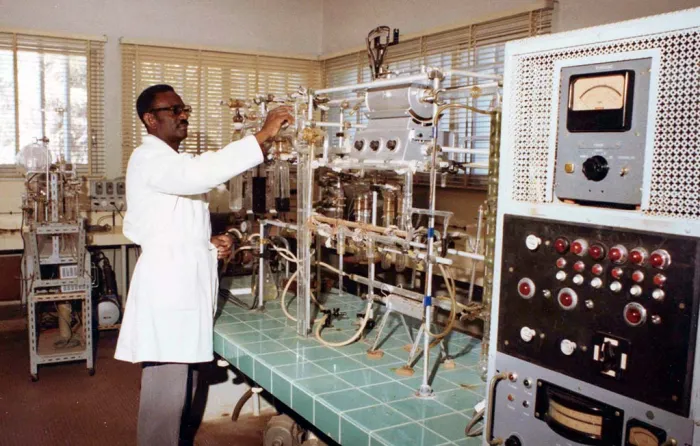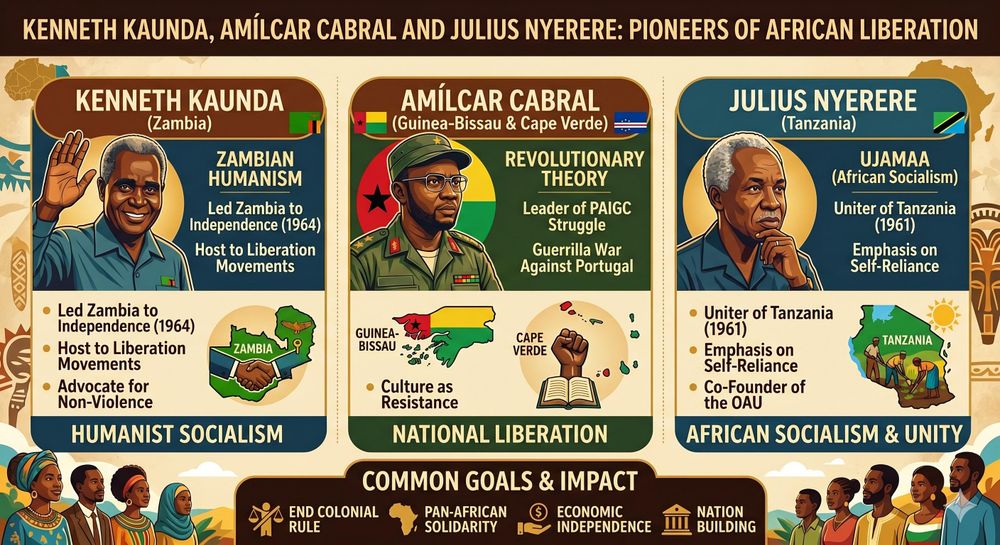
Kenneth Kaunda, Amílcar Cabral, and Julius Nyerere didn’t just fight to dismantle colonial rule; they envisioned a completely redefined, unified Africa built on self-reliance, solidarity, and cultural pride.
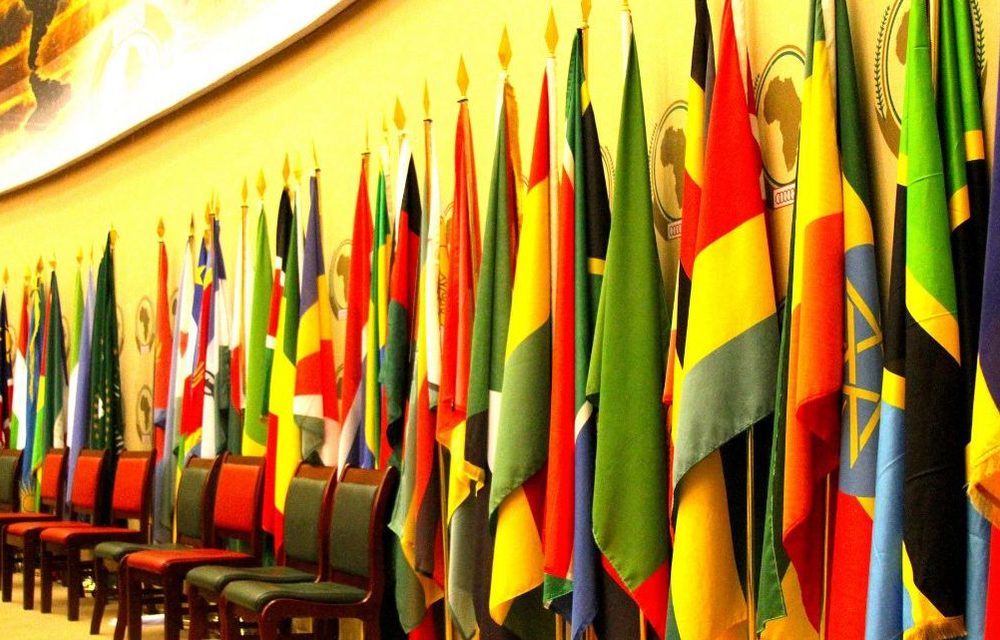
Many of us have come to realise that Africa's rise will continue to stall if we neglect our priorities as a continent. Africans who care continue to reflect on the giants who once trod African soil before us. Great leaders such as Kenneth Kaunda, Amílcar Cabral, and Julius Nyerere dreamt of an Africa led by committed and gallant leaders who cherished freedom and hoped for better communities. Yet, even as we commemorate another Africa Day this week, our challenges continue to eclipse the few successes we attain from time to time. The continent’s problems often appear insurmountable as our children struggle to envision a hopeful future. We continue speaking about the African Renaissance and the decolonisation of our societies, but amid pandemonium and suspicion, Africa’s dreams are frequently shattered before they can flourish.
The continent has steadily advanced intellectually. More Africans are gaining confidence in building and sustaining intellectual traditions. Yet our communities continue to falter because of the absence of public leadership capable of sustaining institutions dedicated to the common good. The lack of effective public leadership is glaring, and the suffering of ordinary people remains evident. These are some of the reasons we find irony in debates about Africa’s rise and the harsh realities its citizens experience. Hunger, war, biodiversity loss, and food insecurity continue to afflict African societies. Even some of the most educated leaders seem unaware of what is required to lead effectively as public servants, or they lack the ethical courage demanded of visionary leadership.