Inside Open Society
December 5, 2025
By Chukwuemeka Eze
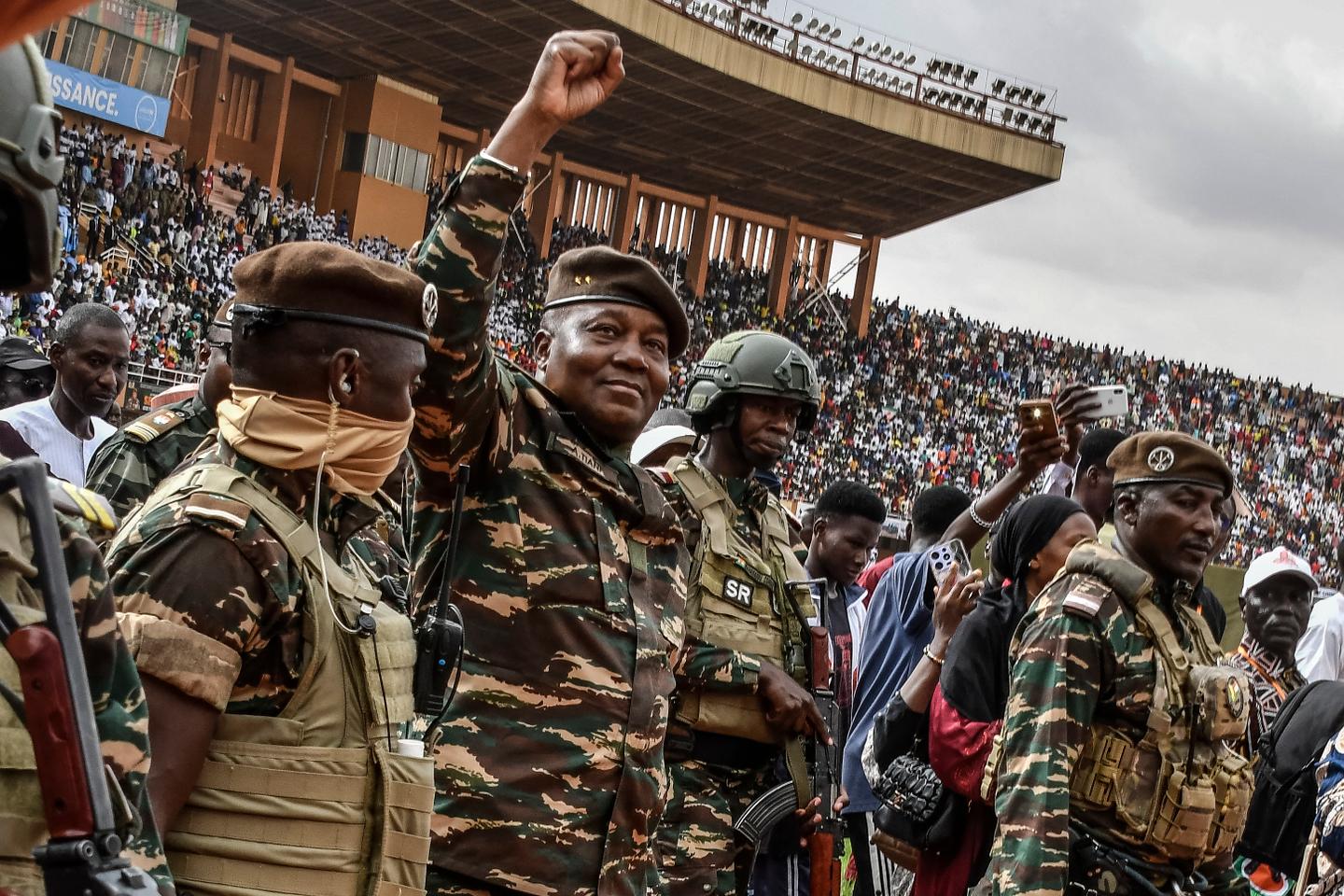
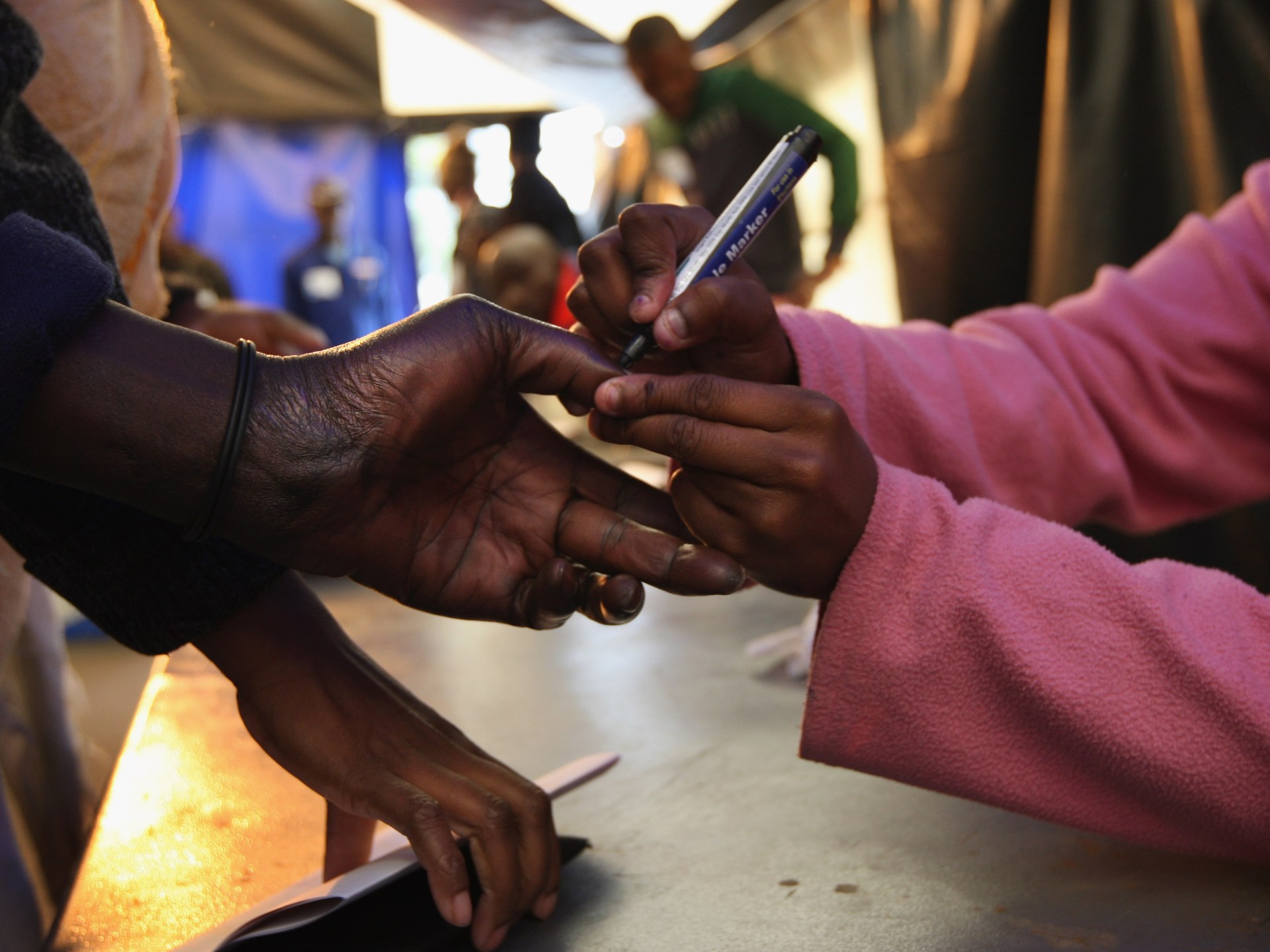
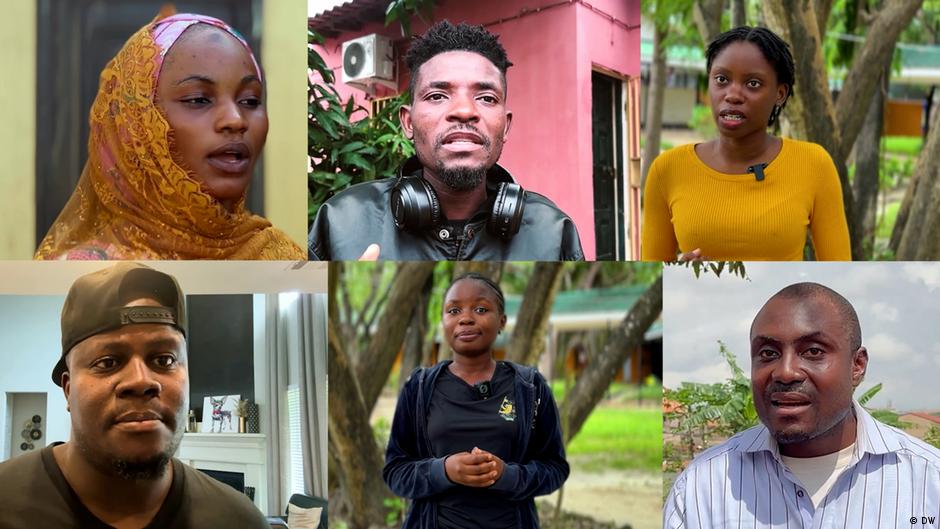
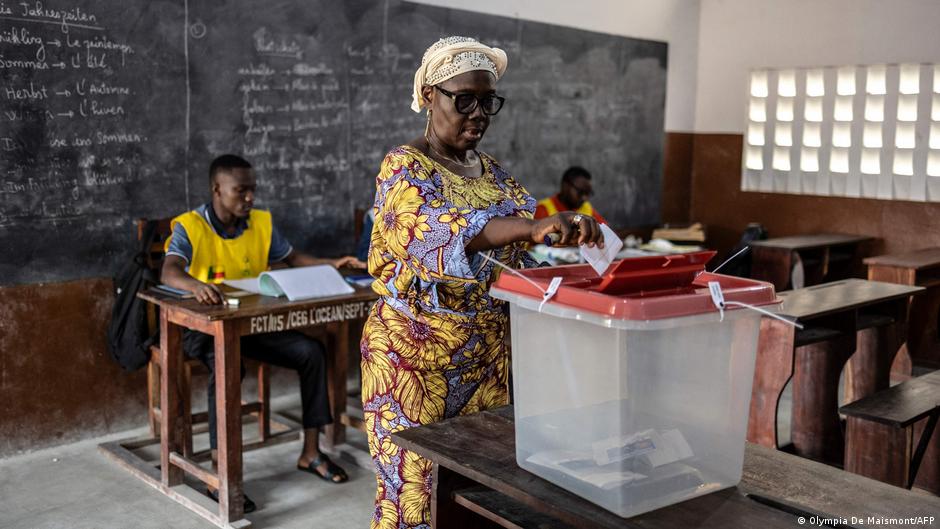
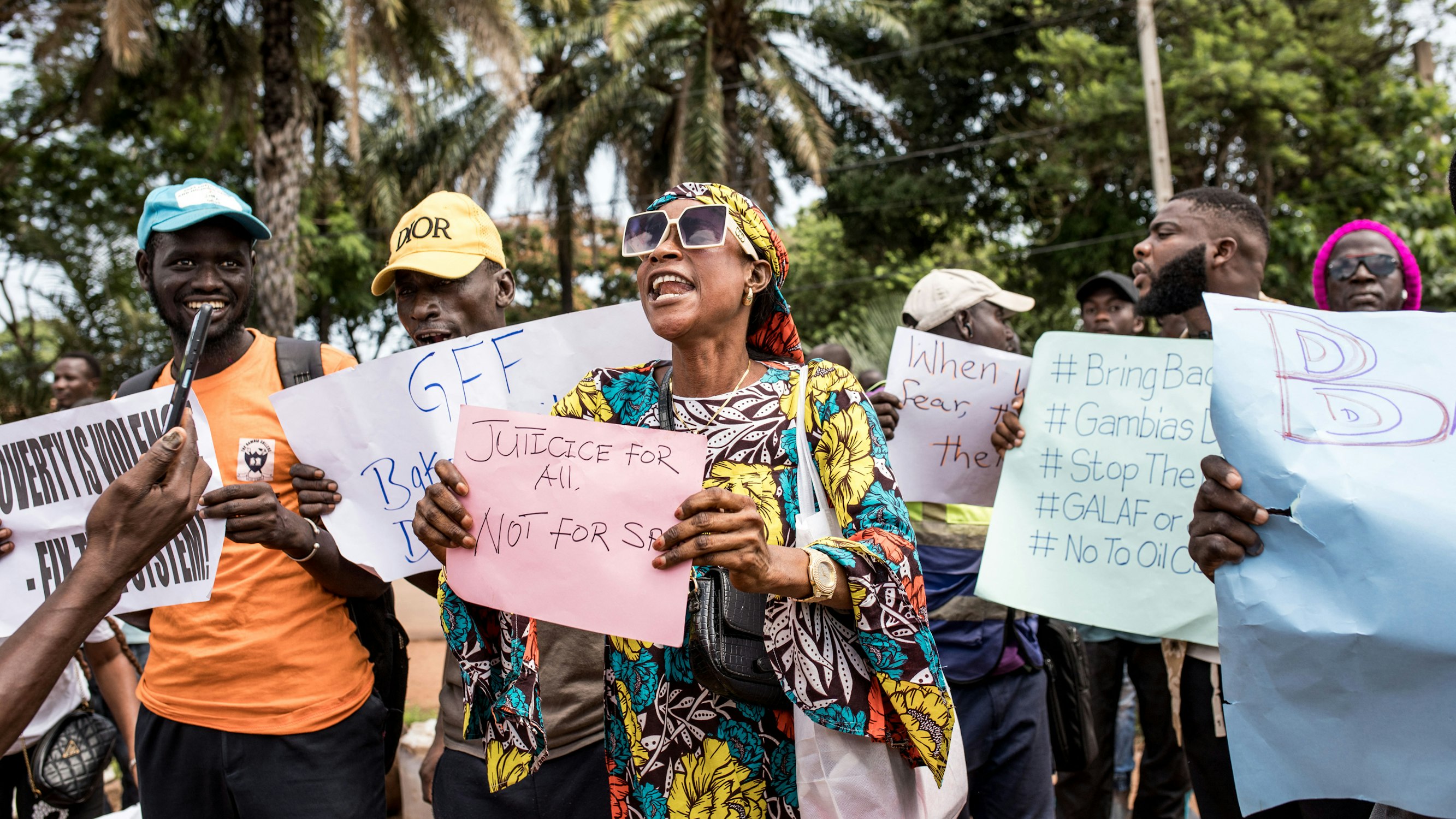
The current state of democracy in Africa presents a striking paradox. On one hand, the continent is experiencing a revival of authoritarian practices, diminishing civic space, entrenched political elites, and institutions that are slow to keep pace with contemporary demands. On the other hand, a powerful democratic awakening is emerging.Young people, women, rural organizers, cultural producers, artists, and creatives—actors long treated as peripheral to politics—are stepping decisively into democratic spaces. They are challenging the assumption that governance belongs to a narrow class of leaders or elites, and instead are insisting on a democracy that delivers for all.
Africa’s median age is just 18. But the average age of political leadership remains contradictorily high, at 77.5. This gap is more than symbolic; it reflects a profound divergence between those who are governed and those who hold power. In a digital age marked by rapid information flows and rising demands for accountability, the traditional model of leadership is increasingly inadequate.Across the continent, citizens are asking a simple but transformative question—what should democracy deliver for us? The answer they give is equally simple: economic justice, dignity, and a voice in shaping their own futures.A New Social ContractFor decades, too many African leaders have failed to listen to the people they serve. Yet what we see now is a democratic awakening that is not waiting for permission.The movements emerging today, from Nairobi to Lagos, Johannesburg to Dakar, are not dominated solely by formal civil society organizations or traditional political actors. They are driven by DJs, tech entrepreneurs, market women, rural farmers, skaters, visual artists, and youth organizers. These communities are forging a new kind of social contract—one in which citizens, not politicians, establish the terms of democratic governance.How We Are Supporting This ShiftAt Open Society, we are committed to supporting this unprecedented momentum. We are investing in reforms that expand civic and political space, including initiatives that enable young people to engage in political party primaries without prohibitive financial constraints. We are also partnering with continental and regional institutions—such as the African Union, the Economic Community of West African States, and the Intergovernmental Authority on Development to advance structural changes that ensure these democratic gains endure. Countries like South Africa, Kenya, Nigeria, and Senegal are at the forefront of this transformation, offering valuable insights into how local civic action can reshape national politics and influence the broader continental landscape.Ubuntu as a Democratic BlueprintOur democratic futures in Africa strategy draws intentionally from the philosophy of ubuntu: I am because you are.