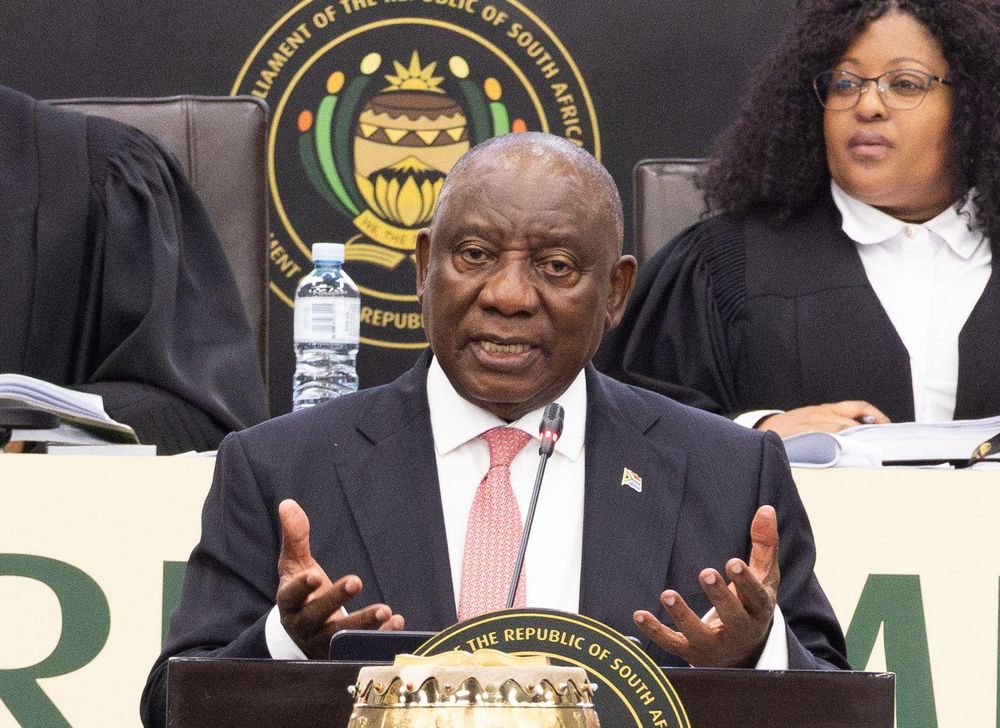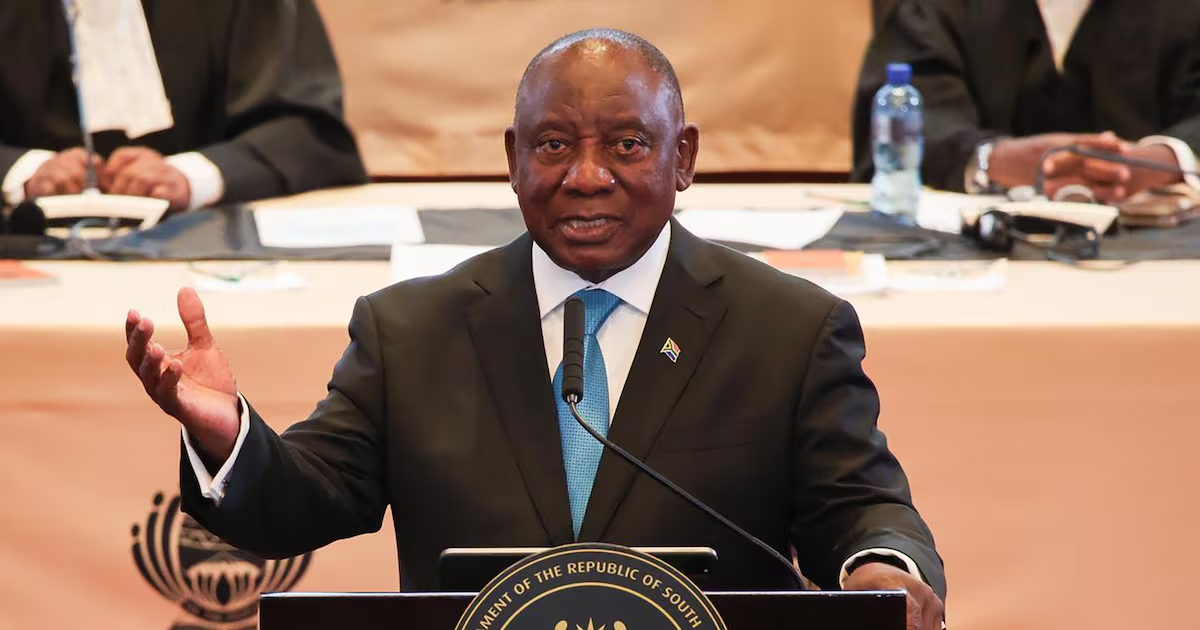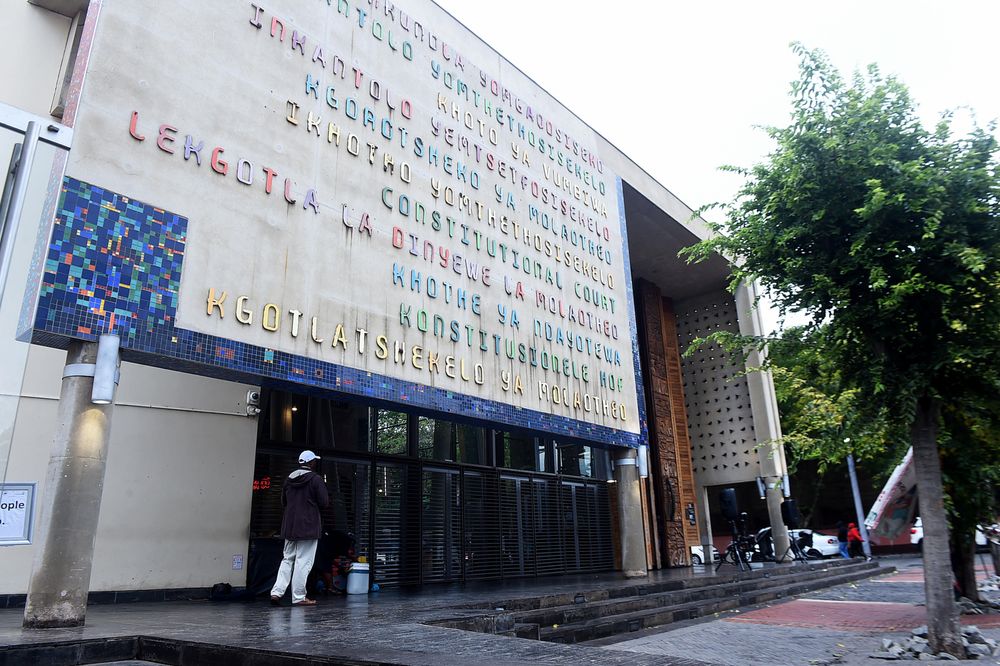
The Constitutional Court in Johannesburg. Thirty years into democracy, the concentration of corporate, political, and institutional power operates on a scale and level of coordination that differs significantly from the transitional context in which many of these institutions were originally conceived, writes Christopher Rutledge.
I was recently honoured to present a submission to the Forum for Institutions Supporting Democracy (FISD), a forum made up of member organisations established under Chapters 9 and 10 of the Constitution, together with PanSALB and ICASA. The forum brings together institutions constitutionally mandated to support constitutional democracy, accountability, governance, and human rights in South Africa.
The discussion focused heavily on the implications of the Constitutional Court judgment in SAHRC v Agro Data, but the broader engagement evolved into something much larger: a difficult national conversation about whether South Africa’s constitutional accountability architecture is still capable of meaningfully protecting vulnerable communities under conditions of deep structural inequality.
My own intervention was grounded in the lived realities of mining-affected and marginalised communities.