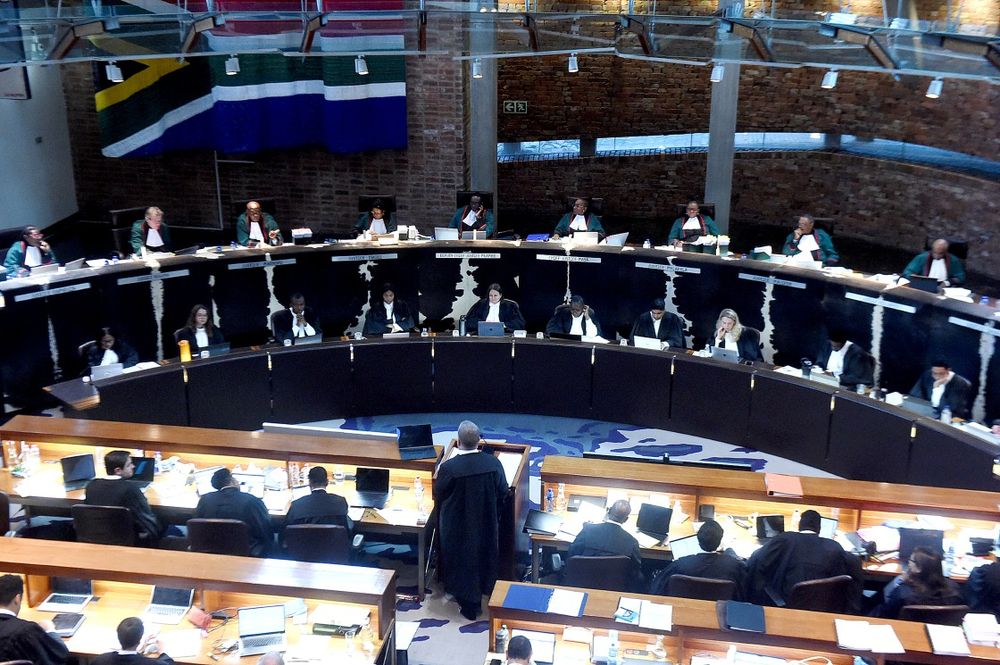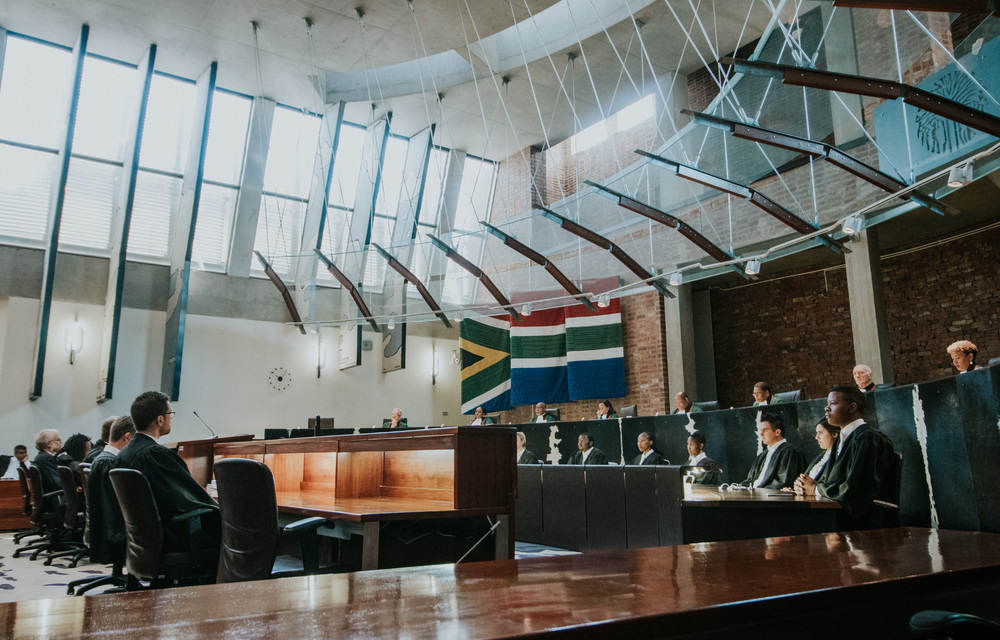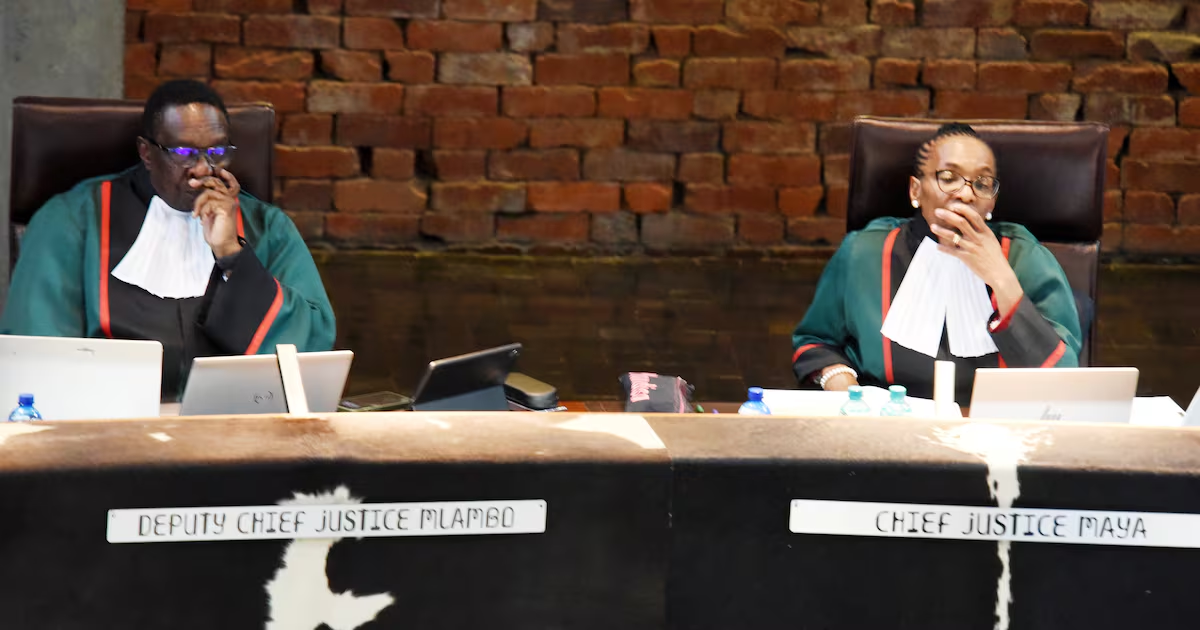
The Constitutional Court has to mull over an amendment to the constitution for it to deal with a mounting caseload “threatening its ability to fulfil its constitutional role effectively”, a Freedom Under Law (FUL) report proposes. The organisation, a nonprofit dedicated to promoting democracy and the rule of law, released a report on the state of the top court on Tuesday. It detailed how the number of applications filed annually has more than tripled since 2010, with the court now receiving almost 400 applications annually. The concerns raised in the report mirror research by academics Nurina Ally and Leo Boonzaier, who found in 2024 that the court took an average of 214 days to hand down a judgment from the date of hearing. In 2014, the court took just about 100 days to deliver judgment after hearing. FUL executive officer Judith February said to deal with the problem the court could amend its rules. The most recent update was in December 2003, and “[the rules] are out of touch with the Constitutional Court’s increased load and pressures”. She said if the highest court in the land struggles with delays and is unable to fulfil its role effectively as the ultimate guardian of the rule of law, the consequences extend far beyond the legal community and affect society as a whole.“The court’s growing workload, combined with outdated processes and structural constraints, is compromising its ability to decide matters efficiently and timeously,” she said.“If judgments are increasingly delayed and the court is seen to be struggling to manage its workload, public confidence in the judiciary itself may begin to erode.”The key finding of the report is that the court, like some high courts, is overwhelmed due to strained resources despite the change in jurisdiction in 2013 that triggered an increase in cases heard in the top court. The organisation proposes in the short term the court could impose page limits on applications, developing a more rules-based approach to the interests of justice test, and delivering reasoned judgments explaining why applications for leave to appeal are refused. Litigants tend to file bulky court papers when applying to the top court, which requires more time for reading and consideration of applications. FUL proposes interventions including reducing the size of the panel of judges who deal with new applications.This is a proposal chief justice Mandisa Maya spoke about recently in Judicial Service Commission interviews during a debate on delays.The constitution requires that a matter be heard by a quorum of at least eight judges, and in ordinary practice, all 11 judges hear every case. The organisation’s proposal would trigger a change in the constitution for fewer judges to hear a matter. The report also proposes considerations of institutional reforms, such as long-term interventions for merging the Constitutional Court and the Supreme Court of Appeal (SCA) into a single apex court or restricting the court’s jurisdiction through a constitutional amendment. The top court faces the same challenges as the SCA in terms of resources to deal with the workload.The issue in the SCA has come up constantly in JSC interviews when judges are grilled about delayed judgments. Justice Nambitha Dambuza, in her JSC interview for the top court post, told the panel that despite SCA justices working day and night they cannot avoid delivering judgments several months after hearings. The judiciary has a rule for judgments to be delivered three months after a hearing, but some judgments are delivered after a year. This has been pinned mainly on strained resources and the heavy workload. Public law professor Hugh Corder said while the courts have to consider changing how they work to deal with delays, resource shortages are a huge factor in the administration of justice, which the executive needs to address. “Resources are critical human and financial services to any court. One of the ways the legislature and executive can both undermine the administration of justice and independence of the judiciary is by denial of resources or not sufficiently increasing the resources to be able to give capacity that the courts need in every way,” Corder said. With the recent appointments of Mayosi and justice Katherine Savage to the Constitutional Court by President Cyril Ramaphosa, the court has no vacancies. Legal researcher Chris Oxtoby said while having a full complement of permanent judges would help, the move would not fix the problem. “Caution in the legal fraternity, through the grapevine, is that we may be losing some more judges to earlier retirement soon,” he said.
Constitutional Court overhaul proposed as mounting caseload fuels delays
Report urges reforms to ease pressure on Constitutional Court
749 words~3 min read