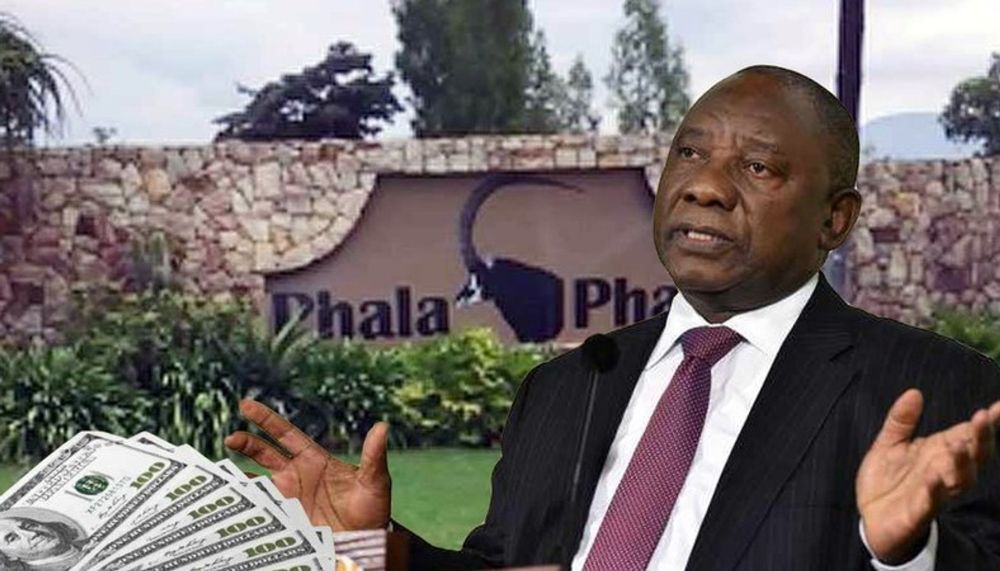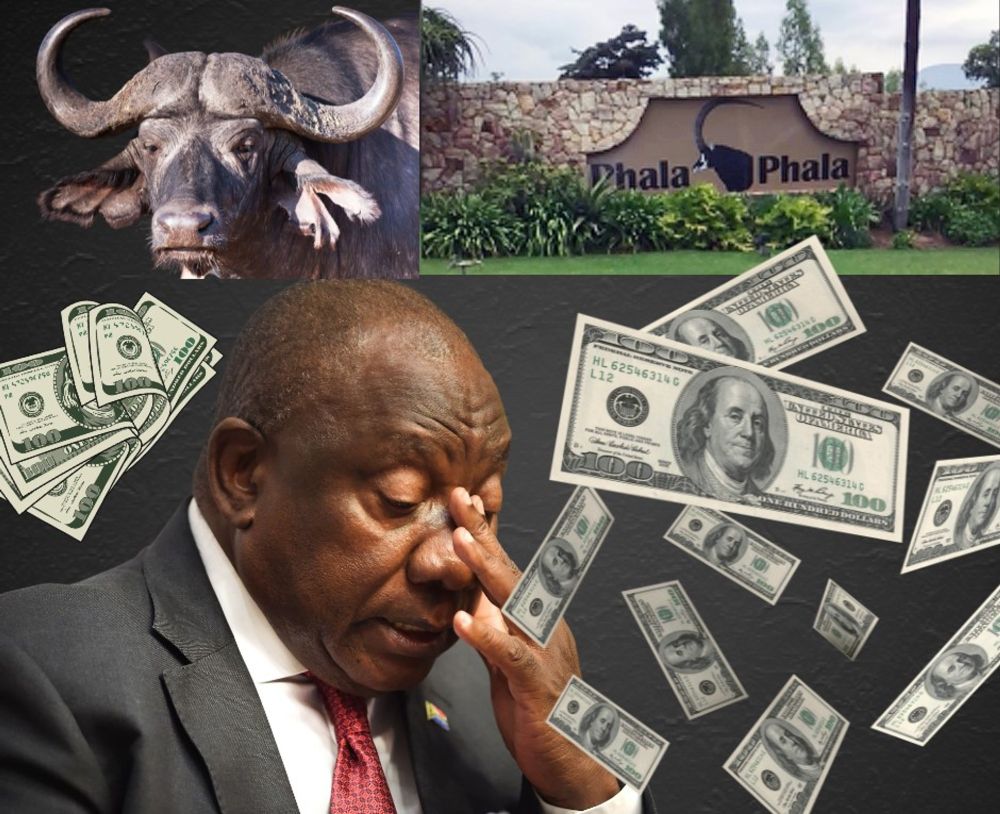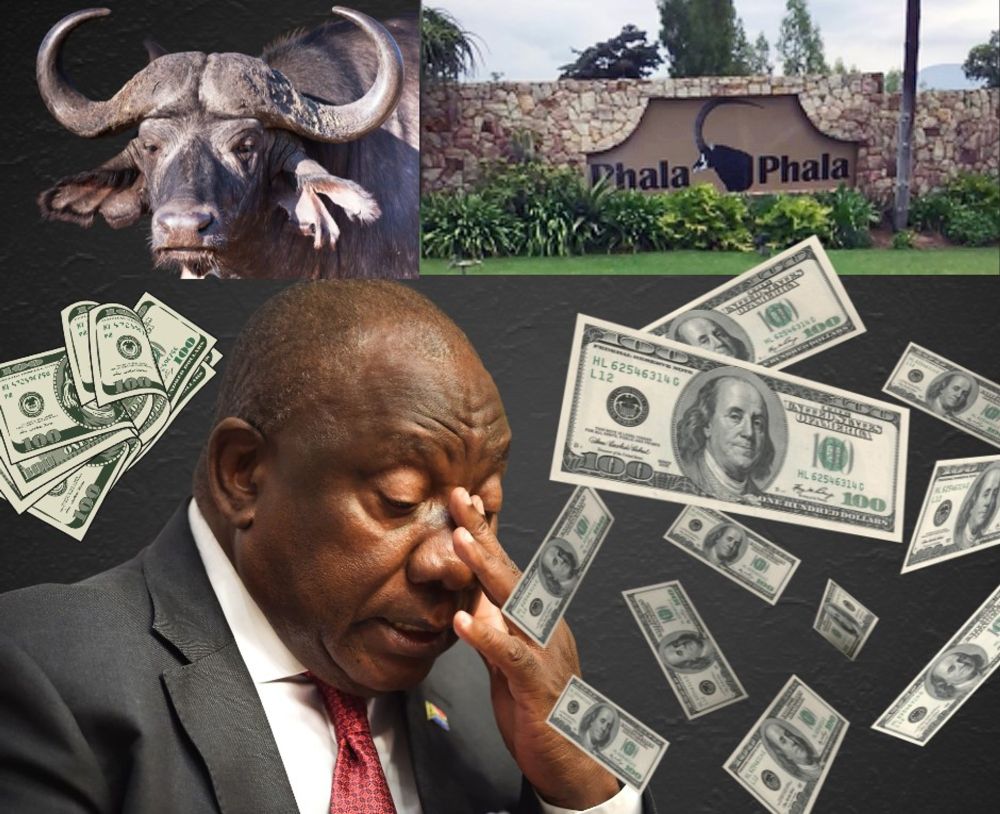
The mood in South Africa has been febrile ― not helped in the past two weeks by much of the media, which seems, in parts, to have lost its collective mind. Yet zooming out, the rand was ― once you conditioned for what peers and global risk sentiment was doing ― basically flat through the Phala Phala Constitutional Court judgment and its aftermath. Similarly, bond yields as a spread to peers were roughly flat. It all indicates relative calm. Why the gap in mood? Because so much of the media and commentariat misunderstood the difference between doing a scenario analysis and a dramatic downside scenario being there, and then assessing the probability of it happening and, equally important, when it might happen. Regardless of what actually happened with the infamous sofa, expecting a president who had professed his innocence to suddenly resign without seeing a process through with the opportunity to challenge things in the courts and in parliament was beyond fanciful. Equally, assuming wrongdoing is there to be uncovered, any expectation that parliament, the courts and the ANC could undertake and then conclude a process in months rather than years is for the birds. Similarly, any expectation that a party that is deeply divided and on a steep downward trajectory without any sense of a real succession pathway ― ahead of local elections where its leader still (even if by a smaller margin) is more positively viewed than the party ― could randomly come together at a meeting of its national executive committee (NEC) and suddenly decide to recall its president from the Union Buildings is again simply laughable. It couldn’t even do so during the Zuma years, with a properly split NEC at the time and mounting and widely accepted evidence against him. This does not mean there isn’t risk. But the probabilities of these occurring in any immediate timeframe are low, and the market knows this. Why? Because every meeting I’ve had with any investor, company, bank, diplomat or other observer since the end of 2022, when it first came to light, has asked about the issues and what could happen, the probabilities and the scenarios. The market has clearly got a decent understanding of the risk map here and traded accordingly. Recent events have, however, sparked a useful debate on leadership, which could be a precursor not only to the ANC’s succession battles of 2027 into its elective conference but also to the future of the government of national unity, with a different tone now coming from the DA. I was in a radio debate last week when it was rather bizarrely suggested by someone that we overplay the importance of individual leadership and instead should elevate the collective. It seems to me this is a deeply dangerous idea; the illusion that things just happen from a collective will. It is an idea that Jacob Zuma and others in power over the years have wielded against the left (the South African Communist Party and unions in particular). This all too often uses the cover of useful deflection to hide corruption, personal gain and bad policymaking. It comes from a false reading of history that downgrades personalities in the struggles and elevates collectivism. Politics is ultimately about making choices, and this is more important than ever in contested, complex and technically challenging reform situations such as state-owned enterprise unbundling and market formation. This is where individuals must deploy political capital and upset interest groups to ensure progress. It seems to me this is a deeply dangerous idea; the illusion that things just happen from a collective will. The inability to make even obvious choices is the definition of red tape, something the department of home affairs seems to understand is a key lever but elsewhere is lost. The recent Afrimat mining rights case was instructive. The courts correctly found that shareholders of a company have no say over a mining right directly, except through the company that holds the right. This seems blindingly obvious yet led to a grinding halt in the department. A lack of enough focus on policy and red tape-cutting leadership is how so much commentary about so many ministers goes astray, most acutely in the Sisi Tolashe case in the past week. The firing of the minister was for misusing her position and her office for personal and family gain. However, one would struggle to see any real commentary or accountability for her real failing: that she was a deeply incompetent minister who did not show the leadership to resolve the big questions of her portfolio.There was no movement forward for the green paper to resolve long-term sustainability in a cohesive system of a social wage and social protection; there was no resolution with the Treasury on the long-term future of the social relief of distress (SRD) grant and how best it can be institutionalised as a permanent structure supporting better outcomes. Perhaps there isn’t enough widespread interest in such issues, as important as they should be. It’s been similar on the National Health Insurance (NHI) front. As much as recent cases, and likely future ones to come, will show the unconstitutional nature of NHI (the markets have stopped caring for it as a fiscal risk given the huge and improbable hurdles it must get over to become reality), little airtime has been given to any sort of real alternative. And lest we forget, the country needs some form of well-funded, high-quality national health provision ― it is just not this one now drowning in challenges. The lesson of the past two weeks is perhaps that much extraneous noise needs to be pushed to the edges. There is a growing realisation that there are only about 21 months remaining of the present setup, regardless of what happens around Phala Phala.• Attard Montalto leads on political economy, markets and the just energy transition at Krutham, a South African research-led consulting company.
PETER ATTARD MONTALTO | Missing the point on Phala Phala
Market calm belies media frenzy over Constitutional Court finding on Ramaphosa panel
987 words~4 min read