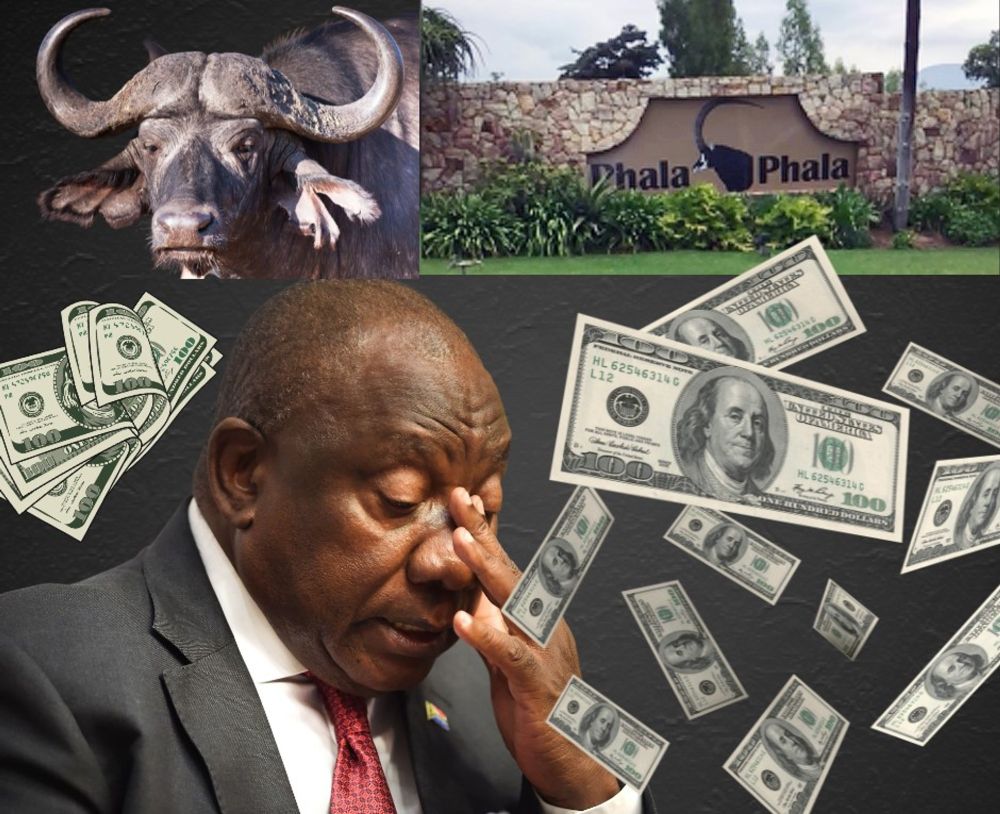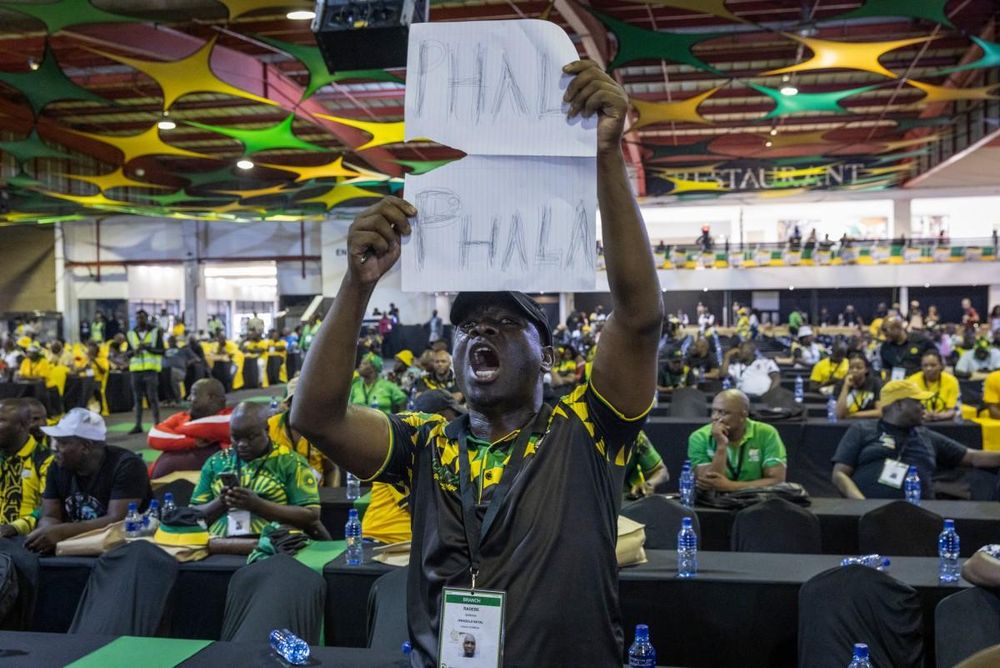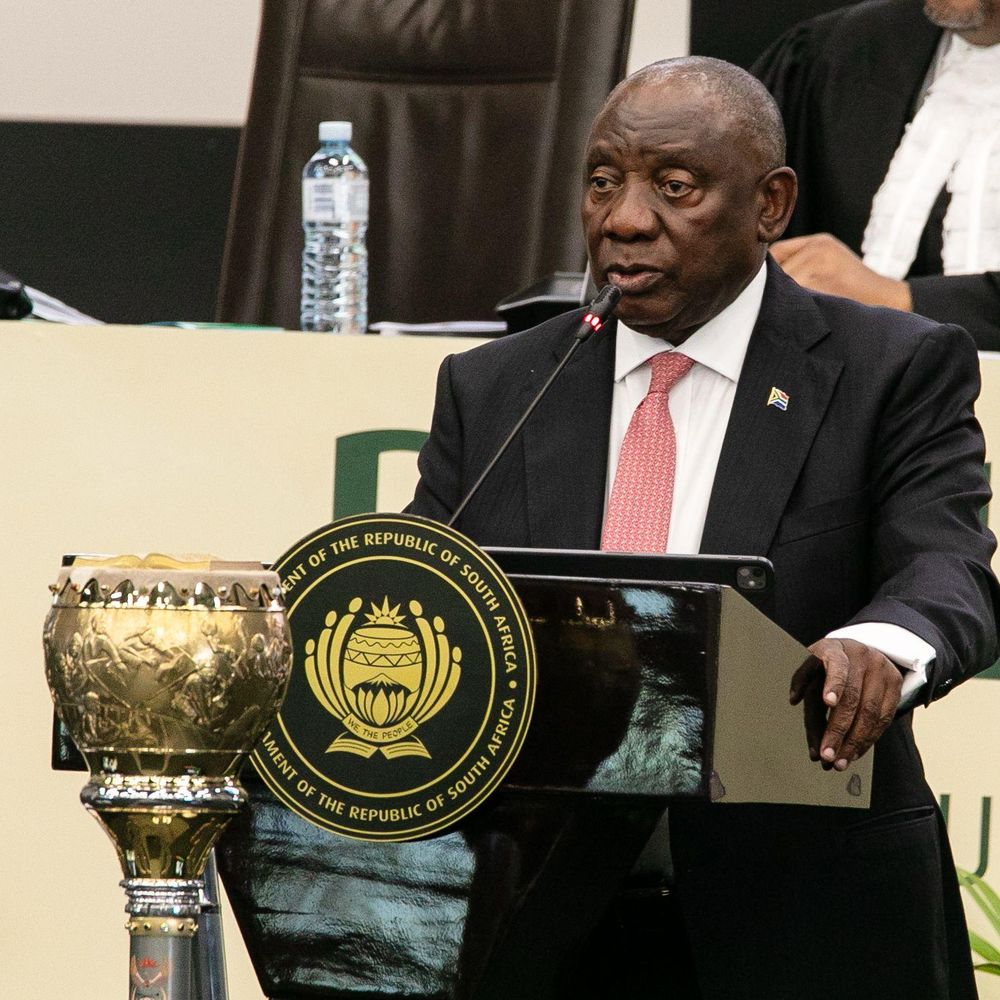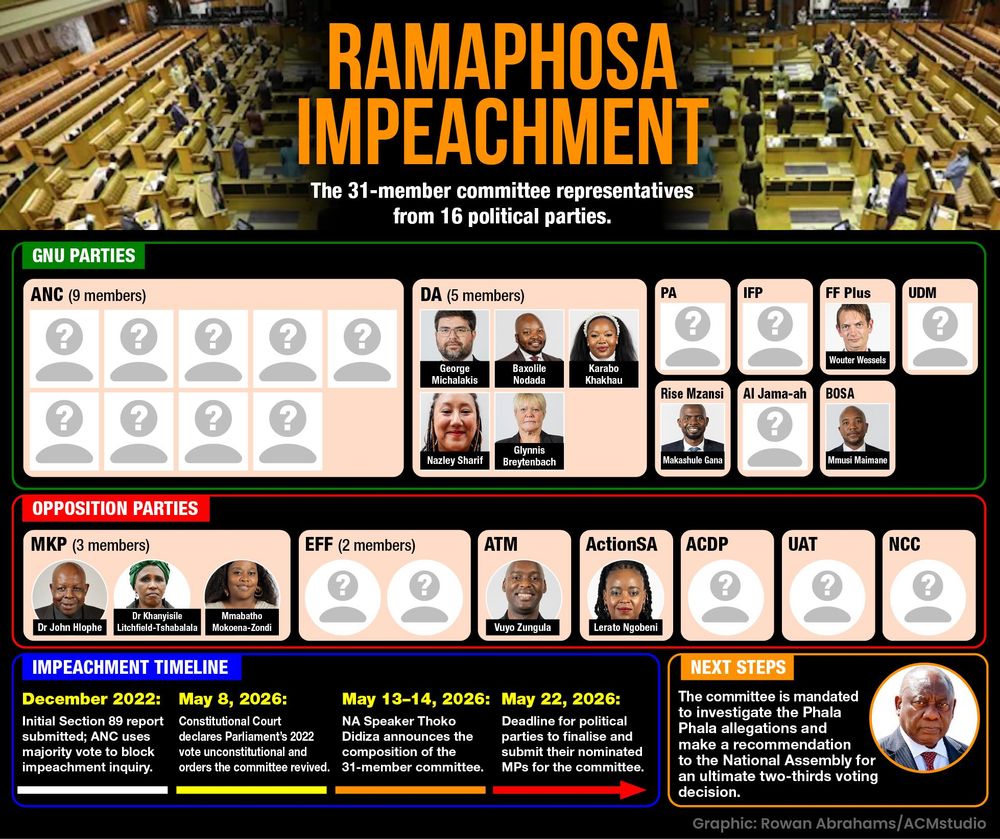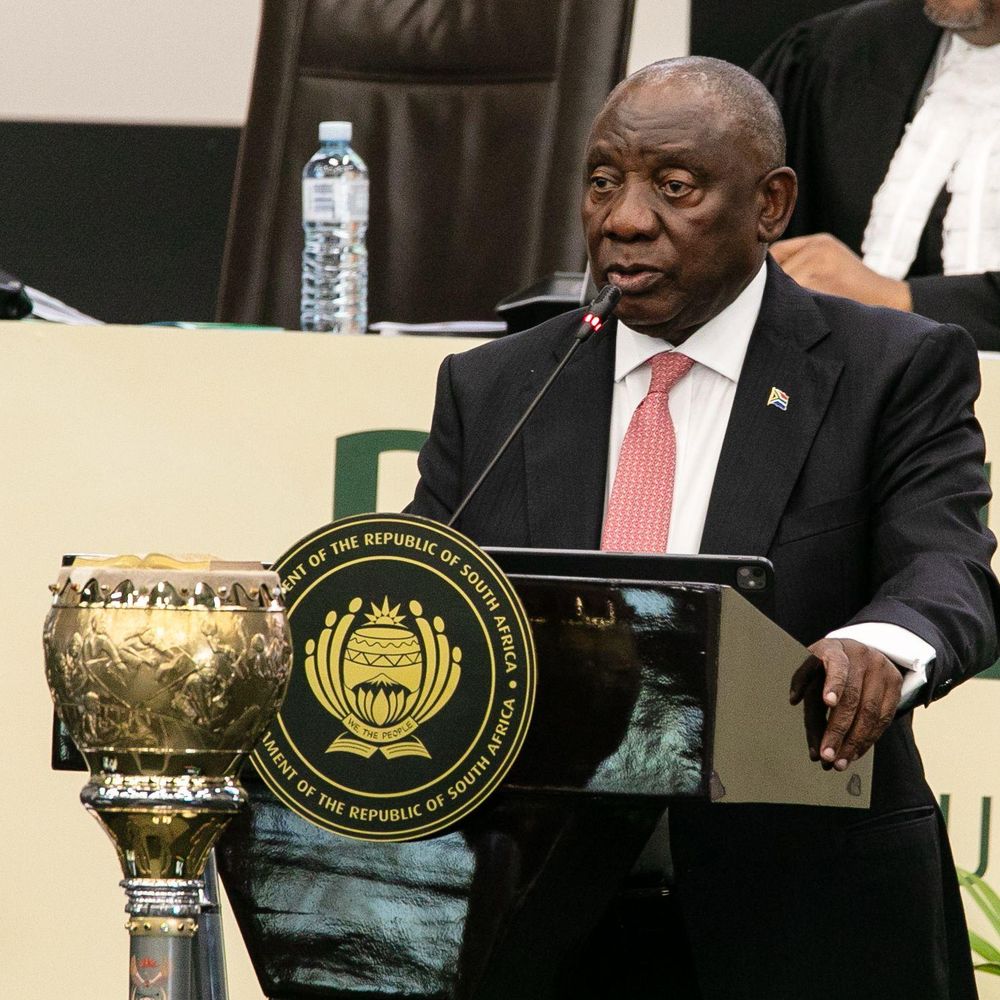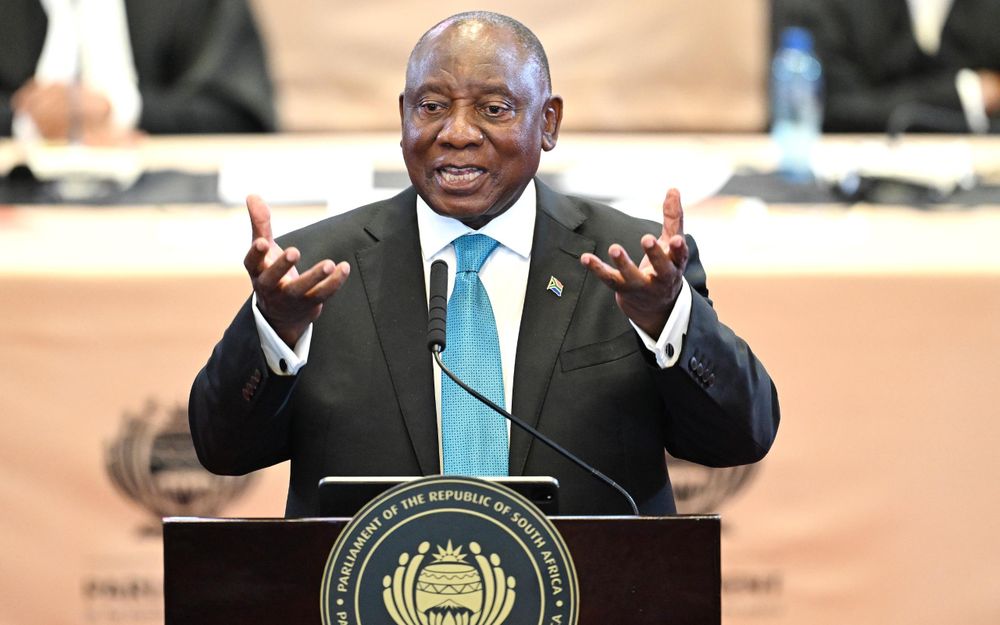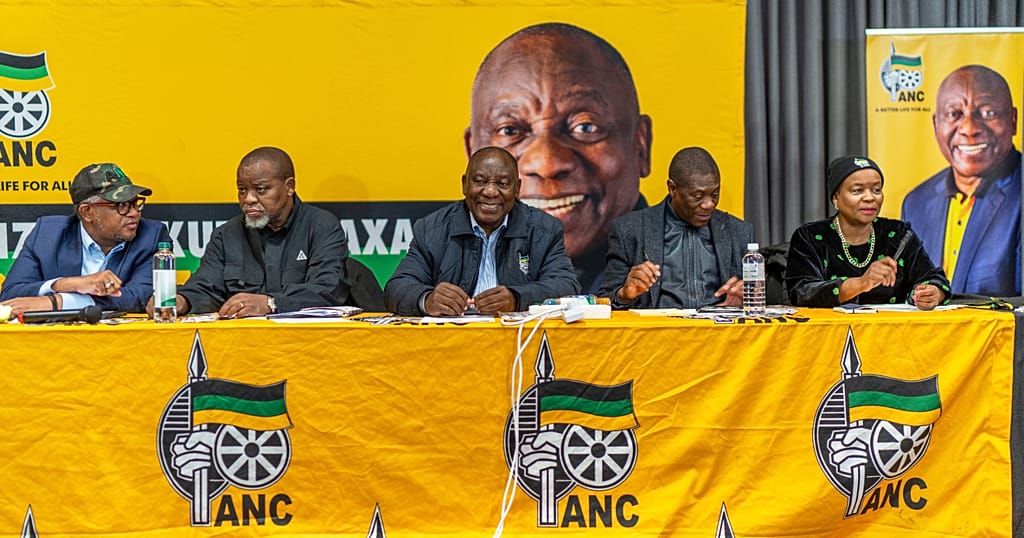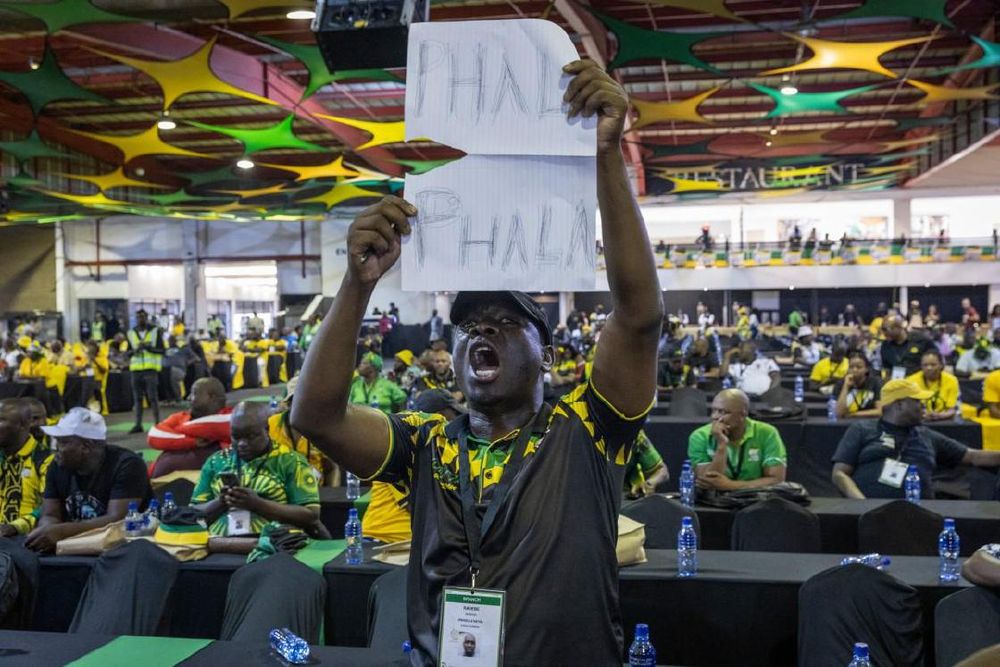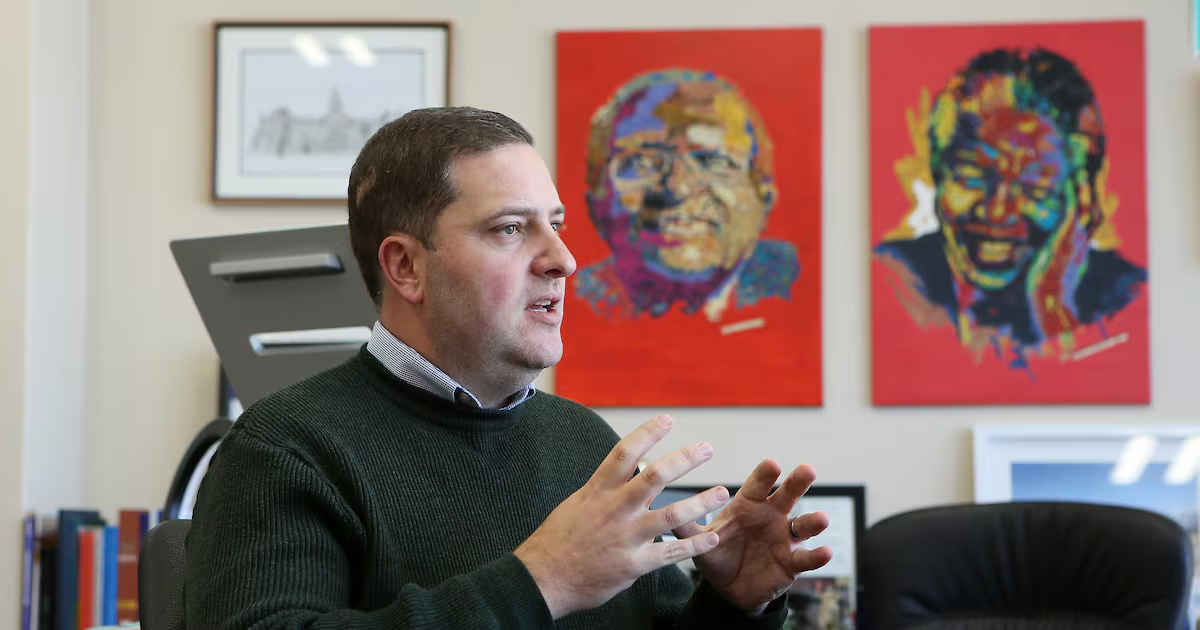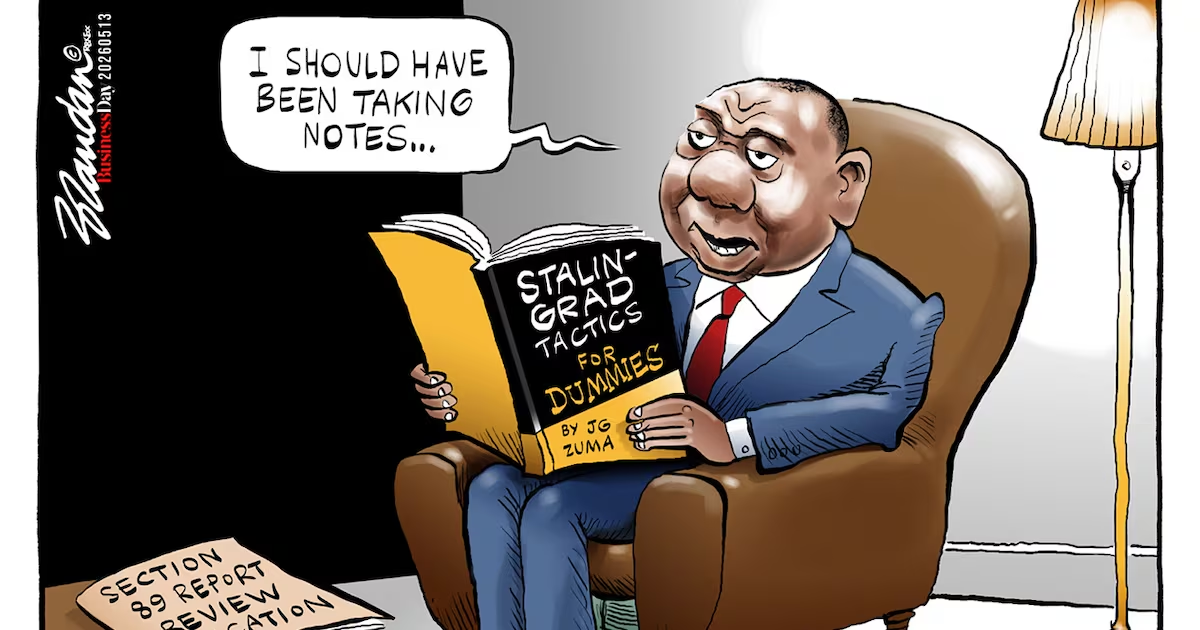
The government of national unity (GNU) is not a grand romance. It is a difficult democratic experiment, built not on ideological comfort but on the sober recognition that South Africa cannot afford chaos. That experiment is now facing one of its sharpest tests: Phala Phala. Phala Phala is President Cyril Ramaphosa’s private game farm in Limpopo. In February 2020 a large amount of foreign currency was stolen from the property. The president has said the money came from the sale of buffalo. Critics have asked why such a sum was allegedly kept in a couch, how the theft was reported, and whether the incident was handled through proper legal channels. For many South Africans the scandal is about trust, power and whether clean government survives contact with personal interests. In 2022 an independent panel appointed by parliament under section 89 of the constitution concluded, on a prima facie basis, that the information before it disclosed that the president may have committed serious misconduct and a serious violation of the constitution. The National Assembly voted not to refer the matter to an impeachment committee. That stopped the parliamentary process before the facts could be fully tested. On May 8 the Constitutional Court reopened that door. It found that parliament’s ruling was constitutionally defective because it allowed the National Assembly to halt the process before an impeachment committee could investigate a report that had already found a prima facie case. The court set aside the 2022 vote and ordered that the section 89 panel report be referred to an impeachment committee, unless and until that report is set aside on review. Not guiltyThat last phrase matters. The court did not find Ramaphosa guilty. It did not order him to resign. It did not decide the truth of the allegations. What it did was more important: it insisted that parliament may not use procedure as a velvet curtain behind which accountability quietly disappears. Ramaphosa has accepted the authority of the court, said he will not resign, and announced that he will take the section 89 report on review because he believes it is flawed in law and fact. Fair enough. Due process is not a favour granted only to politicians we like. It is a constitutional right. Even the most politically inconvenient person must be protected by legal process. But due process cannot become a waiting room with no clock on the wall. South Africa needs the GNU not because coalition government is romantic but because the alternatives may be more dramatic without being more democratic. The country needs institutional calm, economic reform, functioning public services and a democratic centre strong enough to resist populist revenge politics and complacent one-party habits. Ramaphosa is critical to that arrangement. He is the hinge on which the GNU turns: the ANC leader around whom the post-2024 settlement was built; the president under whom former opponents agreed to sit in cabinet; and the political figure who still signals continuity to business, international partners and anxious citizens. That does not make him indispensable — democracies should be allergic to indispensable men. But it does make him consequential. If Ramaphosa falls suddenly, the question is whether the political centre survives the scramble. South Africa would not merely be changing a president; it would be reopening the agreement that made the GNU possible. That is why Phala Phala is so dangerous for the coalition. Ramaphosa is the glue and the liability. He helps hold the GNU together, but his unresolved scandal gives its opponents a crowbar. The more the GNU appears to depend on shielding him, the more it weakens the constitutional argument for its own existence. Yet stability cannot mean silence. A unity government that becomes a political insurance policy for incumbents will lose the legitimacy that made it worth defending. The GNU’s purpose cannot be to protect Cyril Ramaphosa. It cannot be to protect the ANC. It cannot even be to spare the DA difficult choices. Its purpose must be to protect constitutional government, reform and public trust. This is why the response from the DA’s new federal leader, Geordin Hill-Lewis, is significant. He has said Ramaphosa has the legal right to approach the high court and that the DA respects due process, the courts and the rule of law. But he has also warned that the review must not be used to delay parliament’s work. Parliament must handle the matter lawfully, transparently and seriously. That is the narrow bridge the GNU now has to cross: not collapsing into political vengeance but also not hiding behind “stability” when what is really being protected is convenience. A coalition government should not mean coalition blindness. The DA cannot campaign as the party of clean government and then become delicate when accountability knocks on the cabinet door. The ANC cannot keep treating scrutiny of its leaders as if it were an attack on the nation. South Africans have heard the delay script before. First, the country must be stabilised. Then the economy must be protected. Then the party must be managed. Then the timing is not right. Somehow, accountability is always important in principle and inconvenient in practice. That is how democracies become tired: not through one dramatic collapse, but through the slow normalisation of exceptional excuses. The impeachment committee process should now proceed in a manner that is fair, disciplined and transparent. It must not become a circus for parties looking for viral clips. It must also not become a legal parking garage where accountability is left idling indefinitely. Parliament should clarify how the president’s review application affects its work and communicate clearly to the public. The GNU’s Phala Phala test is not only about whether Ramaphosa survives politically. It is about whether South Africa’s new coalition politics can survive without becoming morally hollow. A government of national unity that protects accountability may be noisy, awkward and difficult. Good. Democracy is supposed to be difficult. The alternative is worse: a government that is stable because everyone has agreed not to look too closely, or a government that is unstable because no one cares to look at all. South Africa has already paid too high a price for both. • Wayne Alexander is head of the Liberal Workshop at the Friedrich Naumann Foundation for Freedom in Cape Town.
WAYNE ALEXANDER | The GNU’s Ramaphosa problem — stability cannot mean silence
Phala Phala case becomes defining test of GNU’s commitment to accountability
1,047 words~5 min read