Pan-Africanism: Africa should evolve towards genuine unity and structural freedom or it resigns itself to
managing an elegant fragility while external powers continue to choreograph its destiny.
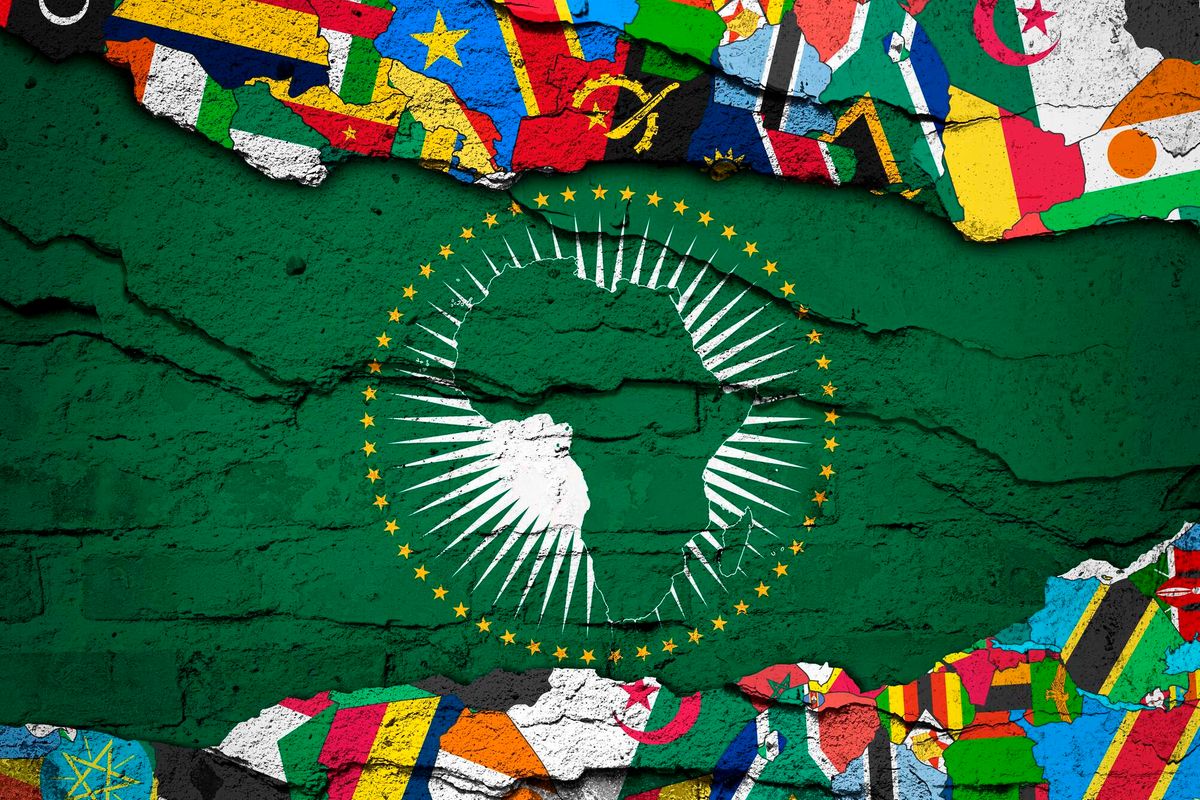
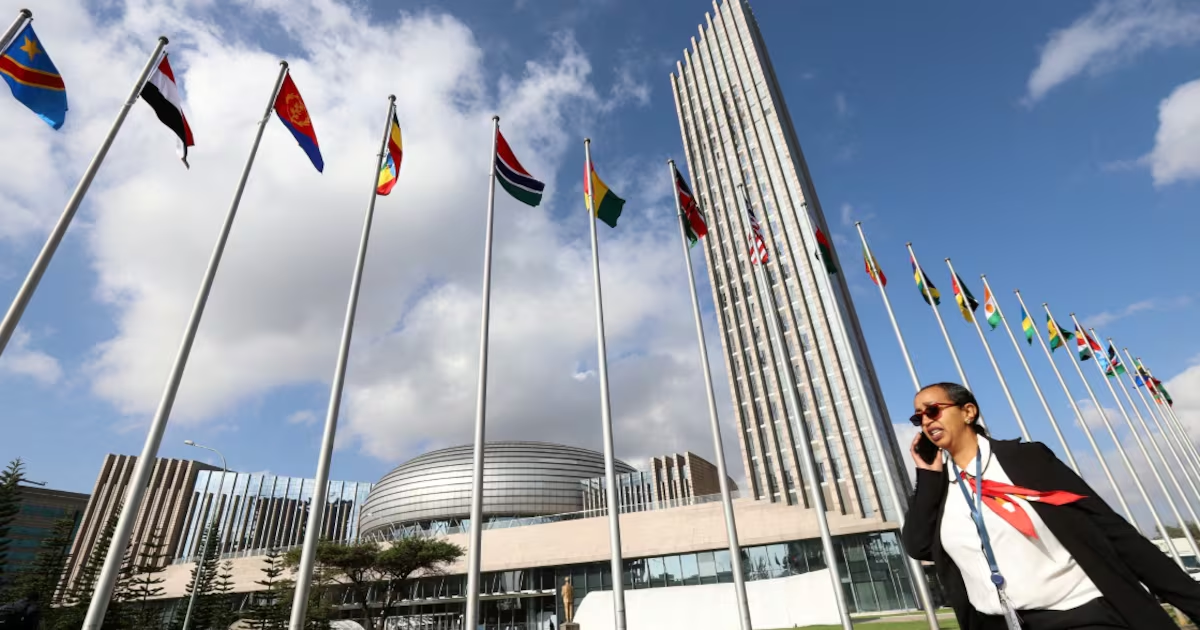
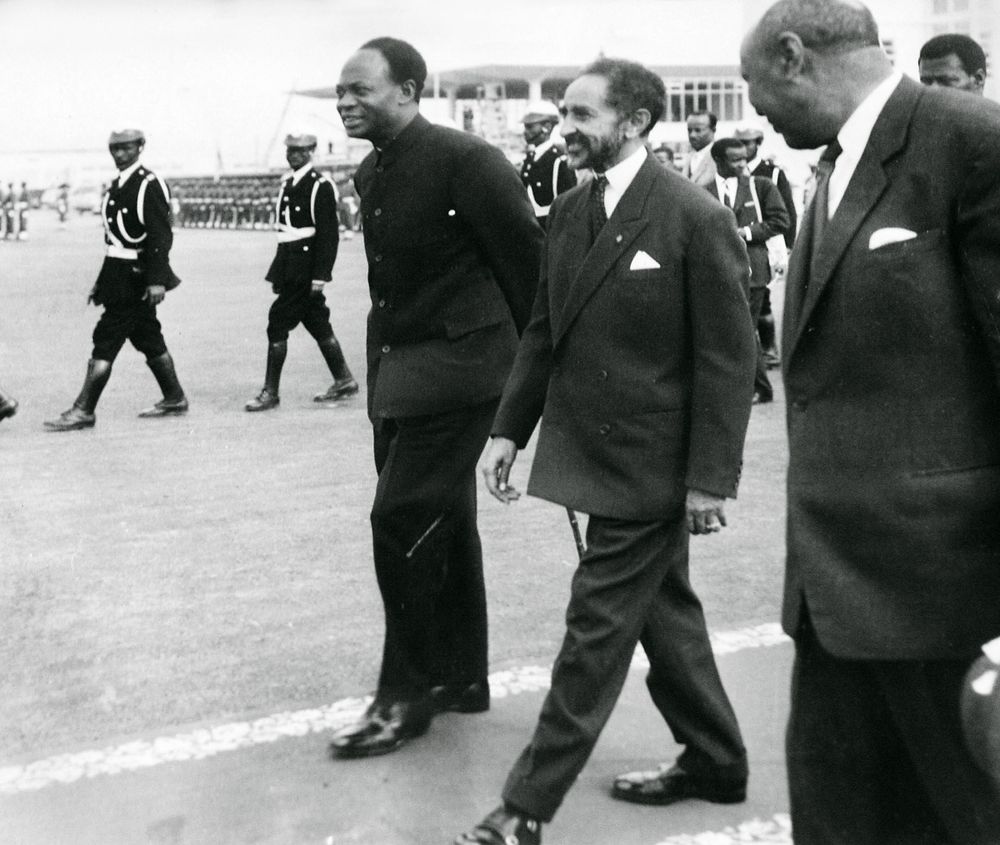
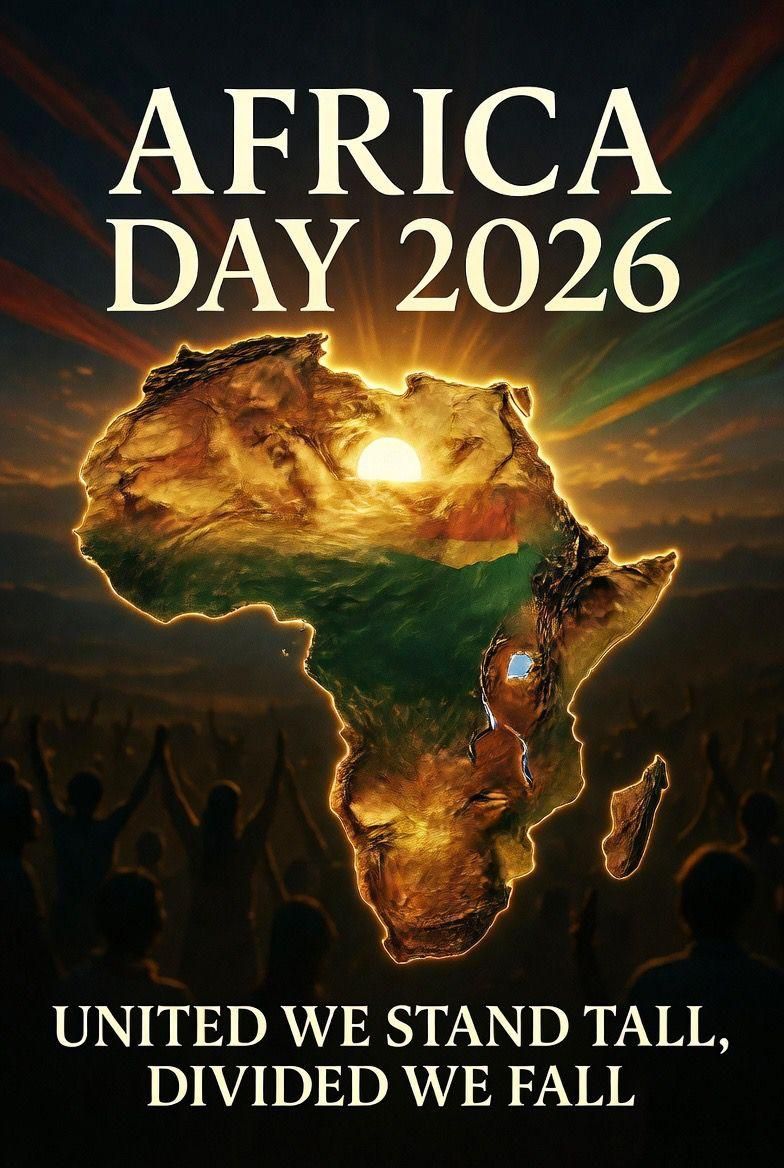
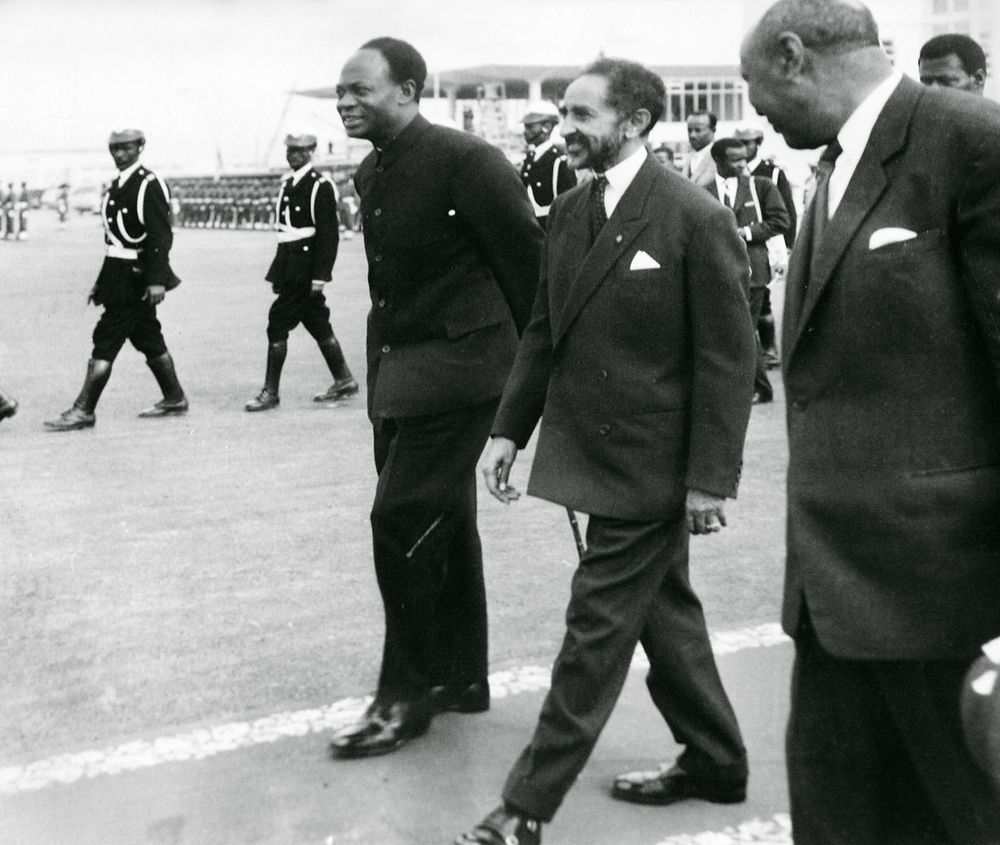
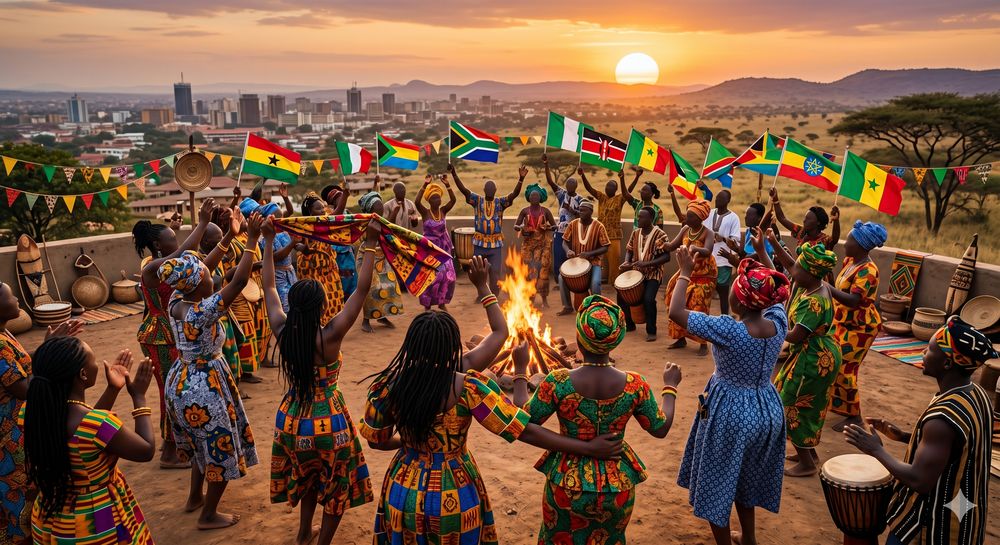
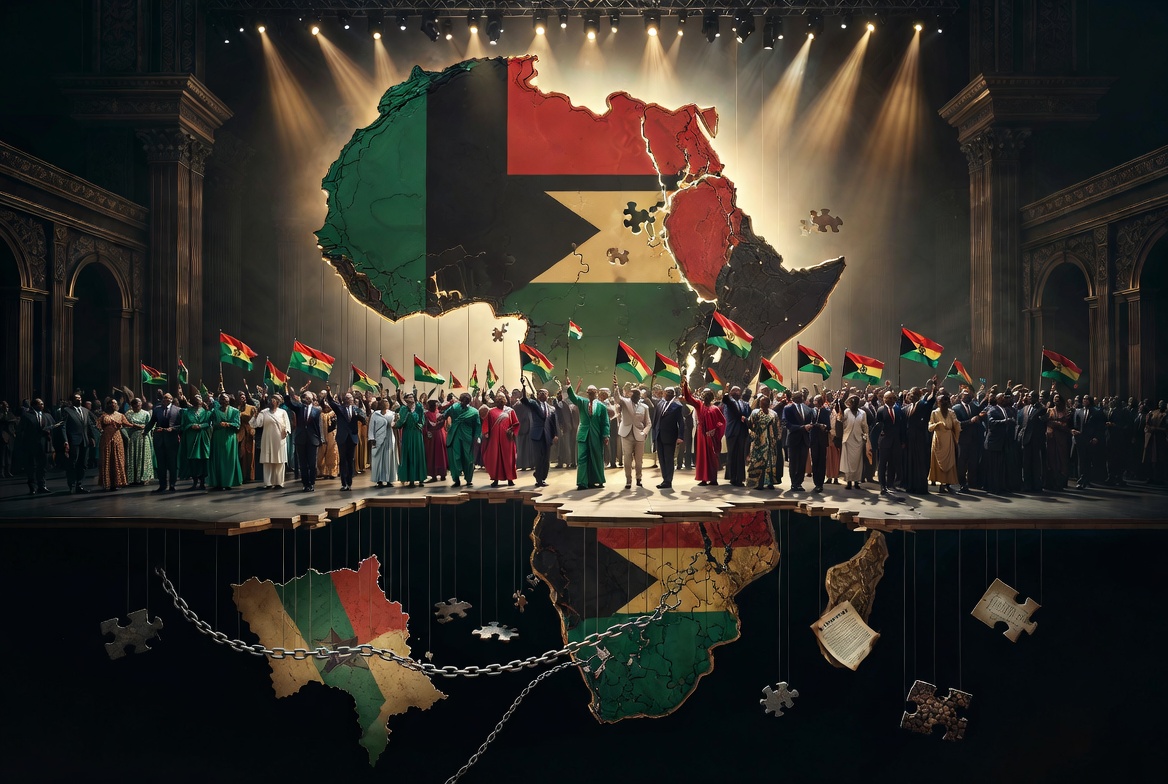
As Africa Day looms, the continent is once again invited to celebrate its unity, yet what we rehearse is ritual rather than power. Sixty-three years after the founding of the Organisation of African Unity, Africa continues to stage solidarity as spectacle: flags raised, anthems sung, speeches delivered. Beneath this choreography lies a hollow core.
The continent has mastered the aesthetics of belonging while neglecting the architecture of sovereignty. We revel in the sentiment of Africanness but recoil from the arduous labour of constructing freedom in material, institutional and strategic terms.
What passes for solidarity is too often a nostalgic echo of liberation struggles rather than a living project of emancipation. Pan-Africanism, once animated by bold structural imagination, has been reduced to symbolic comfort. The harder work of integration, autonomy and collective strength remains deferred, leaving Africa trapped in a cycle of commemoration without transformation.