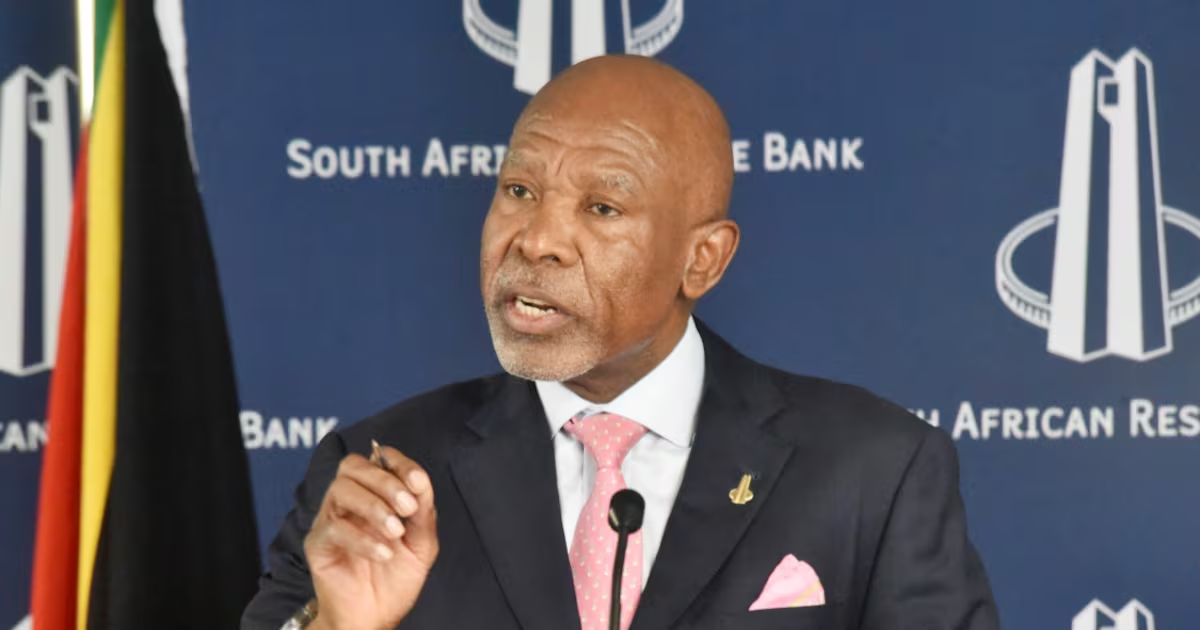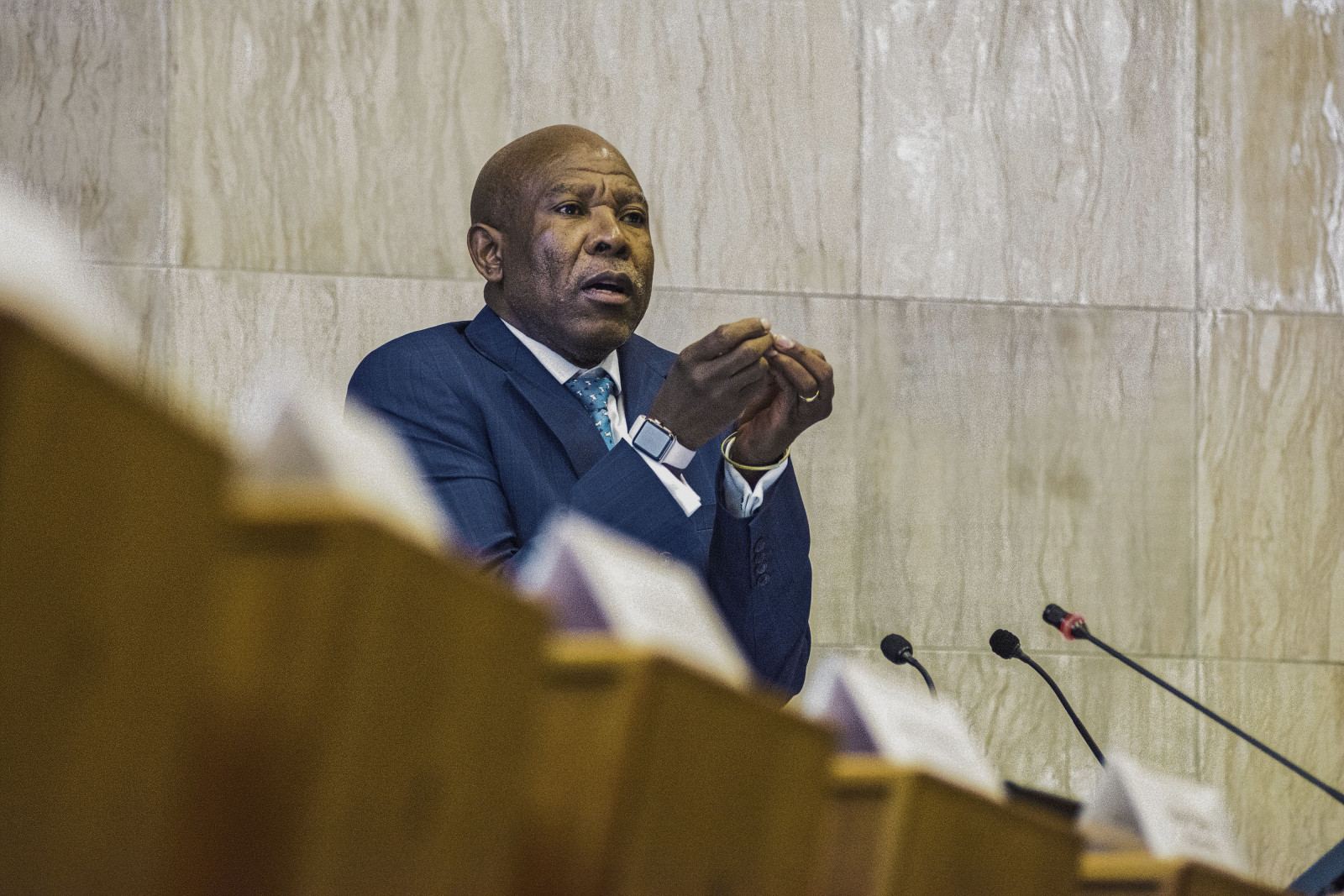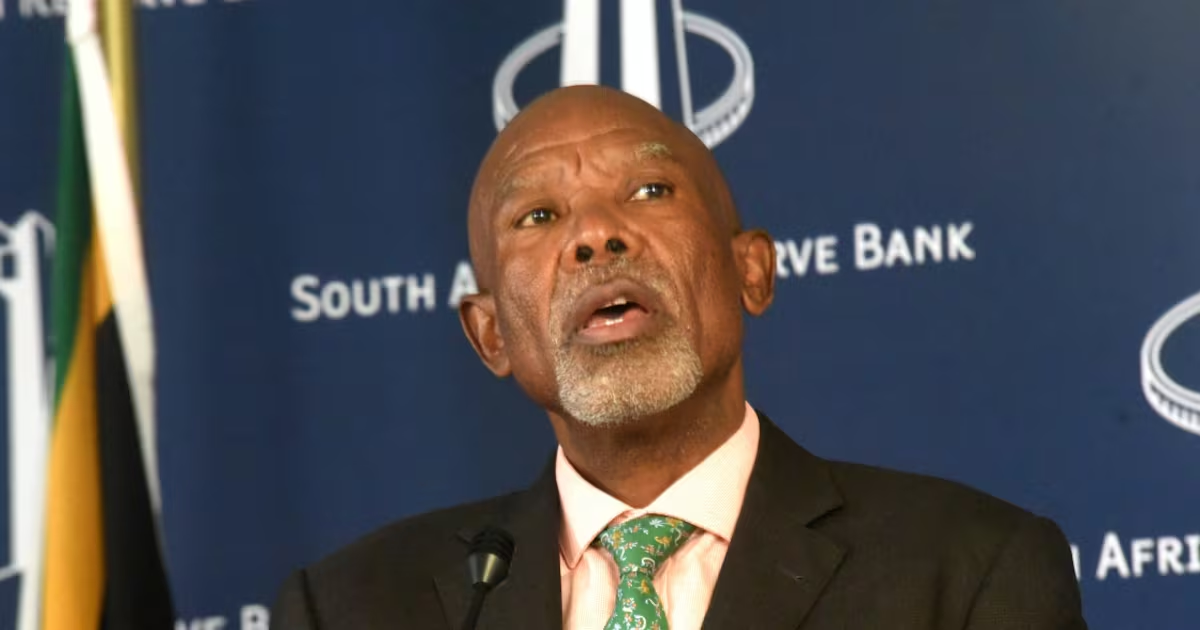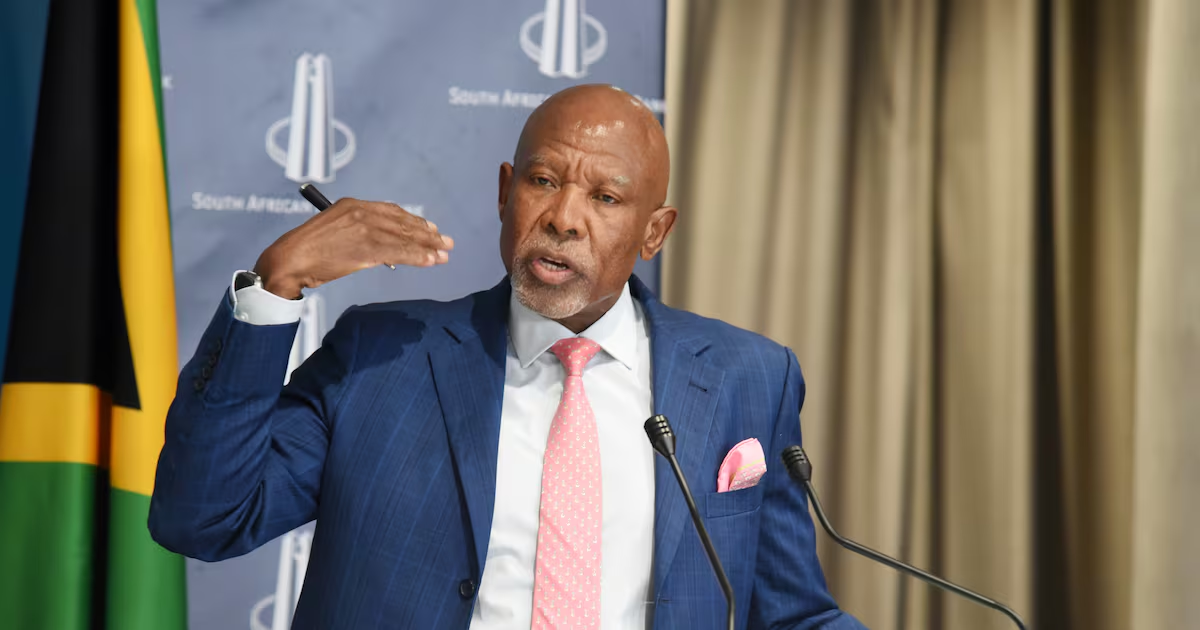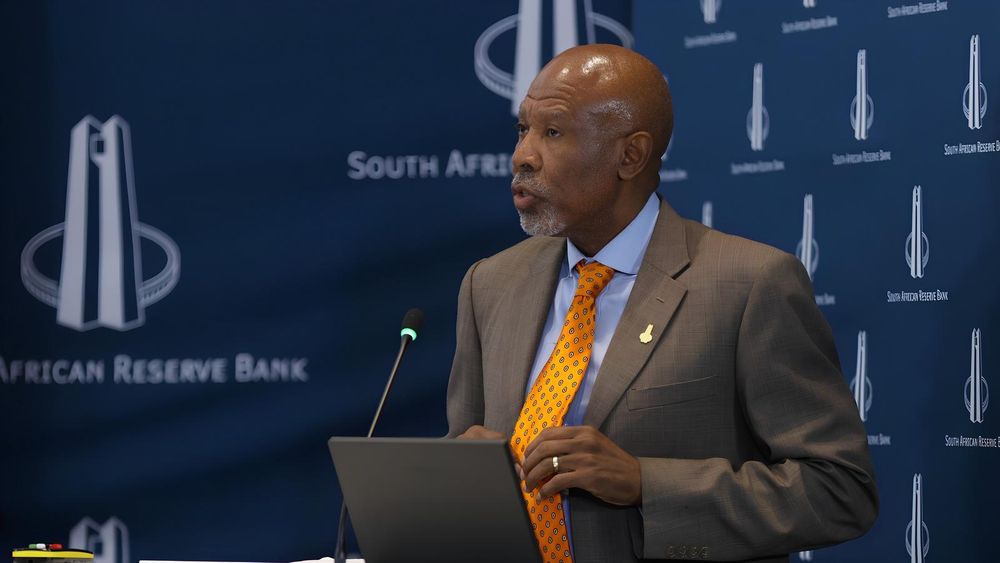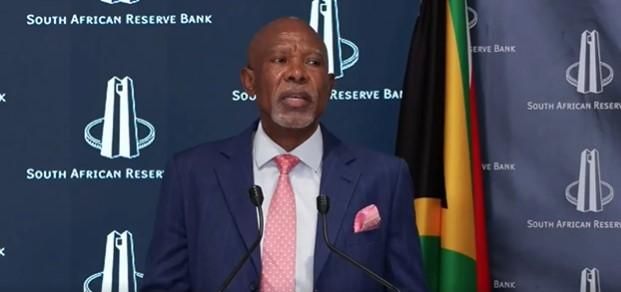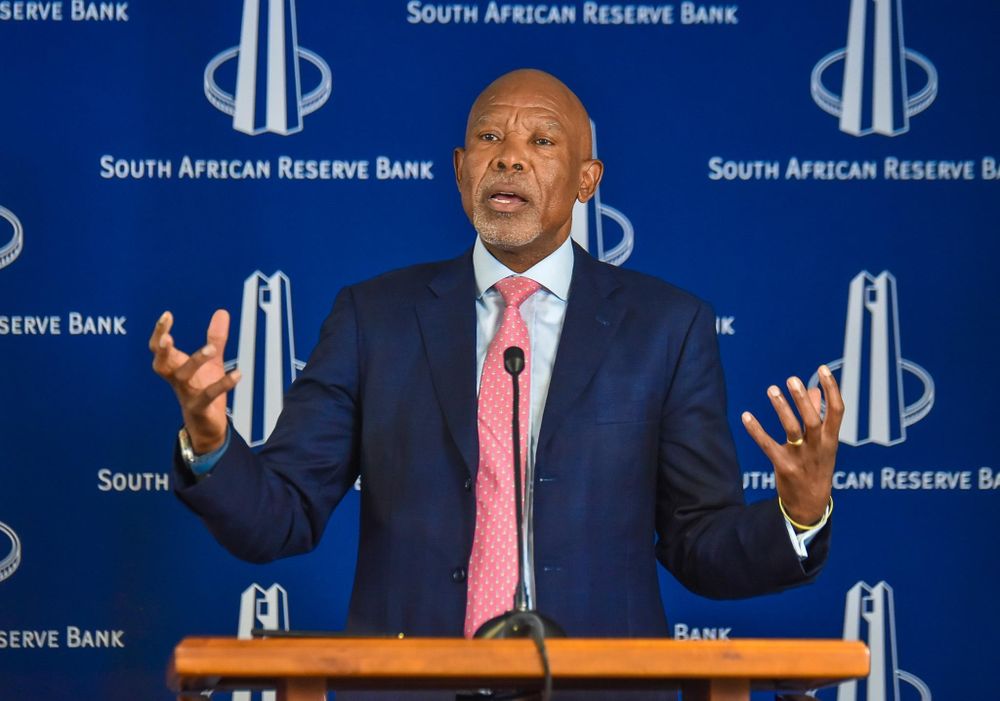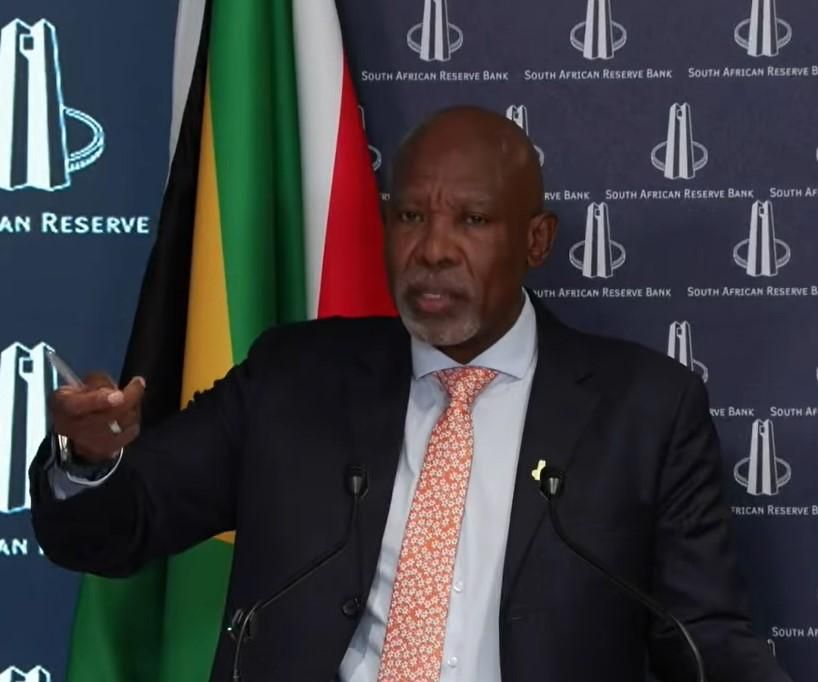
Sarb Governor Lesetja Kganyago. The writer argues that given the sharp increase in the inflation rate from 3.2% in March to 4.0% in April, sentiment is turning towards a rate increase on Thursday.
Chris Harmse
Financial markets across the globe once again last week moved weaker with a lot of uncertainty. Monthly reports from the IMF, UN, OECD and other research engines are all in agreement. Their analysis tells a worrying story. All agree that world economic growth in 2026 will be downward to 2.5% to 2.9%, against the 4.0% forecasted in February. This was before the 28 February attack of the US on Iran. They all agree that world inflation in 2026 will almost double from 2.5% to 4.2%, and that the global unemployment rate will accelerate from 4.0% to higher than 5.0%. The closure of the Strait of Hormuz has triggered a surge in oil and gas prices. Brent crude prices are projected to average $94.85 per barrel for full-year 2026. This is much higher than $82 per barrel forecasted at the end of April, with potential spikes up to $135–$150 in severe scenarios.
The above scenarios had once again a negative effect on South African financial markets last week. On the JSE, the ALSI decreased 1.15% last week, losing 3.4% over the last month and is down by 15,239 points or 11.9% down from Friday 26 February, a day before the US/Iran conflict started. The big losers last week were the JSE precious metals and mining sector that traded down by 5.4%. Industrials kept its value as the index lost only 1.6% last week, while financials traded higher the last five days by 1.80%. The FIN15 index, however, started to move negative as fears of a hike in the repo rate by the Monetary Policy Committee (MPC) this coming week.