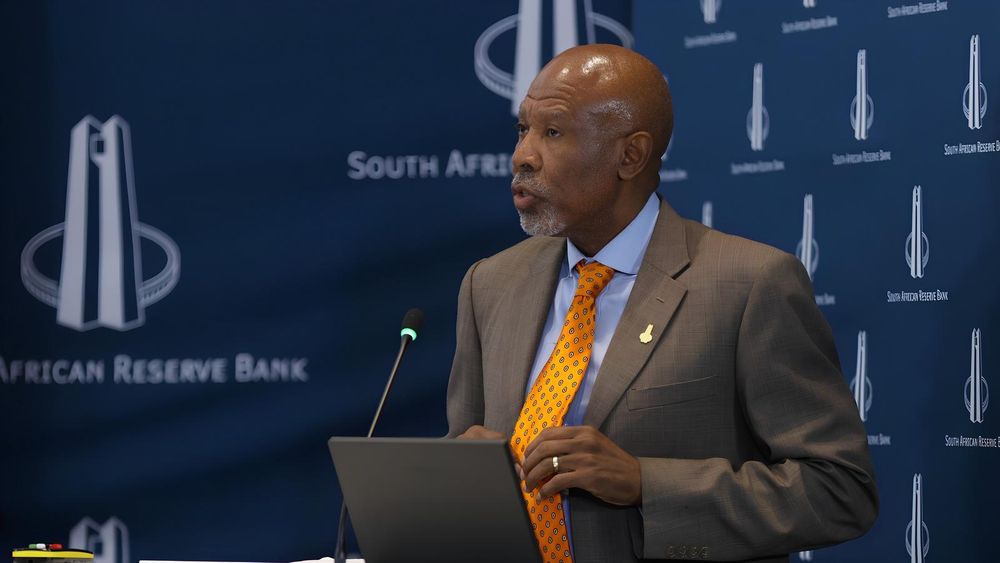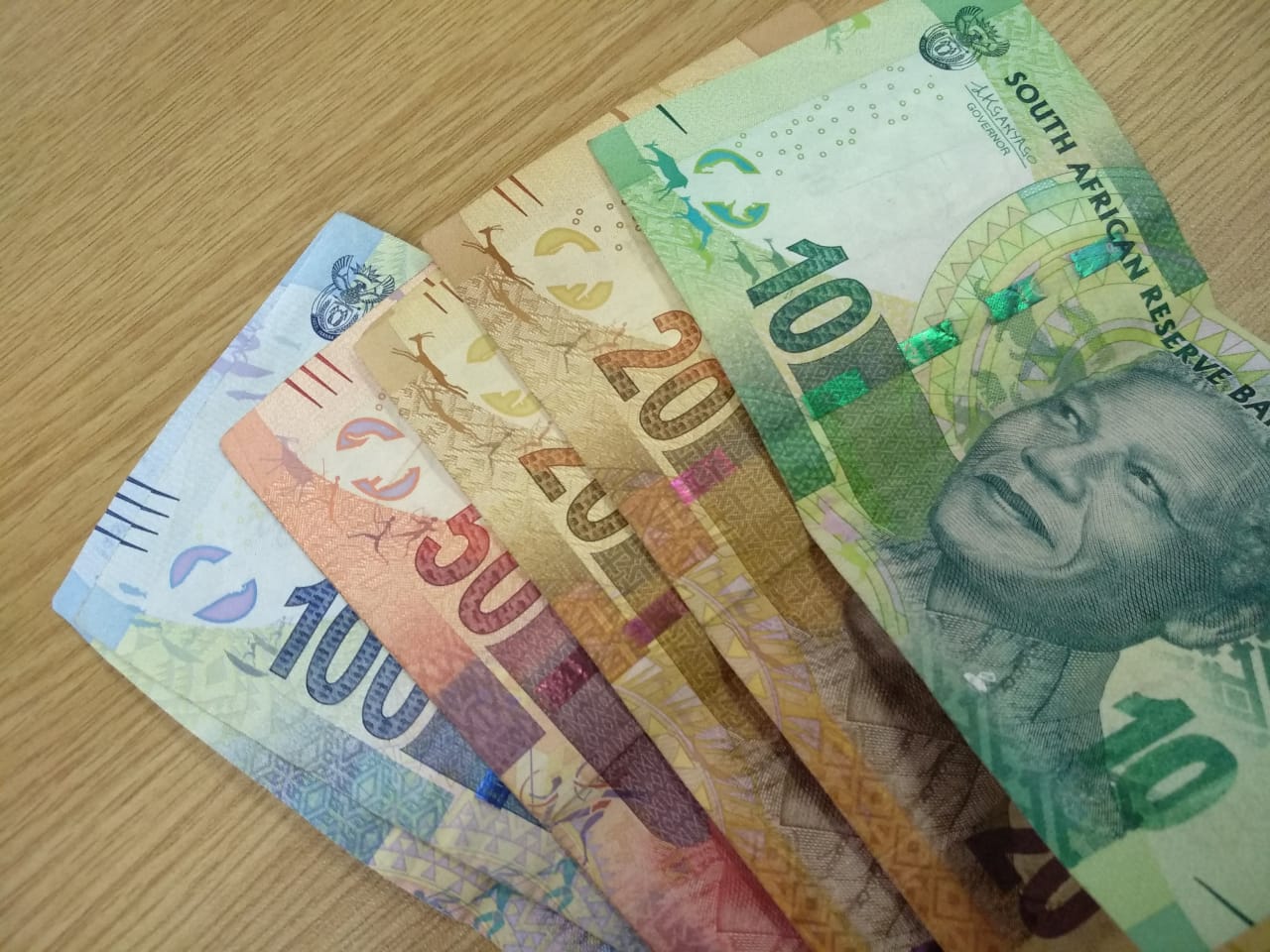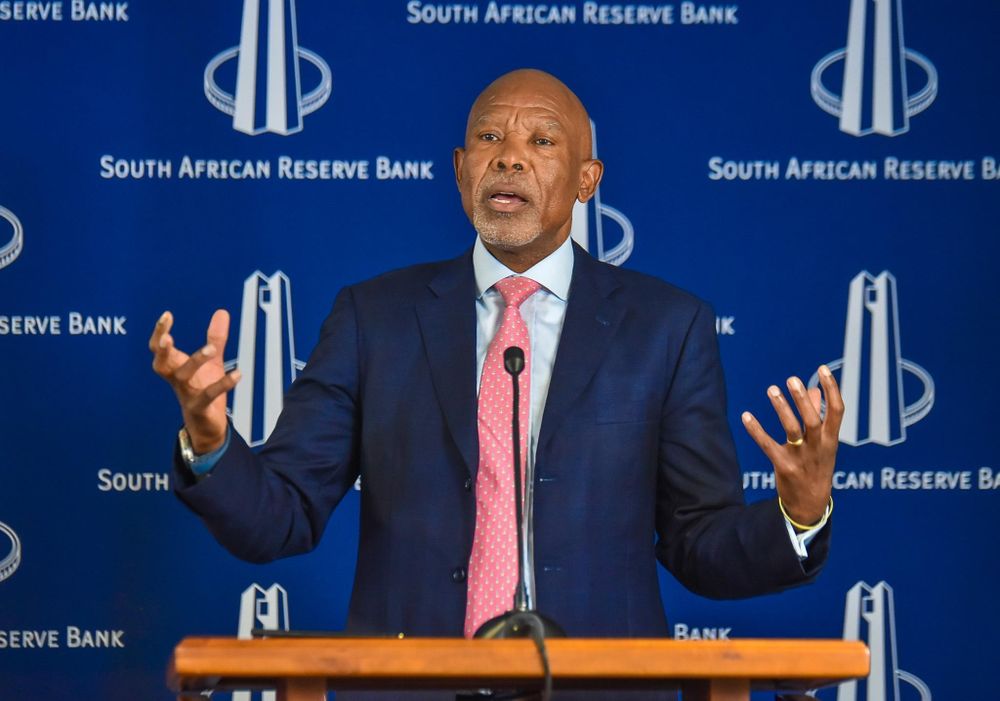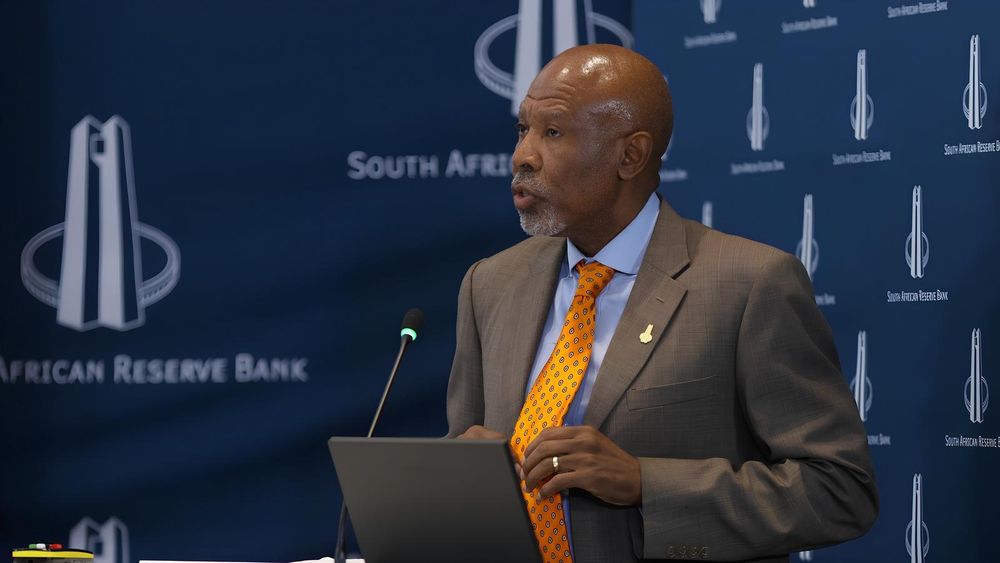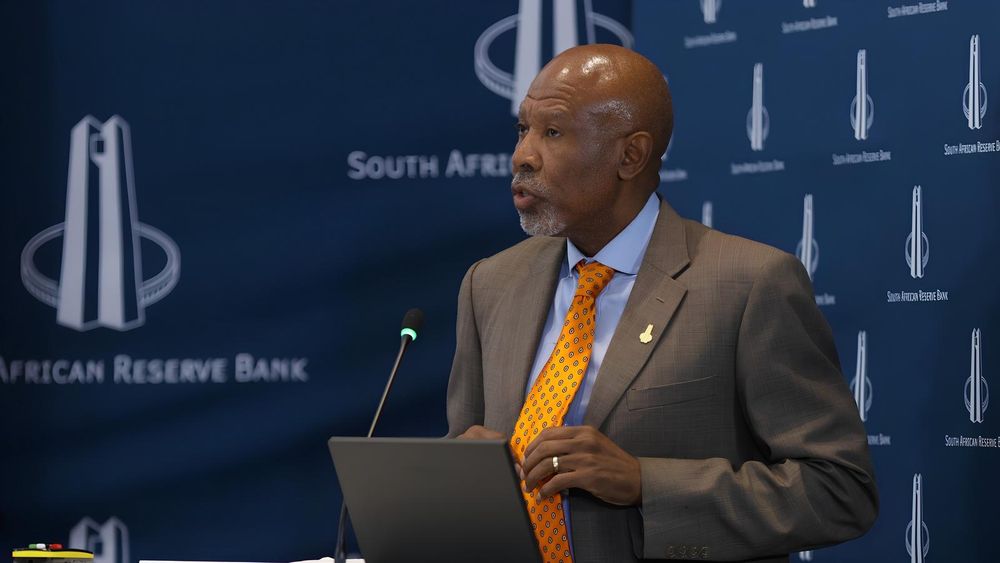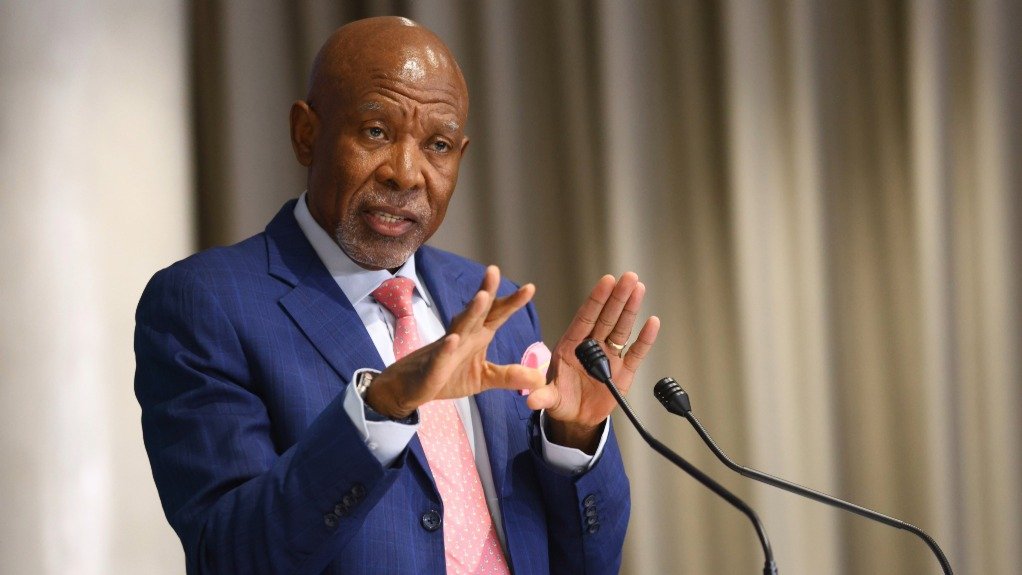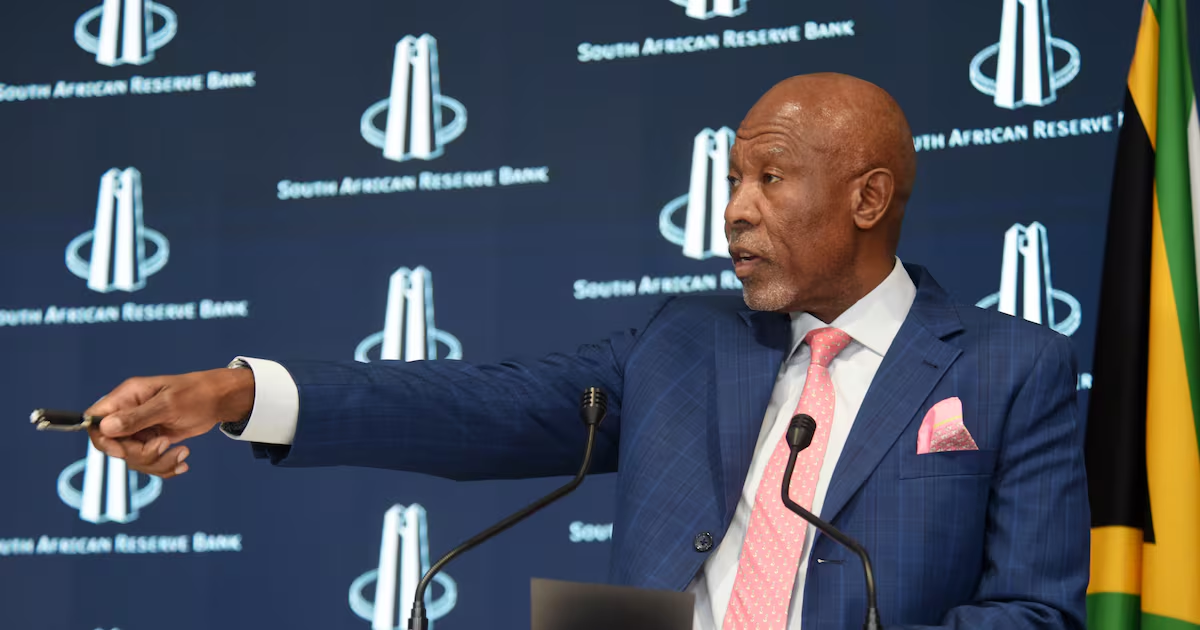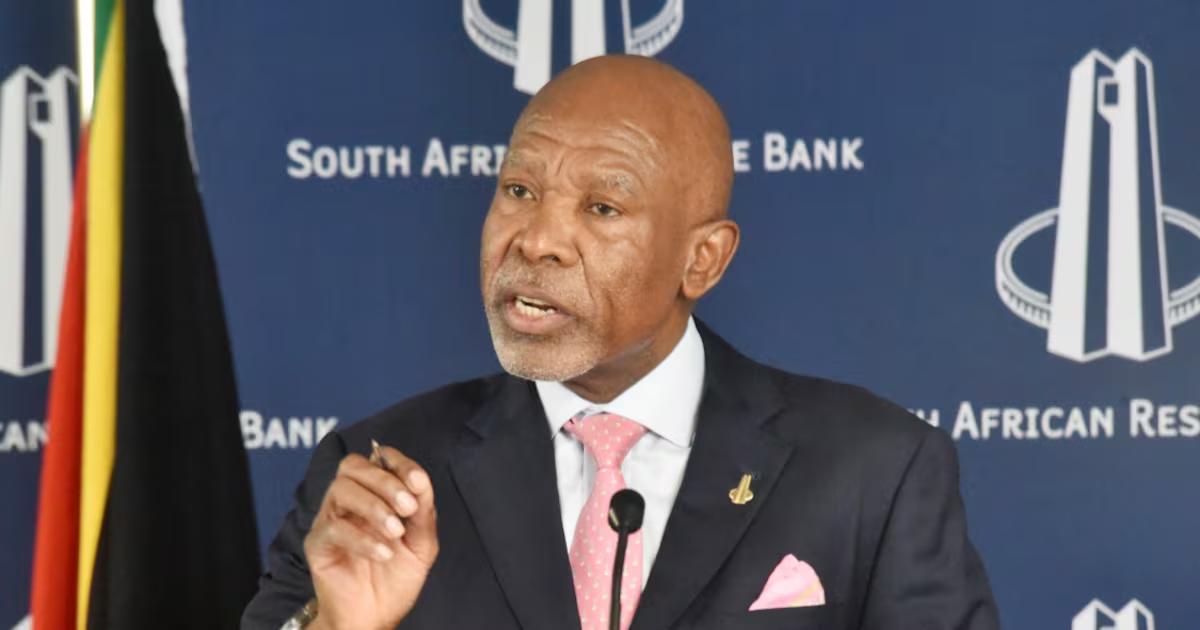
The eyes of South African households and businesses will be glued to the Reserve Bank’s conference on Thursday when governor Lesetja Kganyago is expected to announce an increase in interest rates to try and tame rising inflation pressures stemming from a surge in fuel prices.The Bank will make its decision nearly a week after Statistics South Africa data showed consumer inflation accelerated to 4% year on year in April from 3.1% in March, the highest print since August 2024. It was at the top end of the 2%-4% tolerance band the central bank has signalled for its new 3% target.Earlier this month, Kganyago said in the face of the uncertainty and rising risks to inflation due to the global oil price volatility linked to the war in the Middle East, its monetary policy committee (MPC) would have to “make tough decisions” about whether second-round effects are on the horizon and require it to act on rates.“We expect a 25 basis point rate hike to be announced,” Bureau for Economic Research economist Lisette IJssel de Schepper predicted, a forecast echoed by another analysts.“While higher interest rates will do little to directly offset the fuel price shock stemming from elevated oil prices and ongoing disruption around the Strait of Hormuz, the move would send an important signal that the Reserve Bank remains committed to returning inflation sustainably to the 3% target objective over time.”With fuel costs continuing to filter through the economy and services inflation stealthily increasing, the Bank is likely to prioritise anchoring inflation expectations and limiting second-round effects, she said.The key policy rate is now at 6.75% after the central bank reduced it by 25bps in November 2026. The MPC decided to keep it on hold at its January and March meetings earlier this year.Should the bank again leave the rate unchanged this week, economists believe a hike in July would be a near-certainty.April producer inflation data, also due on Thursday ahead of Kganyago’s conference, will be closely watched for further signs of pipeline price pressure. The year-on-year increase in the producer price index (PPI) quickened to 2.3% in March from a seven-month low of 1.8% the previous month.“We expect PPI to increase from 2.3% in March to 3.5% in April, primarily driven by a sharp rise in fuel costs,” Nedbank said in its weekly economic monitor. “This reflects the impact of higher oil prices following the closure of the Strait of Hormuz alongside a weaker rand amid sustained geopolitical tensions in Iran, which have heightened risk aversion toward emerging markets.“These upward pressures are expected to outweigh the effect of easing food inflation, which is supported by a healthy summer harvest and improving infrastructure constraints,” Nedbank said.The South African Revenue Service’s April trade report on Friday will likely show the country’s surplus narrowing further from March as elevated global oil prices increase the cost of refined oil imports and push up the overall import bill. The trade surplus fell to R31.9bn in March from R35.9bn in February.The Bank’s composite leading business cycle indicator for March will kick off the economic week on Monday.In February the indicator — one of three composite business cycle indicators analysed by the central bank to establish whether a reference turning point has occurred in the business cycle — rose 6.4% compared with the same month last year, with increases in seven of the 10 available component time series outweighing decreases in the other three.
ECONOMIC WEEK AHEAD | Interest rate hike on the cards as inflation accelerates
The market expects a 25 basis point increase to anchor inflation expectations
569 words~3 min read